
Child & Adolescent Psychiatry in Delhi
Trust Strip





Quick Facts
| Question | Answer |
|---|---|
| Service | Child & Adolescent Psychiatry |
| Age Group | Children & Adolescents |
| Assessment | Psychiatric + Developmental |
| Treatment | Individualized |
| Family Involvement | Where clinically appropriate |
| Psychology Coordination | Available where indicated |
| Medication | Considered only when clinically appropriate |
| Main Focus | Emotional, behavioural, developmental & psychiatric concerns |
What is Child & Adolescent Psychiatry?
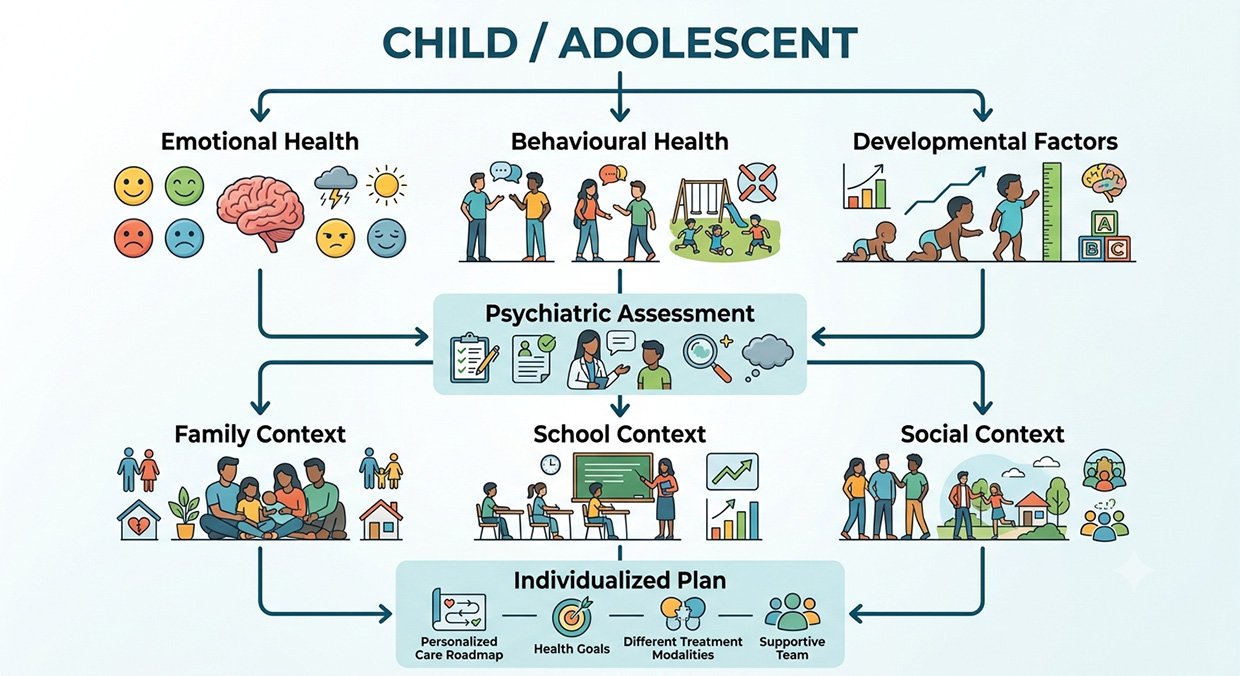
Pediatric and Adolescent Psychiatry as a discipline is that field of study which focuses on the diagnosis and management of psychological disorders affecting children and adolescents. This is done by taking into account the symptoms of the child in context with his developmental stage, family background, education, peer group, health, and surroundings.

- Irritability
- Behavioural changes
- School refusal
- Sleep problems
- Physical complaints
- Withdrawal
- Anger
- Difficulties with concentration
An adolescent may experience similar distress but communicate it differently.
This is why psychiatric assessment in younger people needs to consider developmental context.
Clinical Pearl
Child and adolescent psychiatry is not simply adult psychiatry delivered at a younger age. Developmental stage, family relationships, school functioning, communication, and the child's environment can substantially influence both assessment and treatment.
Why is Child Psychiatry different from Adult Psychiatry?
The young ones are developing emotionally, cognitively, socially, and physically since they are still growing. The symptoms need to be assessed against the expected developmental stages, environment, and age of the individual. At times, it might be necessary to obtain information from the child’s parents or caregivers.
Development Matters
- Separation concerns
- Social withdrawal
- Emotional outbursts
- Risk-taking
- Sleep changes
- Independence-seeking
Child Vs Adolescent
| Child | Adolescent |
|---|---|
| Greater dependence on caregivers | Increasing independence |
| Limited ability to describe internal experiences |
Greater ability to describe thoughts and emotions |
| Parents often provide important history. | Adolescent's own account becomes increasingly important. |
| Behaviour may be the main visible symptom | Internal symptoms may become more apparent |
| School and family context are particularly important |
Peer, academic and social context may become increasingly important |
Multi-informant Assessment
- Child
- Caregivers
- Pediatrician
- Adolescent
- Teachers
- Clinical psychologist
- Parents
- School counsellors
- Other treating professionals
Clinical Pearl
With patients who are younger, this becomes even more significant. Even in the case of adolescents, however, the experiences and perceptions of the young individual must continue to be the focal point of treatment.
What does a Child and Adolescent Psychiatrist do?
The evaluation process by a child and adolescent psychiatrist includes the assessment of emotional, behavioral, developmental, and psychiatric issues; the formulation of a diagnosis; the discussion of treatment options with the child and family; and the follow-up on treatment plans. The method of treatment will depend on the particular case scenario and will include psychotherapy, family therapy, medications, and others.
Core Responsibilities
1. Psychiatric Assessment
Understanding:
- Presenting symptoms
- Duration
- Severity
- Functional impact
- Previous treatment
3. Diagnostic Formulation
The psychiatrist considers the symptoms within the broader developmental and environmental context.
2. Developmental Assessment
Considering:
- Developmental milestones
- Communication
- Learning
- Social development
- Emotional development
- Behavioural development
4. Treatment Planning
Treatment may include one or more approaches depending on the clinical problem.
5. Monitoring
Treatment is reviewed over time to assess:
- Symptoms
- Functioning
- Side effects where medication is used
- Family concerns
- School functioning
- Treatment response
6. Coordination
When appropriate, the psychiatrist may coordinate with:
- Clinical psychologists
- Pediatricians
- Schools
- Other medical specialists
- Family members
- Other mental health professionals
When should a Child or Teenager see a Psychiatrist?
Psychiatric consultation is indicated if there are problems related to emotions, behavior, development or psychology that are persistent, severe, worsening or causing problems in school, relationships, at home, sleeping or functioning in general. Psychological assessment is also indicated when the problem cannot be easily explained, previous treatment has not been sufficient or medication is needed.
Possible Reasons To Seek Assessment
Emotional Changes
- Persistent sadness
- Excessive anxiety
- Frequent crying
- Irritability
- Emotional instability
Behavioural Changes
- Severe anger
- Aggression
- Defiance
- Repeated rule-breaking
- Sudden behavioural changes
School Difficulties
- Falling academic performance
- School refusal
- Poor concentration
- Frequent complaints from teachers
- Difficulty completing work
Social Difficulties
- Withdrawal
- Difficulty making friends
- Severe social anxiety
- Sudden changes in peer relationships
Developmental Concerns
- Communication difficulties
- Social-developmental concerns
- Learning difficulties
- Behavioural concerns
- Possible ADHD or autism
Sleep Problems
- Persistent insomnia
- Major changes in sleep
- Excessive daytime sleepiness
- Reversed sleep schedule
Risk-Related Concerns
- Self-harm
- Suicidal thoughts
- Severe aggression
- Substance use
- Significant impulsive or risky behaviour
Important
It would be a mistake to diagnose someone with a mental illness based on any particular rough day, tantrum, examination stress, or disagreement among teenagers.
The important factors to remember are:
Persistence + Severity + Developmental Context + Functional Impact
Clinical Pearl
The purpose of psychiatric assessment is not to label every difficult behaviour as a disorder. It is to determine whether the pattern is developmentally expected, situational, or suggestive of a mental health or developmental condition requiring further assessment or treatment.
What conditions does Child & Adolescent Psychiatry treat?
The field of child and adolescent psychiatry involves a wide range of psychiatric problems. This may include problems such as attention deficit hyperactivity disorder, anxiety disorders, depression, obsessive-compulsive disorders, autism spectrum disorders, behavior disorders, mood disorders, sleep disorders, substance use disorders, and many more. The treatment for the problem of the child will depend on the specific symptoms that they are exhibiting.
Common Areas Of Assessment
ADHD
Assessment may consider:
- Attention
- Impulsivity
- Hyperactivity
- Executive functioning
- School performance
- Behaviour across settings
Adult ADHD Treatment in Delhi is a separate page that focuses on adults; however, the service page is recommended for children.
Autism Spectrum Disorder
The assessment includes:
- Social communication
- Social interaction
- Restricted or repetitive behaviours
- Sensory features
- Developmental history
- Functional impact
Anxiety Disorders
Including difficulties involving:
- Excessive worry
- Separation anxiety
- Social anxiety
- Specific fears
- Panic symptoms
Depression
Possible presentations include:
- Persistent sadness
- Irritability
- Withdrawal
- Loss of interest
- Changes in sleep
- Changes in appetite
- Reduced academic functioning
OCD
Symptoms may involve:
- Intrusive thoughts
- Repetitive behaviours
- Checking
- Washing
- Reassurance seeking
- Mental rituals
Behavioural Difficulties
May include:
- Severe aggression
- Persistent defiance
- Conduct-related concerns
- Emotional dysregulation
Mood Disorders
These may involve:
- Significant mood changes
- Periods of unusually elevated or irritable mood
- Depression
- Severe emotional instability
Sleep Problems
Including:
- Insomnia
- Delayed sleep schedule
- Excessive sleepiness
- Sleep-related behavioural problems
Substance Use
Adolescents may require assessment for:
- Alcohol
- Tobacco/nicotine
- Cannabis
- Other substances
- Behavioural consequences of substance use
Clinical Pearl
Same symptom is exhibited by different conditions. For instance, lack of concentration could be as a result of ADHD, anxiety, depression, insomnia, learning disability or any number of factors. Child psychiatric assessment involves going beyond the symptom to determine its pattern.
What Symptoms can be assessed in Child & Adolescent Psychiatry?
A psychiatric assessment during childhood and adolescence includes not only emotional, behavioral, cognitive, developmental, but also physical problems associated with mental disorders. Problems include, for example, prolonged depression, anxiety, irritability, concentration difficulties, sleep disorders, withdrawal, behavioral disturbances, changes in mood, panic attacks, self-destructive behavior, and hallucinations.
Symptom → Possible Area Of Assessment
| Symptom | Possible Areas to Explore |
|---|---|
| Poor concentration | ADHD, anxiety, depression, sleep problems, learning |
| Irritability | Mood, anxiety, behavior, environmental stressors |
| Persistent sadness | Depression, adjustment issues, emotional problems |
| Excessive worry | Anxiety disorders |
| Sleep problems | Insomnia, anxiety, mood, routines |
| Social withdrawal | Anxiety, depression, developmental concerns |
| Anger | Emotional regulation, behavioural problems, stress |
| Academic decline | Learning, ADHD, mood, anxiety, sleep |
| Repetitive behaviour | OCD, autism-related concerns, other conditions |
| Self-harm | Depression, emotional distress, psychiatric problems |
Important
A symptom is not a condition. For instance:
Poor concentration ≠ automatically ADHD.
Irritability ≠ automatically depression.
Social difficulties ≠ automatically autism.
The assessment can determine if the symptom is related to a disorder, developmental milestone, environmental stimulus, or none of the above.
Why Does Family and School Context Matter in Child Psychiatry?
Children and adolescents live in the settings of family, school, peers, and community, and thus, such settings can have an impact on their symptoms and recovery process. As a result, the psychological evaluation can include information about their family relationship, schooling, peers, stressors, and other environmental aspects.
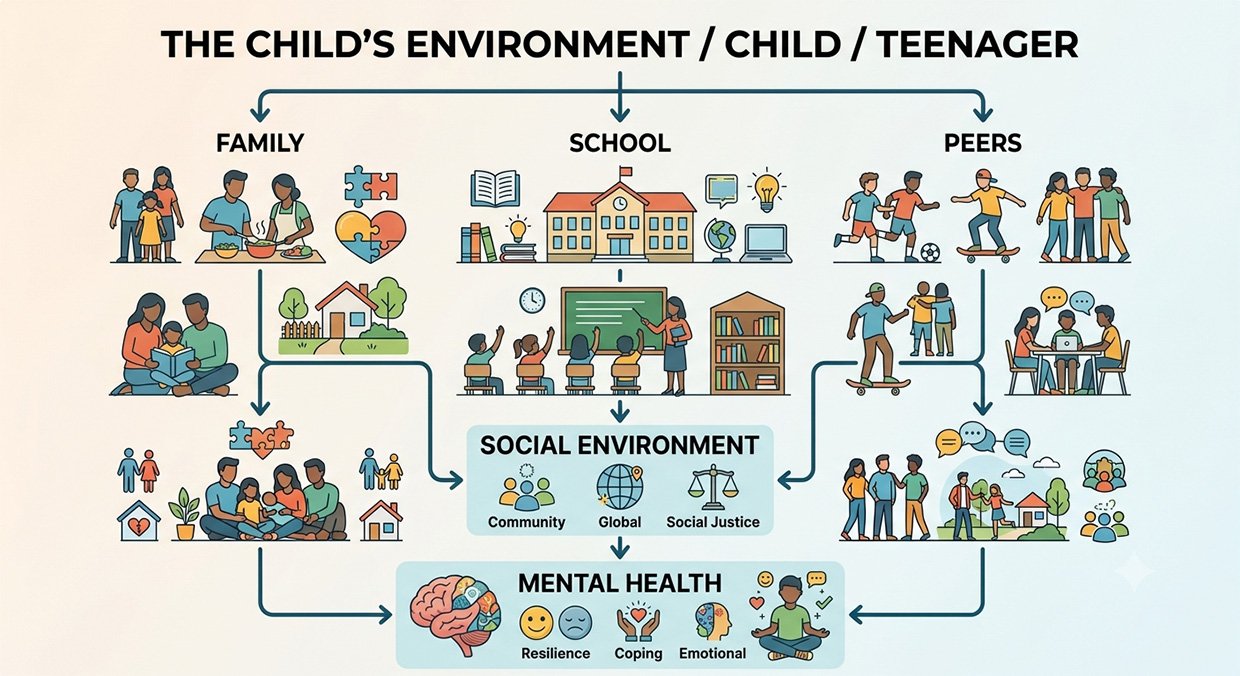
Family Factors
The clinician may consider:
- Family relationships
- Parenting environment
- Family stress
- Recent changes
- Communication
- Family mental health history
School Factors
Depending on the problem:
- Academic performance
- Attendance
- Teacher observations
- Behaviour in class
- Learning difficulties
- Peer relationships
Peer Factors
Especially during adolescence:
- Friendships
- Bullying
- Social exclusion
- Peer pressure
- Relationship difficulties
- Online social interactions
Clinical Pearl
The consideration of the child’s family and school context is not intended to place blame. This provides the clinician insight into what may be causing the problem, what resources exist, and how practical solutions can make a difference for the child.
Does Seeing a Child Psychiatrist Mean My Child Will Be Prescribed Medication?
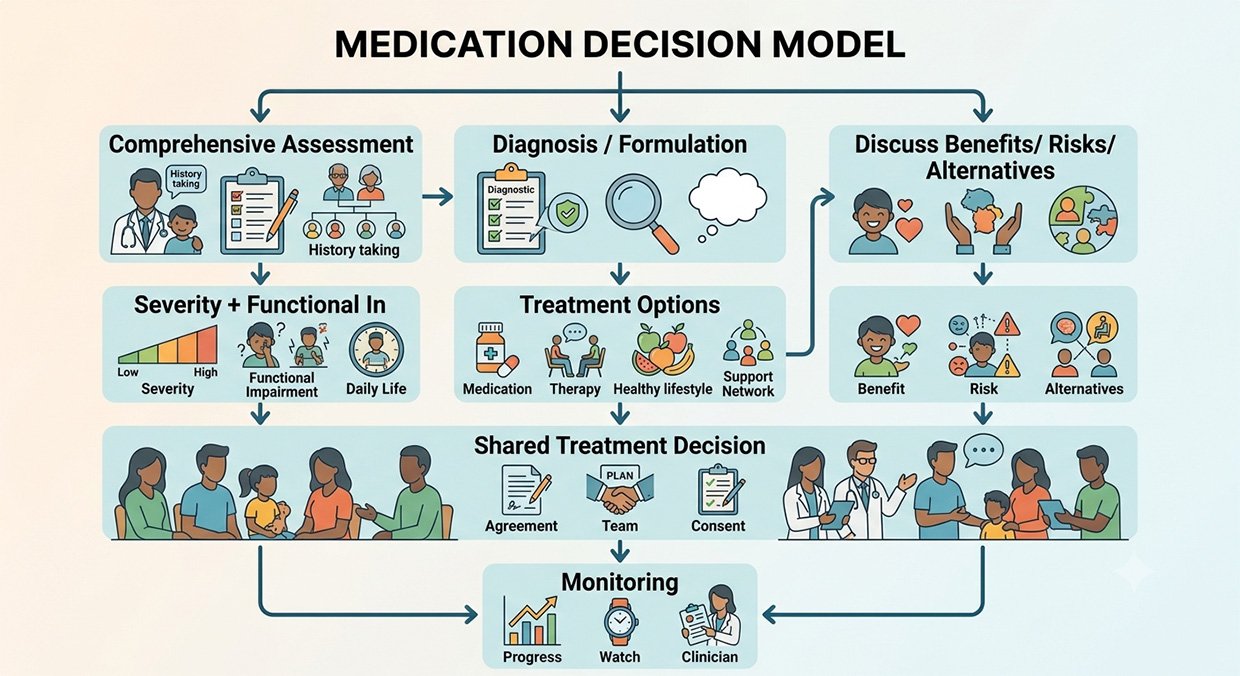
No. The mere provision of a psychiatric assessment does not imply that medication will necessarily be prescribed. Treatment is based on the assessment, diagnosis, severity, functional impairment, evidence for treatment options, and context of the child. If medication is an option, it should be fully explained by the psychiatrist to the family and child, where relevant.
Treatment Options
Psychological Treatment
Including:
- CBT
- Behaviour therapy
- Psychotherapy
- Family interventions
Parent / Family Interventions
Especially when family interaction or behavioural patterns are relevant.
Educational / School Support
Where appropriate.
Medication
Medication may be considered when clinically indicated.
Combined Treatment
Some children benefit from a combination of psychological and psychiatric interventions.
Clinical Pearl
Medication is one possible component of child psychiatric care, not the definition of child psychiatry. The treatment plan should be based on the child's individual clinical needs rather than assuming medication is required simply because a psychiatrist is involved.
Concerned About Your Child or Teenager?
Phone:
What happens during a Child Psychiatric Assessment?
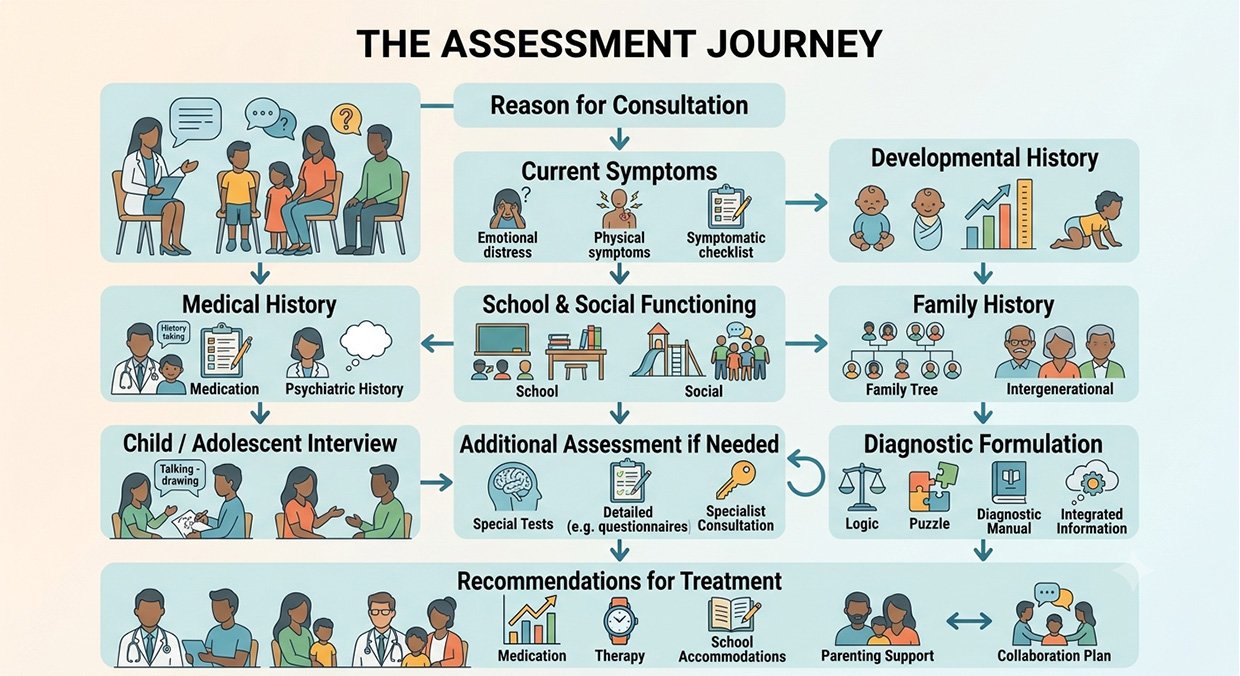
A child psychiatric assessment usually begins by understanding the reason for referral and the child's current symptoms, followed by a review of development, physical and mental health history, family circumstances, school functioning, relationships, and daily functioning. The psychiatrist can talk to the child and his/her parents alone or both at once and come up with a personalized diagnosis and therapy plan.
What Is Discussed During the First Child Psychiatry Consultation?
The main topics of discussion at the first visit include change in functioning, how long the problems persist, the impact on the child’s functioning, and parental and patient’s concerns. The psychiatrist might also consider the patient’s development and well-being, genetic history, educational background, social relations, past treatment, and whether further examination is needed.
Common Areas Discussed
Presenting Concern
- Why have you sought help now?
- What changes have you noticed?
- When did they begin?
- Are they getting better, worsening, or varying?
Functioning
The psychiatrist may explore:
- School
- Homework
- Family relationships
- Friendships
- Hobbies
- Daily routines
- Self-care
- Sleep
Symptoms
Depending on the concern:
- Mood
- Anxiety
- Attention
- Behaviour
- Sleep
- Risk-taking
- Appetite
- Social interaction
- Repetitive behaviours
- Irritability
- Anger
- Unusual experiences
Previous Help
- Previous consultations
- Therapy
- Medication
- Psychological assessments
- School interventions
- Medical treatment
Important
The parents don't need to come with a diagnosis. One only needs to say:
"This is what we are seeing, and this is how it is impacting our child."
The role of the clinician is to try and understand what is happening.
Will the Psychiatrist Speak to the Child or Only the Parents?
Perspectives of both the child and the parent are often important; yet the degree to which they should carry importance depends on factors such as age, development, type of issue involved, and particular circumstances. In case of young children, it may be important to collect more information from the caregiver, while for adolescents it becomes increasingly important to be able to speak about their experience.
Why Both Perspectives Matter
Parents may notice:
- Behavioural changes
- Academic decline
- Sleep changes
- Social withdrawal
- Irritability
- Changes at home
The young person may have experiences that parents cannot directly observe:
- Anxiety
- Intrusive thoughts
- Low mood
- Peer difficulties
- Shame
- Self-harm thoughts
- Internal compulsions
- Fear of judgment
Age-appropriate Evaluation
Younger Children
The clinician may rely more heavily on:
- Parents
- Caregivers
- Behavioural observations
- School information
Adolescents
The counselor must ensure that the adolescent is provided with an appropriate forum in which to speak about his/her experiences.
Older Children
The self-narratives of the child become increasingly important.
Clinical Pearl
A child psychiatric assessment is not simply a parent interview. The child's developmental level determines how information is gathered, but the young person's own experience should be incorporated whenever they are able to communicate it meaningfully.
What Is a Developmental History?
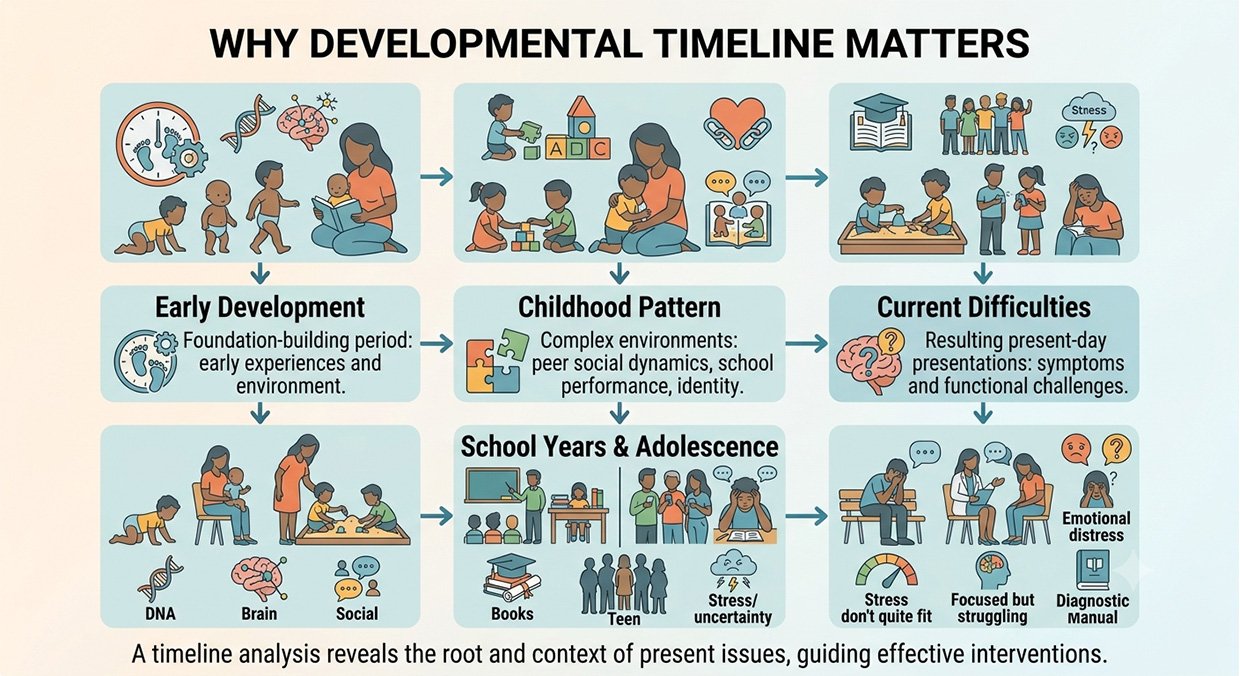
Developmental history is an account of how a child has developed within various domains including physical development, communication skills, learning abilities, socialization, emotional development, and behavior. It helps the clinician to differentiate between symptoms and the established developmental trend and to recognize the onset of problems.
Areas That May Be Reviewed
Early Development
- Pregnancy and birth history where relevant
- Early developmental milestones
- Motor development
- Language development
- Social development
Communication
- Speech development
- Understanding language
- Conversational skills
- Communication with others
Social Development
- Playing with other children
- Friendships
- Eye contact where clinically relevant
- Social reciprocity
- Understanding social cues
Learning
- Early learning
- Academic development
- Reading
- Writing
- Mathematics
- Learning difficulties
Behaviour
- Activity level
- Impulsivity
- Sensory-related behaviours where relevant
- Emotional regulation
- Repetitive behaviours
Does Child Psychiatry Include a Medical Assessment?
Yes. The psychiatrist is after all a physician, so the evaluation can consider such factors as general physical well-being, influence of medications that the child may take, medical and family history, sleep habits, substance abuse, etc., which may affect the emergence of the symptoms of psychological disorders.
Areas That May Be Reviewed
- General medical history
- Previous illnesses
- Current medications
- Allergies
- Sleep
- Nutrition and appetite
- Neurological symptoms where relevant
- Family medical history
- Family psychiatric history
- Substance exposure/use where age-appropriate
Additional Investigations
Depending upon the question raised, the psychiatrist may recommend:
- Laboratory tests
- Medical evaluation
- Psychological testing
- Educational assessment
- Speech and language assessment
- Other specialist assessment
Important
There is no universal "child psychiatry test." The appropriate assessment depends on the clinical question.
How Are School Problems Assessed in Child Psychiatry?
A child’s functioning at school can be very informative regarding his/her attention, learning ability, behavior, social interactions, emotions, and general functioning. In certain circumstances, the practitioner might wish to inquire about the experience of the child at school from his/her parents as well as teachers or other school personnel as needed and with proper consent.
School Areas To Explore
Academic Performance
- Falling grades
- Difficulty completing assignments
- Slow work
- Inconsistent performance
Attention
- Distractibility
- Daydreaming
- Forgetfulness
- Difficulty following instructions
Behaviour
- Disruptive behaviour
- Impulsivity
- Aggression
- Classroom difficulties
Social Functioning
- Friendships
- Bullying
- Social withdrawal
- Peer conflict
Attendance
- School refusal
- Frequent absences
- Difficulty attending particular classes
School Information Can Help Answer:
“Does the issue occur at home, at school, or both places?”
This distinction can be clinically important.Clinical Pearl
School information should complement—not replace—the child's and family's clinical history. When relevant information is obtained from teachers or school professionals, appropriate consent and confidentiality considerations should be followed.
When is Psychological Assessment Needed Alongside Child Psychiatry?
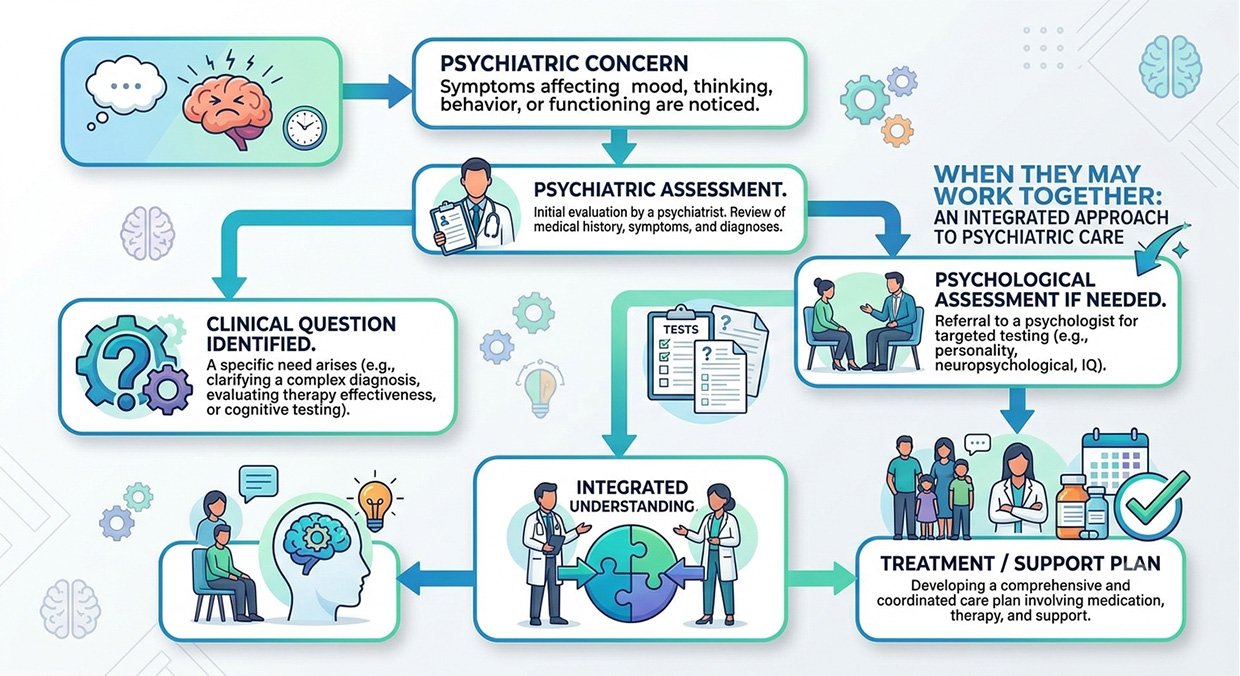
Psychological assessment may be useful when the clinical question involves cognition, learning, attention, developmental functioning, personality or emotional functioning, or when more detailed standardized assessment is needed. Psychiatric and psychological evaluation serve different purposes, but they can be used together when required.
Psychiatric Assessment
Primarily considers:
- Mental health symptoms
- Diagnosis
- Medical factors
- Psychiatric history
- Functional impact
- Treatment planning
Psychological Assessment
May provide more detailed information about:
- Cognitive functioning
- Intellectual abilities
- Attention
- Learning
- Emotional functioning
- Behaviour
- Developmental domains
How is ADHD assessed in Children and Adolescents?
ADHD evaluation goes beyond simply assessing whether the individual exhibits inattention or hyperactivity. The professional takes into account the pattern, the time period, the developmental history, the impact, the symptoms displayed across various contexts, as well as other factors, including possible alternative diagnoses. Parent, school, and youth information can be useful for the evaluation process.
Areas To Investigate
Attention
- Prone to distraction
- Difficulty sustaining attention
- Forgetfulness
- Losing things
- Difficulty completing tasks
Impulsivity
- Interrupting
- Difficulty waiting
- Acting without considering consequences
Hyperactivity
- Excessive movement
- Restlessness
- Difficulty remaining seated
Executive Functioning
- Planning
- Organization
- Time management
- Task initiation
- Completing multi-step tasks
Important
Poor concentration can also occur with:
● Anxiety
● Depression
● Sleep problems
● Learning difficulties
● Stress
● Environmental difficulties
● Other psychiatric or medical conditions.
Therefore:
Poor concentration alone does not establish ADHD.
How are Autism-Related Concerns Assessed?
The assessment for autism would entail evaluation of the developmental history, social skills, communication skills, presence of any restricted/repetitive behaviors and interests, and impact of these symptoms on daily living. The whole process of assessment could involve information gathering from the parents/legal guardians, the child/adolescent himself, the school, and relevantly-trained professionals.
Areas That May Be Explored
Social interaction
- Conversation
- Social reciprocity
- Understanding social cues
- Relationships
Sensory Experiences
Where relevant:
- Sound sensitivity
- Touch sensitivity
- Light sensitivity
- Sensory seeking
Restricted or Repetitive Patterns
- Repetitive behaviours
- Strong need for sameness
- Restricted interests
- Repetitive speech or movements
Developmental History
The clinician may explore how these characteristics developed over time.
Functional Impact
Assessment should consider how the characteristics affect:
- School
- Family
- Friendships
- Independence
- Daily routines
What Is a Diagnostic Formulation in Child Psychiatry?
The formulation is a personalized description of the child’s problems by integrating symptoms, developmental, medical, and psychological background, environmental factors, abilities, and functional impairments. It will assist the psychiatrist in getting past the diagnosis and understanding what should be done next.
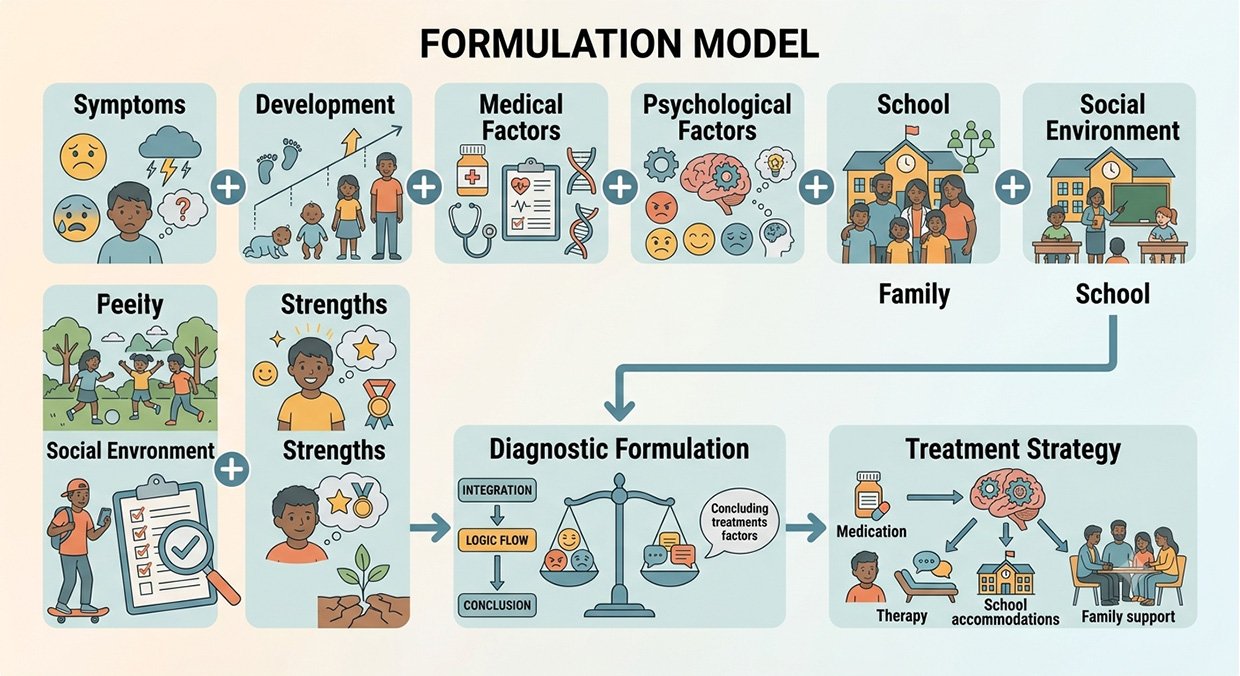
The Importance Of The Formulation
The two children with the same diagnosis might need totally different treatment plans. For example:
Child A
ADHD symptoms + significant learning difficulties.
Child B
ADHD symptoms + severe anxiety + sleep problems.
While the diagnoses might be similar, the clinical considerations can be entirely different.
Clinical Pearl
A diagnosis explains the clinical presentation, while a formulation explains how the clinical presentation affects the child. Both are essential for proper treatment planning.
Will Parents Receive a Diagnosis During the First Appointment?
In some situations, the diagnosis may be made at the first encounter, although this is not always feasible or even the best approach for all patients. Some situations will need further details, history from school, tests, observation, or follow-up to fully establish the diagnosis.
Possible Outcomes After The First Consultation
1. Clear Diagnosis
The available information may support a diagnosis.
3. Further Assessment Needed
Additional evaluation may be recommended.
2. Working Diagnosis
The clinician may identify the most likely explanation while gathering additional information.
4. No Psychiatric Disorder Identified
The clinician can state that the behavior is one that is developmentally expected or is in context, and recommend appropriate treatment.
Important
The quality of the assessment is not compromised simply because the initial visit does not lead to immediate diagnosis.
Sometimes:
"We need more information before we decide."
is the clinically responsible answer.
What happens after the Assessment?
Once the assessment is completed, the psychiatrist will talk about the child’s problems from a clinical perspective and will recommend future courses of action based on the findings. It may involve the combination of any of these modalities, including counseling, family therapy, psychotherapy, psycho-education assessments, psychiatry if need be, or even school-related support and interventions.
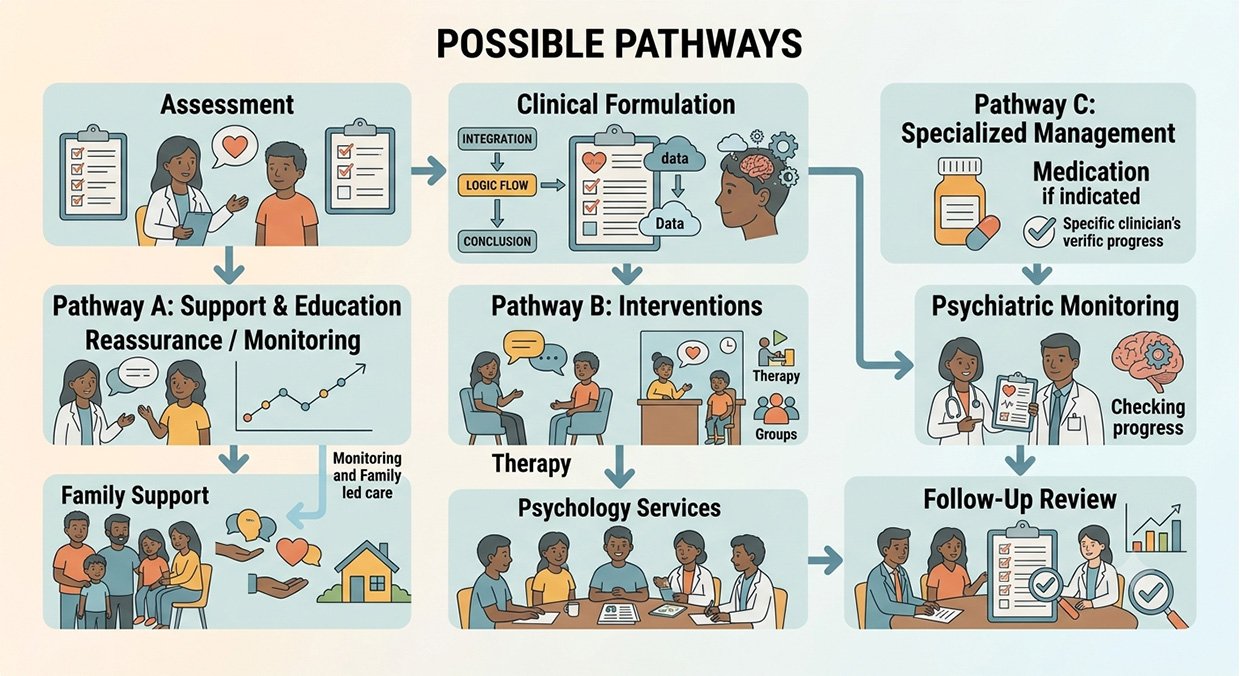
Possible Recommendations
Psychological Therapy
- CBT
- Behaviour Therapy
- Psychotherapy
- Family interventions
Family Support
- Parent guidance
- Family interventions
- Psychoeducation
Psychological Assessment
- Cognitive testing
- Learning assessment
- Developmental assessment
- Emotional/behavioural assessment
School Support
- Appropriate recommendations
- Coordination where clinically indicated and consented
Psychiatric Treatment
- Medication when clinically indicated
- Follow-up monitoring
What If My Child Does Not Have a Psychiatric Disorder?
However, not all problems are indicative of psychiatric disorders. A thorough evaluation may reveal that there are no psychiatric disorders but that the problems are part of the normal developmental process. As expected, are the result of a transitory problem, or can be handled by other means such as parenting, educational, behavioral, or support strategies.
Possible Recommendations
- Reassurance
- Monitoring
- Parenting guidance
- Behavioural strategies
- School support
- Educational interventions
- Brief counselling
- Lifestyle or routine changes
- Follow-up if symptoms persist
Clinical Pearl
A productive child psychiatry evaluation does not necessarily have to culminate in a diagnosis and medication prescription. The greatest value of such a consultation may consist in understanding that at this moment the issue does not need psychiatric intervention, but rather some other kind of assistance.
What Information Should Parents Provide for a Child Psychiatry Consultation?
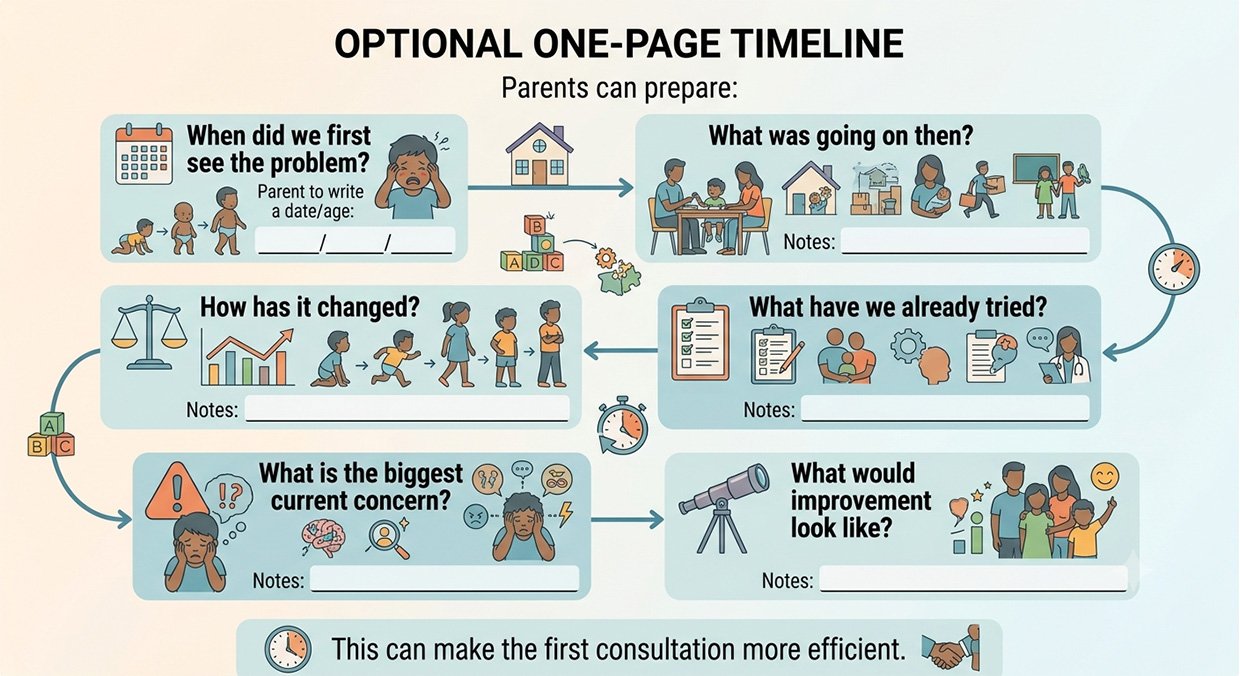
The parents should provide their child’s past medical or psychiatric records, current medications list, psychometric or educational testing results, school reports, and the date of appearance of the issue. It will be helpful to mention any significant changes in the field of sleeping, learning, behavior, etc.
Parent Preparation Checklist
- Main concerns
- When symptoms began
- Changes over time
- Current medications
- Previous psychiatric prescriptions
- Previous therapy reports
- Psychological assessments
- School reports if relevant
- Developmental information
- Important medical history
- Family psychiatric history where relevant
- Specific questions for the psychiatrist
Concerned About Your Child or Teenager?
Phone:
What treatments are available in Child & Adolescent Psychiatry?
The management of children and teenagers is based on their diagnosis, development, severity of condition, functional impairment, family situation, and management objectives. Treatment approaches may include psychotherapy, parents/family intervention, behavioral therapy, educational interventions, pharmacotherapy as needed, or multi-professional collaboration involving psychiatry and clinical psychology, among others.
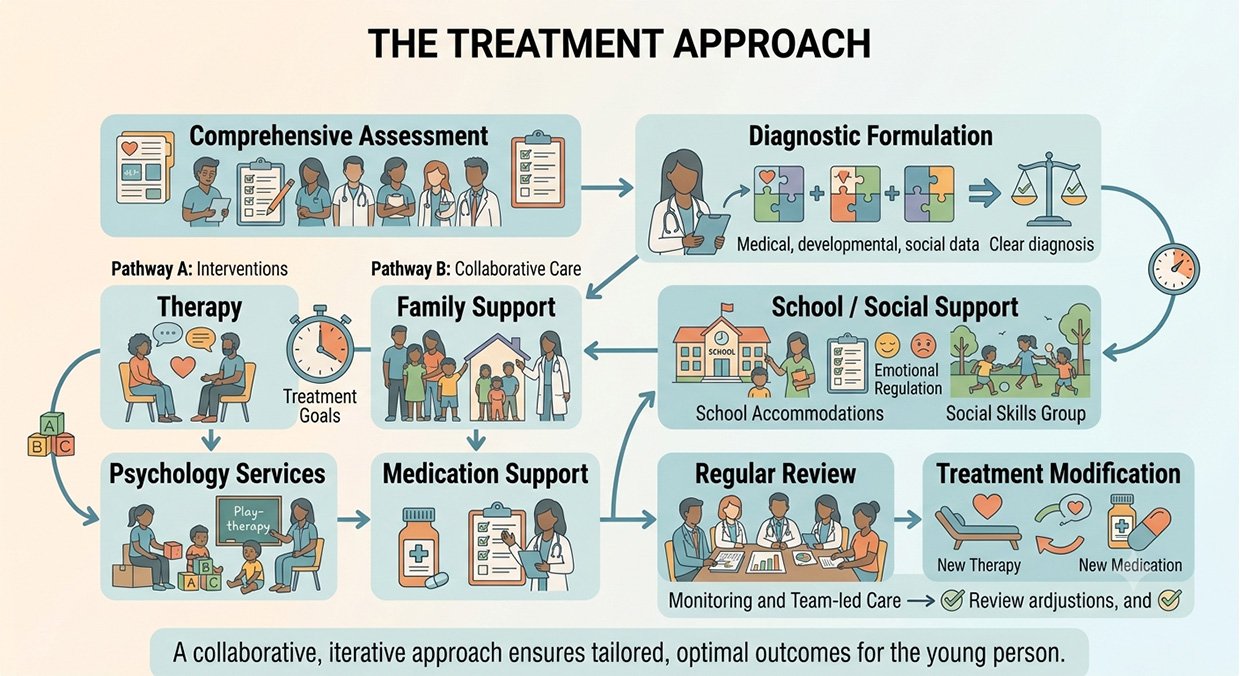
Treatment May Be Composed Of
Psychological Treatment
- CBT
- Behaviour therapy
- Supportive therapy
- Other developmentally appropriate psychotherapy
Psychiatric Treatment
- Medication when clinically indicated
- Monitoring of treatment response
- Monitoring for adverse effects
Family-Based Interventions
- Parent guidance
- Family therapy where appropriate
- Behavioural strategies
- Psychoeducation
Functional Support
- School recommendations
- Routine and behavioural strategies
- Working with other professionals
Is Psychological Therapy Used in Child and Adolescent Psychiatry?
Yes. Psychotherapy plays an essential part in child and adolescent psychiatry. Based on the specific issue and the development level of the child, psychotherapy can involve CBT, behaviour therapy, supportive therapy, family therapy, and more. Psychotherapy can be applied alone or along with psychiatric medication.
Treatment May Be Composed Of
Cognitive Behavioural Therapy — CBT
CBT will assist children or young people to recognize the relationship between:
Thoughts → Feelings → Behaviours
It may be useful for presentations such as:
- Anxiety
- Depression
- OCD
- Certain behavioural difficulties
Behaviour Therapy
Behavioural approaches may focus on:
- Reinforcing helpful behaviours
- Establishing routines
- Reducing problematic behaviours
- Improving consistency
- Developing practical coping strategies
Supportive Therapy
Supportive approaches may help young people:
- Understand emotional difficulties
- Develop coping skills
- Improve self-esteem
- Manage stress
- Strengthen functioning
Age Matters
The treatment of a six-year-old will be different from that of a sixteen-year-old.
The clinician may adapt:
- Language
- Activities
- Session structure
- Parent involvement
- Therapeutic techniques
Clinical Pearl
The psychological treatment of adolescents is not the same as psychological treatment for adults simplified. There should be a consideration of development, communication skills, family situation, and particular clinical issue.
When Are Parent or Family Interventions Used?
The intervention of the parent and the whole family is critical where children’s problems are highly associated with family interactions, patterns of behaviour, reactions, and routines. Interventions will help parents understand the symptoms of their children, assist in treatment, set consistent reactions, and avoid problematic behaviors.
Why Family Involvement Matters
- Routines
- Structure
- School attendance
- Healthcare
- Medication
- Emotional support
- Behavioural boundaries
Parent Intervention May Focus On
Understanding
Helping parents understand:
- What the symptoms mean
- What triggers them
- What maintains them
Consistency
Creating predictable:
- Rules
- Routines
- Expectations
- Consequences
Communication
Improving:
- Listening
- Emotional validation
- Problem-solving
- Parent-child communication
Behaviour
Supporting:
- Positive reinforcement
- Appropriate boundaries
- Reduction of unhelpful accommodation
Family Involvement Varies
It may be:
High
For younger children or significant behavioural problems.
Moderate
When parents support therapy homework or routines.
More limited
When an adolescent can participate more independently.
Clinical Pearl
It does not imply pointing a finger at parents because of their children’s problems but rather finding ways of making caregivers a part of the treatment setting and facilitating recovery.
When Is Medication Considered for Children and Adolescents?
Medication may be prescribed if the psychiatric disorder is sufficiently debilitating, if there is a sufficient evidence base regarding the use of medication in a given presentation, if psychotherapy alone would be inadequate or inappropriate, or if the clinical picture calls for combination therapy.
Medication Is Not Automatic
- Diagnosis
- Severity
- Functional impairment
- Age and developmental stage
- Evidence for treatment
- Previous interventions
- Comorbid conditions
- Family and patient preferences
- Potential benefits and risks
Medication May Be Part Of:
ADHD Treatment
Depending on the clinical assessment and treatment plan.
According to NICE guidelines, ADHD services should be specialized and include integrated care for children and adolescents with ADHD.
Anxiety or OCD
Medication may be considered in selected situations, particularly when symptoms are significant or when combined treatment is appropriate.
Depression
The treatment will depend on:
- Severity
- Age
- Clinical presentation
- Psychological treatment response
- Risk factors
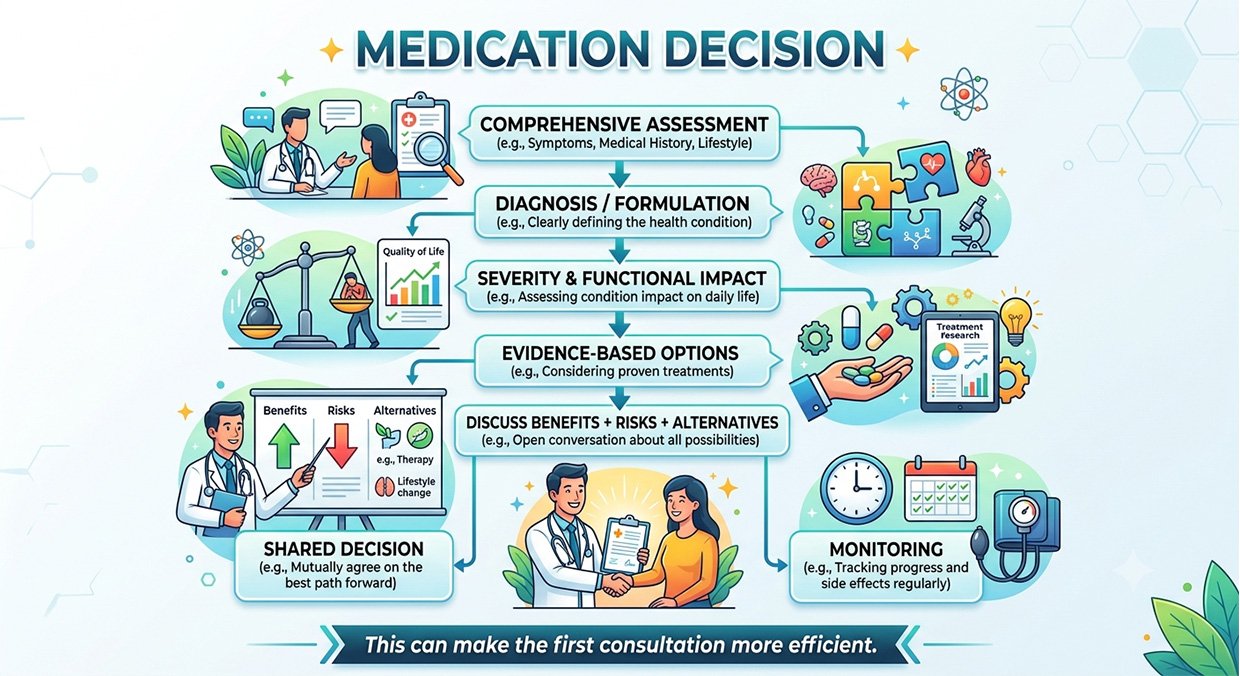
What Should Parents Know Before Starting Psychiatric Medication?
Prior to beginning medication, the parents and the child need to have a clear understanding about the reason for recommending this medication, symptoms it is meant to treat, benefits that will come from it, monitoring process of the medication, potential side effects of the medication and the alternative treatments available.
Questions To Discuss
Why is this medication being recommended?
Understand the specific treatment target.
What improvement should we expect?
The clinician should explain the intended outcome.
What side effects should we watch for?
Parents should know what requires routine monitoring and what requires prompt clinical attention.
How long might treatment continue?
Duration depends on the clinical condition and response.
How will progress be monitored?
This may involve:
- Symptom review
- Functional improvement
- Physical monitoring where relevant
- Adverse-effect monitoring
What are the alternatives?
These may include:
- Psychological treatment
- Behavioural interventions
- Combined treatment
- Family interventions
- School support
Important
The patient should neither commence nor discontinue nor change doses or any other medication regimen without consulting the physician. The AACAP recommends that families should neither discontinue nor alter medication without consulting the pediatrician.
Can Children Receive Therapy and Medication Together?
Yes. In some cases, psychology and pharmacology are not rival but complementary therapies. If combining therapy is necessary or not depends on the diagnosis, the severity of the condition, the age of the patient, prior therapies and the reaction to the therapy. The plan should be reviewed over time rather than assuming that both treatments are always necessary.
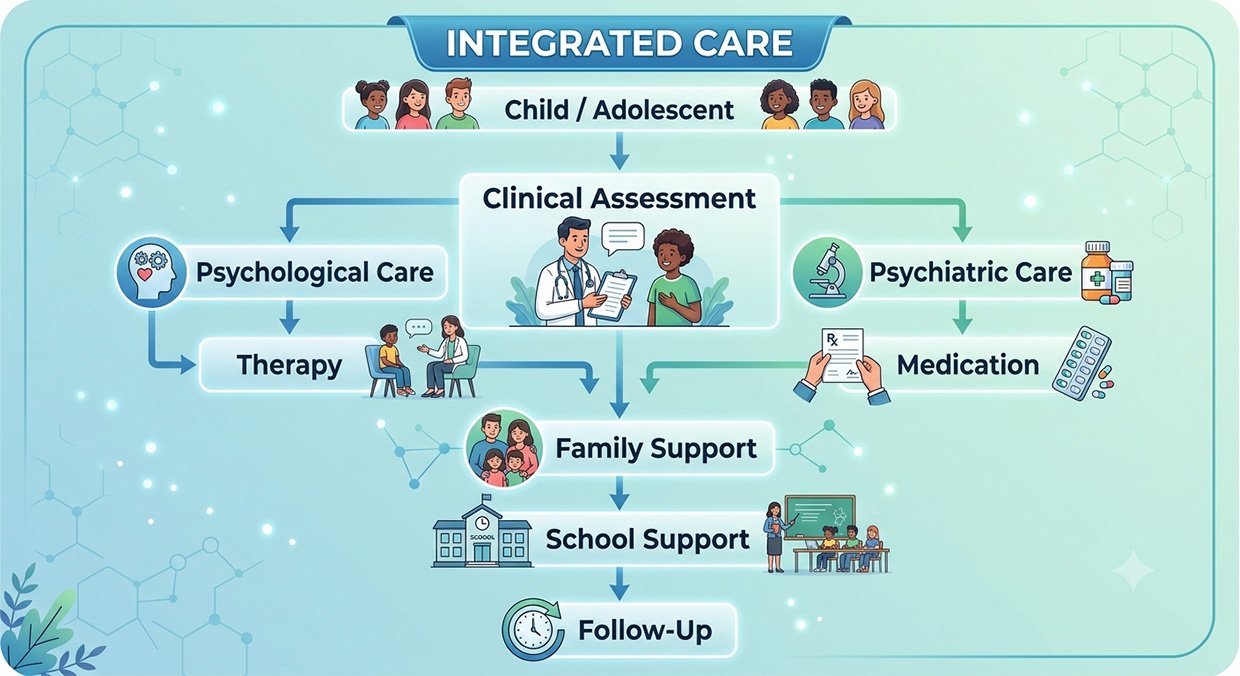
Why Combine Approaches?
- Symptoms are significant.
- There is substantial functional impairment.
- One treatment alone has not been sufficient.
- The condition has multiple contributing factors.
- Clinical guidelines support combined care for the presentation.
How does CBT help Children and Adolescents?
CBT assists adolescents in making links between their thoughts, feelings, bodily sensations, and actions, and encourages healthier responses. Techniques are adapted to developmental level and the presenting condition. CBT may be used for anxiety, depression, OCD, and other problems where cognitive and behavioural interventions are appropriate.
CBT May Work On
Thoughts
Helping the young person identify:
- Unhelpful interpretations
- Negative predictions
- Excessive self-criticism
Feelings
Understanding:
- Anxiety
- Sadness
- Anger
- Fear
Behaviours
Changing:
- Avoidance
- Withdrawal
- Unhelpful habits
- Behavioural patterns
Example
The socially anxious teenager might be thinking: “Everyone will see how nervous I am.”
This may lead to:
Anxiety → Avoidance → Short-term relief → More fear next time
CBT can help the adolescent understand this cycle and develop alternative responses.
How Is Treatment Different for ADHD?
ADHD treatments for children and adolescents are tailor-made and may include behavioral and environmental interventions, education, psychological treatment where necessary, drugs or any combination of these treatments. The process of treatment should take into account the age of the patient, the severity of symptoms, functional impairment, co-morbidity, and the education and family settings of the patient.
Treatment May Address
Attention
- Sustaining attention
- Completing tasks
- Reducing distractions
Executive Functioning
- Planning
- Organization
- Time management
- Task initiation
Behaviour
- Impulsivity
- Hyperactivity
- Emotional regulation
Environment
- Classroom strategies
- Homework routines
- Predictable schedules
- Parent support
Important
ADHD treatment should not be reduced to:
"Give medication and the problem is solved."
The child's functioning across home, school, and social environments matters.
How is treatment different for Autism Spectrum Disorder?
Autism-specific care will consider the individual’s development, needs, communication, behavior, social skills, sensory experiences, comorbidities, and strengths. Psychiatry might help with mental or behavioral issues, whereas psychologic, developmental, educational, speech-language, occupational, or any other type of therapy might be needed, depending on the needs of the child.
Important Distinction
- Support functioning
- Address distress
- Improve communication where appropriate
- Manage coexisting psychiatric symptoms
- Support adaptive skills
- Reduce clinically significant behavioural difficulties
- Help the family understand and respond to needs
When is Family Therapy or Parent Guidance useful?
The following approaches can be considered when there are issues within the family dynamics, communications, behaviors, conflict, or the way the caregivers respond to these that lead to distress. Guidance for parents could assist them in helping their children and being able to understand the symptoms without blaming.
May Be Relevant For
- Behavioural difficulties
- Emotional dysregulation
- Anxiety
- OCD-related family accommodation
- Parent-child conflict
- Adolescent difficulties
- Family adjustment to developmental conditions
Family Therapy ≠ Parent Blame
The purpose is to understand:
What is happening?
How does everyone respond?
What could change?
How can the family support recovery?
Can School Support Be Part of Treatment?
Yes. School interventions can be significant when the symptoms interfere with the child’s attendance, learning, concentration, behavior, social interactions, or academics. Based on the nature of the case, interventions may include classroom strategies, behavioral strategies, school professional contacts, or an educational assessment, with proper consent and confidentiality considerations.
School-related Interventions Might Include
Classroom Strategies
- Clear instructions
- Predictable routines
- Appropriate seating
- Breaking complex tasks into smaller steps
Behavioural Support
- Consistent expectations
- Positive reinforcement
- Structured routines
Academic Support
- Educational assessment
- Learning support
- Appropriate accommodations
Emotional Support
- School counsellor involvement
- Monitoring of school refusal
- Support around bullying or peer difficulties
Important
School coordination should be individualized.
Not every child needs communication between the clinic and school.
How does Child Psychiatry work with Clinical Psychologist?
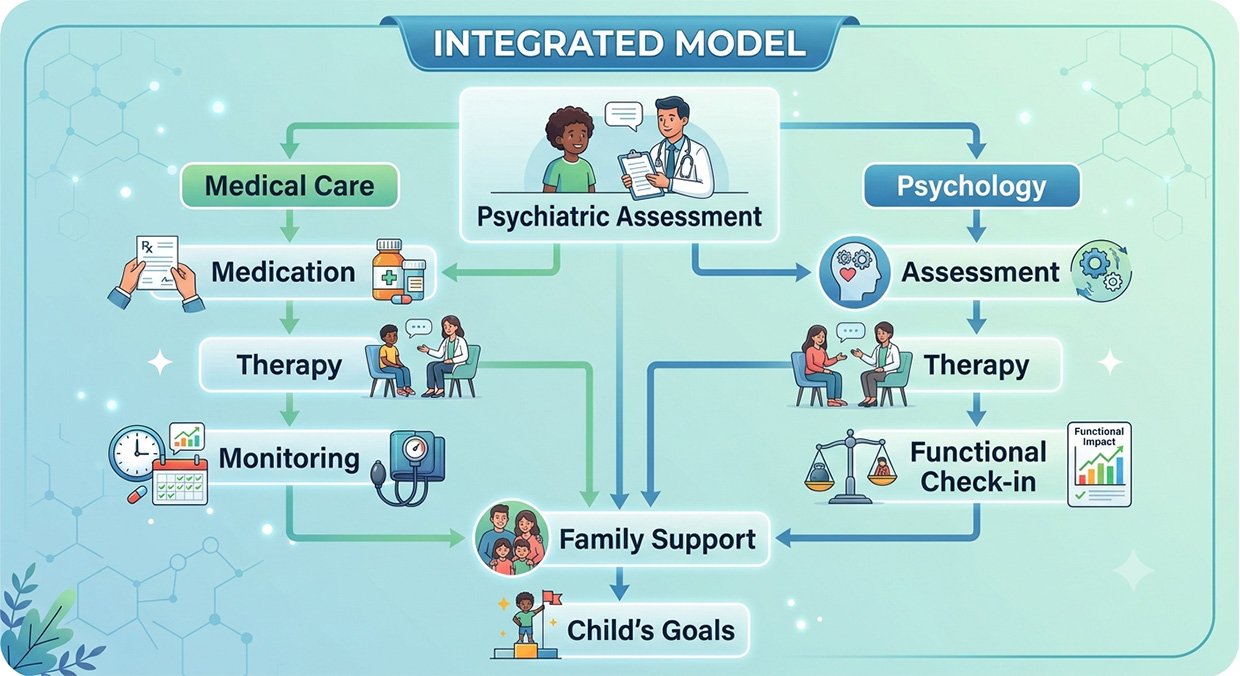
There is a difference between the roles of psychiatrists and clinical psychologists that makes the two roles complementary. A psychiatrist offers a medical and psychiatric evaluation, while a clinical psychologist offers psychological evaluations and interventions. Coordinated care can be useful when a child's needs involve both psychiatric and psychological treatment.
Role Comparison
| Psychiatrist | Clinical Psychologist |
|---|---|
| Medical doctor | Mental health professional with specialist psychology training |
| Psychiatric assessment | Psychological assessment |
| Diagnosis within medical framework | Psychological formulation and assessment |
| Can prescribe medication |
Provides psychological interventions |
| Monitors medication | Delivers psychotherapy |
| Coordinates psychiatric care | Coordinates psychological care |
How Is Treatment Monitored Over Time?
By following up, the practitioner will be able to review symptoms, functioning, the effectiveness of treatment, family issues, problems at school, as well as side effects of medication if any. Treatment may be continued, modified, strengthened, diminished, or referred further based on the progress of the patient.
Follow-up May Review
Symptoms
- Mood
- Anxiety
- Attention
- Behaviour
- Sleep
- Social functioning
Treatment
- Therapy progress
- Homework or behavioural strategies
- Medication response
- Medication adverse effects where applicable
Functioning
- School
- Family
- Friends
- Daily activities
Family
- Parent concerns
- Practical difficulties
- Changes at home
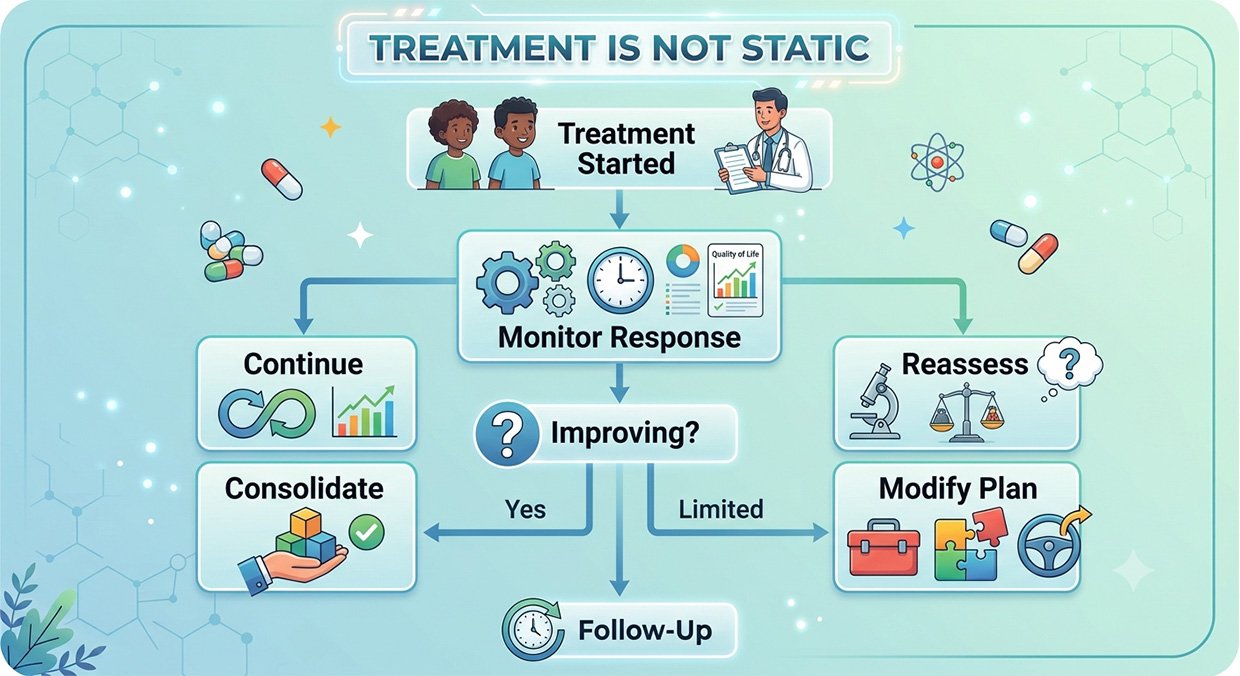
What Happens If the First Treatment Does Not Help Enough?
A lack of significant progress does not automatically imply that there has been a total failure of the treatment method. The therapist might evaluate the diagnosis, formulation of the treatment, compliance with treatment, family/school issues, co-morbid disorders, intensity of treatment, or other interventions that are required. Sometimes, the therapy itself may be modified.
Possible Reasons For Limited Response
The Initial Formulation May Need Revision
The original explanation may not capture all contributing factors.
Another Condition May Be Present
For example:
- Anxiety
- Depression
- ADHD
- Learning difficulties
- Sleep problems
Treatment May Need Adjustment
Possible changes include:
- Different psychological approach
- More intensive intervention
- Parent intervention
- Medication review
- Additional assessment
Environmental Factors May Need Attention
Such as:
- School difficulties
- Family conflict
- Bullying
- Major life changes
Clinical Pearl
If a child fails to progress as expected, the correct thing to do would be to assess and not just escalate treatment automatically. Children and teenagers develop very quickly, and treatment plans must evolve with them.
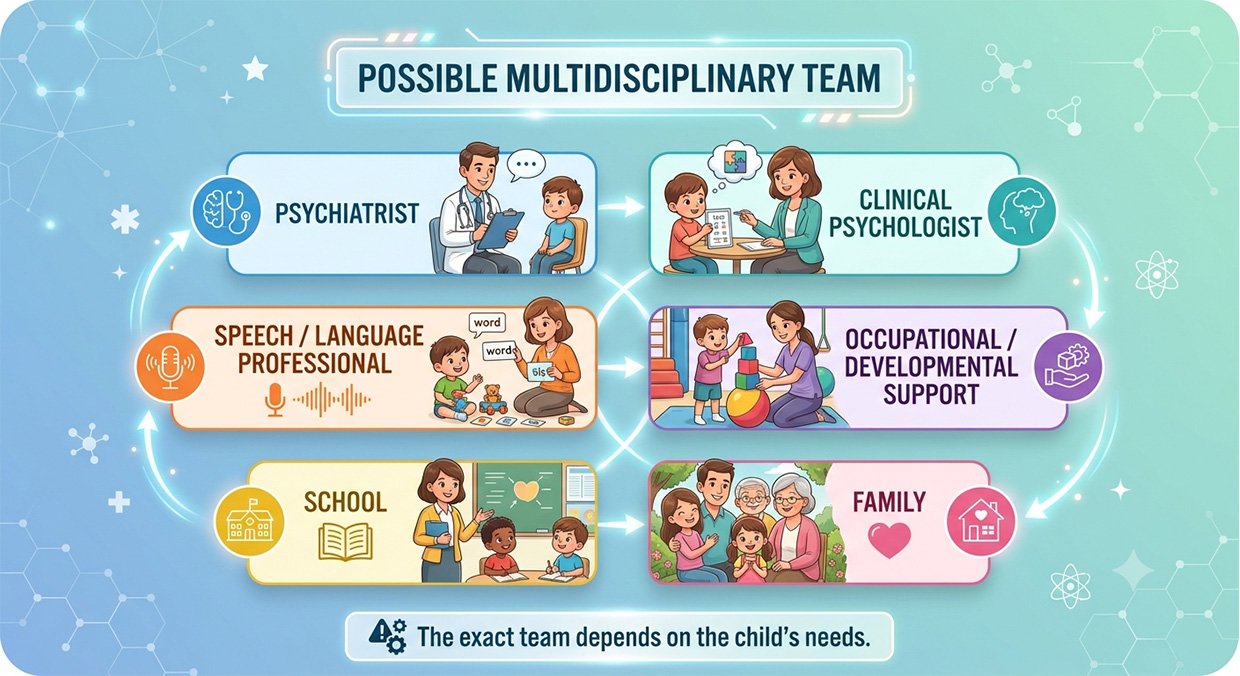
When Does a Child Need Multidisciplinary Care?
Multidisciplinary care may be useful when a child's difficulties involve several domains, such as psychiatric symptoms together with developmental, learning, communication, behavioural, medical, or school-related needs. Depending on the presentation, care may involve psychiatry, clinical psychology, educational professionals, speech and language services, occupational therapy, paediatrics, or other specialists.
Examples
ADHD + Learning Difficulty
Possible team:
Psychiatrist + Psychologist + Educational Support
Autism + Communication Difficulty
Possible team:
Psychiatrist + Clinical Psychologist + Speech/Language Professional
Anxiety + School Refusal
Possible team:
Psychiatrist + Psychologist + Family + School
Depression + Significant Risk
May require:
Psychiatric Care + Psychological Therapy + Family Support + Appropriate Safety Planning
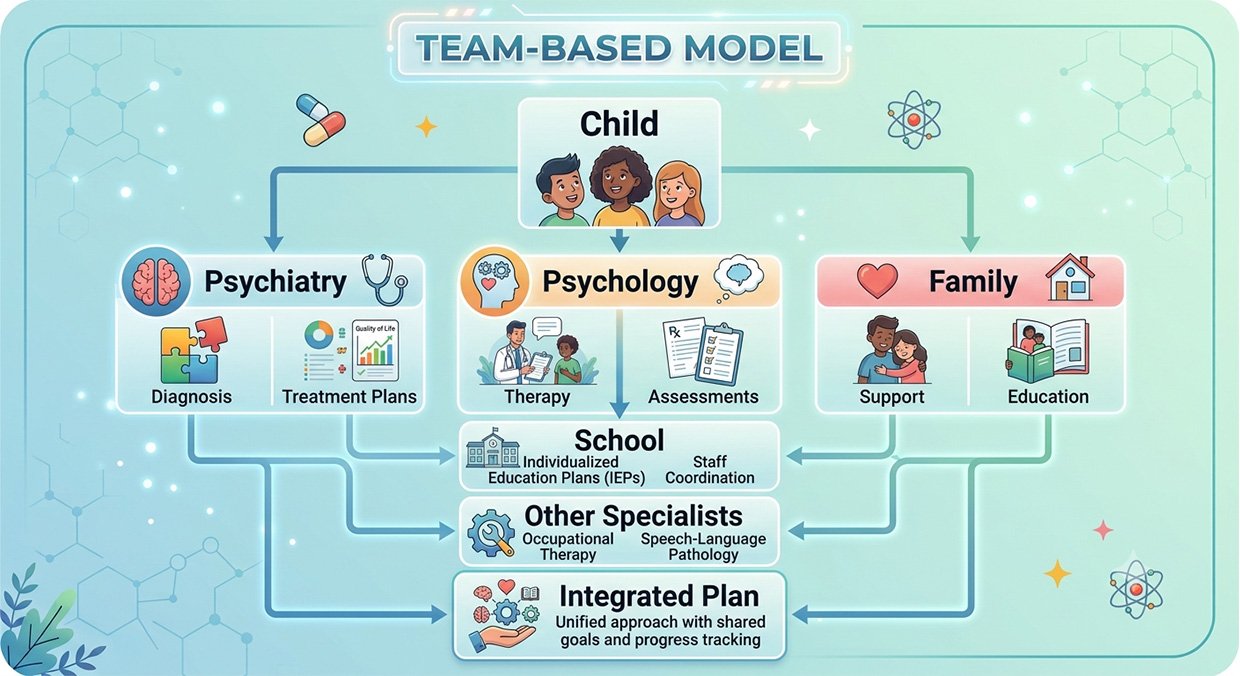
What Happens During Long-Term Child Psychiatric Care?
Long-term care is more interested in tracking the progress, symptoms, functioning, and changes in the condition rather than maintaining an initial diagnosis or prescription. As children become teenagers and teenagers become adults, the treatment goals and extent of the family’s involvement can change.
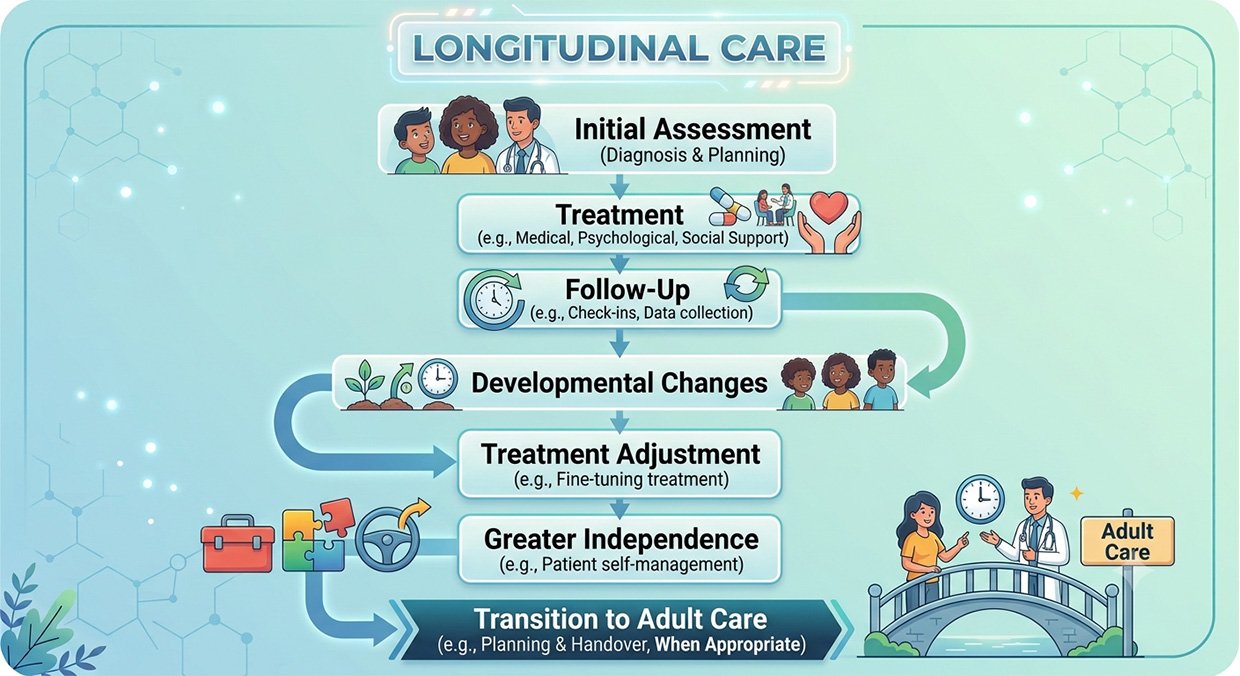
Treatment Goals May Change
Childhood
Focus may include:
- Behaviour
- Development
- School functioning
- Parent support
Adolescence
Increasing focus on:
- Emotional independence
- Peer relationships
- Identity
- Academic pressure
- Risk behaviours
- Treatment participation
Transition Toward Adulthood
Focus increasingly includes:
- Independent decision-making
- Self-management
- Education/work
- Adult mental health services where needed
Looking for Child & Adolescent Psychiatry in Delhi?
Phone:
Why Choose Headspace Mind Clinic for Child & Adolescent Psychiatry?
Mental health care for children and adolescents is most effective if the assessment and treatment process takes into consideration the developmental stage, family circumstances, academic environment, and individual needs of the child. At Headspace Mind Clinic, the treatment of children and adolescents with psychiatry can be combined with clinical psychology and psychological assessment services where required, and thereby the treatment pathway will be individualized for the child.
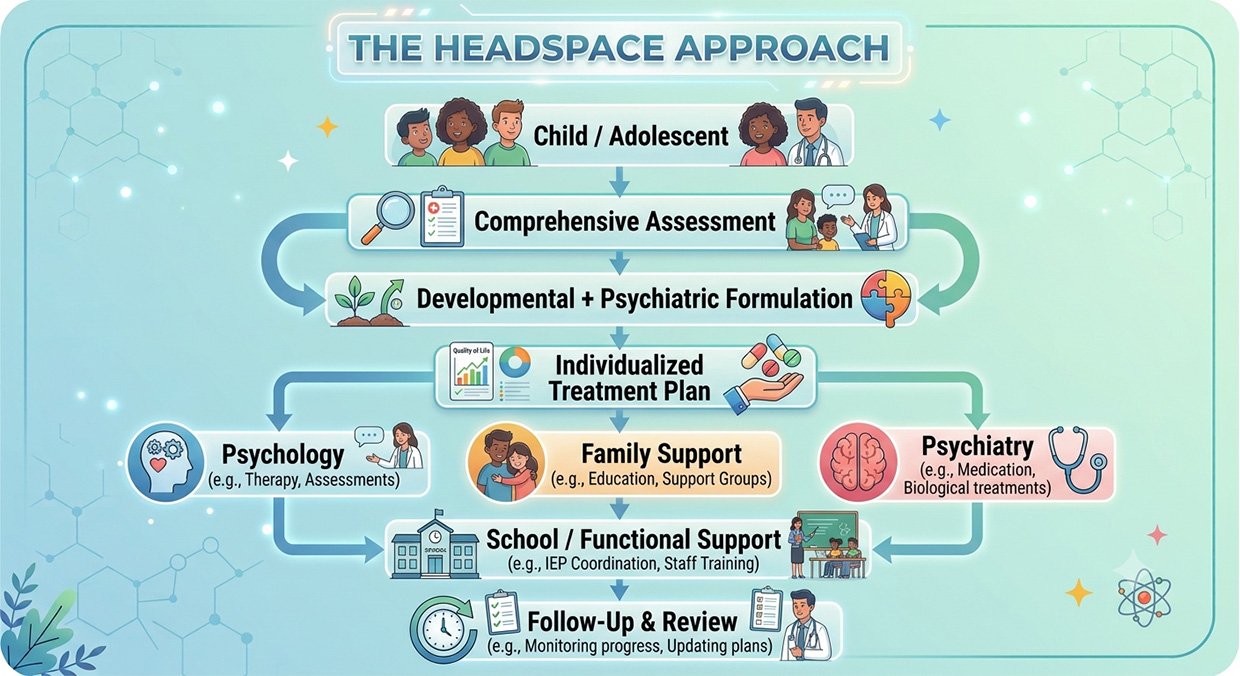
What This Means For Families
Developmentally Informed
Age and developmental stage are taken into account when interpreting symptoms.
Family-Aware
Parents and caregivers are incorporated in an appropriate way without necessarily blaming them for the problem.
Individualized
Treatment is individualized to the child’s clinical needs, rather than the diagnosis.
Integrated
If clinically indicated, the treatment approach for mental health conditions can be integrated with the psychological evaluation and intervention.
Function-Focused
The evaluation takes into account school, interpersonal relations, activities of daily living, and functioning in general.
Clinical Pearl
Diagnosis is only a part of the goal of the evaluation. A good child psychiatric evaluation will provide information for families regarding what might be going on, what might be contributing to their child’s problems, and what needs to be followed.
Who Provides Child & Adolescent Psychiatry at Headspace?
Child and adolescent psychiatric consultations at Headspace should be presented according to the clinicians who are currently providing this service. The psychiatrist assesses psychiatric and medical factors and develops the treatment plan, while clinical psychologists may contribute psychological assessment and therapy when indicated. The exact professionals involved depend on the child's needs.
Dr. Deepak Verma
Founder & Medical Director — Headspace Mind Clinic
Areas Relevant to This Service
- Child and adolescent psychiatric assessment
- Emotional and behavioural difficulties
- ADHD-related concerns
- Anxiety and mood symptoms
- OCD-related concerns
- Developmental and behavioural presentations
- Psychiatric medication when clinically indicated
- Coordination with clinical psychology
Clinical Psychology Team
- Psychological assessment
- Cognitive and behavioural assessment
- Psychotherapy
- CBT
- Behaviour therapy
- Child and adolescent psychological interventions
Important Internal Check
Before publication, make sure to check the number of current child/adolescent clients for each listed clinician.
Do not assume that all listed clinicians offer services in child psychiatry or child therapy without confirmation.
How should Parents prepare for a Child Psychiatry Appointment?
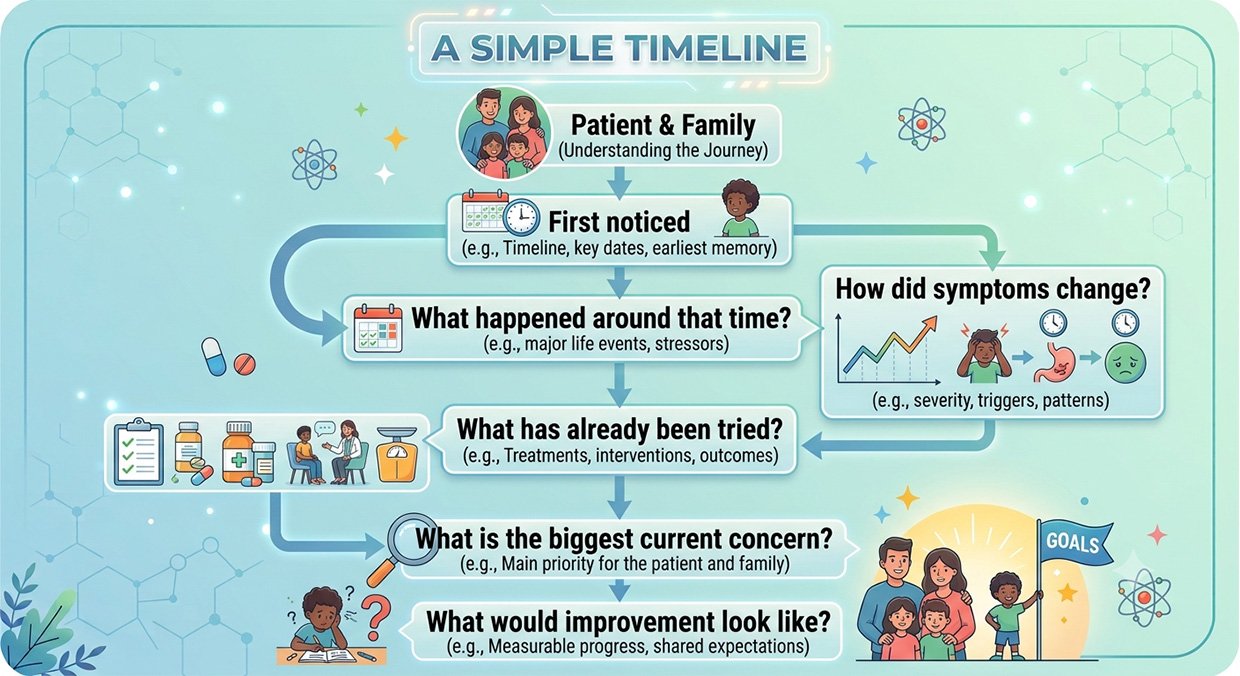
The first meeting can be made more productive for parents by bringing along pertinent medical and psychological history, information about their child's current medications, reports from school, if applicable, and a history of the problem(s). Another tip that can be helpful is for parents to write down instances where they have seen changes in behavior or functioning.
What To Bring
Medical Information
- Previous medical reports
- Current medications
- Previous prescriptions
- Relevant medical history
- Allergy information
Psychological Information
- Previous therapy reports
- Psychological assessments
- Developmental assessments
- Educational assessments
School Information
- Recent school reports
- Teacher observations where relevant
- Academic concerns
- Attendance information
- Behavioural concerns
Your Own Notes
Write down:.
- What changed?
- What makes it worse?
- What have you tried until now?
- When did it begin?
- What makes it better?
- How often does it happen?
- How does it affect daily life?
Should Parents Tell the Child About the Appointment?
Usually, it is advisable to describe the process using age-appropriate terms rather than making it sound like a form of punishment or questioning of the child. The parents can explain to the child that the goal is to get an understanding of the problems that have been arising and how to help with them.
Avoid
❌ “We will take you to see the psychiatrist because you are acting bad.”
❌ “The doctor will determine what is wrong with you.”
❌ “You need treatment because you don’t listen.”
Prefer
Younger Child
"We're going to meet someone who helps children when they are finding things difficult."
Older Child
"We want to know what has been going on and see if there are ways we could make things easier for you."
Adolescent
"We would like you to have the opportunity to speak to someone about your experiences and figure out what kinds of help would be helpful to you."
Clinical Pearl
The appointment needs to be set up in the context of healthcare, not as a punishment. The young person may be more willing to participate if he knows why he is coming to the appointment.
Will My Child Be Judged During the Assessment?
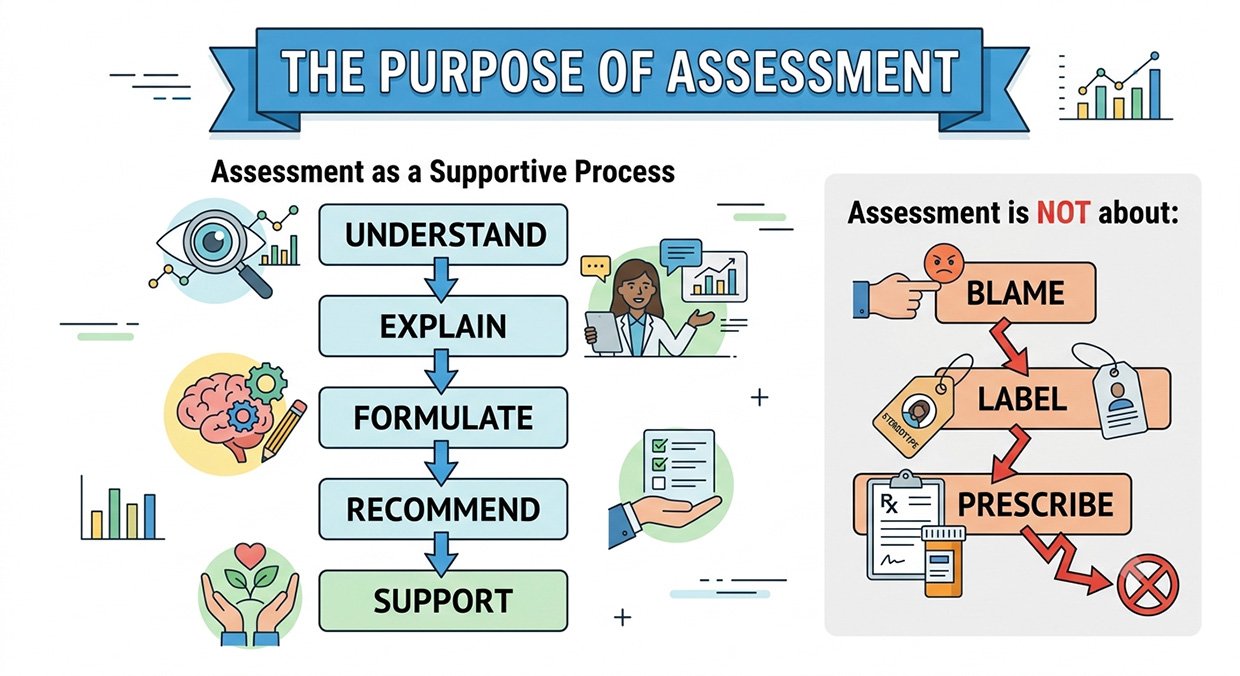
A psychiatric evaluation for children aims at gaining insight into the child and the family as opposed to placing blame. The behavior, emotional problems, family situations, development, school experience, and strengths of the child are taken into account in the evaluation. Parents should feel free to talk about their worries and even ask for clarification when necessary.
This is how the AACAP explains the role of the child psychiatrist – as a partner to the family as opposed to a judging/blaming figure.
How is Confidentiality Handled with Adolescents?
Maintaining confidentiality in adolescent mental health care involves the delicate balance between the privacy rights of the adolescent, parent participation, clinical concerns, and legal and ethical obligations. Confidentiality limits should be made clear to the adolescent in an age-appropriate manner, taking into account instances where information would have to be disclosed for protection.
Why This Is Important
- Bullying
- Relationship difficulties
- Family conflict
- Substance use
- Sexual concerns
- Peer problems
- Self-harm
- Suicidal thoughts
Good Clinical Practice
What Can Remain Private
Routine personal information may be handled confidentially within applicable professional and legal boundaries.
When Information May Need to Be Shared
For example, when there is a significant concern about:
- Immediate safety
- Serious risk of harm
- Safeguarding
- Other circumstances requiring disclosure under applicable law or professional obligations
Important
The exact confidentiality framework depends on the patient's age, circumstances, applicable Indian law, professional requirements, and the nature of the clinical concern.
This section should therefore not make absolute promises of confidentiality
When Should Parents Seek Urgent Mental Health Help?
Urgent evaluation should be done if the child or adolescent poses an immediate danger to themselves or others, if they have attempted suicide, if they exhibit significant behavioral or psychiatric symptoms, if they are in a state of severe confusion, or if they cannot be managed where they currently are. In an emergency situation, it is best if the family seeks out the closest emergency medical service available to them.
Seek Urgent Help For Concerns Such As:
- Suicide attempt
- Imminent suicidal intent
- Severe self-harm
- Threat of serious harm to another person
- Severe aggression that cannot be safely managed
- Marked confusion
- Severe loss of contact with reality
- Extreme behavioural disturbance
- Serious intoxication or withdrawal
- A situation in which the child cannot be kept safe
Important Safety Message
If you have an urgent safety issue, you don’t have to wait for a regular appointment.
The appropriate emergency response depends on the circumstances and local emergency medical services.
What Questions Should Parents Ask a Child Psychiatrist?
The parent can inquire about what the clinician believes may be causing the child’s problems, whether a diagnosis has been made or is still being considered, what treatment plans there are, what their pros and cons are, whether more testing is required, and how progress will be measured. This will facilitate better communication when planning the treatment.
Questions About Assessment
- What’s going on here?
- Is there a diagnosis?
- What other possibilities are being considered?
- Does my child need further assessment?
- Can issues related to sleep, learning, medicine, or development play a role?
QUESTIONS ABOUT TREATMENT
- What kind of treatment are you prescribing?
- Why is this treatment appropriate?
- Are psychological interventions available?
- Is medication necessary?
- What are the alternatives?
- How will we know if the treatment is working?
Questions About Medication
If medicine is prescribed:
- What symptoms is it targeting?
- What benefits should we expect?
- What side effects should we monitor?
- How long might it be needed?
- What happens if it does not help?
- How is follow-up to be arranged?
Frequently Asked Questions About Child & Adolescent Psychiatry
Yes.
Psychological therapy can be administered based on the type of diagnosis and developmental level.
Yes.
There can be some cases that require a combination of therapy and medication.
The parents or caregivers are usually good sources of information, especially if the child is young.
The psychologist may also interview the child or the teen either separately or in conjunction with the family, as per the age of the individual and clinical indications.
Yes.
School data may help determine functioning related to academics, behavior, attention, and socialization when problems emerge in various environments.
No.
It is advised to conduct psychological testing when it helps answer the clinical question.
No.
Concentration problems, hyperactivity, or forgetfulness can be explained by numerous reasons. An adequate assessment takes into account a wider symptom picture and its consequences.
There is no standard length of treatment.
It varies according to diagnosis, degree of severity, developmental level, reaction to treatment, and need.
Where Is Child & Adolescent Psychiatry Available at Headspace?
The final page should display only locations where child and adolescent psychiatric consultations are currently available.
Headspace Mind Clinic — Paschim Vihar
Headspace Mind Clinic — Rohini
Headspace Mind Clinic — Narela
Book a Child & Adolescent Psychiatry Consultation in Delhi
Concerned About Your Child or Teenager?
Phone:
What to Expect From Headspace
1. Understand
We first understand the child's or adolescent's concerns.
2. Assess
Symptoms are considered alongside development, family, school, and functioning.
3. Plan
Treatment options are discussed according to the clinical presentation.
4. Review
Progress and changing needs are reviewed over time.
Medical Review & E-E-A-T
Dr. Deepak Verma
Consultant Psychiatrist & Neuropsychiatrist, Founder & Medical Director, Headspace Mind Clinic
Written By
Headspace Mind Clinic Editorial Team
Medically Reviewed By
Dr. Deepak Verma
Consultant Psychiatrist & Neuropsychiatrist, Founder & Medical Director, Headspace Mind Clinic
Psychology Review
Child-specific psychological intervention sections should additionally be reviewed by the clinical psychologist(s) currently providing child and adolescent psychological services at Headspace.
Last Updated
August 2026
Medical Review Statement
Authoritative References
1. American Academy of Child & Adolescent Psychiatry
For:
- Role of child psychiatrist
- Comprehensive assessment
- Treatment planning
- Medication
- Psychotherapy
- Family and school involvement
2. World Health Organization
For:
- Child and adolescent mental health
- Developmental context
- Early intervention
- Adolescent mental health
Schema Architecture
Primary Schema
MedicalWebPage
Supporting Schema
MedicalClinic Organization BreadcrumbList FAQPage
Person Schema
Use Person schema for the actual psychiatrist and clinical psychologists represented on the page.