
Anxiety Medication Guide
Quick Answer
| Question | Short Answer |
|---|---|
| Is there one anxiety medication for all patients? |
No |
| Class of common long-term drugs | SSRIs / SNRIs |
| Are there any antidepressants available for anxiety? |
Yes, several types are prescribed for anxiety disorders |
| Do they work instantly? | No |
| Do benzodiazepines work fast? |
Yes, however, they have some tolerance and dependence issues |
| Can anxiety be treated without drugs? |
Yes |
| Is it possible to use medications along with cognitive behavioral therapy? |
Yes |
| Is it possible to stop using medications abruptly? | No |
| Is there any one-size-fits-all drug for anxiety? | No |
UNDERSTANDING ANXIETY MEDICATION
What is Anxiety Medication?
The drugs prescribed for the treatment of anxiety and the symptoms associated with the same are called anti-anxiety drugs. The choice of anti-anxiety drugs can depend on the type of anxiety experienced by the patient or whether the patient has any other mental condition along with anxiety.

Anxiety is a symptom.
Anxiety disorders are clinical conditions.
Several anxiety disorders, according to NIMH, include:
- Generalized anxiety disorder
- Social anxiety disorder
- Agoraphobia
- Panic disorder
- Specific phobias
- Other anxiety-related conditions
When is Medication considered for Anxiety?
Medication may become an option if there are persistent, serious, recurrent, or disruptive symptoms. Other factors that will affect treatment decisions include the type of anxiety disorder and whether it is necessary to take medication in that situation.
- Work
- Relationships
- Social functioning
- Physical wellbeing
- Education
- Sleep
- Daily activities
CLINICAL CONTEXT MATTERS
Generalized Anxiety Disorder
This can be treated through psychotherapy and drugs.
Social Anxiety Disorder
SSRIs and SNRIs can be used, while beta-blockers may sometimes be considered for specific physical symptoms associated with performance situations.
Panic Disorder
Medication may be used alongside psychological treatment, particularly CBT and exposure-based approaches.
Specific Phobia
Medication is not necessarily the central treatment; exposure-based psychotherapy often has a more important role.
What types of Medicines are used for Anxiety?
There are several medications that may be administered to the patient suffering from anxiety disorders. The SSRI and SNRI medications are the common medications prescribed for the treatment of anxiety disorders. Benzodiazepine medications may also be used occasionally for short-term use. Other medicines, including buspirone and beta-blockers, have more specific clinical uses.
Main Medication Groups
| Medication Group | General Role | Important Consideration |
|---|---|---|
| SSRIs | Common long-term option for several anxiety disorders |
Usually take time to work |
| SNRIs | Good choice for various anxiety disorders | Medicinal side effects and withdrawal issues |
| Benzodiazepines | Fast relief for anxiety in certain cases | Tolerance and dependency |
| Buspirone | Longer-term treatment option for selected anxiety, particularly GAD | Takes time to work; not an as-needed medicine |
| Beta-blockers | Can reduce certain physical symptoms in specific situations | Not a general treatment for all anxiety |
| Other medicines | Selected clinical situations | Requires individualized assessment |
Are Antidepressants used to treat Anxiety?
Absolutely. Many types of anti-depressants such as SSRIs and SNRIs are usually prescribed to people with various forms of anxiety disorders but which are meant to treat depression and which are actually used to treat depression. These can help to alleviate the constant symptoms of anxiety but which differ from quick acting anti-anxiety medications like the benzodiazepines.
What are SSRIs and how do they help Anxiety?
Selective Serotonin Reuptake Inhibitors (SSRIs) are medications prescribed as an antidepressant that works by increasing serotonin levels. This class of drug is used in treating various types of anxiety disorder, such as generalized anxiety disorder, panic disorder, and social anxiety disorder and should be taken daily.
- Sertraline
- Fluoxetine
- Fluvoxamine
- Escitalopram
- Paroxetine
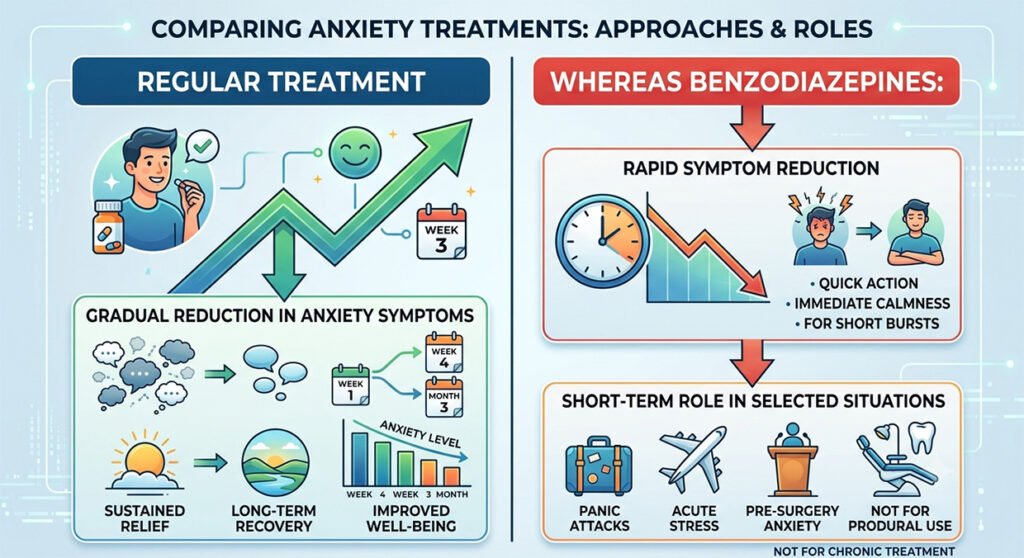
How Ssris Differ From "Quick Relief" Medicines
What are SNRIs and When are they used for Anxiety?
SNRIs are those agents which affect both serotonin and norepinephrine function. They are administered in treating anxiety disorders as well as depression. Such medications can be used if SSRI treatment is contraindicated, if it does not produce sufficient effect, or is poorly tolerated.
- Venlafaxine
- Duloxetine
- Desvenlafaxine
What are Benzodiazepines and Why are they used carefully?
They are tranquilizers and anxiolytic drugs that act fast to provide relief from anxiety. While their fast mode of action may prove beneficial in certain instances, these drugs are not used for regular treatment because of the issues associated with tolerance, dependence, and withdrawal.
- Alprazolam
- Clonazepam
- Lorazepam
- Diazepam
Why Are They Different From Ssris?
| Benzodiazepines | SSRIs |
|---|---|
| Rapid effect | Gradual effect |
| Sedating | Usually not primarily sedating |
| Short-term role in selected cases | Often used for longer-term treatment. |
| Tolerance can develop | Different risk profile |
| Dependence can occur | Not generally considered addictive |
| Withdrawal can occur | Discontinuation symptoms can occur. |
What is Buspirone and Is it used for Anxiety?
Buspirone is an agent that treats generalized anxiety disorder. Different from the benzodiazepine drugs, buspirone does not possess any sedative action, and moreover, buspirone cannot be used when immediate treatment is required. According to the National Institute of Mental Health, it takes several weeks to see the full effect.
Benzodiazepine
Rapid → short-term role
Buspirone
Gradual → regular treatment
Are Beta-Blockers used for Anxiety?
There are cases when beta-blockers could aid in alleviating some of the physical symptoms created by anxiety, for example, palpitations, tremors, and sweating. The mechanism of action of beta-blockers is far more specific than that of antidepressants. They may be considered in selected situations, such as performance-related anxiety.
- Trembling
- Sweating
- Rapid heartbeat
- Shaking voice
A beta-blocker may reduce some physical manifestations.
However:
Elimination of physical symptoms does not equate to treatment of the actual anxiety disorder.
This distinction is particularly important for SEO content because searches for:
“propranolol for anxiety”
should not lead readers to believe it is a universal anxiety treatment.
Is Anxiety Medication the Same for Every Anxiety Disorder?
Not necessarily. The approach to treating various types of anxiety disorders might vary. However, drugs used in the treatment of generalized anxiety disorder, panic disorder, and social anxiety disorder can be the same, although their use is different and based on the individual drug properties. There are certain anxiety disorders where medication isn't used much at all.
Comparison
| Condition | Medication May Be Used? |
Important Treatment Consideration |
|---|---|---|
| Generalized Anxiety Disorder | Yes | SSRIs/SNRIs commonly considered |
| Panic Disorder | Yes | SSRIs/SNRIs commonly used; CBT is also important |
| Social Anxiety Disorder | Yes | SSRIs/SNRIs; specific situations may have different options |
| Specific Phobia | Selected situations | Exposure-based therapy often central |
| Agoraphobia | Yes, depending on presentation | Psychological treatment is important |
| Anxiety with Depression | Yes | Treatment may address both conditions |
| Anxiety with Substance Use | Requires careful assessment | Medication choice may change substantially |
Can Anxiety be treated without Medication?
Indeed. There are other evidence-based treatments besides medication to treat anxiety disorders. For instance, psychotherapy and specifically cognitive behavioral therapy can play a significant role either on its own or in combination with medication, depending on the particular anxiety disorder.
For example, CBT may address:
- Excessive worry
- Catastrophic thinking
- Safety behaviours
- Behavioural patterns that maintain anxiety
- Avoidance
- Panic-related fear
- Social fears
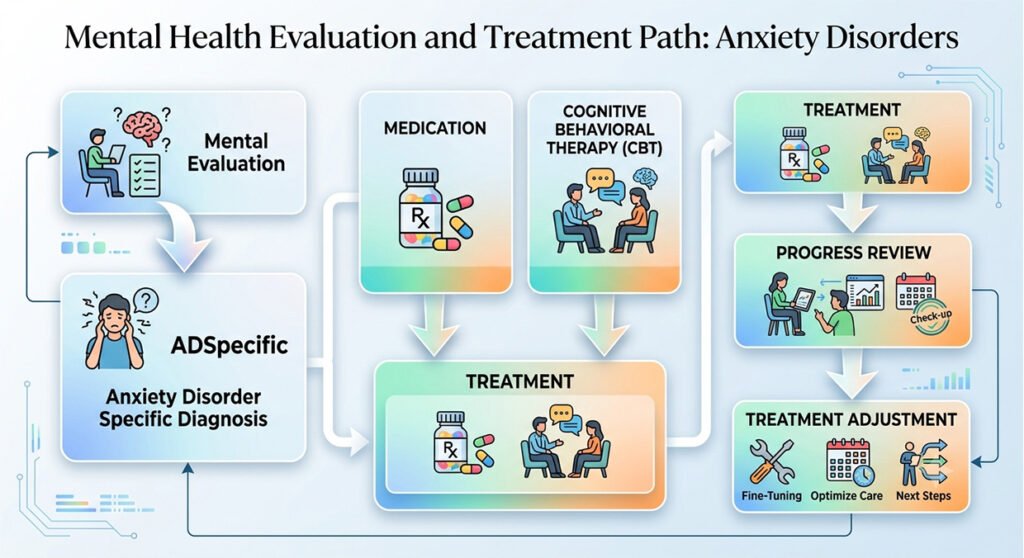
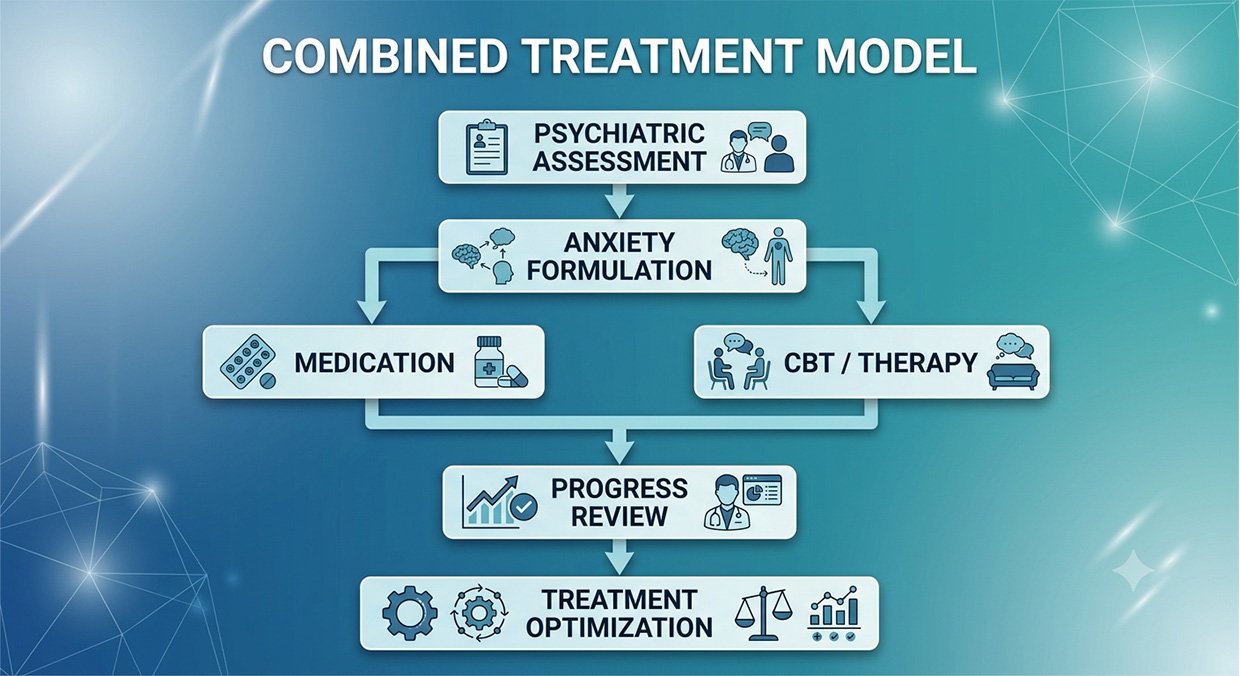
Can Anxiety Medication and CBT be used together?
Yes. In some cases, the use of medication and CBT is appropriate. In fact, medication may help alleviate the severity of anxiety symptoms, but CBT is focused on cognitive patterns that cause anxiety. It all depends on diagnosis, symptom severity, past treatment, and patient’s personal choice.
Combined Care Approach
How does a Psychiatrist choose Anxiety Medication?
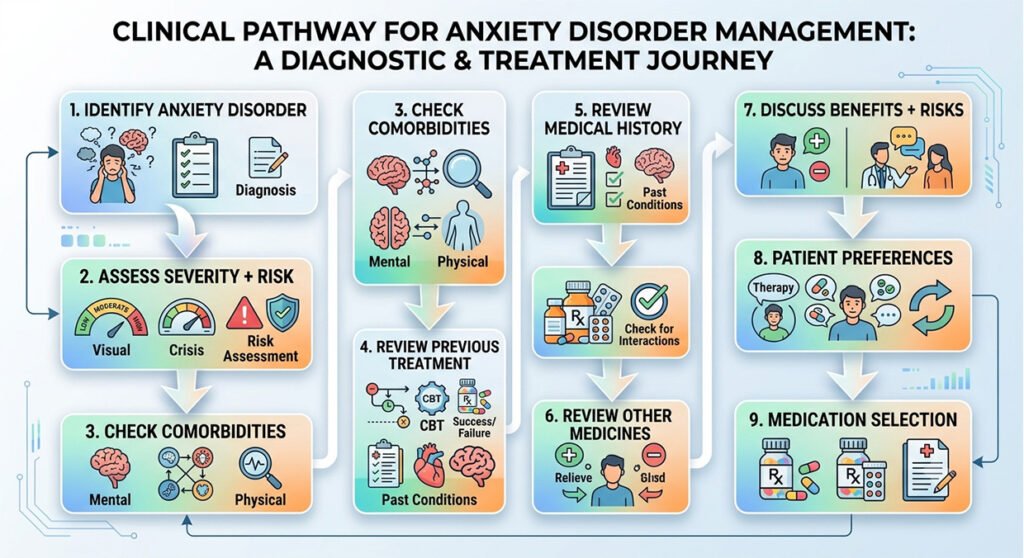
Deciding upon which type of anti-anxiety medicine to prescribe is not limited to merely knowing whether there is an anxiety problem. The psychiatrist would consider the nature of the anxiety disorder, its severity, duration, previous treatment for the disorder, presence of depression or any other disorder, medical history, currently consumed medications, and side effects.
The Clinical Decision Model
Factors That Can Change The Choice
Diagnosis
Generalized Anxiety Disorder (GAD) is different from panic disorder.
Previous Side Effects
Past adverse effects can influence future choices.
Sleep
Insomnia or excessive sedation can be important.
Medical Conditions
Cardiovascular and respiratory ailments among others may affect the treatment process.
Previous Response
A medicine that helped previously may be relevant.
Depression
Coexisting depression may influence medication selection.
Substance Use
Alcohol or sedative use can significantly affect medication safety.
Why is the specific Anxiety diagnosis important before starting medication?
Anxiety is a broad symptom and cannot be said to be a problem with prescription drugs. Severe anxiety, panic disorder, social anxiety, phobia, obsession, trauma-based symptoms, and medically caused anxiety could require a different treatment approach. Correct assessment will minimize the risk of misprescription of medications.
EXAMPLES
Persistent Overwhelming Worries
Could suggest:
Generalized Anxiety Disorder
Frequent Panic Episodes
Could suggest:
Panic Disorder
Anxiety + Intrusive Obsessions
May require assessment for:
OCD
Fear of Social Evaluation
Could suggest:
Social Anxiety Disorder
Fear of a Particular Object or Situation
Could suggest:
Specific Phobia
Anxiety + Elevated Mood / Reduced Need for Sleep
Requires consideration of:
Bipolar Spectrum Disorder
Can Medical Conditions cause Anxiety Symptoms?
Indeed. Some medical conditions, medication, substances, or withdrawal may cause anxiety symptoms. In a psychiatric evaluation, it would also be appropriate to consider any medical history or even conduct a medical evaluation or investigations to see if there might be a contribution from another condition.
- Thyroid disorders
- Medication effects
- Caffeine excess
- Substance withdrawal
- Certain cardiac conditions
- Stimulant use
- Substance intoxication
- Other medical conditions
Do Anxiety Medicines work immediately?
It will depend on the medicine. SSRIs and SNRIs generally take several weeks to begin producing meaningful improvement, whereas benzodiazepines can reduce acute anxiety much more rapidly. Buspirone also requires regular use over several weeks rather than providing immediate as-needed relief.
Expected Time Course
| Medication Type |
General Time Course |
|---|---|
| SSRIs | Gradual |
| SNRIs | Gradual |
| Buspirone | Gradual |
| Benzodiazepines | Rapid |
| Beta-blockers | Rapid effect on some physical symptoms |
This distinction is clinically important because patients may incorrectly conclude:
“My SSRI isn’t working because I don’t feel better after three days.”
NIMH notes that antidepressants used for anxiety may take several weeks to begin working.
What should you expect when starting Anxiety Medication?
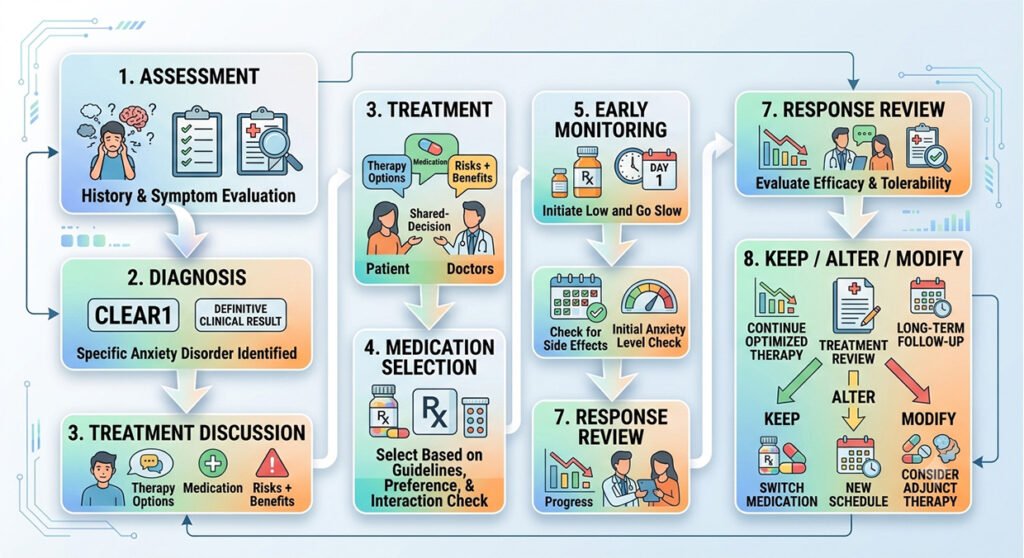
The first process involved in taking anxiety medications involves discussions about the disorder, treatment options, their advantages, any possible side effects, dosage, interactions, and future course of action. There have been reports of some antidepressants causing increased anxiety, agitation, insomnia, and gastrointestinal problems.
Starting Treatment
What Is To Be Discussed?
Expected benefits
What symptoms is the medication treating?
Side effects
What is common and what needs medical attention?
Follow-up
How often should the medication be re-evaluated?
Time course
When should improvement be expected?
Interactions
Can other medications or other substances interfere with the treatment?
Can Anxiety initially get worse after starting Medication?
Anxiety, restlessness, agitation, and insomnia can occur temporarily upon starting some antidepressants for certain people. This might get better with time, but if the symptoms worsen, it should be brought to the attention of your health provider. No drug must be stopped suddenly.
Early treatment
Possible temporary discomfort
Sudden aggravation
Clinical assessment
Continued treatment
Evaluate whether the symptoms have improved
Is there a best medicine for Anxiety?
There is not one form of anxiety medication that works for everybody. Your suitability for either type would depend on various factors, which may include the nature of your illness, your symptoms, past experience, possible side effects, your current health status, medication tolerance, and other risk factors.
A Better Question
Instead of:
“What is the strongest medicine for anxiety?”
Ask:
“What kind of anxiety do I have, and what treatment is most well-supported and suitable for me?”
That is the clinical question this page should encourage.
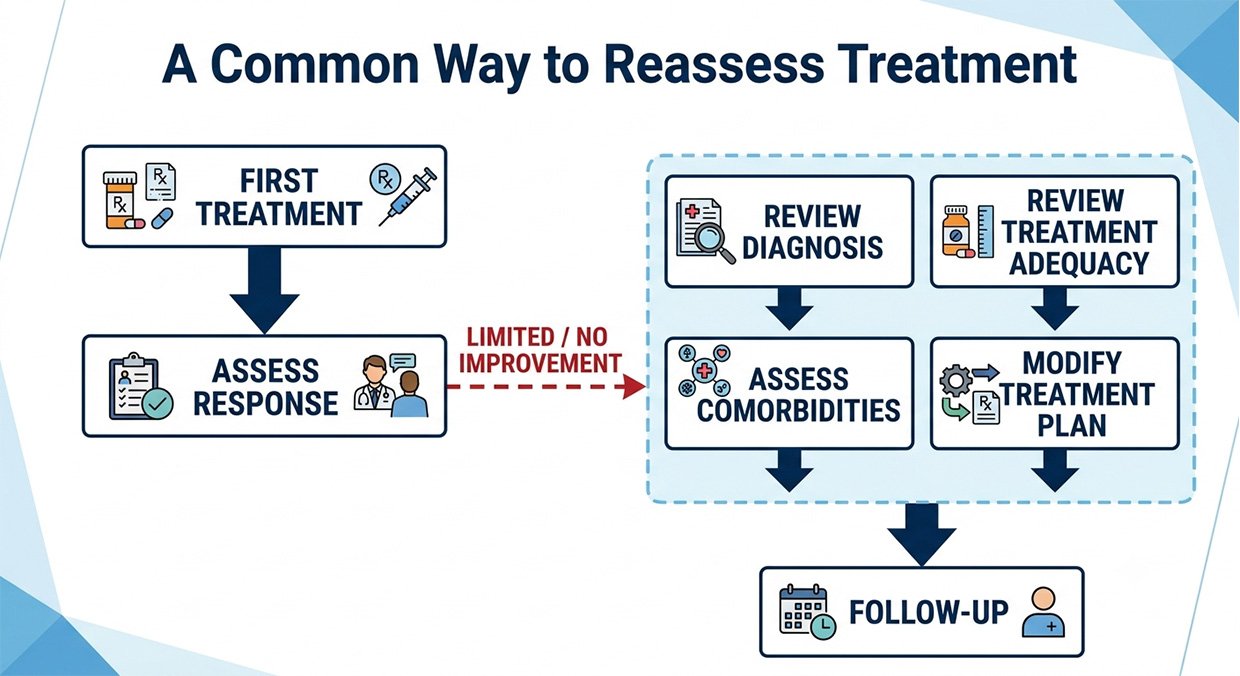
What if the first Anxiety Medication does not work?
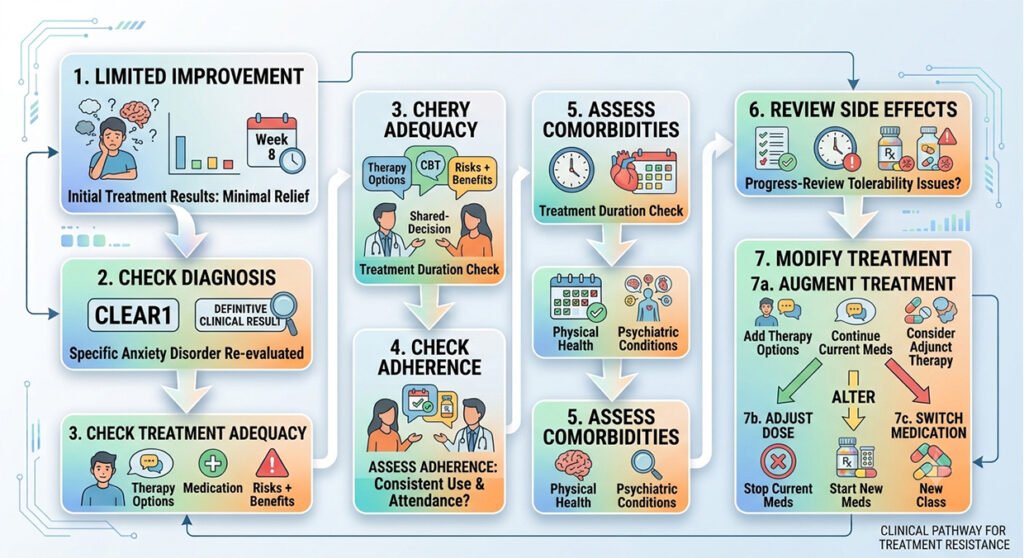
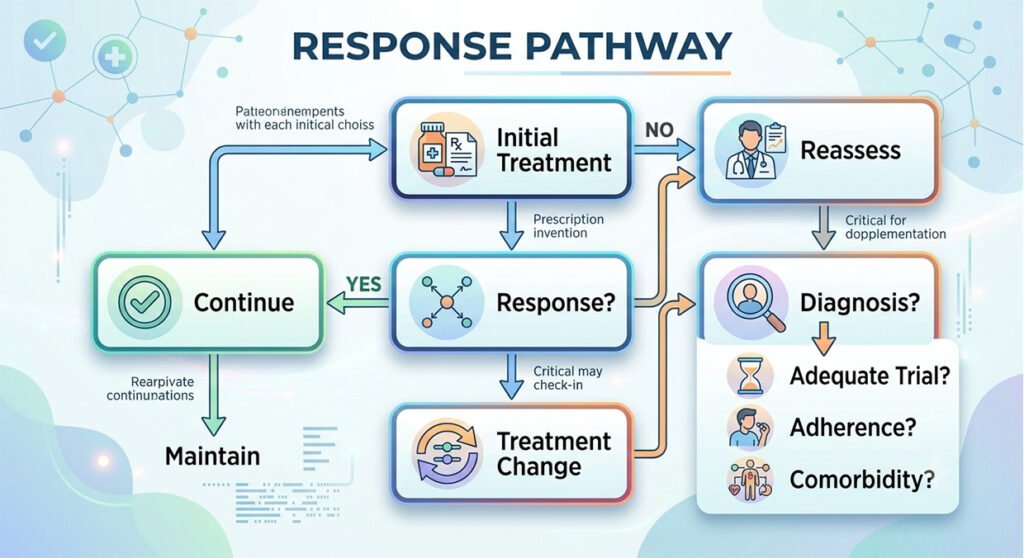
A failure to respond to one form of anxiety medication should not be interpreted as a sign that the treatment has been unsuccessful for good. The doctor can consider different elements prior to prescribing a new drug, psychotherapy, combination therapy, or an alternative treatment strategy.
Review Pathway
How do SSRIs work for Anxiety?
The action mode of these drugs is through inhibition of serotonin reuptake. While they fall under the classification of antidepressants, there are several SSRIs which have been approved for the treatment of different anxiety disorders such as general anxiety disorder, panic disorder, and social anxiety disorder. The drugs need to be administered regularly and it takes time to see any improvements.
Some common examples are:
- Sertraline
- Fluoxetine
- Fluvoxamine
- Escitalopram
- Paroxetine
Nevertheless, all SSRIs are not proven to be effective in every case of anxiety disorders. That distinction is important for patients searching for:
“Best SSRI for anxiety”
A clinically relevant question to ask could be:
Which SSRI would be the best choice for the patient suffering from this particular anxiety disorder?
How do SNRIs work for Anxiety?
In addition to serotonin, neurotransmission of norepinephrine is also affected by SNRIs and these medications can be used for anxiety disorder therapy, other than being used for depression. SNRIs can be used where the SSRI mode of treatment fails to prove effective or becomes undesirable.
- Venlafaxine
- Duloxetine
- Desvenlafaxine
- Diagnosis
- Previous response
- Side-effect profile
- Other medicines
- Medical conditions
- Patient preference
SSRI vs SNRI for Anxiety: Which is better?
There is no best choice for every situation among them. Both SSRIs and SNRIs are evidence-based drugs that may be used to treat some types of anxiety, and the decision should depend on the specific diagnosis, previous experience with the drug, possible side effects, interactions, patient’s medical history, and personal preference.
| Medication Type |
General Time Course |
|---|---|
| SSRIs | Gradual |
| SNRIs | Gradual |
| Buspirone | Gradual |
| Benzodiazepines | Rapid |
| Beta-blockers | Rapid effect on some physical symptoms |
Key point
Do not describe an SNRI as a “stronger SSRI.” They are pharmacologically different medication classes.What is the role of Benzodiazepines in Anxiety Treatment?
The benzodiazepines are fast acting tranquilizers that may prove to be very useful in quickly reducing the high levels of anxiety. Benzodiazepine drugs have potential for tolerance, dependence, and withdrawal symptoms and are hence used with great care, normally on short periods of time and under specific conditions only.
- Alprazolam
- Clonazepam
- Lorazepam
- Diazepam
Why are Benzodiazepines usually not the first long-term treatment for Anxiety?
Nevertheless, although benzodiazepines provide fast relief, they have been found to lead to problems such as tolerance, dependence, and withdrawal with long-term use. Consequently, in many cases, it is suggested by medical professionals that other treatment methods backed up by scientific research be employed instead.
The treatment distinction is:
Acute symptom relief
vs.
Long-term management of the anxiety disorder
Benzodiazepines may have a role in the first situation without being the preferred strategy for the second.
Can Benzodiazepines be used with Antidepressants?
There are times when the doctor may choose to prescribe the patient a dose of benzodiazepine along with an antidepressant, but with caution. The reason could be that of handling acute anxiety until another drug is available, but one needs to weigh up the various hazards of the same.
What is Buspirone used for?
Buspirone is an anti-anxiety medication which is not part of the class of benzodiazepine drugs and can therefore be used for a much longer time in certain selected individuals as a treatment for GAD. Buspirone is not a quick-acting medicine and needs to be consumed every day; according to NIMH, it normally takes 3 to 4 weeks before this medicine starts working.
Buspirone is not like benzodiazepines
| Buspirone | Benzodiazepines |
|---|---|
| Gradual effect | Rapid effect |
| Regular treatment | Often short-term/selected use |
| Not primarily sedating |
Sedating |
| Lower dependence potential than benzodiazepines | Dependence can occur |
| Not an "as-needed" medicine |
Some may be prescribed for acute situations |
What is Pregabalin and When is it used for Anxiety?
Pregabalin can be considered for the treatment of GAD in certain situations especially where there is intolerance to or ineffectiveness of SSRIs and SNRIs. Pregabalin also has its own side effects and potential for abuse and dependence. Therefore, its use should be carefully evaluated and not just regarded as an easily available anti-anxiety medication.
Key considerations
- Previous substance-use history
- Dizziness or sedation
- Other sedating medicines
- Potential misuse
- Kidney function where relevant
- Other medical conditions
Are Beta-Blockers used for Anxiety?
Some physical symptoms that beta-blockers can treat include palpitations, sweating, and shaking. They are used significantly less for the treatment of anxiety disorders compared to antidepressants and are occasionally prescribed only for people suffering from performance anxiety.
- Trembling
- Sweating
- Palpitations
- Shaking voice
- Fear of judgment
- Avoidance
- Catastrophic thoughts
- Social beliefs
- Persistent worry
Which Medication is used for Panic Attacks?
The treatment plan for repeated panic attacks depends on the diagnosis of either having panic disorders, other forms of anxiety disorders, medical problems, or isolated panic attacks. SSRIs and SNRIs are the medications commonly prescribed to patients with panic disorders. Benzodiazepines work quickly to relieve panic attacks, but their use is usually avoided.
Is this:
- An isolated panic attack?
- Social anxiety?
- A substance-related episode?
- Panic disorder?
- Generalized anxiety?
- A medical problem?
What Medication is used for Social Anxiety Disorder?
SSRIs and SNRIs are two medications that are usually prescribed for SAD if there is a need for treatment. On the other hand, beta-blockers could be more suitable in case of performance anxiety because of their ability to alleviate physical symptoms while CBT treats underlying problems.
Social anxiety may involve:
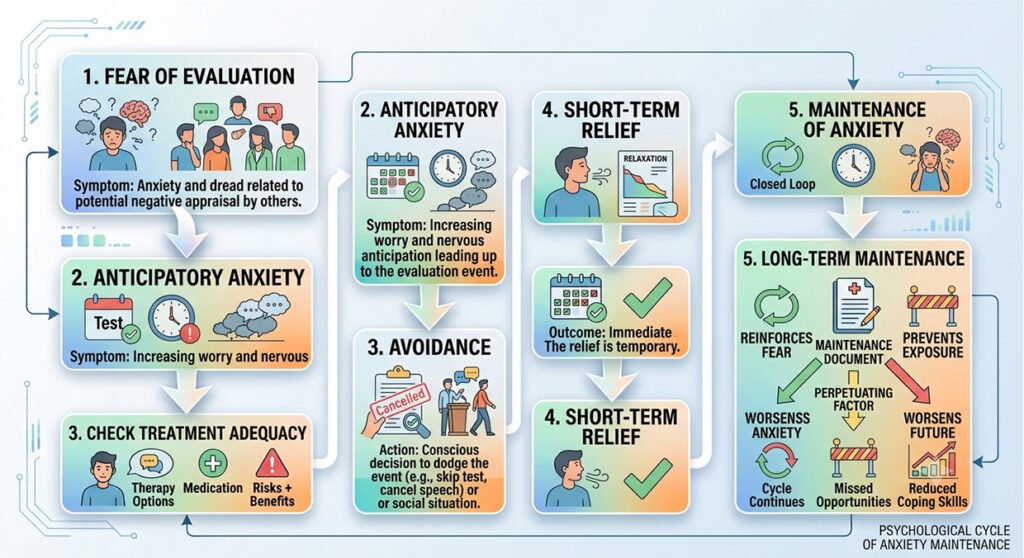
What Medication is used for Generalized Anxiety Disorder?
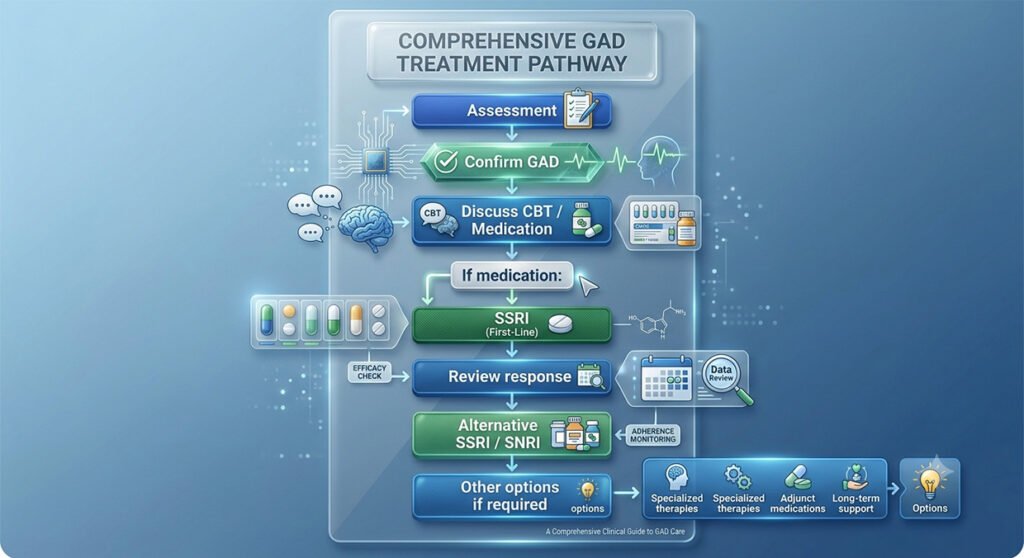
SSRIs and SNRIs are usually prescribed for generalized anxiety disorder management via medication. Buspirone is an alternative for managing GAD, while benzodiazepines are sometimes useful under specific circumstances. NICE recommends an SSRI when drug treatment is chosen and suggests considering an alternative SSRI or an SNRI if the initial SSRI is ineffective.
GAD treatment may therefore involve:
Is Pregabalin an alternative to Antidepressants for Anxiety?
The use of pregabalin may also prove to be effective in some patients suffering from generalized anxiety disorder especially if SSRIs and SNRIs are either not suitable or poorly tolerated by the patient. This drug cannot be recommended as a universal alternative since all its pros and cons have to be taken into account.
This is an important distinction for SEO because searches such as: “pregabalin for anxiety”
can otherwise lead readers to assume it is an appropriate self-selected treatment.
How does a Psychiatrist decide between an SSRI, SNRI, Buspirone or Other Medication?
Medication choice is a clinical exercise in balance rather than the ranking of medications based on effectiveness. The psychiatrist will analyze the patient's anxiety disorder, symptoms, previous treatments, psychiatric disorders, overall health status, medication being taken, medication side effects, substance abuse, and the patient's personal preference.
The Decision Matrix
| Factor | Why It Matters |
|---|---|
| Specific diagnosis | Evidence differs by anxiety disorder |
| Severity | Influences treatment intensity |
| Depression | May influence medication selection |
| Sleep | Some medicines may be more sedating or activating |
| Previous response | Past benefit can guide future choices |
| Previous side effects | Helps avoid repeated problems |
| Medical conditions | Can affect safety |
| Current medicines | Potential interactions |
| Substance-use history | Important for sedative medicines |
| Patient preference | Shared decision-making |
| Cost / access | Can affect adherence |
Does the presence of Depression change Anxiety Medication choice?
Yes. These two diseases occur together, and it is advisable for both to be treated simultaneously. In certain cases, the prescription of a drug that is known to treat both illnesses can be prescribed while psychotherapy can be used to treat common mental functions.
- Excessive worry
- Low motivation
- Loss of interest
- Poor sleep
- Persistent sadness
What if Anxiety is related to Substance Use?
The symptoms of anxiety related to alcohol consumption, drugs such as stimulants, sedatives, cannabis or others need a distinct medical management from those caused by primary anxiety disorders. It is the job of the psychiatrist to first identify the cause of the anxiety before recommending any form of treatment.
- Benzodiazepines
- Pregabalin
- Other sedating medicines
Can Caffeine make Anxiety worse?
Yes. Overdosing on caffeine could increase the severity of symptoms like agitation, palpitation, tremor, and insomnia in some people. Reducing the intake of caffeine can help in overcoming anxiety disorder; however, it cannot be used as a replacement for diagnosis and treatment if there is an anxiety disorder.
- Excessive Worry
- Sleep Problems
- Anxiety Treatment in Delhi
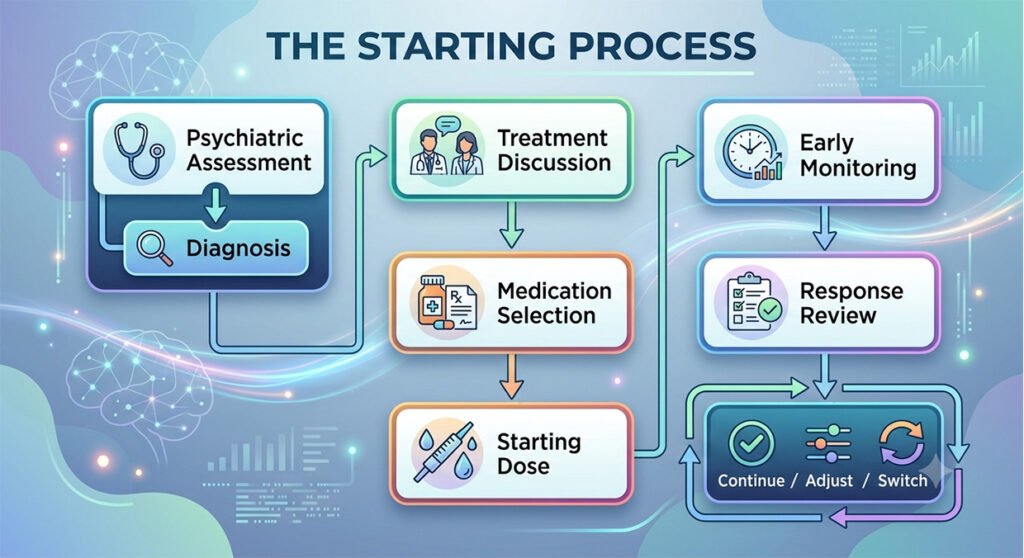
How should Medication be started for Anxiety?
Commencement of anxiety medication will entail verification of diagnosis, discussion of treatment, choice of the right medication, and consideration of drug interaction possibilities. When it comes to some antidepressants, doctors might choose to start with a low dose that can be increased gradually owing to early adverse effects.
How long should an Anxiety Medication trial continue?
The correct duration of a trial period is contingent upon the drug, type of anxiety disorder, dosage, adherence, tolerability, and response. It is common practice for drugs such as SSRIs and SNRIs to take several weeks to show results and to continue past initial symptom relief to minimize relapse.
A patient should not conclude:
“This medicine does not work”
For the first few days, unless there is some clinical rationale for not continuing treatment.
On the other hand, the presence of serious side effects or deterioration warrants an early evaluation.
What if the first Anxiety Medication does not work?
In case where the first medication doesn't give satisfactory results, the psychiatrist should evaluate diagnosis, compliance, duration of therapy, dosage, side effects and co-morbidity before moving to a new therapy regimen. This may involve use of an alternative SSRI, SNRI, other evidence-based medication, psychotherapy or combination of the two.
Can Anxiety Medication be combined with CBT?
Yes. Medication and CBT may both be combined in treatment if required. The role of medication will be to reduce the effects of the symptoms, whereas CBT focuses on anxiety-related worries, avoidance, catastrophizing, safety behaviors, etc.
Medication
May reduce baseline anxiety.
CBT
May teach the person how to:
- Identify unhelpful thinking
- Face feared situations
- Change safety behaviours
- Reduce avoidance
- Manage worry
When is it time to re-evaluate Anxiety Drugs?
The process of medication review should be considered when the symptoms pose high levels of impairment, the side effects pose problems, new medical or psychiatric disorders have been developed, other medications have been added, compliance is difficult, or the patient would like to discuss reduction of medications.
Review Triggers
Clinical response
Is anxiety actually improving?
Side effects
Are adverse effects acceptable?
Comorbidities
Has depression, substance use or another condition emerged?
Functioning
Is the person returning to normal activities?
Dependence risk
Is a sedative medication being used longer than intended?
Patient preference
Does the person want to continue the same treatment?
What Side Effects can Anxiety Medicines cause?
These are reactions such as side effects which are affected by the nature of the drug, dose size, and other drugs taken by the person. Side effects caused by the use of SSRIs and SNRIs may include symptoms of nausea, headaches, insomnia, agitation, or sexual problems, while sedatives may cause drowsiness and poor coordination skills.
Possible effects include:
- Nausea
- Dizziness
- Insomnia
- Gastrointestinal symptoms
- Sexual difficulties
- Fatigue
- Headache
- Sleepiness
- Restlessness
- Changes in appetite
- Sweating
Can Anxiety Medication initially make Anxiety worse?
Anxiety medications that act as antidepressants may, during the initial stages of administration, cause temporary increases in restlessness, agitation, or insomnia. However, the condition may improve once the body gets accustomed to the drug, although in case of serious side effects, one should seek advice from the administering physician.
- SSRIs
- SNRIs
The important distinction is:
Mild, temporary early effects
versus
Significant clinical deterioration
The latter requires assessment.
Do Anxiety Medicines cause Sexual Side Effects?
Certain antidepressants that can be prescribed for treating anxiety might have an impact on sex. Such problems might be a result of anxiety, depression, relationship issues, as well as other drugs. Thus, the reason needs to be identified instead of being automatically blamed on medications.
Sexual symptoms may include:
- Reduced libido
- Difficulty becoming aroused
- Difficulty reaching orgasm
- Changes in sexual satisfaction
Can Anxiety Medication Affect Sleep?
Yes. The use of medications for anxiety may have varying effects on sleep. Antidepressants may have an initial effect on causing insomnia, whereas other medications may induce drowsiness or increase sleeping hours. Anxiety, as such, is usually a major sleep disruptor, and thus the combination of the condition and medication is taken into consideration in assessing sleep.
- How long does it take for you to fall asleep?
- Are you sleeping excessively?
- Has your sleep changed since starting medication?
- Are you waking during the night?
- Do you feel rested?
Can Anxiety Medication cause Drowsiness or Dizziness?
Yes. These symptoms become even more important with regard to drugs that act on the central nervous system, like benzodiazepines and some anti-anxiety drugs, since they may interfere with driving, coordination, and concentration and can be worsened by alcohol and sedative drugs.
- Drivers
- Older adults
- People operating machinery
- People taking multiple sedating medicines
Are Benzodiazepines Addictive?
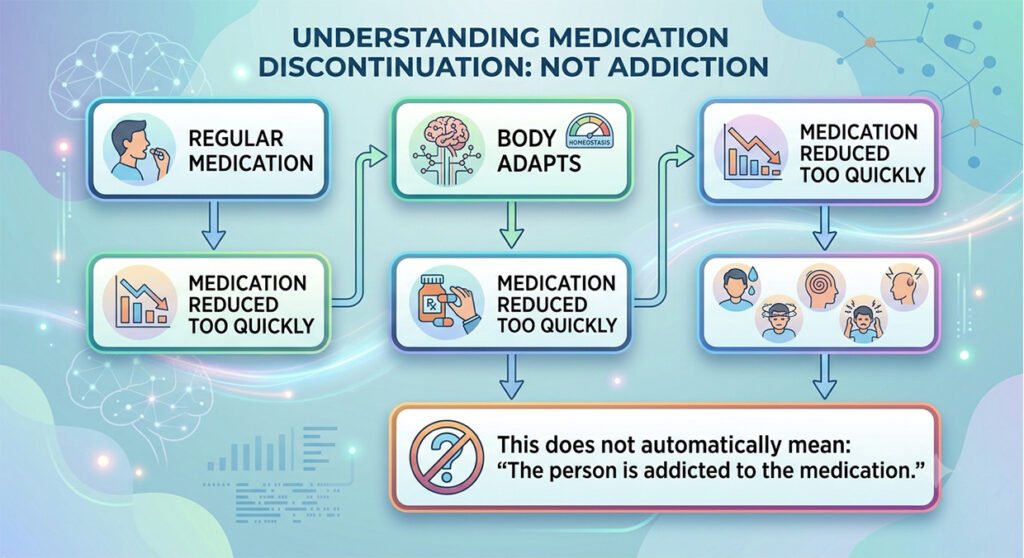
Tolerance and physical dependence are possible with the regular use or long-term use of these medications, but they are not known to be addictive. Yet, dependence and addiction both have medical significance, as the symptoms of withdrawal can be quite significant, and these medications must therefore be taken only under medical supervision.
Tolerance
The dosage may become ineffective over time.
Addiction
A behavior marked by compulsions to use, loss of control and continuous use despite the damage done. Do not use these terms interchangeably.
Physical dependence
The body gets used to the drug, and so a sudden decrease might cause withdrawal effects.
What is Benzodiazepine Dependence?
This means that the body has got used to the presence of the benzodiazepine, and thus if the dosage is reduced abruptly, withdrawal symptoms would be evident. A person can be dependent on a drug even if it is used correctly or without implying that the individual is an addict.
What happens if Benzodiazepines are stopped suddenly?
Symptoms of withdrawal may be experienced as a result of the sudden cessation of using benzodiazepine drug, and such symptoms may involve conditions such as insomnia, irritability, tremor, anxiety, and many more. There could also be serious implications on the health of the patient. Hence, sudden cessation of the use of benzodiazepine is not advisable.
- Increased anxiety
- Irritability
- Sweating
- Sensory symptoms
- Insomnia
- Tremor
- Restlessness
- Physical discomfort
Important
Do not create a public-facing taper schedule.
The exact reduction strategy depends on:
● Medication
● Dose
● Duration of treatment
● Frequency of use
● Previous withdrawal
● Other medicines
● Medical history
The treating clinician should determine the tapering plan.
Can SSRIs and SNRIs Cause Withdrawal Symptoms?
SSRI and SNRI drugs may produce symptoms from abrupt or rapid withdrawal following consistent medication. Such symptoms include dizziness, nausea, insomnia, anxiety, irritability, and sensations not usually experienced. These symptoms may be likely to occur depending on the drug and person.
Discontinuation ≠ Addiction
How should Anxiety Medication be stopped?
Stopping anxiety medication can be a joint decision made between the patient and the prescribing physician. In some cases, gradual withdrawal may be advised because of potential withdrawal symptoms and to differentiate between drug action and relapse of the anxiety disorder itself.
- Why treatment is being stopped
- Relapse risk
- Duration of treatment
- Patient preference
- Current symptom stability
- Medication half-life
- Previous withdrawal symptoms
Can Anxiety Medication interact with other Medicines?
Yes. Anxiety medications may interact with prescription drugs, OTC drugs, dietary supplements, alcohol, and other substances. These interactions may lead to greater sedation, increased bleeding, serotonin side effects, and other medication-related side effects. A complete list of all medicines and supplements should be provided by patients prior to treatment.
Tell Your Psychiatrist About
| Category | Examples |
|---|---|
| Prescription medicines | All regular medicines |
| OTC medicines | Painkillers, cold medicines |
| Supplements | Plant-derived and nutritional supplements |
| Psychiatric medications | Others, antidepressants, mood stabilizers |
| Sleep medicines | Prescription or OTC |
| Migraine medicines | Certain serotonergic medicines |
| Alcohol | Use of regular or excessive amounts |
| Recreational substances | Marijuana, opioids, stimuli, etc. |
Can Anxiety Medication be taken with Alcohol?
Alcohol may interact with some of the medications used to treat anxiety conditions, particularly those which tend to make one sleepy, such as benzodiazepines. Alcohol also enhances the effect of anxiety itself and causes insomnia. Patients need to be completely open about their alcohol consumption with their physician.
- Benzodiazepines
- Sedating medications
- Multiple central nervous system depressants
What is Serotonin Syndrome?
One of the complications that are rare but can occur in this case is the serotonin syndrome. This is caused by the over-activity of the serotonergic pathways mainly in combination with several drugs which affect the level of serotonin. Symptoms of this disorder include agitation, confusion, sweating, tremor, muscular changes, fever, and heart rate changes.
- SSRIs
- Some pain medicines
- SNRIs
- Certain other psychiatric medicines
- Certain migraine medicines
- Some supplements
Can Anxiety Medication Be Used During Pregnancy?
Any choice regarding medicines to use during pregnancy has to be tailored to each patient, as it is possible for either lack of anxiety treatment or the drug itself to lead to some complications. The particular medicine, gestational age, the level of symptoms, past reaction to treatment and other factors have to be taken into account.
Pregnant patients cannot cease taking their medicine abruptly once they realize they are pregnant.
Instead:
Contact your psychiatrist or obstetrician immediately for a personal consultation.
Can Anxiety Medication be used while Breastfeeding?
In certain cases, it may be possible for some anxiety drugs to be prescribed to a nursing mother, depending on several factors such as type of drug, dose of medication, age and health of the baby, severity of the maternal disease, and other alternative forms of treatment available.
- Infant age
- Medication dose
- Prematurity
- Timing of exposure
- Infant health
- Maternal treatment history
Do Older Adults need special consideration with Anxiety Medication?
Yes. The elderly may become more vulnerable to the negative effects of sedation, dizziness, lack of coordination, and drug interaction. When using a sedative such as benzodiazepines, one needs to take great caution due to the possibility of falling and becoming confused.
- Falls
- Cognitive function
- Other medicines
- Balance
- Kidney function
- Alcohol use
- Memory
- Liver function
What about Anxiety Medication in Adolescents?
Aging-appropriate assessment is needed to make a decision regarding medications for children and adolescents. It is vital to consider psychotherapy, specifically CBT, but medication can be considered in selective situations depending on the anxiety disorders. The younger patient needs close monitoring of mood changes, behavior and suicide ideation.
For Headspace, detailed pediatric medication information should link to:
→ Child & Adolescent Psychiatry
rather than making this page a child-prescribing guide.
Can Anxiety Medication Affect Driving?
Some anxiety medicines can impair alertness, reaction time, coordination or concentration, particularly sedating medicines. Patients should understand how their individual medication affects them and follow the prescribing clinician's safety advice before driving or operating machinery. Alcohol can further increase impairment with sedating medicines.
- Benzodiazepines
- Sedating medications
- Medication combinations
What Should I Do If I Miss an Anxiety Medication Dose?
It all depends on what type of medicine is being taken and the period of time that has elapsed since the scheduled time of taking it. It would be advisable not to take a second dose but consult with the prescriber of the medicine or a pharmacist.
This section should remain deliberately general.
We should not publish one universal missed-dose rule because different medications have different instructions.
How should Anxiety Medication be monitored?
Medication monitoring includes evaluating whether there is any progress in terms of improvement in anxiety symptoms and also looking out for any side-effects, non-adherence, interactions, functioning, and psychiatric/medical issues that may have developed.
What Is Monitored?
| Domain | What the clinician may assess |
|---|---|
| Anxiety | Frequency and intensity |
| Functioning | Work, study, relationships |
| Sleep | Quality and duration |
| Mood | Depression or mood changes |
| Side effects | Physical and psychological effects |
| Adherence | How consistently medication is taken |
| Substance use | Alcohol and other substances |
| Safety | Suicidal thinking or severe deterioration |
| Comorbidities | Depression, OCD, ADHD etc. |
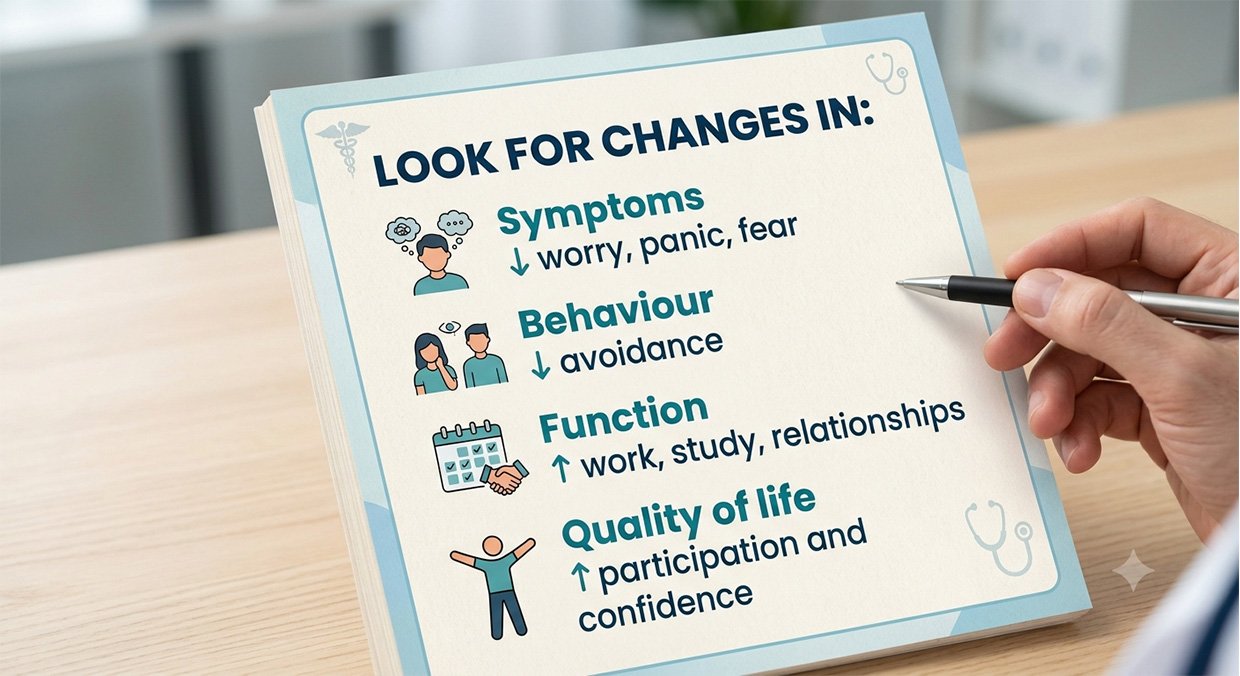
How do you know if Anxiety Medication is working?
Reaction to medication is measured by symptom reduction and enhanced functionality. The psychiatrist may look at whether worry, panic, avoidance, physical anxiety symptoms, sleep disruption and interference with daily life are decreasing rather than relying on a single symptom or the patient's feeling on one particular day.
Signs of improvement may include:
- Less persistent worry
- Better sleep
- Returning to work or social activities
- Fewer panic episodes
- Improved concentration
- Less physical tension
- Reduced avoidance
- Greater confidence
Important
Symptom reduction ≠ complete recovery
A person may feel:
"I am 50% better"
while still experiencing significant avoidance or impairment.
Treatment may therefore continue to focus on functional recovery, not only symptom scores.
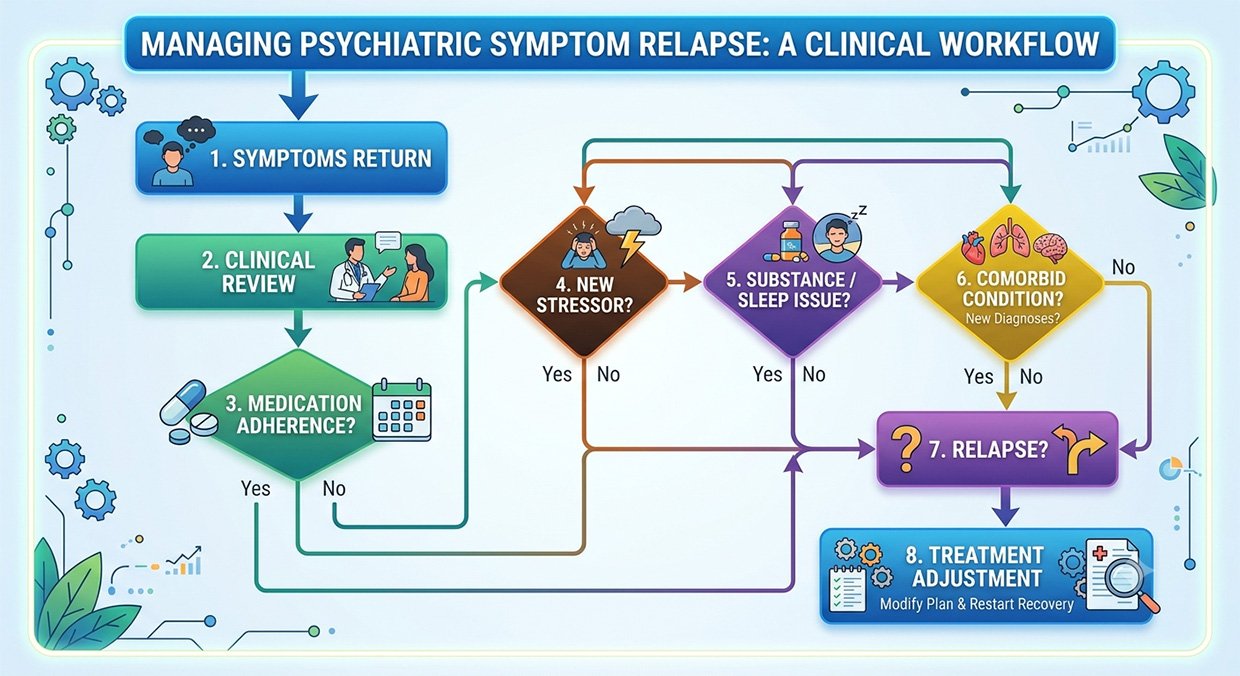
What if Anxiety Medication helps but Anxiety Returns later?
If there is recurrence of anxiety symptoms, it may not be necessary to increase the dosage of medication; it could be an opportunity for re-evaluation. There could have been non-adherence to medication, emergence of new stresses, lack of sleep, consumption of drugs or relapse of the anxiety disorder. Treatment will continue, be changed or even coupled with psychotherapy based on the situation.
Reassessment Pathway
Can Anxiety Medication be used Long Term?
Certain anxiety disorders need long-term therapy especially in cases where their signs remain persistent or recurring. In long-term medication, it does not necessarily mean that treatment is done indefinitely without any assessment. Clinicians must continuously assess the effectiveness of medication, side effects, chances of relapse and if there is a need to explore other options such as psychological intervention and decrease in the use of drugs.
Long-term therapy may be based on:
- Number of previous episodes
- Previous relapse after stopping
- Patient preference
- Severity
- Functional impairment
- Recurrence
- Treatment response
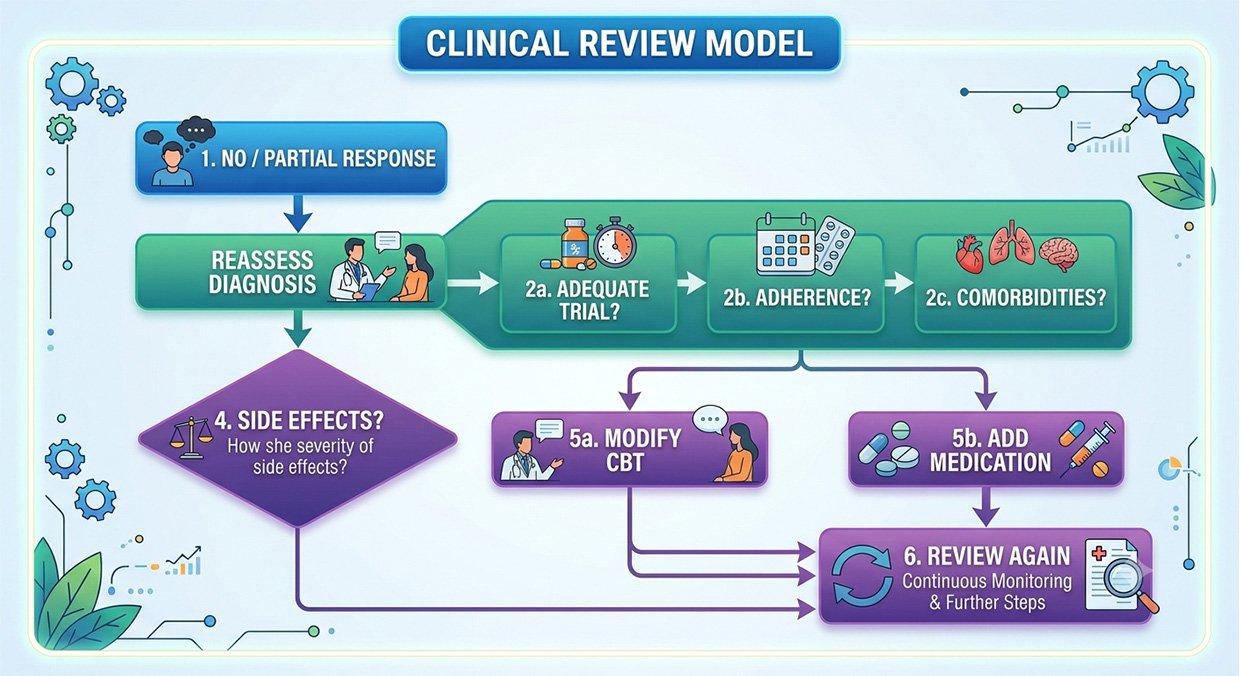
What Happens If Anxiety Medication Does Not Work?
However, in the case of failure to improve sufficiently through medication, the clinician will consider the need to re-evaluate the patient’s diagnosis, treatment appropriateness, compliance issues, and other associated factors. This can involve changing the medication, introducing another therapy such as CBT, or a combination of approaches.
When should you contact your Psychiatrist about Anxiety Medication?
If there is an increase in anxiety, if there are problems with side-effects, problems with medication compliance, if a new drug regimen has been introduced, or pregnancy is involved, you must contact your physician. It is especially important to do so if there are severe cases of agitation, suicide attempts, bizarre behaviour or medication reaction.
Contact your clinician about:
- Persistent side effects
- Sleep deterioration
- Dizziness
- Pregnancy
- Increasing anxiety
- Sexual side effects
- Missed doses
- Desire to stop medication
- New depressive symptoms
- Excessive sedation
- New medications
When is Emergency help needed for Anxiety?
Anxiety is generally not considered a condition that calls for an emergency response, but there are some cases in which a patient suffering from anxiety requires immediate medical or psychiatric attention. Such cases include a threat to commit suicide, serious acts of self-harm, serious confusion or agitation, a serious drug reaction, or serotonin syndrome.
An urgent evaluation may be necessary for:
- Immediate suicidal intent
- Extreme agitation
- Severe withdrawal
- Serious self-harm
- Severe medication reaction
- Dangerous intoxication
- Severe confusion
- Suspected serotonin syndrome
- Imminent risk to another person
Patient Safety Checklist
Before Starting Medication
- Tell the psychiatrist about previous anxiety medicines
- Mention previous side effects
- Provide a complete medication list
- Mention supplements
- Discuss alcohol/substance use
- Mention relevant medical conditions
- Discuss pregnancy/breastfeeding where applicable
- Ask when follow-up is required
During Treatment
- Take medication as prescribed
- Monitor anxiety and functioning
- Report troublesome side effects
- Attend scheduled reviews
- Tell your clinician about new medicines
- Avoid independently changing the dose
- Discuss worsening symptoms promptly
Before Stopping
- Discuss the reason for stopping
- Review relapse risk
- Understand withdrawal/discontinuation risks
- Follow an individualized reduction plan if required
- Arrange follow-up
What if Anxiety Medication does not work?
In case there are insufficient results after taking anxiety medications, the subsequent move will not be the prescription of additional drugs but the re-evaluation of the situation. The psychiatrist needs to re-examine the diagnosis, treatment period, compliance, dosage, side effects, co-morbidity, and psychosocial aspects before proceeding with prescribing another drug or other treatments.
- Was the diagnosis correct?
- Was there enough time to assess response?
- Is depression also present?
- Could there be another psychiatric or medical problem causing the symptoms?
- Was the medication appropriate for this anxiety disorder?
- Was the dose appropriate?
- Is substance use contributing?
- Was treatment taken consistently?
- Were side effects limiting treatment?
- Is sleep significantly impaired?
What Happens If the First Anxiety Medication Fails?
Failure to respond to one medicine doesn’t mean the anxiety can’t be treated at all. Depending on the diagnosis and previous treatment, the psychiatrist may prescribe another SSRI or SNRI, a different medicine, therapy, combination therapy, or a different approach in light of why the first treatment didn’t work.
When Should CBT Be Added to Anxiety Treatment?
For those cases where there is worry, avoidance, catastrophization, fear of having a panic attack, social phobia or compulsive reassurance, among other behaviors, CBT can be included along with the pharmacotherapy. CBT can also be used initially, or as one of the components of combination therapy based on the particular case of the patient.
- Identify unhelpful thinking patterns
- Face feared situations
- Build more adaptive coping strategies
- Reduce avoidance
- Reduce safety behaviours
- Test anxious predictions
- Manage excessive worry
Can Medication and Psychotherapy be used together for Anxiety?
Yes. A combination of medication and psychotherapy is possible when clinically necessary. Medication can help decrease the severity and duration of anxiety symptoms, whereas psychotherapy deals with psychological processes underlying anxiety. Thus, both methods can act as a combination rather than a competition of medication and psychotherapy.
- Persistent
- Associated with depression
- Functionally impairing
- Resistant to one treatment approach
- Avoidance-driven
When is rTMS considered for Anxiety?
rTMS is a non-invasive form of brain stimulation therapy that can be used in certain psychiatric disorders but not others, and in the case of anxiety disorders, rTMS can have a more targeted approach. It should not be presented as a routine replacement for established first-line treatments such as CBT or appropriate medication. Suitability requires specialist assessment.
This distinction is important for Headspace’s architecture.
The rTMS for Anxiety page should contain the detailed evidence, protocols, treatment course, safety considerations and current indications.
This page only needs to establish the relationship.
What if Anxiety is severe or difficult to treat?
In the case of severe or ongoing anxiety, a more extensive evaluation is required rather than an increase in medications. This includes assessing any co-existing depression, OCD, psychological trauma, substance use disorders, insomnia, physical illness and functional impairment.
- Medication optimization
- Combination treatment
- Substance-use assessment
- CBT
- Assessment of comorbid conditions
- Specialist psychiatric review
- Exposure-based treatment
- Sleep intervention
What is Treatment-Resistant Anxiety?
Treatment-resistant anxiety is often defined as anxiety which persists despite proper treatment efforts for the condition. There is not a universally applicable definition for all types of anxiety disorders, and it is up to the clinician to take into account the nature of the diagnosis and other factors before labeling it as treatment resistant.
This is different from:
“The first medicine didn’t work.”
One unsuccessful treatment trial does not automatically establish treatment resistance.
Can Anxiety be caused by another Mental Health Condition?
Yes. Anxiety may be associated with such conditions as depression, obsessive-compulsive disorder (OCD), bipolar disorder, trauma disorders, attention deficit hyperactivity disorder (ADHD), and others. The recognition of the bigger picture is necessary because the treatment will have to be directed at the main condition rather than isolated anxiety.
Possible Overlaps
| Presentation | Condition That May Need Assessment |
|---|---|
| Anxiety + persistent sadness | Depression |
| Anxiety + intrusive thoughts/compulsions | OCD |
| Anxiety + periods of elevated mood | Bipolar disorder |
| Anxiety + trauma symptoms |
PTSD / trauma-related disorder |
| Anxiety + substance use | Substance-related condition |
| Anxiety + marked inattention |
ADHD or another cause |
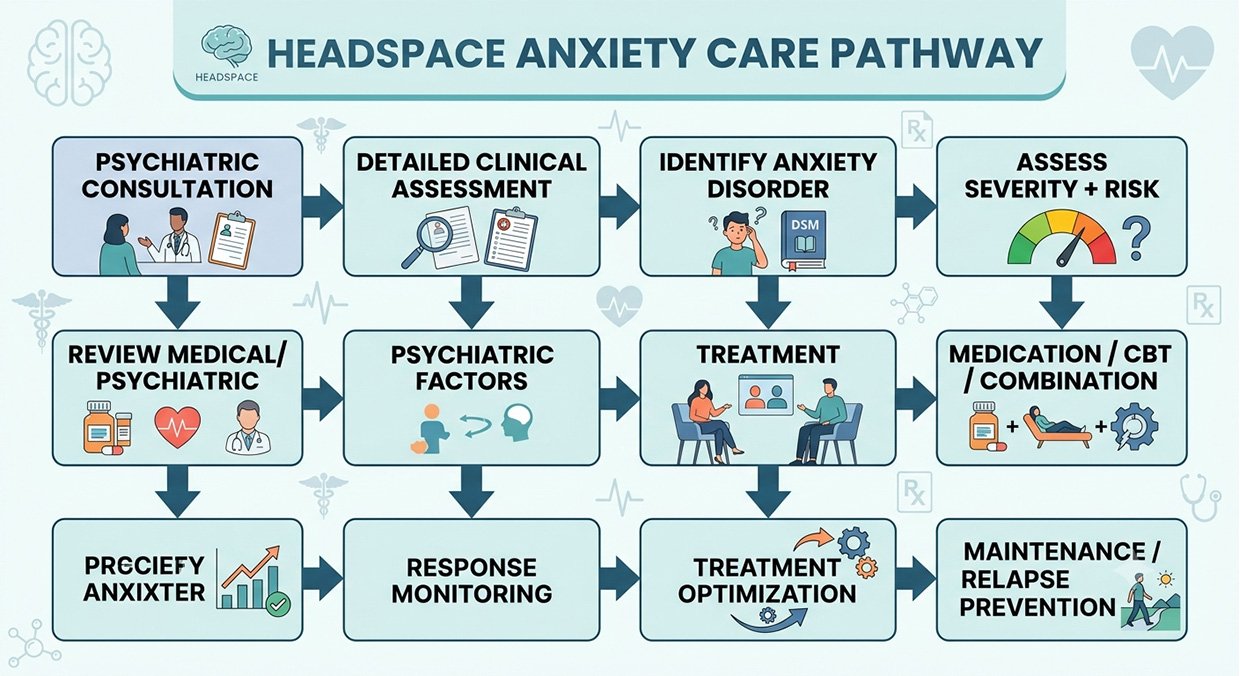
How does Headspace Mind Clinic approach Anxiety Medication Treatment?
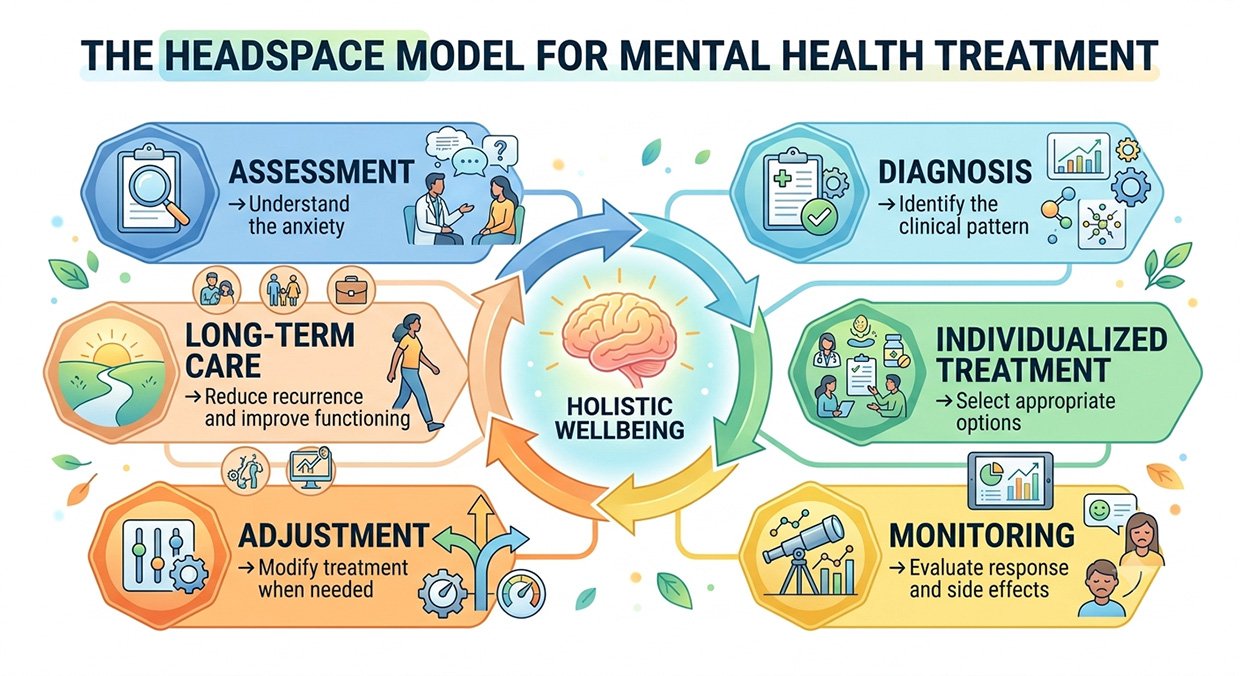
The Headspace Mind Clinic uses a diagnosis of the patient’s need for anxiety medication by way of testing, personalized treatment planning, and the review of the medication. The goal is to diagnose the anxiety disorder and find out how severe it is along with what causes it.
The Core Principle
The objective is not:
"Find an anxiety pill."
It is:
"Identify the cause of the anxiety and choose a suitable treatment option."
Who provides Anxiety Medication Treatment at Headspace?
Medical treatment occurs via psychiatric evaluation and follow-up, where the psychiatrist takes responsibility for diagnosing, deciding on medication appropriateness, and assessing the effects. If necessary, psychiatric treatment can be combined with clinical psychology services for cognitive behavioral therapy (CBT), psychotherapy or other psychological treatments.
Psychiatric treatment can involve:
- Diagnostic assessment
- Medication selection
- Medication monitoring
- Side-effect management
- Treatment adjustment
- Assessment of treatment resistance
- Relapse prevention
Psychological care may include:
- CBT
- Psychotherapy
- Exposure-based approaches where appropriate
- Behavioural interventions
- Relapse prevention
What happens during a Psychiatric Consultation for Anxiety?
The process starts with the evaluation of the symptoms of anxiety along with their duration and the effects they are having. The evaluation will also include a check-up of sleeping habits, mood, panic, obsessive, and drug abuse, along with any past treatments that have been done for the same.
Typical Consultation
01 — Understand the Problem
What symptoms are occurring?
03 — Identify the Anxiety Disorder
Is it:
● GAD?
● Panic disorder?
● Social anxiety?
● Another anxiety disorder?
● Anxiety associated with another condition?
05 — Review Previous Treatment
What has already been tried?
02 — Establish the Pattern
When did they begin? What makes them better or worse?
04 — Assess Severity
How much is anxiety affecting daily life?
06 — Discuss Options
Medication, CBT, psychotherapy, combination treatment or other options.
07 — Establish Follow-Up
How will response and safety be monitored?
What should I bring to an Anxiety Medication Consultation?
A list of all current and prior medications, any past records relating to the medical history, any psychiatric or psychological evaluations, prior responses to treatment, and adverse reactions should be taken along. You should also take down any symptoms experienced, changes in sleep pattern, panic attacks, substance abuse, and any questions for the psychiatrist.
Helpful information
- Current medicines
- Previous side effects
- Psychological reports
- Other medicines or supplements
- Sleep pattern
- Previous treatment response
- Previous anxiety medicines
- Previous psychiatric prescriptions
- Relevant medical conditions
- Alcohol/substance use where relevant
- Panic attacks
How often should Anxiety Medication be reviewed?
The frequency of follow-ups is determined by the diagnosis, medications, phase of therapy, seriousness, side effects, and risk in the clinical setting. Follow-up appointments become relatively significant when there is a change in medication; however, for stable patients, follow-up appointments do not need to occur as frequently.
Early treatment
Monitor:
- Side effects
- Initial anxiety
- Adherence
- Mood changes
- Safety
Stabilization
Monitor:
- Symptom improvement
- Functioning
- Medication tolerability
Long-term treatment
Monitor:
- Continued benefit
- Relapse
- Adverse effects
- Ongoing need for medication
How do I know if my Anxiety Treatment is working?
An effective anxiety therapy would not just be about providing symptom relief in the short term. Rather, it could result in having lower levels of excessive worrying, panic attacks, avoidance, sleeping problems, lack of concentration and low self-esteem.
Frequently Asked Questions About Anxiety Medication
When Should I See a Psychiatrist for Anxiety?
A psychiatric consultation can be recommended when a person suffers from an anxiety disorder that does not resolve despite self-treatment, when it affects his job and social life and causes him panic attacks and insomnia or when he avoids situations because of fear.
Consider an assessment if
- Worry is difficult to control
- Panic attacks recur
- You avoid social situations
- Symptoms are worsening
- Previous medication has not helped
- Medication side effects are troublesome
- Anxiety persists for weeks or months
- Anxiety affects work or studies
- Sleep is significantly affected
- Anxiety and depression occur together
- You are considering medication
Why choose Headspace Mind Clinic for Anxiety Treatment?
Headspace Mind Clinic provides a combination of psychiatric evaluation along with psychological therapy alternatives; hence, enabling anxiety to be treated as a disease rather than just a symptom that needs medicine. Treatment could include one of several methods such as medication management, CBT, Psychotherapy, and others depending on the patient’s requirements.
Book an Anxiety Medication Consultation in Delhi
Unsure Whether You Need Anxiety Medication?
You do not need to decide which medication to take before consulting a psychiatrist. A clinical assessment can help determine:
- What type of anxiety you may be experiencing
- Whether combined treatment may be useful
- Whether medication is appropriate
- Whether another psychiatric or medical condition is contributing
- Whether CBT or psychotherapy may be sufficient
- How treatment should be monitored
Phone:
Related Anxiety Treatment Services
Anxiety Treatment in Delhi
Comprehensive assessment and treatment options for anxiety disorders.
Cognitive Behavioural Therapy
A structured psychological treatment for worry, avoidance, panic and other anxiety-related difficulties.
rTMS for Anxiety
A specialized neuromodulation service that may be considered in selected clinical circumstances.
Psychiatric Consultation
Assessment and individualized treatment planning for anxiety and other mental health conditions.
Psychotherapy
Evidence-based psychological treatment that may be used alone or alongside medication.
Related Anxiety Conditions and Symptoms
Conditions
- Anxiety Treatment in Delhi
- Panic Disorder Treatment in Delhi
- OCD Treatment in Delhi
- Depression Treatment in Delhi
Symptoms
- Excessive Worry
- Overthinking
- Panic Attacks
- Sleep Problems
E-e-a-t / Medical Review
Written by: Headspace Mind Clinic Editorial Team
Medically reviewed by: Headspace Mind Clinic Advisory Board
Last Updated: August 2026
Medical disclaimer: This content is intended for general educational purposes and does not replace individualized psychiatric or medical assessment. Psychiatric medicines should be started, changed, combined or discontinued under appropriate clinical supervision.
Primary authoritative sources
- NIMH — Anxiety Disorders: overview of anxiety disorders and treatment
- NIMH — Mental Health Medications: medication classes, antidepressants, benzodiazepines and other psychiatric medications.
- NICE — Generalised Anxiety Disorder and Panic Disorder in Adults: pharmacological and psychological treatment recommendations, medication switching and benzodiazepine