
Depression Treatment in Delhi
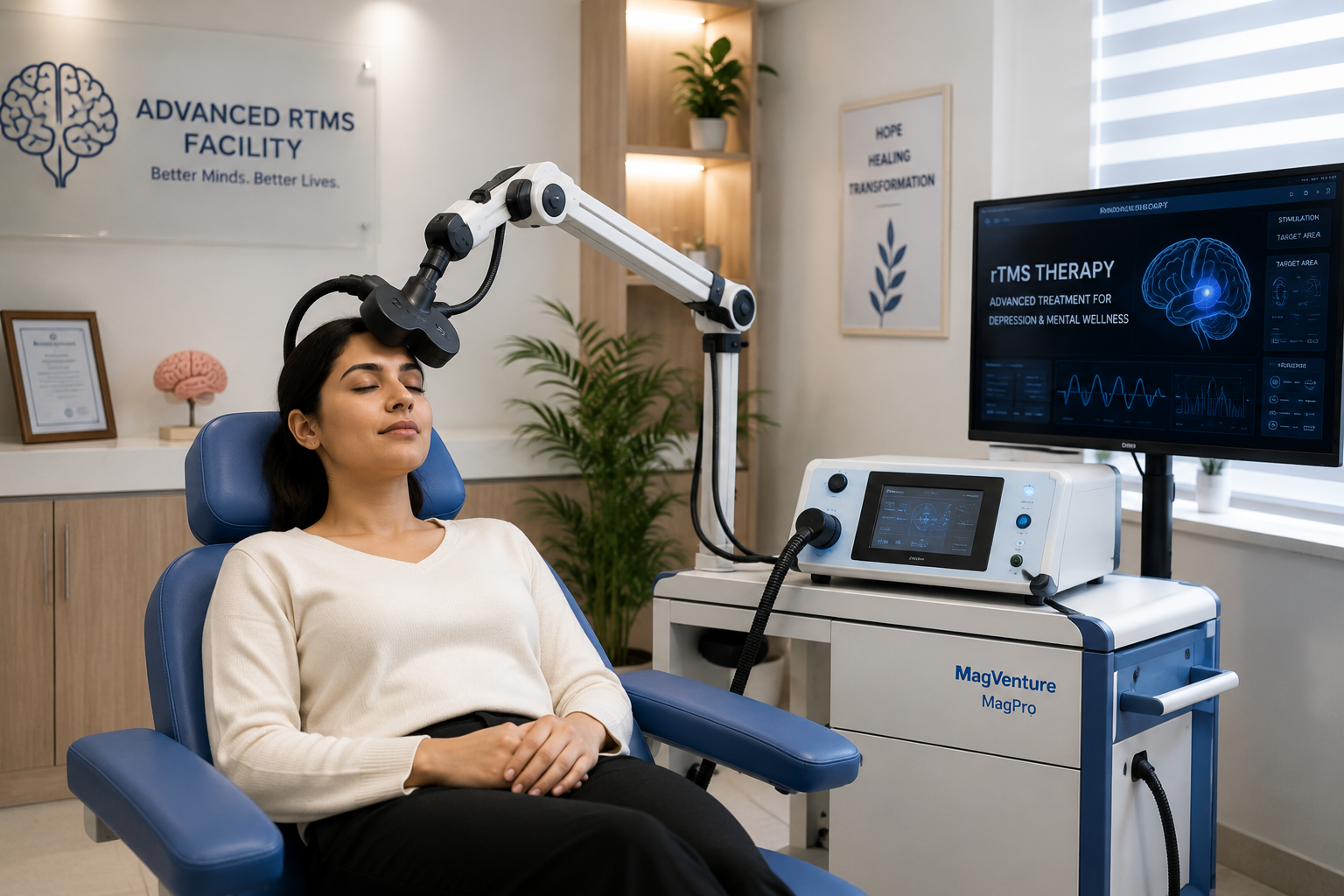
Depression is one such common and curable mental disorder that is associated with disturbances in the cognitive process, mood, behavior, sleep, and quality of life. At Headspace Mind Clinic, we provide clinically tested depression treatment in Delhi. It consists of psychiatric evaluation, psychotherapy, medicine, and repetitive transcranial magnetic stimulation (RTMS).
Trust Signals




Quick Facts Card
| Condition | Depression |
|---|---|
| Treatment Success | High with timely intervention |
| Consultation | Psychiatrist / Clinical Psychologist |
| Advanced Treatment | RTMS Available |
| Location | Delhi NCR |
What Is Anxiety?
Anxiety is an emotion caused by natural reaction to either stress or fear. But then whenever the sensation of fear persists for a certain amount of time, at a particular intensity level and affects one’s daily activities such as work, social interactions, even sleep, it becomes known as an anxiety disorder.

Depression, medically known as Major Depressive Disorder (MDD), is one of the most common mental health disorders worldwide. It is characterised by persistent low mood, loss of interest or pleasure in activities, reduced motivation, changes in appetite or sleep, fatigue, impaired concentration, feelings of guilt or worthlessness, and, in some individuals, thoughts of death or suicide.
Unlike temporary sadness that follows everyday disappointments, depression persists for at least two weeks and often much longer. It affects how a person thinks, feels, and behaves, making even routine activities such as getting out of bed, going to work, or interacting with family members feel overwhelming.
Depression is not a sign of weakness, laziness, or lack of willpower. It is a recognized medical condition involving complex interactions between genetic predisposition, brain chemistry, psychological factors, life experiences, and environmental stressors.
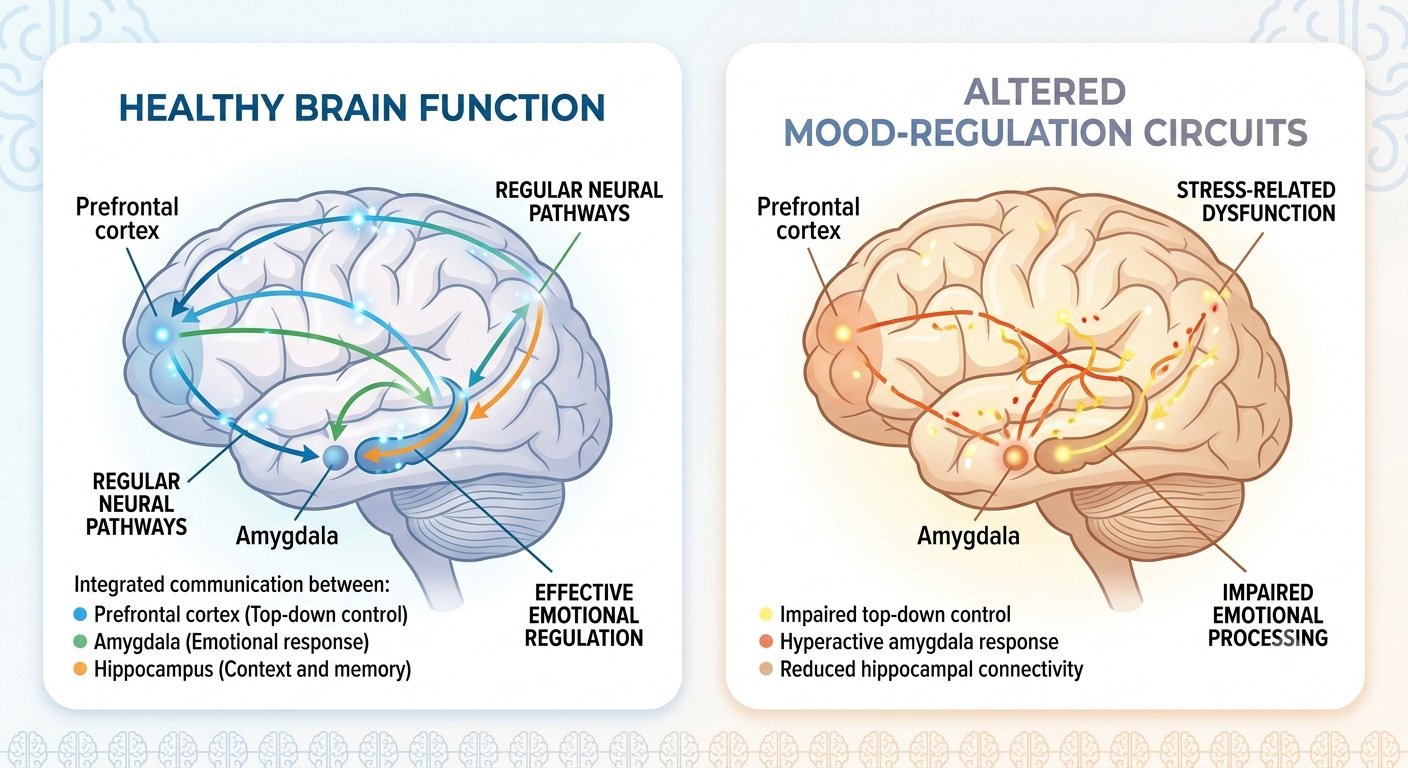
Research suggests that depression is associated with changes in brain circuits involved in emotional regulation, particularly within the prefrontal cortex, limbic system, hippocampus, and amygdala. Modern treatments aim to restore healthy brain function through medications, psychotherapy, behavioral interventions, and, in selected cases, neuromodulation techniques such as Repetitive Transcranial Magnetic Stimulation (rTMS).
Early diagnosis and treatment improve outcomes significantly. Many individuals experience meaningful recovery and return to productive, fulfilling lives with appropriate care.
Is Depression Different From Feeling Sad?
✓ Yes
Feeling sad is a normal human emotion that usually improves with time or after the stressful event resolves.
Depression, however, is a persistent medical condition that continues for weeks or months, affects multiple areas of life, and often requires professional treatment.
Depression vs Normal Sadness
| Normal Sadness | Depression |
|---|---|
| Temporary | Persists for weeks or months |
| Triggered by a specific event | May occur with or without an obvious trigger |
| Person can still enjoy some activities | Loss of interest in almost everything |
| Improves with time | Often worsens without treatment |
| Does not usually impair daily functioning | Significantly affects work, relationships, and self-care |
Clinical Pearl
Many people delay seeking treatment because they believe they should "snap out of it." Depression is a medical condition, not a character flaw. Early intervention often leads to better outcomes and reduces the risk of complications.
“Depression is treatable. Seeking help early can significantly improve recovery, quality of life, and long-term wellbeing.”
What Are the Symptoms of Depression?
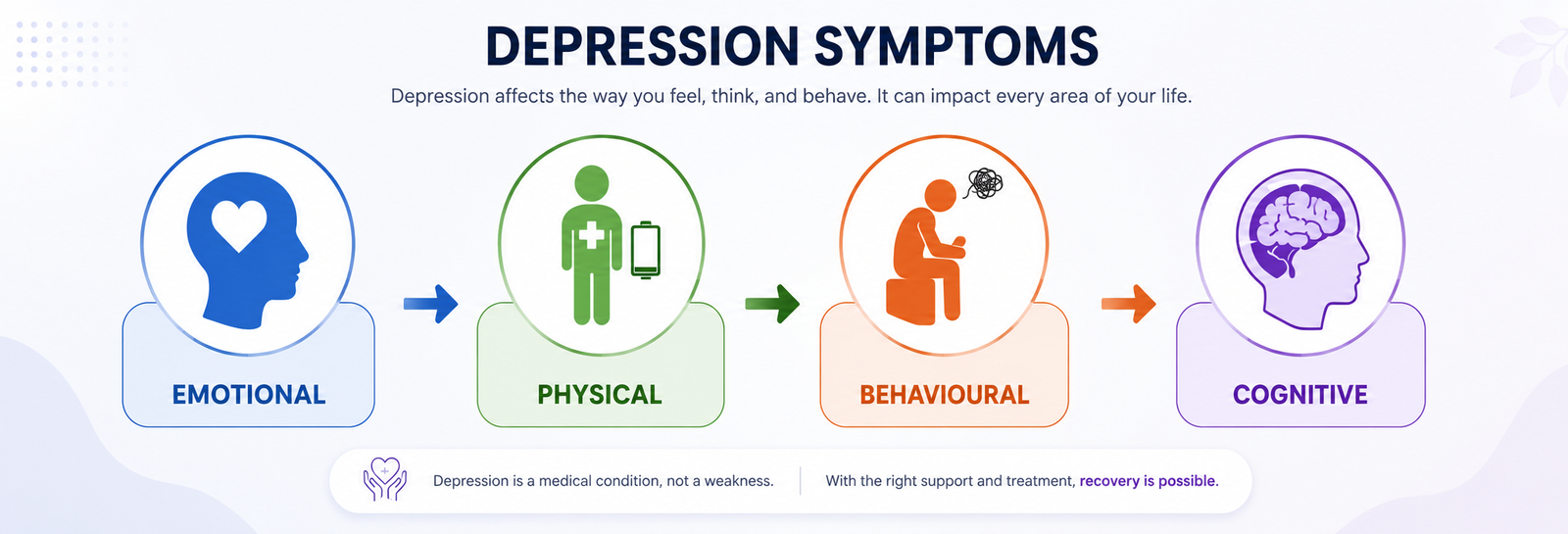
Depression symptoms affect emotional, physical, cognitive, and behavioural health. While sadness is common, depression usually involves persistent low mood, loss of interest in previously enjoyable activities, fatigue, sleep disturbances, poor concentration, feelings of hopelessness, and changes in appetite or weight lasting at least two weeks and interfering with daily life.

Depression presents differently in different individuals. Some people primarily experience emotional symptoms, while others notice physical complaints such as fatigue, headaches, digestive disturbances, or unexplained body aches.
Symptoms often develop gradually, making them easy to overlook. Family members frequently notice behavioural changes before the individual recognizes them.
The diagnosis of depression is not based on one symptom alone. Instead, psychiatrists evaluate the overall pattern, severity, duration, and impact on functioning.
Emotional Symptoms
People with depression may experience:
- Persistent sadness
- Feeling emotionally empty
- Hopelessness
- Frequent crying
- Feeling guilty without reason
- Irritability
- Feeling numb
- Low self-esteem
- Loss of motivation
- Reduced enjoyment in hobbies
Physical Symptoms
Many patients initially visit physicians because of physical complaints rather than emotional symptoms.
Common physical symptoms include:
- Constant fatigue
- Reduced energy
- Sleep disturbances
- Increased sleeping
- Difficulty falling asleep
- Early morning awakening
- Appetite changes
- Weight gain
- Weight loss
- Headaches
- Digestive discomfort
- General body pain
Cognitive Symptoms
Depression affects thinking.
Patients may notice:
- Difficulty concentrating
- Poor memory
- Slow thinking
- Indecisiveness
- Negative thoughts
- Excessive self-criticism
- Reduced productivity
Behavioural Symptoms
Behavioural changes often include:
- Social withdrawal
- Missing work
- Reduced personal hygiene
- Avoiding friends
- Loss of interest in relationships
- Increased alcohol use
- Reduced physical activity
Common Symptoms of Depression
| Symptom Category | Examples |
|---|---|
| Emotional | Sadness, hopelessness, guilt |
| Cognitive | Poor concentration, indecisiveness |
| Physical | Fatigue, appetite changes, sleep disturbance |
| Behavioural | Social withdrawal, reduced productivity |
| Severe Symptoms | Suicidal thoughts, inability to perform daily activities |
Clinical Note
Depression does
✘ not
always look like sadness.
Some individuals mainly experience:
- irritability
- unexplained body pain
- lack of motivation
- excessive sleep
- inability to concentrate
This is particularly common among adolescents, older adults, and working professionals.
Seek Immediate Medical Help If:
● You have thoughts of suicide.
● You have attempted self-harm.
● You are hearing voices.
● You believe people are trying to harm you without evidence.
● You are unable to eat or drink.
● You are unable to care for yourself.
● Family members are concerned about your safety.
These situations require urgent psychiatric assessment.
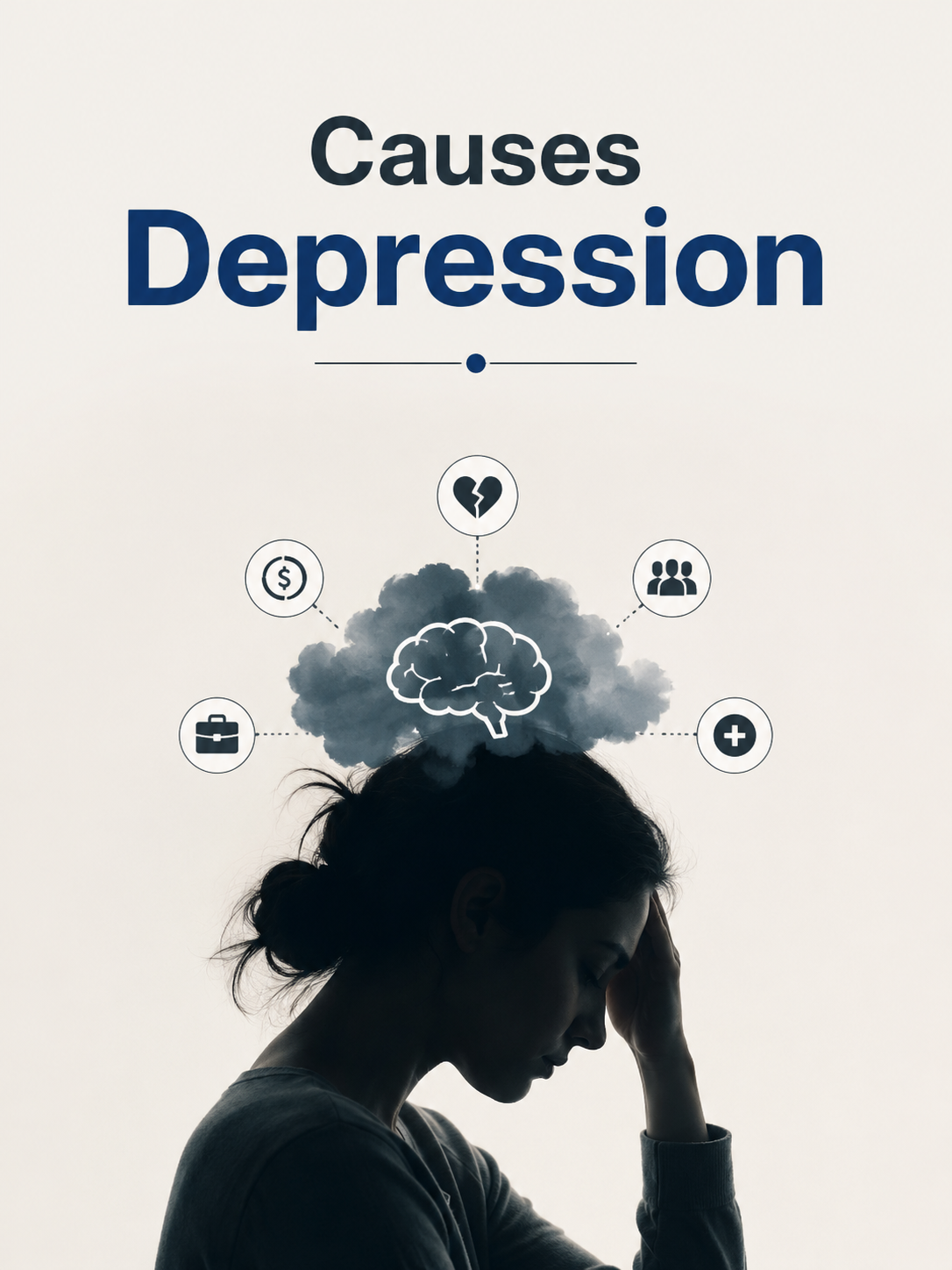
What Causes Depression?
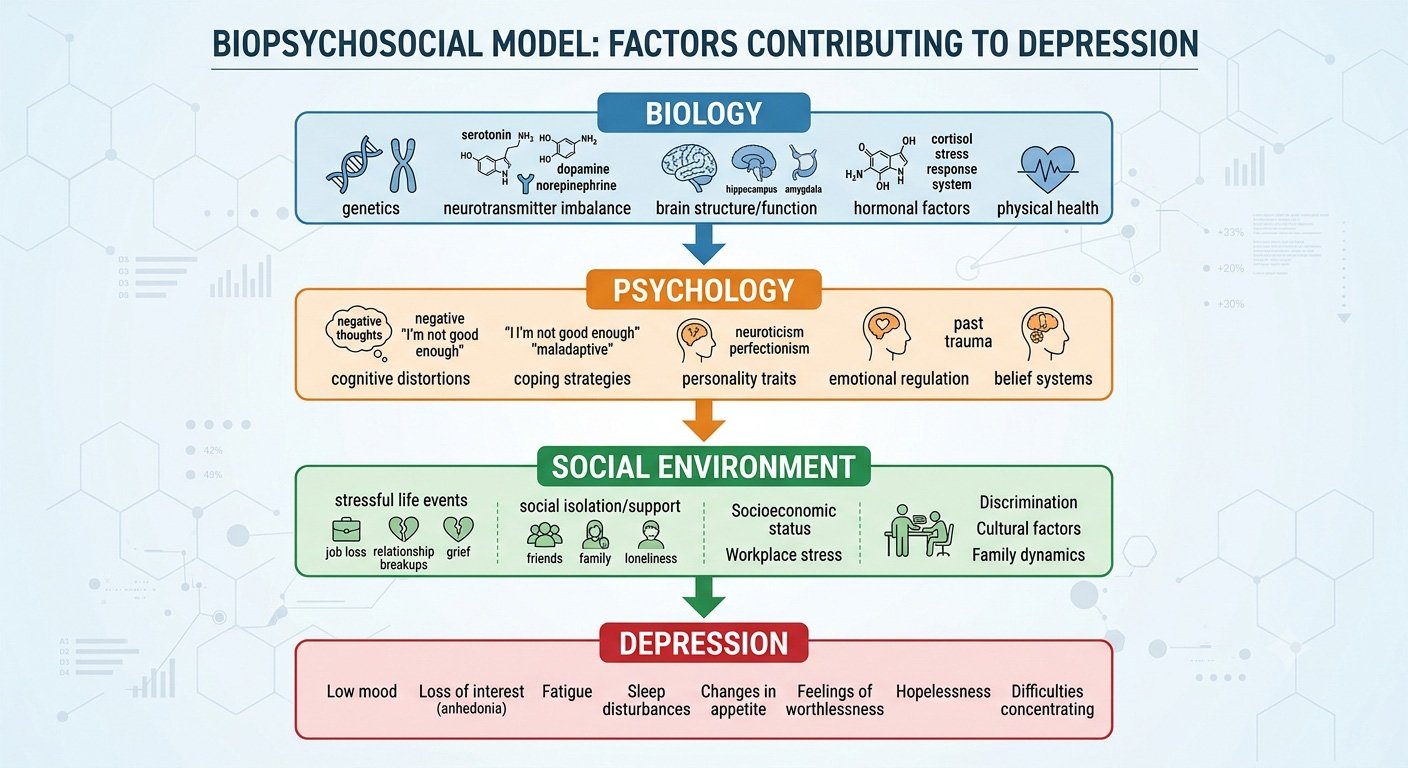
Depression develops due to a combination of biological, psychological, social, and environmental factors. Genetics, brain chemistry, chronic stress, trauma, medical illnesses, personality traits, and major life events can all contribute. In most people, depression is caused by multiple interacting factors rather than a single trigger.
Modern psychiatry understands depression through the biopsychosocial model.
“What caused depression?”
“What factors increased this person’s vulnerability?”
Different individuals develop depression for different reasons.
Biological Factors
Examples include:
- Family history
- Genetic predisposition
- Neurotransmitter imbalance
- Hormonal disorders
- Thyroid disease
- Chronic pain
- Diabetes
- Stroke
- Parkinson's disease
Psychological Factors
Risk increases in individuals with:
- Perfectionism
- Low self-esteem
- Chronic anxiety
- Childhood trauma
- Emotional neglect
- Personality vulnerabilities
Social Factors
Common contributors include:
- Divorce
- Relationship conflict
- Financial stress
- Job loss
- Caregiver burden
- Loneliness
- Academic pressure
- Workplace burnout
Lifestyle Factors
Lifestyle may influence both the onset and severity of depression.
Examples include:
- Poor sleep
- Alcohol misuse
- Substance use
- Lack of exercise
- Social isolation
- Chronic stress
Risk Factors for Depression
| Risk Factor | Examples |
|---|---|
| Genetics | Family history |
| Medical Conditions | Diabetes, thyroid disorders |
| Psychological | Trauma, anxiety, perfectionism |
| Lifestyle | Poor sleep, alcohol use |
| Social | Financial stress, relationship problems |
Can Depression Occur Without Any Reason?
✓ Yes
Many patients develop depression without a single identifiable trigger.
This does
✘ not
mean the illness is imaginary.
It reflects complex interactions between biology and life experiences.
How is depression diagnosed?
In contrast to other diseases, there is no specific laboratory or brain test to diagnose depression. The individual will go through psychiatric examination, and upon thorough evaluation of his or her case, depression will be diagnosed.
There is no one test to confirm a diagnosis of depression.
Diagnosis relies on:
- detailed clinical interview,
- mental status examination,
- diagnostic criteria,
- medical evaluation to rule out other
As per the clinical setting, some of the investigations which might be suggested to rule out other contributing factors could be a thyroid function test, B12, vitamin D level test, or any other investigation.

What Happens During the Consultation?
A psychiatrist can inquire into:
- Mood
- Sleep
- Appetite
- Energy
- Concentration
- Suicidal thoughts
- Anxiety
- Past psychiatric history
- Medical illnesses
- Family history
- Alcohol or substance use
Mental Health Examination
This assesses:
- Appearance
- Behaviour
- Speech
- Mood
- Thought process
- Thought content
- Perception
- Cognition
- Insight
- Judgment
Depression Assessment Components
| Assessment | Purpose |
|---|---|
| Clinical Interview | Understand the patient's symptoms, concerns, and mental health history. |
| Mental Status Examination (MSE) | Evaluate appearance, mood, behavior, cognition, perception, and thought processes. |
| Medical History | Identify physical illnesses, medications, or other medical conditions contributing to symptoms. |
| Family History | Assess hereditary and genetic factors associated with mental health disorders. |
| Functional Assessment | Evaluate the impact of symptoms on daily activities, work, education, and relationships. |
| Suicide Risk Assessment | Assess the risk of self-harm or suicide and ensure appropriate patient safety measures. |
Important Note:
Depression tests found online can be useful for symptom identification, but they are not substitutes for a psychiatric assessment. Visiting a trusted Psychiatrist in Delhi will be of great help in the situation.
Concerned about Depression?
Proactive therapy can lead to better results and reduced chances of experiencing any problems.
Get in touch with the best psychiatrist for depression at Headspace Mind Clinic for the depression treatment in Delhi.
What are the available treatments for Depression?
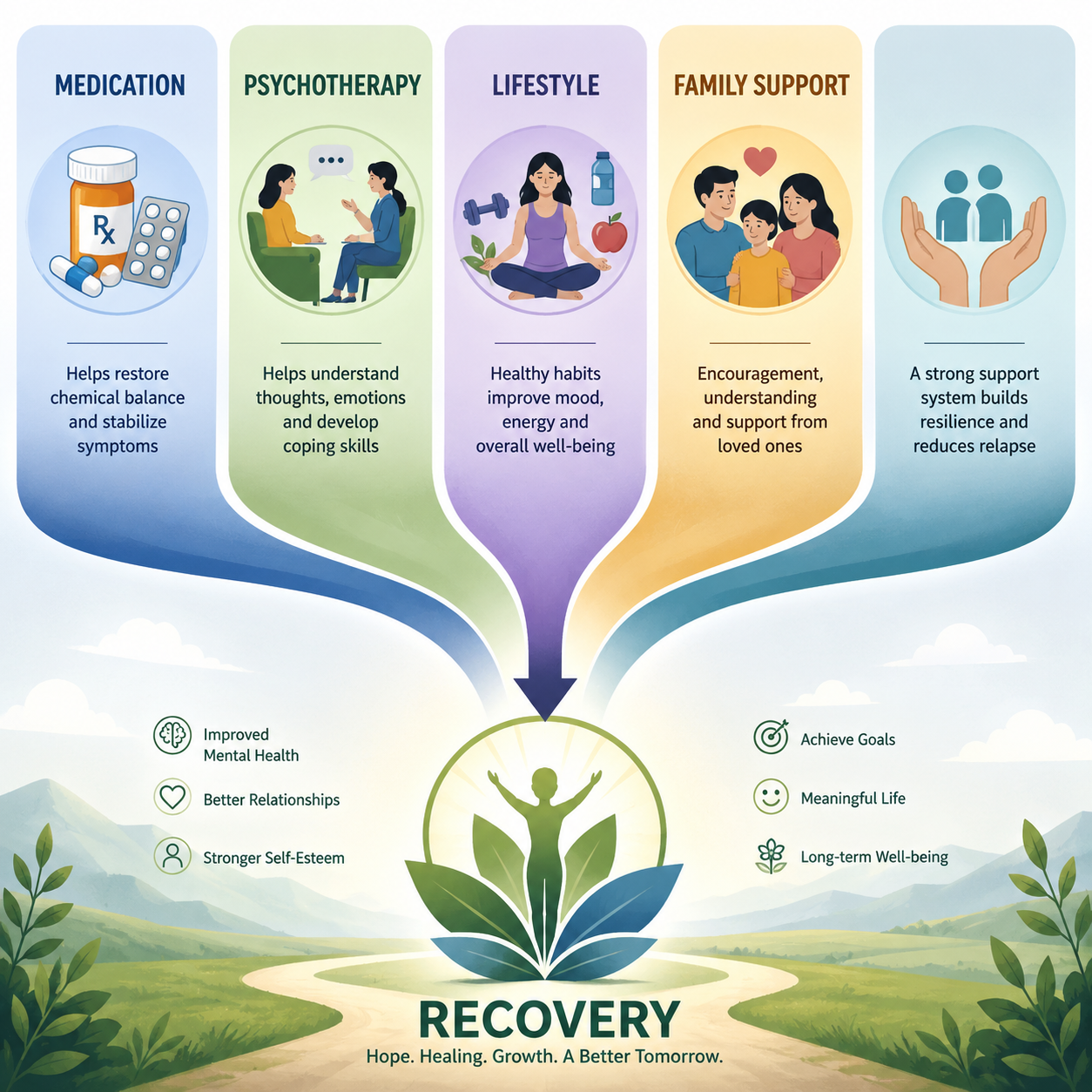
Treatment for depression varies depending on the nature of symptoms, duration of their occurrence, patient response to treatment, medical history, and choice of the patient. The majority of patients looking for a reliable depression treatment in Delhi will benefit from a personalized combination of therapies, drugs, changes in lifestyle, and family support. As regards refractory depression, Repetitive Transcranial Magnetic Stimulation (rTMS) can be employed.

Depression is one of the most curable forms of psychiatric disorders. In today’s world, clinical depression treatment goes beyond managing symptoms and includes the restoration of well-being, the improvement of personal relations, going back to work and school, and avoiding future relapses.
The treatment methods are personalized since there isn’t one universal method suitable for everybody. Factors that determine the method of treatment are the extent of symptoms, age, presence of anxiety, existence of other medical conditions, pregnancy, previous experience of treatment, and personal preference. Doctors may also recommend Psychotherapy Services alongside if needed.
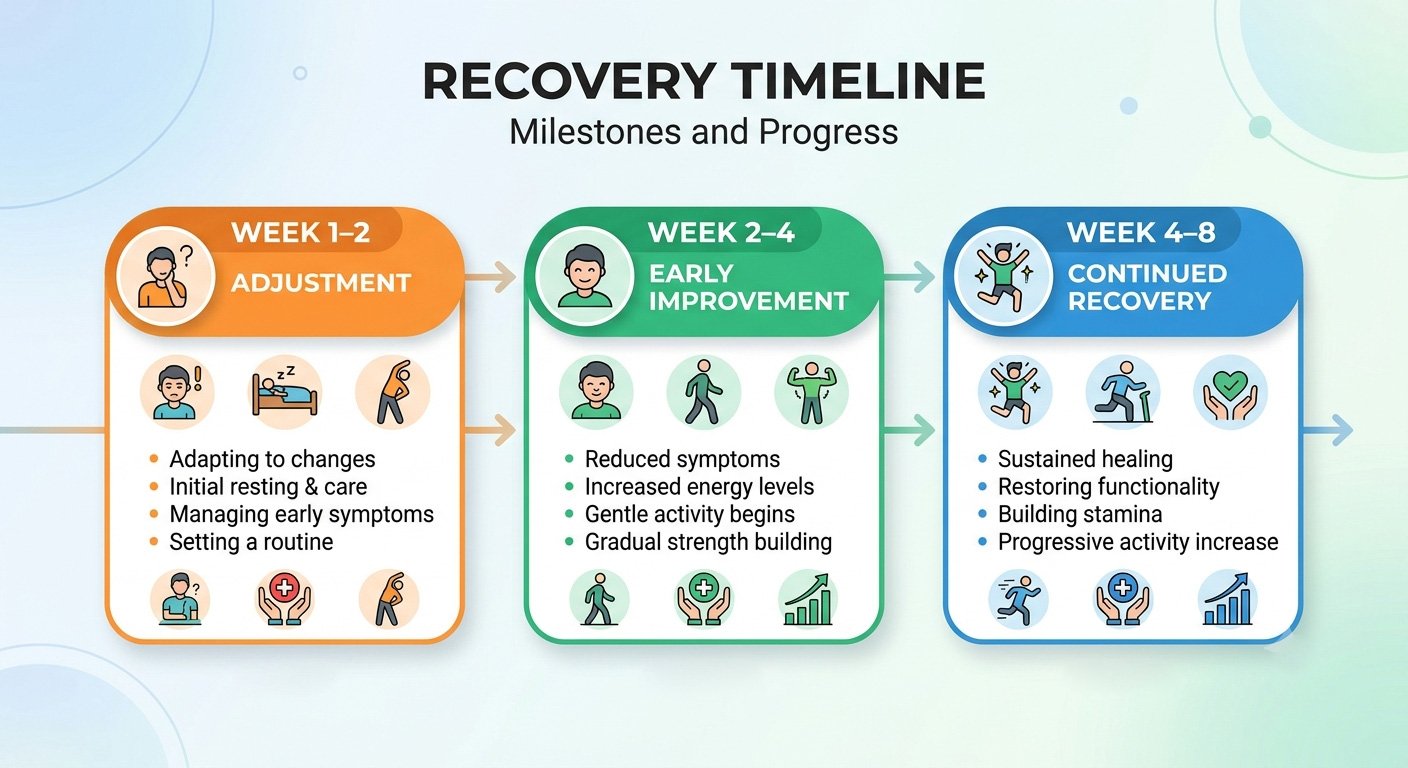
Recovery can be a process that takes place in stages. Oftentimes, improvement is seen in sleep and eating behaviors before the patient has any significant change in mood.
Treatment Goals
Treatment is meant to:
- Reduce depressive symptoms
- Restore normal daily functioning
- Improve emotional resilience
- Prevent relapse
- Improve quality of life
- Reduce suicide risk
- Help patients regain independence
Evidence-Based Depression Treatment
| Treatment | Mild | Moderate | Severe |
|---|---|---|---|
| Psychoeducation | ✅ | ✅ | ✅ |
| Lifestyle Modification | ✅ | ✅ | ✅ |
| Psychotherapy | ✅ | ✅ | ✅ |
| Antidepressant Medication | Sometimes | ✅ | ✅ |
| Combination Therapy | Sometimes | ✅ | ✅ |
| rTMS | Selected Cases | Selected Cases | Treatment Resistant |
| Hospital Admission | Rare | Occasionally | When Clinically Necessary |
CLINICAL PEARL
The purpose of treatment is not just about getting rid of sadness. Effective treatment is supposed to help people get back their interest in life, help them concentrate, get close to people again, get back to work, and enjoy activities of daily living.
How Do Antidepressant treatment Work?
Depressants assist in regulating the brain circuits controlling mood, emotions, and the stress response mechanism. They are non-addictive and will not alter one’s character. The majority of antidepressants will take between two and six weeks before showing improvement, and the length of the treatment period varies from one person to another.
Many people fear using psychiatric medicines because of the myths around antidepressants.
Antidepressants of today are one of the most studied medications in all of medicine. If used properly and under the supervision of a psychiatrist, antidepressants can help decrease the symptoms of depression considerably.
The choice of medicine depends on:
- Age
- Severity
- Anxiety symptoms
- Sleep pattern
- Appetite
- Medical conditions
- Previous response
- Side-effect profile
The patient should never discontinue medication suddenly without seeking advice from the psychiatrist.
Types of Antidepressants
Examples include:
- SSRIs
- SNRIs
- Atypical antidepressants
- Tricyclic antidepressants
- MAO inhibitors (used less frequently)
The choice depends on individual clinical needs rather than one medication being universally “best.”
Common Questions About Antidepressants
| Question | Answer |
|---|---|
| Are they addictive? | No, antidepressants are generally not considered addictive. |
| How long does it take to work? | Typically 2–6 weeks before significant improvement is noticed. |
| Can they be stopped suddenly? | No. Always consult your doctor before stopping medication. |
| Will they change my personality? | No. They help restore emotional balance without changing your personality. |
| Will everyone need medication? | Not always. Treatment is individualized based on symptoms and severity. |
CLINICAL NOTE
Some patients will develop minor side effects in the first one or two weeks of taking the medication. This can be helped with time. In place of discontinuing the treatment, the patient should seek advice from his psychiatrist regarding this problem.
How Does Psychotherapy assist in Depression treatment?
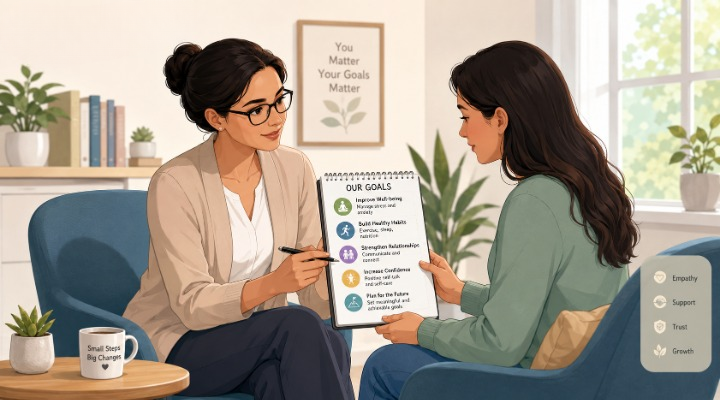
The patient will be able to comprehend and regulate the way he/she thinks, feels, and behave through this kind of treatment, and these behaviors cause depression. Examples of types of therapies that have been proven to treat problems with depression include: Cognitive Behavioral Therapy, Behavioral Activation, Interpersonal Therapy, and Supportive Psychotherapy in Delhi.

Medication will be helpful in the biological part of the treatment of depression, while psychotherapy will help one find new methods of coping with stress, having good relationships, and avoiding future relapses.
In many cases, the treatment of depression is by psychotherapy and medications together. Further anxiety treatment in Delhi can also be advised to stay calm during the treatment, as most people find it difficult to handle the treatment and end up being anxious.
Psychotherapy is a personal and cooperative approach. It involves finding solutions together with the psychologist.
Therapies used to treat depression:
- Cognitive behavioural therapy
- Behavioural Activation
- Interpersonal Therapy (IPT)
- Supportive Psychotherapy
- Mindfulness-based therapy
- Family therapy (where required)
Benefits of Psychotherapy
| Benefit | How It Helps |
|---|---|
| Emotional Awareness | Helps you better understand your thoughts, emotions, and behavioral patterns. |
| Behaviour Change | Encourages healthier behaviors while reducing avoidance and inactivity. |
| Coping Skills | Develops effective strategies to manage stress, anxiety, and emotional challenges. |
| Relationship Improvement | Enhances communication, trust, and interpersonal relationships. |
| Relapse Prevention | Reduces the risk of relapse by building long-term resilience and healthy coping mechanisms. |
CLINICAL PEARL
Therapy is not just “discussing problems.” It is an organized approach to treating problems by teaching practical skills for dealing with depression and ensuring mental health in the future.
When Is rTMS Used for Depression?
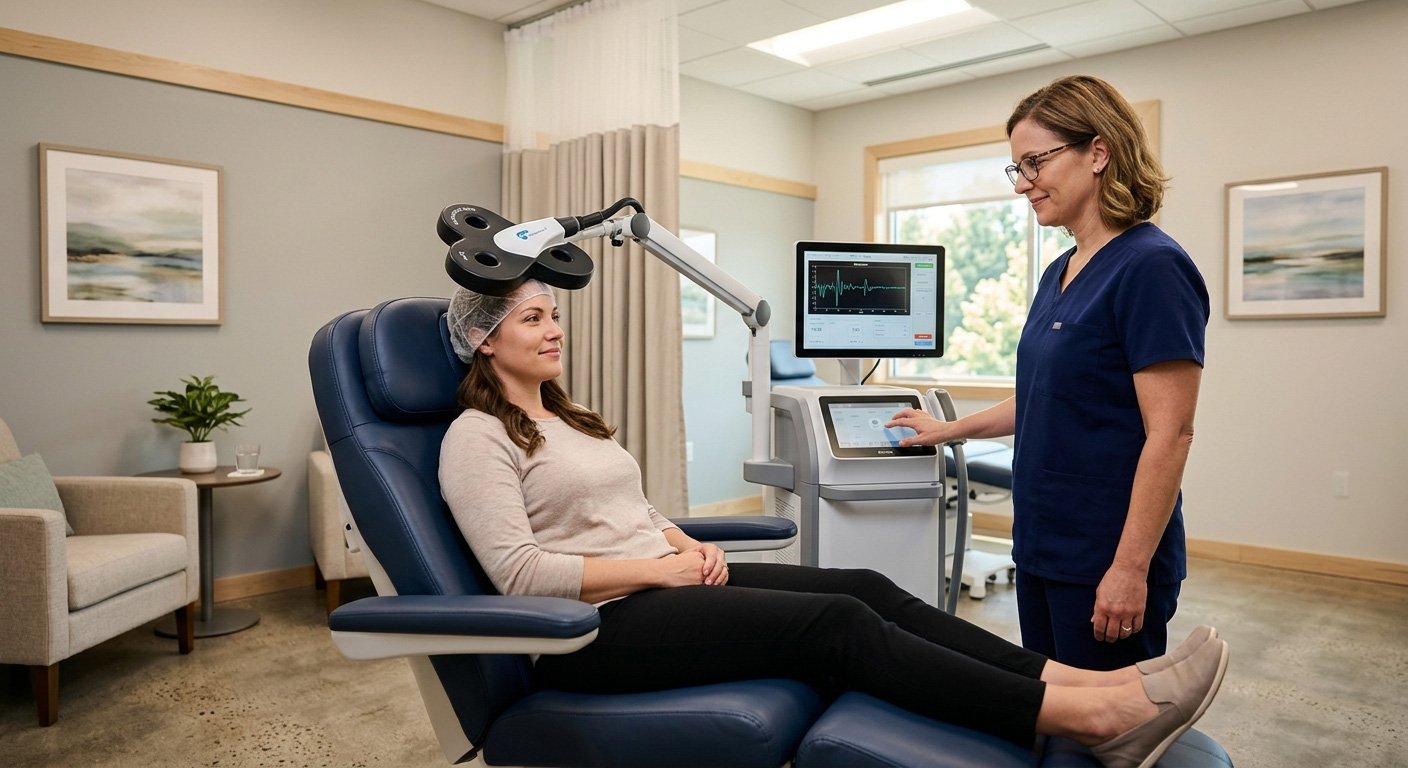
Repetitive Transcranial Magnetic Stimulation (rTMS) is a non-invasive technique that is performed as a treatment modality wherein the brain is stimulated using magnetic waves. The recommendation of rTMS is made for those people who have depression that is non-responsive to medications.

The application of rTMS represents the greatest breakthrough in non-invasive psychiatry within the last 20 years.
During the procedure, an electromagnetic coil is applied to the scalp.
Stimulation of the left dorsolateral prefrontal cortex, which regulates emotion and executive function, occurs through a series of magnetic pulses.
Unlike the use of ECT, there is no need for anaesthesia during rTMS, and patients stay conscious all the time.
Typically, the treatment includes 20–30 sessions, but this figure may vary based on the treatment regimen.
Each session allows the patient to continue their regular activity after its completion. They can return home or go back to work immediately.
Who can be treated by rTMS?
rTMS may be considered for:
- Treatment-resistant depression
- Partial response to medication
- Medication intolerance
- Patients seeking a non-invasive treatment option after specialist evaluation
The decision should always be individualized.
rTMS at a Glance
| Feature | Details |
|---|---|
| Procedure | Non-invasive treatment with no surgical intervention. |
| Anaesthesia | Not required during the procedure. |
| Typical Session | Approximately 20–40 minutes per session. |
| Hospital Stay | No hospital admission is required. |
| Recovery Time | Immediate recovery with no downtime. |
| Post-Treatment Activities | Normal daily activities can be resumed on the same day. |
Important Note:
rTMS is not considered a primary form of treatment for all people suffering from depression. A psychiatrist suggests rTMS for depression Delhi when it’s deemed necessary after proper evaluation.
Not Sure Which Treatment to choose?
Every person suffers from depression differently. Having a complete psychiatric assessment done may assist in finding out whether you require psychotherapy, drugs, changing your lifestyle, rTMS Therapy in Delhi, or a combination of everything mentioned.
Make an appointment at Headspace Mind Clinic to devise the best-suited depression treatment in Delhi.
What Can You Do in addition to Professional Treatment to Support Recovery?
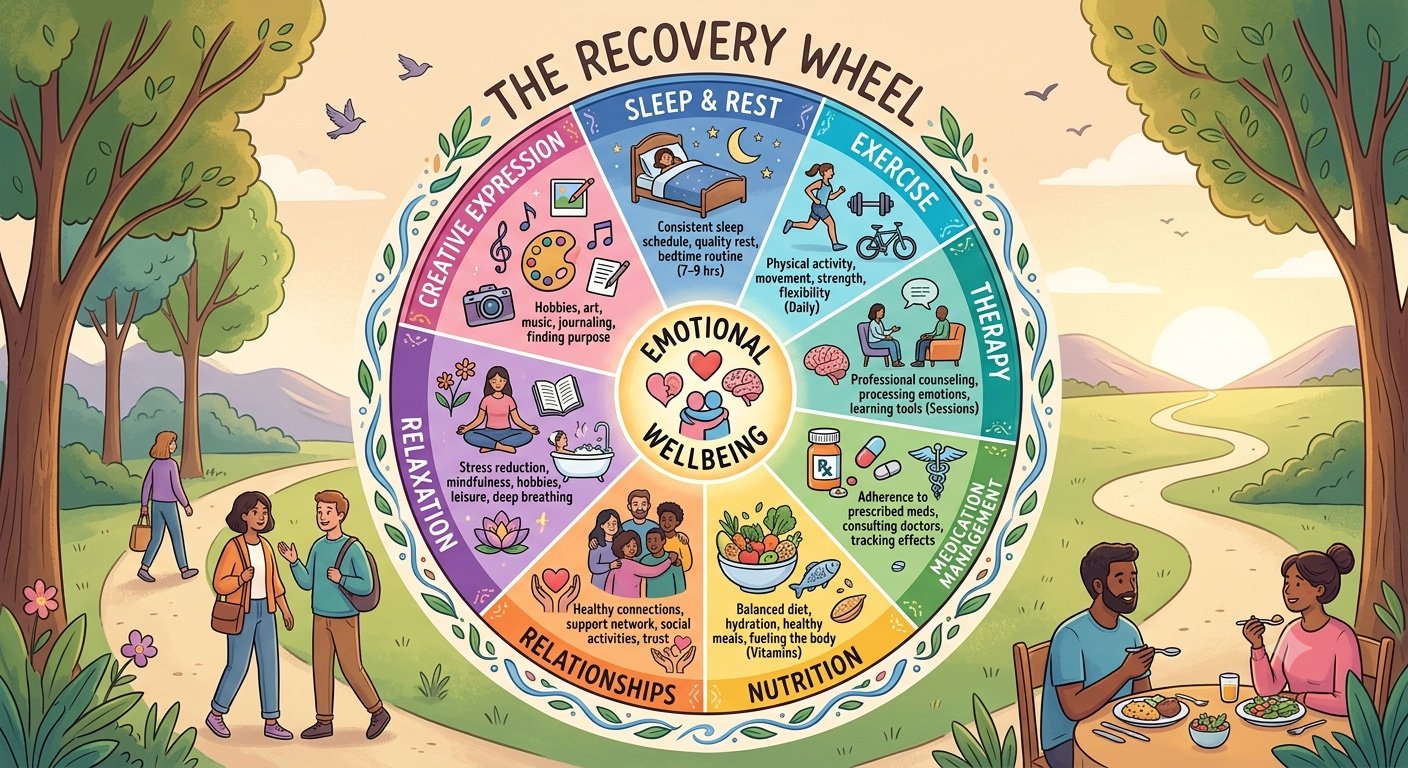
Although professional intervention would always remain the key element of depression management, healthy living might also support the process. Proper sleep, exercise, a healthy diet, socialization, stress reduction, no consumption of alcohol or any other recreational drugs, and following one’s management plan can all make a difference.

Treatment for depression goes beyond simply taking drugs or consulting professionals. The routine that you have influences the well-being of your brain as well as its emotional stability and resilience.
Small but sustainable changes may be more helpful than major changes.
Your lifestyle changes should be able to work well together with your professional help.
Lifestyle Changes
- Get enough sleep regularly.
- Be physically active.
- Eat balanced meals.
- Limit alcohol consumption.
- Avoid recreational drug use.
- Stay socially connected.
- Practise relaxation techniques.
- Follow the treatment plan consistently.
- Attend follow-up appointments.
| Lifestyle Factor | Benefit |
|---|---|
| Physical Exercise | Improves mood, boosts energy levels, and supports overall mental well-being. |
| Sufficient Sleep | Promotes mental clarity, emotional stability, and better stress management. |
| Balanced Diet | Provides essential nutrients that support brain function and overall health. |
| Mindfulness | Helps reduce stress, improve focus, and enhance emotional resilience. |
| Social Support | Reduces feelings of isolation and encourages emotional connection. |
| Routine | Improves motivation, consistency, and daily functioning. |
CLINICAL PEARL
It is unlikely that recovery will go smoothly all the time. Temporary failures are not evidence of treatment failure. Follow-up allows adjustments to treatment when necessary.
What Is the Outlook for People With Depression?
The majority of people suffering from depression will benefit greatly from an early diagnosis and treatment. The period of recovery is normally weeks or months, depending on the level of the depression, but early detection, treatment, depression counselling Delhi, and follow-up increase the chances of success.

The prognosis varies between individuals. Some experience a single episode, while others may have recurrent episodes requiring longer-term management.
The goal is functional recovery, meaning a return to satisfying work, relationships, hobbies, and daily activities—not just a reduction in symptoms.
| Stage | What Patients May Notice |
|---|---|
| Early Weeks | Better sleep, improved appetite, and increased energy levels. |
| 1–2 Months | Noticeable improvement in mood, focus, and concentration. |
| 2–6 Months | Greater emotional stability, improved daily functioning, and enhanced quality of life. |
| Long Term | Reduced risk of relapse and sustained recovery with continued treatment and healthy lifestyle habits. |
Can Depression Return?
✓ Yes
Individuals who have had an episode of depression before are at a greater risk of becoming depressed again compared to those individuals who have never had an episode of depression in their lifetime.
To conclude, following the treatment regimen and spotting the early symptoms might reduce such risks.
How can relapse be prevented?
To avoid falling back into such habits, the following should be done on time: taking the medications, recognizing the early signs of the illness, observing good practices, and visiting the doctor in case any symptom resurfaces.
Prevention of relapse is part of the management of depression.
It could be that the psychiatrist will prescribe continuous treatment even after the patient has been restored to health.
Therapy will help the patients to come up with coping mechanisms for the future and identify any triggers that might trigger symptoms.
Warning Signs
Patients should seek review if they notice:
- Persistent low mood
- Sleep changes
- Withdrawal from family or friends
- Loss of motivation
- Reduced concentration
- Increased anxiety
- Follow the treatment plan consistently.
- Thoughts of self-harm
| Prevention Strategy | Why It Matters |
|---|---|
| Continue Prescribed Treatment | Reduces the risk of recurrence and supports long-term recovery. |
| Follow-up Appointments | Enable early detection of symptoms and timely intervention. |
| Healthy Habits | Build resilience through regular exercise, balanced nutrition, and adequate sleep. |
| Family Support | Encourages early recognition of warning signs and provides emotional support. |
| Stress Management | Helps reduce triggers and improves emotional well-being. |
When to See Your Doctor Urgently?
Psychiatric examination becomes urgent in case when a person has suicidal ideation, makes an attempt at self-harm, cannot take care of themselves, has any psychotic symptoms, and rapid worsening of depression. The early depression therapy Delhi may save a life. Furthermore, problems like Bipolar Disorder and Schizophrenia should not be ignored and look out for expert care.
Seek immediate help if
Patients should seek review if they notice:
- Suicidal thoughts become persistent.
- A suicide plan has been made.
- There has been an act of self-harm.
- Hallucinations or delusions occur.
- The person refuses food or fluids.
- There is extreme agitation or confusion.
- Family members believe the individual is unsafe.
In case of any imminent threat to the safety of the person due to his/her self-injury or suicidal tendencies, contact a depression specialist Delhi immediately.
Why Choose Headspace Mind Clinic for Depression Treatment in Delhi?
At the Headspace Mind Clinic, our approach to the treatment of depression is fully scientific, where there is involvement in psychiatric evaluation, psychotherapy, prescription of medicine, and neuromodulation therapy if needed. The approach used for trusted depression treatment in Delhi is tailor-made and sustainable. Explore about other treatment and care options at Clinical Psychology Services.
Our Approach
- Comprehensive psychiatric assessment
- Individualised treatment planning
- Medication management
- Cognitive Behavioural Therapy
- Family counselling
- Advanced rTMS (when clinically indicated)
- Confidential consultations
- Follow-up and relapse prevention
Services Offered
| Service | Availability |
|---|---|
| Psychiatric Consultation | ✓ Available |
| Clinical Psychology | ✓ Available |
| Psychotherapy | ✓ Available |
| Cognitive Behavioural Therapy (CBT) | ✓ Available |
| rTMS | ✓ Available (When Clinically Appropriate) |
| Follow-up Care | ✓ Available |
Start Your Recovery Today
Depression is a treatable illness, and early intervention can have a great impact on one’s life.
If you are experiencing signs of depression, a professional evaluation can determine the most appropriate mode of treatment for you, whether it’s stress management, sleep disorders, anxiety, and OCD in addition to depression.
Visit us at Headspace Mind Clinic to get evaluated from the most trusted depression doctor Delhi and receive the most effective depression treatment in Delhi.
Book an appointment with Headspace Mind Clinic to receive a personalised evaluation and evidence-based care.
Phone:
Website:
Frequently Asked Questions (FAQ)
Depression is fully curable in many cases. Nonetheless, there are going to be different lengths of time depending on the individual, and further treatments may be required.
The duration of treatment will vary according to individuals, depending on the severity and the individual’s reaction to the medication.
Patients with mild cases of depression may recover using psychotherapy and lifestyle modifications only. Some patients need medicine, especially those with symptoms of moderate to severe intensity.
There is no pain in rTMS. The common description of the sensation is tapping on the scalp during the procedure. The patient can return to regular life right after the procedure.
Some individuals manage to work/study while being treated for a psychiatric disorder, but modifications may need to be made according to the severity of their symptoms. Your psychiatrist can give advice accordingly.
References
The content on this page should be reviewed against current clinical guidance from authoritative sources such as:
- Indian Psychiatric Society Clinical Practice Guidelines
- World Health Organization
- National Institute for Health and Care Excellence (NICE)
- American Psychiatric Association (APA)
- National Institute of Mental Health (NIMH)
- PubMed-indexed systematic reviews and meta-analyses