
Anti-Anxiety Medicines
A guide on drugs used for treatment of anxiety disorders such as SSRI, SNRI, benzodiazepine, buspirone, and beta blockers, and how to select one.
Quick Answer
| Question | Short Answer |
|---|---|
| What is an anti-anxiety medication? | Anti-anxiety medications are those that assist in reducing anxiety |
| What are commonly used? | SSRIs, SNRIs, Benzodiazepines, and Buspirone if needed |
| Antidepressants or anti-anxiety medications? | Some antidepressant medications are important in treating anxiety |
| What is fast-acting? | There are benzodiazepines which may act quickly but cause dependence |
| What works long term? | Depends on the type of mental illness; SSRI/ SNRI medication and psychotherapy |
| Is buspirone immediate? | No; It needs continuous use for weeks before it works fully |
| Are beta blockers general anxiety drugs? | They mainly address certain physical symptoms |
| Does benzodiazepine cause addiction? | It may cause addiction |
| Are medicines always necessary? | No; treatment may not require medicines at all or along with therapy |
| Is anxiety medication self-medicating? | No; medication choice requires clinical assessment |
What are Anti-Anxiety Medicines?
Anti-anxiety drugs refer to the type of drugs that are prescribed for the purpose of alleviating the symptoms of anxiety disorder. It is worth noting that anti-anxiety drugs are not under one particular class since there exist different types of anti-anxiety drugs.

- Persistent anxiety
- Anxiety physical symptoms
- General anxiety disorder
- Other specific anxiety presentations
- Panic symptoms
- Severe short-term anxiety
- Social anxiety disorder
What types of Medicines are used for Anxiety?
There are many different types of drugs that can be prescribed for anxiety disorders. Out of all the drugs that are commonly prescribed to patients suffering from anxiety disorders, the SSRIs and SNRIs are effective. Benzodiazepines, which offer immediate relief in some cases, are other drugs that can be prescribed for anxiety disorders. Buspirone is one of the drugs used in treating GAD.
Main categories
| Medication group | Typical role |
|---|---|
| SSRIs | Long-term use for several types of anxiety disorders |
| SNRIs | Long-term use for several types of anxiety disorders |
| Benzodiazepines | Short-term alleviation of symptoms in specific cases |
| Buspirone | Long-term treatment of GAD |
| Beta-blockers | Specific physical/performance symptoms |
| Other medicines | Specific clinical circumstances |
Are Antidepressants used as Anti-Anxiety Medicines?
Yes. There exist antidepressants that have already proven their efficiency in treatment of anxiety disorders and can be used in case of long-term therapy. These include SSRI and SNRI medications for the treatment of generalized anxiety disorder, panic disorder and social anxiety disorder, depending on the diagnosis.This is why patients may see:
“Antidepressant for anxiety”
even if they do not have any depressive disorder.
The term “antidepressants” is used to refer to the drugs.
It does not imply:
“This medicine is only for depression.”
How do SSRIs help with Anxiety?
SSRIs decrease the rate of serotonin reuptake and change the mechanism of serotonergic transmission in the brain. There are some SSRIs that are known drugs to be used in anxiety disorders; however, they take weeks before any improvements can be seen. They are not used as quick relief medication.
Examples include:
- Sertraline
- Escitalopram
- Fluoxetine
- Paroxetine
- Fluvoxamine
SSRIs may be considered for:
- Generalized anxiety disorder
- Panic disorder
- Social anxiety disorder
- OCD
- Other selected anxiety-related conditions
How Do SNRIs Help With Anxiety?
SNRIs act upon the serotonergic and noradrenergic systems and have an application in various anxiety disorders. SNRIs, like SSRIs, need continuous therapy for about several weeks before they demonstrate their maximum therapeutic effect. The choice is based on the type of anxiety disorder, previous medication, adverse reactions, etc.
- Venlafaxine
- Duloxetine
- Desvenlafaxine
SSRIs vs SNRIs
| Feature | SSRIs | SNRIs |
|---|---|---|
| Serotonin | ✓ | ✓ |
| Norepinephrine | Primary effect less prominent | ✓ |
| Anxiety treatment | Common | Common |
| Immediate relief | No | No |
| Long-term role | Yes | Yes |
| Individual response | Variable | Variable |
What are Benzodiazepines?
Benzodiazepine medications belong to the group of sedative anti-anxiety drug, and they have a fast acting property to reduce anxiety. Nevertheless, even though these medications are useful under certain conditions, tolerance and dependence may arise due to regular use of the drug.
- Alprazolam
- Clonazepam
- Lorazepam
- Diazepam
Their major advantage
Rapid symptom relief
Their major limitation
Dependence and withdrawal risk
Why do Benzodiazepines work faster than SSRIs?
Benzodiazepine drugs act on GABA, which is an inhibitory neurotransmitter to produce a quick effect. Conversely, SSRI and SNRI drugs are those drugs that do not have a quick mechanism of action.
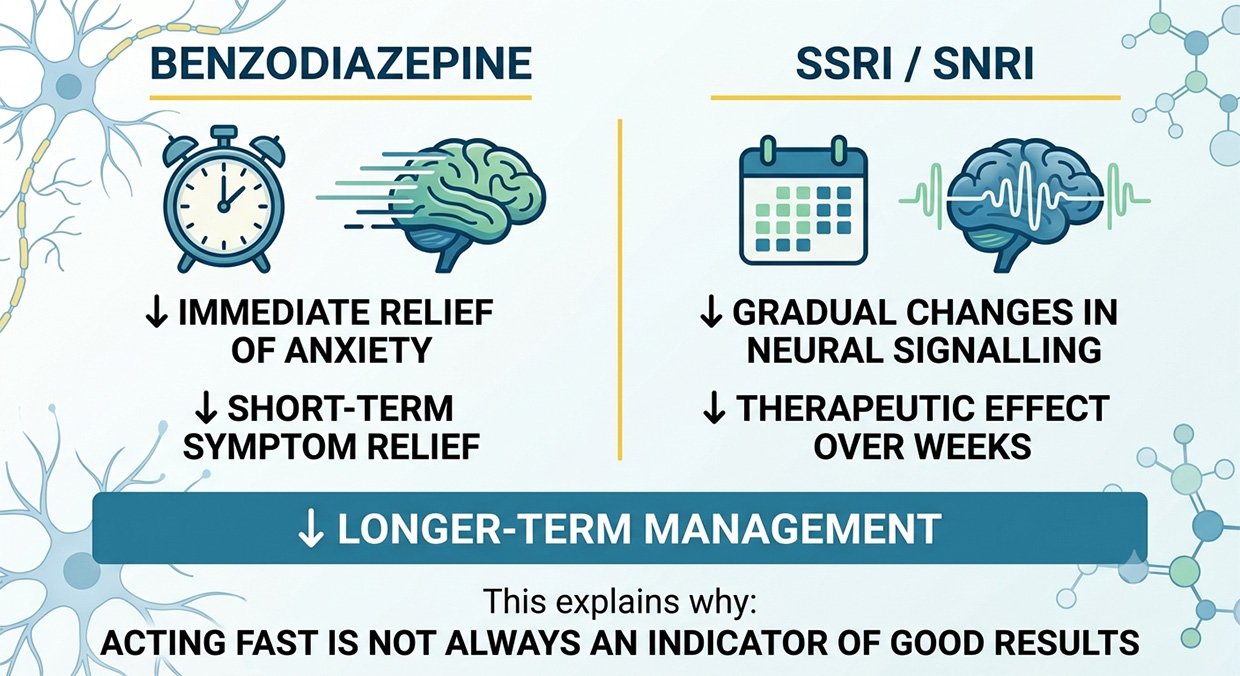
Are Benzodiazepines used for Panic Attacks?
Although benzodiazepines are very effective when it comes to quick help in panic attack, doctors prescribe them cautiously taking into account possible development of tolerance and dependence of the body to benzodiazepines. According to NICE, in treatment of panic disorders, antidepressants should be used instead of benzodiazepines.
This distinction should be prominent because patients searching:
“Medicine that stops panic attacks immediately”
may otherwise assume benzodiazepines are the preferred long-term solution
What is Buspirone?
Buspirone is a pharmaceutical drug used for treating anxiety, which belongs to the category of non-benzodiazepine medicines. The difference between Buspirone and the Benzodiazepine drugs is that Buspirone is not an immediate-effect drug and requires regular use on a daily basis; according to NIMH, Buspirone can reach its maximum effectiveness within three or four weeks.
Buspirone differs from benzodiazepine
| Feature | Buspirone | Benzodiazepines |
|---|---|---|
| Rapid relief | No | Yes |
| Regular treatment | Yes | Often limited/selected |
| Sedation | Generally less | Common consideration |
| Dependence potential | Lower | Significant concern |
| Full effect | Weeks | Rapid |
Is Buspirone used for All Anxiety Disorders?
Buspirone has an application specific to generalized anxiety disorder, unlike other anxiety disorders. The use of buspirone is determined by various considerations such as the diagnosis, symptoms, and prior treatment.
This is an important SEO distinction. Someone searching:
“Buspirone for panic attacks”
should not conclude that buspirone is automatically the appropriate treatment.
What are Beta-Blockers used for in Anxiety?
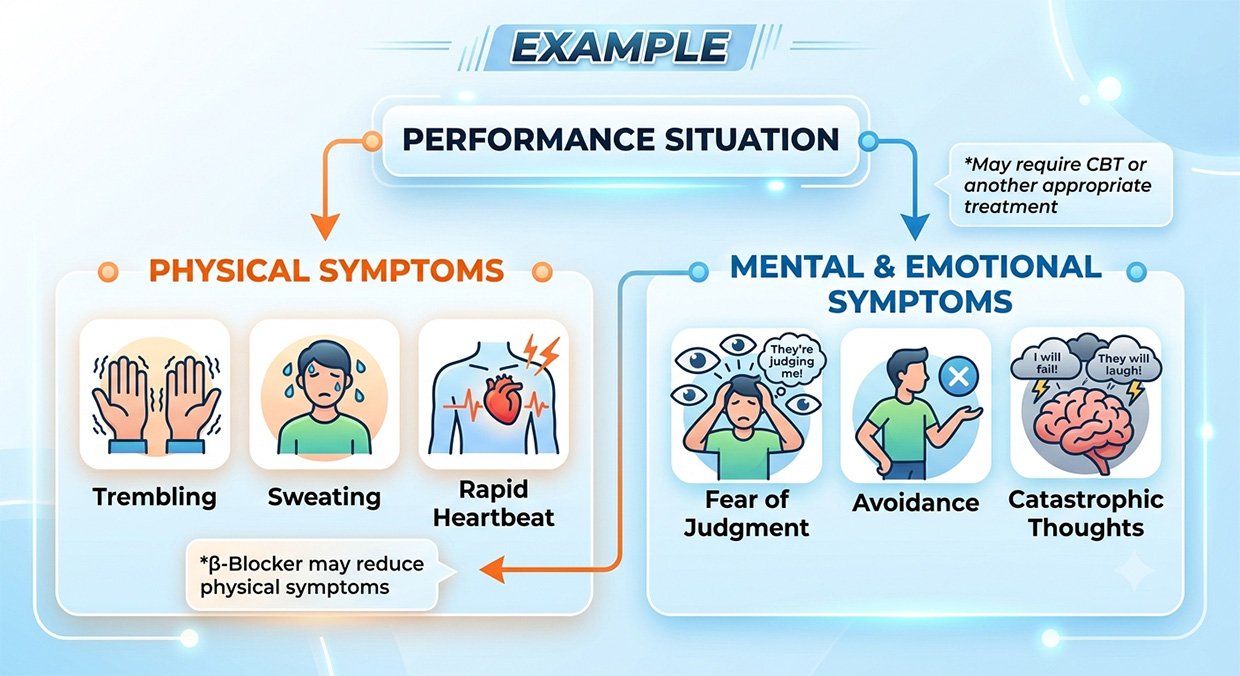
Beta blockers may help reduce certain physical sensations felt when experiencing an episode of anxiety, including palpitations, sweating, and tremors. However, they should not be considered to cure the psychological factors responsible for causing anxiety. They are more applicable in cases like performance anxiety.
They may reduce:
- Tremor
- Sweating
- Rapid heartbeat
- Some physical arousal
They do not directly treat:
- Persistent worry
- Catastrophic thoughts
- Avoidance
- Fear of judgment
- Obsessive thoughts
Are Beta-Blockers used for Performance Anxiety?
The beta blockers can be used for some cases of performance anxiety since they can assist in overcoming physical symptoms like shaking, sweating, and rapid heartbeat. It should be noted that beta blockers cannot be a universal treatment for social anxiety disorder and need to be applied wisely after examining the physical state of a patient.
Example
A person may experience:
Public speaking
↓
Fast heart rate + trembling + sweating
↓
A beta-blocker might help with physical symptoms.
But it does not necessarily address:
Fear of judgment + avoidance + anxious beliefs
This is where psychological therapy becomes important.
Which Anxiety Medicine works the fastest?
Though most of the benzodiazepines are faster acting than the SSRIs and SNRIs, which require some time to start working, the speed of action is not everything in selecting an anti-anxiety drug, taking into account that the fastest drug does not necessarily mean the best one due to issues such as addiction, tolerance, sedation, and withdrawal effects.
A useful comparison
| Medication | Speed | Typical role |
|---|---|---|
| Benzodiazepine s | Rapid | Selected short-term situations |
| SSRIs | Gradual | Longer-term treatment |
| SNRIs | Gradual | Longer-term treatment |
| Buspirone | Gradual | Longer-term GAD treatment |
| Beta-blockers | Relatively rapid physical effect | Selected situations |
Which Anti-Anxiety Medicine is Best?
It is not possible to determine which of these medicines is the best anti-anxiety remedy for everybody. The particular type of the disorder, its severity and duration, history of treatment, medical history of the patient, the presence of other medications in the body, and many other factors should be taken into account.
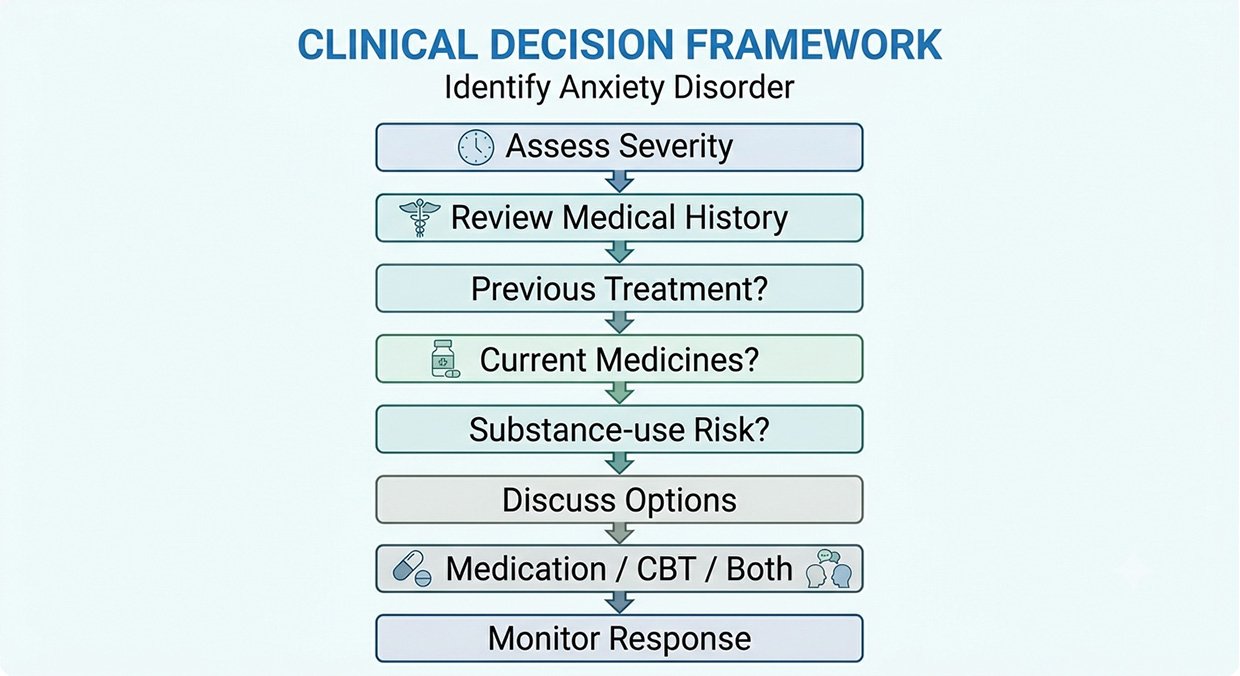
How does a Psychiatrist choose an Anti-Anxiety Medicine?
Choosing the medication starts with determining the anxiety disorder itself, as opposed to merely addressing the symptom of feeling anxious. The doctor assesses symptom presentation and severity, past treatment history, health problems, concurrent medications, drug-use behaviors, side effects to avoid, and the individual’s preferences before recommending an appropriate medication.
Important factors include
| Factor | Why it matters |
|---|---|
| Diagnosis | Different disorders have different evidence-based treatments. |
| Severity | Determines treatment intensity |
| Duration | Acute vs. persistent anxiety |
| Previous response | Past benefit can guide selection. |
| Side effects | Influences tolerability |
| Medical conditions | May affect safety |
| Current medication | Interaction risks |
| Substance use | Particularly important with sedatives |
| Sleep | Can influence medication choice |
| Patient preference | Shared decision-making |
Don't Choose an Anxiety Medicine Based Only on the Symptom
Does the type of Anxiety change Which Medicine is used?
Yes. The choice of drug differs based on the specific type of anxiety disorder a person is experiencing, such as generalized anxiety disorder, panic disorder, social anxiety disorder, or another type of anxiety disorder. Examples include selective serotonin reuptake inhibitors (SSRIs) and serotonin-norepinephrine reuptake inhibitors (SNRIs). In contrast, benzodiazepines can be utilized only in certain instances, and beta-blockers could also have their particular role.
Simplified map
| Anxiety presentation | Medication considerations |
|---|---|
| Generalized anxiety disorder | SSRIs/SNRIs; selected alternatives |
| Panic disorder | SSRIs/SNRIs; selected alternatives |
| Social anxiety disorder | SSRIs/SNRIs; beta-blockers for selected cases |
| Performance anxiety | Beta-blockers may be helpful for physical manifestations in selected cases. |
| Severe acute anxiety | Rapid-acting options may sometimes be considered. |
| Anxiety with depression | Antidepressants may treat both disorders. |
Can Anti-Anxiety Medicines be used with CBT?
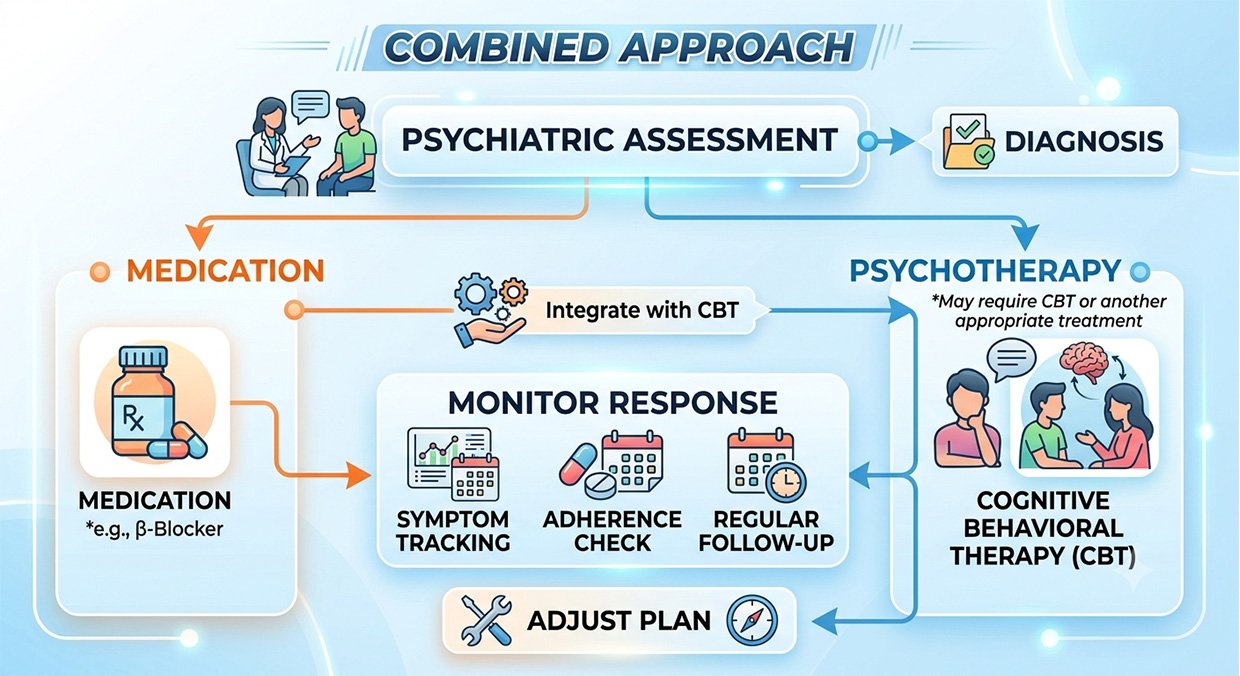
Yes. The combination of medication and CBT therapy may be applied if needed. Although medication can assist in reducing the symptoms, CBT focuses on treating issues associated with anxiety including worry, avoidance, catastrophizing, the fear of having panic attacks, and anxiety-maintaining behavior. Psychotherapy continues to remain an essential component of treatment for anxiety disorders.
Medication
May reduce symptom intensity.
CBT
May change the processes maintaining anxiety.
Combined treatment
May be appropriate when both symptom reduction and psychological change are needed.
Unsure Which Anxiety Medicine is Appropriate?
Book a Psychiatric Consultation
Phone:
Can Anti-Anxiety Medicines be used Long Term?
Some drugs can be used as a long-term treatment option, whereas some cannot due to the development of tolerance or dependence or some other reasons. SSRIs and SNRIs can be used for a long time in the treatment of various anxiety disorders, whereas benzodiazepines are usually used with caution.
Long-term strategy
SSRIs / SNRIs / appropriate alternatives/psychotherapy
Situational physical symptoms
Beta-blockers
Short-term selected strategy
Benzodiazepines
Are Anti-Anxiety Medicines safe?
If the anti-anxiety medications are used wisely and in accordance with all the rules of prescription, then they can be completely safe; however, each of the medicines has its own adverse effects and interactions. The safety of the medications depends upon the medicine itself, the dose, the patient's illness, and other factors.
Safety factors are
- Sedation
- Drug interactions
- Blood pressure
- Medical conditions
- Older age
- Dependence
- Withdrawal
- Respiratory risks with some sedating combinations
- Pregnancy
- Substance use
Should you start Anti-Anxiety Medication without seeing a Psychiatrist?
No. The selection of the right drug to treat anti-anxiety requires more than the identification of the symptoms of the anxiety disorder; one must be able to diagnose, assess its severity and risks, consider other drugs and other health issues, and understand the treatment procedure.
Anxiety is associated with many medical problems.
- Depression
- Bipolar disorder
- Substance-related conditions
- Medication effects
- OCD
- Trauma-related disorders
- Medical conditions
Already Taking an Anxiety Medicine?
Phone:
Which SSRIs are used for Anxiety?
Different SSRIs can be used for the treatment of anxiety disorders and these include sertraline, escitalopram, fluoxetine, paroxetine, and fluvoxamine. Different efficacies and indications depend on the type of anxiety disorder, previous medications, side effects, drug interactions, and individual factors.
Common SSRIs
| Medicine | Common anxiety-related uses |
|---|---|
| Sertraline | Panic disorder, social anxiety disorder, OCD and other selected conditions |
| Escitalopram | Generalized anxiety disorder and selected anxiety conditions |
| Fluoxetine | OCD and selected anxiety-related conditions |
| Paroxetine | Panic disorder, social anxiety disorder and other selected conditions |
| Fluvoxamine | Particularly relevant to OCD; selected anxiety presentations |
Is Sertraline Used for Anxiety?
Yes. Sertraline is an SSRI that has applications for various anxiety disorders such as panic disorder, social anxiety disorder, and OCD. The drug is usually used on a regular basis rather than as a rapid relief drug, and the dosage and treatment period vary depending on the specific clinical setting.
Sertraline may be prescribed in cases of anxiety where:
- Persistent worry
- Panic attacks
- Social fears
- Obsessions and compulsions
- Anxiety associated with depression
Important considerations
A psychiatrist may review
- Gastrointestinal symptoms
- Sleep
- Sexual functioning
- Previous response
- Other medications
- Individual tolerability
Is Escitalopram Used for Anxiety?
Escitalopram is an SSRI used in the treatment of depression and generalized anxiety disorder; however, depending on the clinical scenario, it may also be indicated in other forms of anxiety disorders. Escitalopram treatment is ongoing and cannot produce the instant effect achieved by benzodiazepines.
- Anxiety severity
- Sleep
- Sexual side effects
- Previous antidepressant response
- Other medications
- Coexisting depression
Is Fluoxetine used for Anxiety?
Fluoxetine is an SSRI that is used to treat conditions like depression and certain types of anxiety disorder. The half-life of fluoxetine is quite different from most of the other SSRIs.
- OCD
- Depression
- Selected anxiety presentations
Important Distinction
Fluoxetine should not automatically be considered the preferred medicine simply because it is an SSRI.
Medication choice follows diagnosis—not popularity.
Is Paroxetine used for Anxiety?
Paroxetine is an SSRI which is used for treating different kinds of anxiety disorders like panic disorders and social phobia. It can be effective but may have adverse effects and discontinuation considerations that influence whether another SSRI or treatment approach is preferred.
- Sexual side effects
- Drug interactions
- Sedation
- Discontinuation symptoms
- Weight changes
Is Fluvoxamine used for Anxiety?
Fluvoxamine belongs to the SSRI group of drugs and is essential for the management of obsessive-compulsive disorder and is applicable to some cases of anxiety disorders. Interaction between medications becomes particularly relevant when people use multiple medicines.
What Is the Difference Between Common SSRIs for Anxiety?
Common SSRIs share a broad mechanism but differ in pharmacokinetics, interactions,, indications, tolerability, and individual response. There is therefore no universal “best SSRI”; the psychiatrist selects an option based on the anxiety disorder, previous treatment, side-effect priorities and the patient's wider clinical profile.
| Consideration | Sertraline | Escitalopram | Fluoxetine | Paroxetin e | Fluvoxamine |
|---|---|---|---|---|---|
| SSRI | ✓ | ✓ | ✓ | ✓ | ✓ |
| Anxiety indications | Several | Several | Selected | Several | Selected |
| Long half-life | No | No | Yes | No | No |
| Interaction considerations | Yes | Yes | Yes | Yes | Important |
| Sexual effects possible | ✓ | ✓ | ✓ | ✓ | ✓ |
| Individual response | Variable | Variable | Variable | Variable | Variable |
Which SNRIs Are Used for Anxiety?
SNRIs, such as venlafaxine and duloxetine, are administered to alleviate specific anxiety disorders, along with depression. The drugs target the neurotransmitters serotonin and norepinephrine and are often prescribed for maintenance rather than to relieve anxiety attacks.
- Venlafaxine
- Duloxetine
- Desvenlafaxine in selected clinical circumstances
Is Venlafaxine used for Anxiety?
Yes. Venlafaxine belongs to the class of SNRIs, and its well-known indication includes some types of anxiety disorders like generalized anxiety disorder, panic disorder, and social anxiety disorder. Venlafaxine may be used when there is a need for the use of SNRI, but monitoring of side effects and withdrawal syndrome is required.
- Nausea
- Blood-pressure effects
- Sleep changes
- Discontinuation symptoms
- Sexual effects
- Other medicines
Is Duloxetine used for Anxiety?
Duloxetine falls under the SNRI category of medications that can also be used for the treatment of Generalized Anxiety Disorder other than depression and pains. The possibility of its use in case when anxiety co-exists with specific pain symptoms may sometimes affect drug choice.
SSRIs vs SNRIs for Anxiety: What Is the Difference?
SSRIs and SNRIs both have been shown to work well in the treatment of anxiety disorders. The former works on the serotonin pathway while the latter works on the serotonin and norepinephrine pathways. It is impossible to say which one of the two is better than the other.
| Feature | SSRIs | SNRIs |
|---|---|---|
| Serotonin | ✓ | ✓ |
| Norepinephrine | Less prominent | ✓ |
| Anxiety disorders | Several | Several |
| Immediate relief | No | No |
| Long-term use | Common | Common |
| Sexual effects | Possible | Possible |
| Discontinuation symptoms | Possible | Possible |
Which Benzodiazepines are used for Anxiety?
Antianxiety medications such as alprazolam, clonazepam, lorazepam, and diazepam are all examples of benzodiazepines that are known to alleviate symptoms of anxiety promptly because of their effect on the GABA-mediated inhibitory pathway. Despite their fast acting, it is prudent to handle these medications with care.
Common Examples
| Medicine | General clinical characteristic |
|---|---|
| Alprazolam | Shorter acting |
| Clonazepa m | Longer-acting |
| Lorazepam | Intermediate duration |
| Diazepam | Longer acting |
Is Alprazolam used for Anxiety?
Alprazolam is an example of a benzodiazepine which can provide fairly quick treatment of anxiety symptoms. This drug causes the development of dependence and tolerance, and therefore, should not be recommended for prolonged use due to its potential side effects.
Why patients may notice it quickly
It can produce:
- Reduced acute anxiety
- Physical relaxation
- Sedation
Why Caution Is Necessary
Multiple uses can result in:
- Tolerance
- Dependence
- Withdrawal risk
Is Clonazepam used for Anxiety?
Clonazepam is a long-acting benzodiazepine that may be prescribed for some anxiety patients. The fact that this drug has a prolonged period of action influences decision-making; however, this is still a benzodiazepine that may cause sedation, tolerance, dependence, and withdrawal symptoms.
- Severe anxiety
- Panic symptoms
- Certain other psychiatric conditions
Is Lorazepam used for Anxiety?
Lorazepam is one of the benzodiazepines that may offer quick relief of severe anxiety, among other indications. As the use of the drug may cause dependence and sedation effects, care must be taken when using it for a longer period of time.
Is Diazepam used for Anxiety?
Diazepam is an anxiolytic drug and a long-acting benzodiazepine. But, Diazepam leads to dependency and causes excessive sedation Its long duration of action may be useful in particular circumstances but does not make it automatically preferable for chronic anxiety.
Are Benzodiazepines better than SSRIs for Anxiety?
Benzodiazepines cannot simply be evaluated on the basis of their efficiency compared to SSRIs, in the context of being superior or more efficient than them. The speed at which benzodiazepines act is higher, and in some cases they may be needed for certain limited periods of time, unlike SSRIs.
The difference is better understood as
| Benzodiazepines | SSRIs | |
|---|---|---|
| Speed | Rapid | Gradual |
| Long-term role | Limited/selected | Common |
| Dependence | Important risk | Not generally addictive |
| Withdrawal | Important | Discontinuation symptoms possible |
| Sedation | Common consideration | Less characteristic |
| Role | Selected acute/short-term situations | Long-term anxiety treatment |
Why are Benzodiazepines not usually the First Long-Term Treatment for Anxiety?
Benzodiazepines do offer immediate relief, but their prolonged usage might lead to tolerance and dependency, along with possible problems associated with the patient’s recovery process. For chronic anxiety disorders, evidence-based treatments such as SSRIs, SNRIs, and psychological therapies are generally more suitable long-term strategies.
This distinction is particularly important for users searching:
“Best medicine for anxiety that I can take every day.”
The answer should never simply be:
“Take a benzodiazepine.”
What is Buspirone used for?
Buspirone is an anti-anxiety medication that is used when treating a person with generalized anxiety disorder. The difference between buspirone and drugs like alprazolam or clonazepam is that this medicine doesn’t work instantaneously but needs repeated doses.
The use of buspirone can be considered when
- Generalized anxiety is persistent
- Long-term treatment is needed
- A non-benzodiazepine option is preferred
- The clinical profile is appropriate
How is Buspirone different from Benzodiazepines?
There are two drugs that can be used in the treatment of anxiety disorder; however, their methods of action and clinical features differ. Buspirone is a drug conventionally used in the treatment of generalized anxiety disorder, while benzodiazepines can develop tolerance and physical dependence in addition to the rapid calming effects.
| Feature | Buspirone | Benzodiazepines |
|---|---|---|
| Immediate relief | No | Yes |
| Regular treatment | ✓ | Sometimes |
| Main role | GAD | Selected short-term situations |
| Dependence risk | Lower | Significant |
| Sedation | Generally less | More common |
| Takes time to work | ✓ | No |
Can Pregabalin be used for Anxiety?
Pregabalin is indicated in some countries for the treatment of generalized anxiety disorder, despite variations in its role depending on the guidelines and approvals. Pregabalin may reduce anxiety symptoms, but it also comes with various side effects, such as dizziness, drowsiness, and others. Pregabalin should be considered carefully in individuals at risk of substance use/dependence.
Important Distinction
Pregabalin is not simply another benzodiazepine.
It has a different mechanism and clinical profile.
- Diagnosis
- Kidney function
- Regulatory/guideline issues
- Previous treatment
- Sedation risk
- Other medicines
- Substance-use history
Are Beta-Blockers used as daily Anxiety Medicines?
Beta blockers are not recommended to be taken as a universal remedy for anxiety on a daily basis. The purpose of taking beta blockers is only to minimize certain bodily symptoms including tremors, sweating, and palpitations, especially in selected instances involving performances.
Which Medicine is used for Which Anxiety Disorder?
The medication selection process is significantly influenced by the particular anxiety disorder type. SSRIs and SNRIs have been found effective for various disorders, but the use of benzodiazepines is limited to specific cases, buspirone has its particular application in generalized anxiety disorder, and beta-blockers are suitable for improving physical performance.
| Anxiety condition | Common medication considerations |
|---|---|
| Generalized Anxiety Disorder | SSRIs, SNRIs; selected alternatives |
| Panic Disorder | SSRIs/SNRIs; selected alternatives |
| Social Anxiety Disorder | SSRIs/SNRIs; selected situations may involve beta-blockers |
| Performance Anxiety | Beta-blockers may help physical symptoms. |
| OCD | SSRIs; other specialist options |
| Anxiety + Depression | Antidepressants may address both. |
| Acute severe anxiety | Rapid-acting options may sometimes be used selectively. |
What is the best medicine for Generalized Anxiety Disorder?
There is no best medication that is available to treat GAD. SSRI and SNRI are evidence-based medication treatment options, but there could be other medication options available, depending on past history of response, side effects, underlying medical condition, and personal preferences of patients. Psychological treatment is another evidence-based treatment option for GAD.
- Duration of anxiety
- Depression
- Medical history
- Severity
- Previous treatment
- Patient preference
- Sleep
- Side effects
What is the Best Medicine for Panic Disorder?
For long-term treatment of panic disorder, antidepressants such as SSRIs and SNRIs have an established role, while CBT is also an important treatment. Benzodiazepines can reduce symptoms rapidly, but are generally not preferred as a long-term treatment strategy because of dependence and other risks.
- Panic Disorder Treatment in Delhi
- Panic Attacks
What is the best Medicine for Social Anxiety Disorder?
SSRIs and SNRIs are drugs often chosen when social anxiety disorder becomes chronic, and CBT is an evidence-based therapy that can be used. For certain performances, the beta-blockers can control the tremors and palpitations but will not influence the overall psychological disorder.
Can Medication and CBT be used together for Anxiety?
Yes. Combination therapy of medications and CBT can be considered if applicable. The use of medications helps to lower the intensity of symptoms experienced in anxiety, whereas CBT assists with worry, avoidance, catastrophizing, panic concerns, and other problematic behavior patterns. The best strategy will depend on the patient’s needs and preferences.
Looking for Guidance on What Anxiety Drug to Take?
Phone:
What Factors Can Make One Anxiety Medicine More Suitable Than Another?
Medication selection depends on more than the severity of anxiety. Some of the factors that might be considered by the psychiatrist include the particular diagnosis, the need for rapid relief from symptoms, past experiences of medication, sleep issues, existing medical problems, other medications, substance use, pregnancy/breastfeeding, and side effect preferences.
Clinical decision factors
| Factor | Why it matters |
|---|---|
| Diagnosis | Determines evidence-based options |
| Speed required | Acute vs long-term treatment |
| Previous response | Helps guide future selection |
| Sleep | Sedating/activating effects |
| Medical conditions | Safety |
| Other medicines | Interactions |
| Substance-use history | Dependence risk |
| Age | Tolerability and safety |
| Pregnancy | Risk-benefit assessment |
| Patient preference | Shared decision-making |
Can the same Anxiety Medicine work differently in different people?
Yes. There is a significant variation in response from one individual to another. For example, even if two individuals have the same type of anxiety disorder, their response to a particular medication will vary. Other factors that determine the effect of a medication include previous treatment history, genetics, other medical conditions, etc.
What If the First Anxiety Medicine does not work?
Failure to respond positively to a certain medication is not an indication that anxiety cannot be treated. Before trying anything else, the psychiatrist will evaluate all other aspects of the diagnosis, treatment compliance, treatment time frame, dosage, side effects, and other variables.
Can Anti-Anxiety Medicines be combined?
There may be cases where anxiety medications can be used alongside other treatment methods; however, combining medication can also pose a risk in terms of increased sedation and possible reactions. It is thus important that there is clinical justification in combining these medications.
- Benzodiazepines
- Alcohol
- Multiple psychiatric medicines
- Other sedatives
- Opioid medicines
Struggling with Anxiety Despite Taking Anti-Anxiety Medication?
Phone:
What are the common side effects of Anti-Anxiety Medicines?
Side effects vary depending on the drug type, dose, and patient. The common side effects of SSRIs and SNRIs include nausea, headaches, sleep problems, and sexual dysfunction. Benzodiazepines result in sedation and poor alertness, while Buspirone causes dizziness and headaches, and beta-blockers affect the heart rate and blood pressure.
Common possibilities
| Medication group | Potential side effects |
|---|---|
| SSRIs | Nausea, headache, sleep changes, sexual effects |
| SNRIs | Feelings of nausea, headaches, changes to sleep patterns, sexual side effects, blood pressure changes |
| Benzodiazepines | Sleepiness, lack of coordination, reduced reaction speed |
| Buspirone | Dizziness, headaches, nausea |
| Pregabalin | Dizziness, sleepiness, blurring of vision (in some cases) |
| Beta-blockers | Slowed heart rate, low blood pressure, feeling tired |
Do Anti-Anxiety Medication Side Effects Improve With Time?
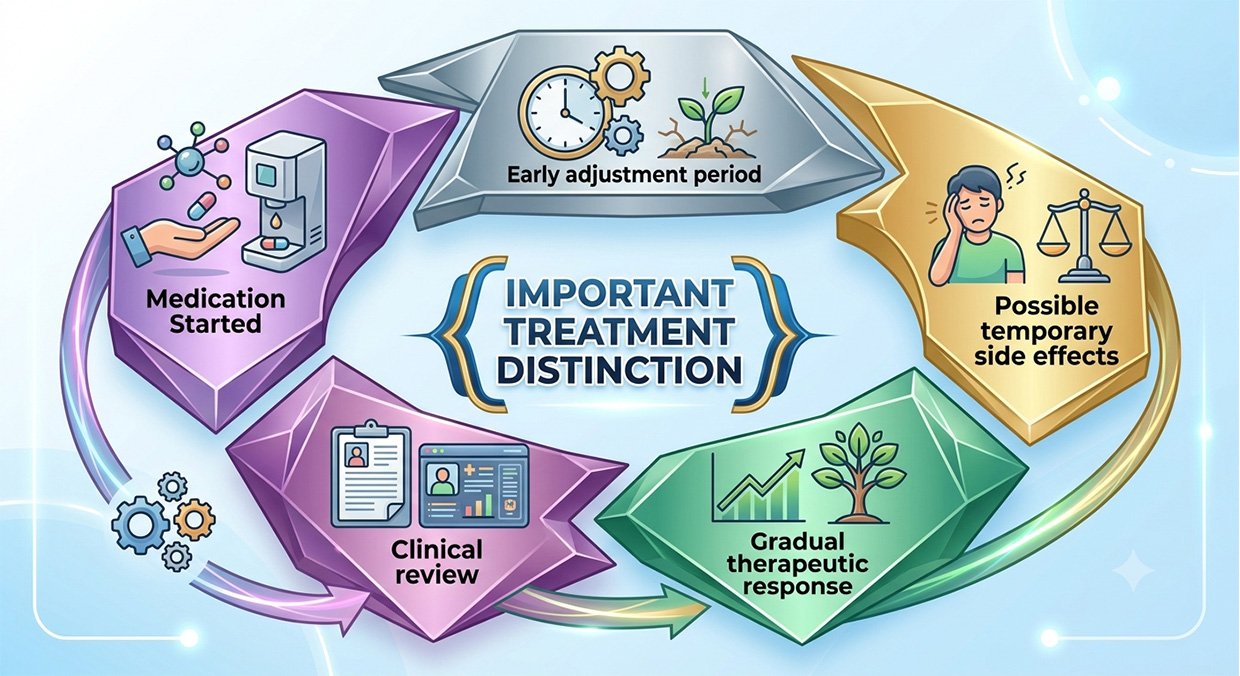
However, some of the initial side effects associated with SSRIs, SNRIs, and others drugs will reduce or subside with time, though not necessarily. Those that remain persistent, severe, or interfering with normal activities need to be assessed and discussed with your treating doctor, rather than ignoring or managing on your own.
Early symptoms may be
- Nausea
- Headache
- Dizziness
- Sleep changes
- Restlessness
- Fatigue
Persistent symptoms may require a treatment review
Especially when they affect:
- Work
- Driving
- Sexual functioning
- Sleep
- Appetite
- Daily functioning
Can SSRIs and SNRIs Initially Increase Anxiety?
A number of individuals suffer from temporary restlessness, nervousness, difficulty sleeping, or increased anxiety while on SSRI/SNRI medication. It takes several weeks before such medications fully show their effectiveness, hence the need for close observation when beginning treatment. Any substantial or persistent worsening must be communicated to the prescribing physician.
Can Anti-Anxiety Medicines Cause Sexual Side Effects?
Some sexual side effects have been reported for some serotonergic drugs, especially SSRIs and some SNRIs. They may involve reduced libido, difficulty with arousal or delayed orgasm. Anxiety and depression themselves can also affect sexual functioning, so the timing of symptoms and changes after medication are important when assessing the cause.
Possible Symptoms
- Reduced sexual desire
- Delayed orgasm
- Difficulty becoming aroused
- Reduced sexual satisfaction
Can Anti-Anxiety Medicines Affect Sleep?
Yes. The impact of various medicines on sleep can vary significantly. For instance, SSRIs and SNRIs could induce insomnia or drowsiness at the beginning stage, while the effect of benzodiazepines can be sedation. All those factors mentioned above, such as the anxiety disorder itself, sleep patterns and other medicines, need to be taken into account.
Assess
- Difficulty falling asleep
- Daytime sleepiness
- Changes after starting medication
- Night-time waking
- Fatigue
Can Anti-Anxiety Medicines Cause Weight Changes?
Weight effects vary considerably between medications and individuals. Changes in weight or appetite are associated with certain antidepressants and other psychiatric medications, whereas others tend to have very few effects on them. The baseline weight, appetite, metabolism, and objective of the treatment are important factors to consider when choosing medications.
- Depression
- Sleep disturbance
- Emotional eating
- Metabolic concerns
Are Benzodiazepines Addictive?
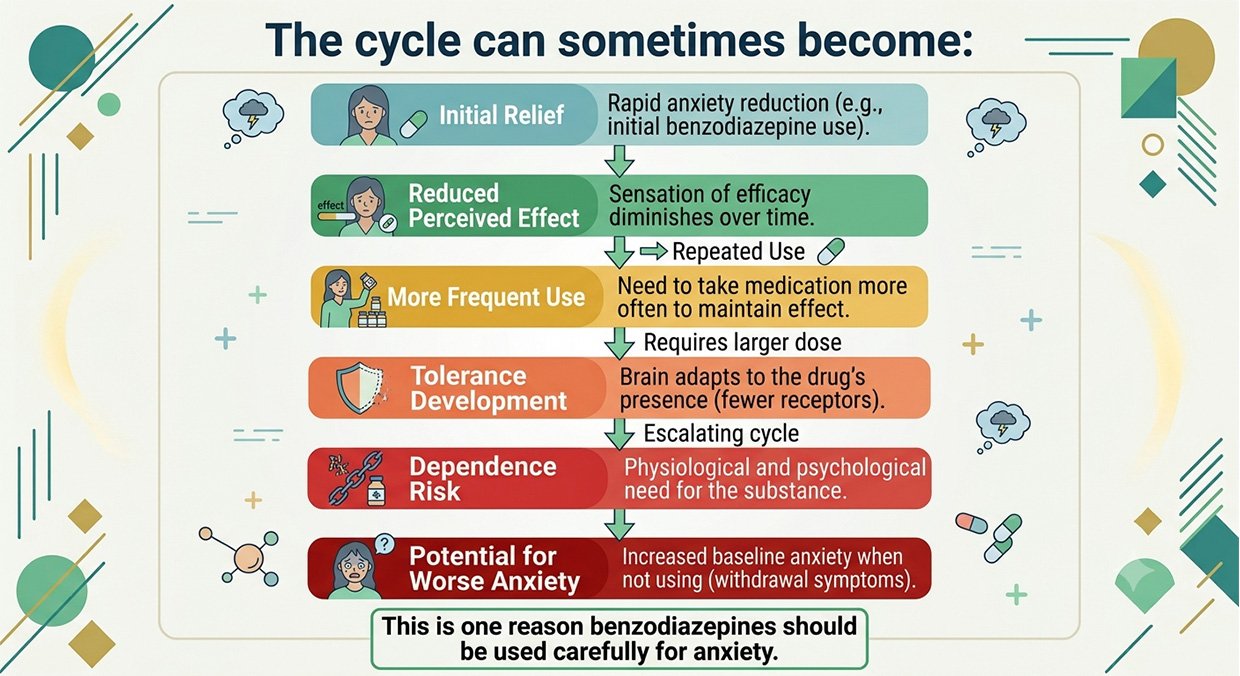
Benzodiazepines have the potential to lead to tolerance, dependence, and withdrawal, especially when used repeatedly over time. Dependency is not necessarily addiction, although the dangers involved require that caution should be taken in prescribing benzodiazepines.
The distinction
Tolerance
The same dose becomes increasingly less effective over time.
Addiction
Compulsiveness, lack of control and continued usage despite harmful consequences.
Dependence
The body gets used to the medication and withdrawal symptoms can manifest themselves if there is any reduction or cessation of the dose.
Can you become dependent on Alprazolam or Clonazepam?
Yes. The drugs like Alprazolam and Clonazepam, and other benzodiazepines, do cause physical dependence, especially with continuous or prolonged use. It is different for different individuals depending on many factors including the drug used, the duration of treatment, and the pattern of use.
Can Benzodiazepines cause Withdrawal Symptoms?
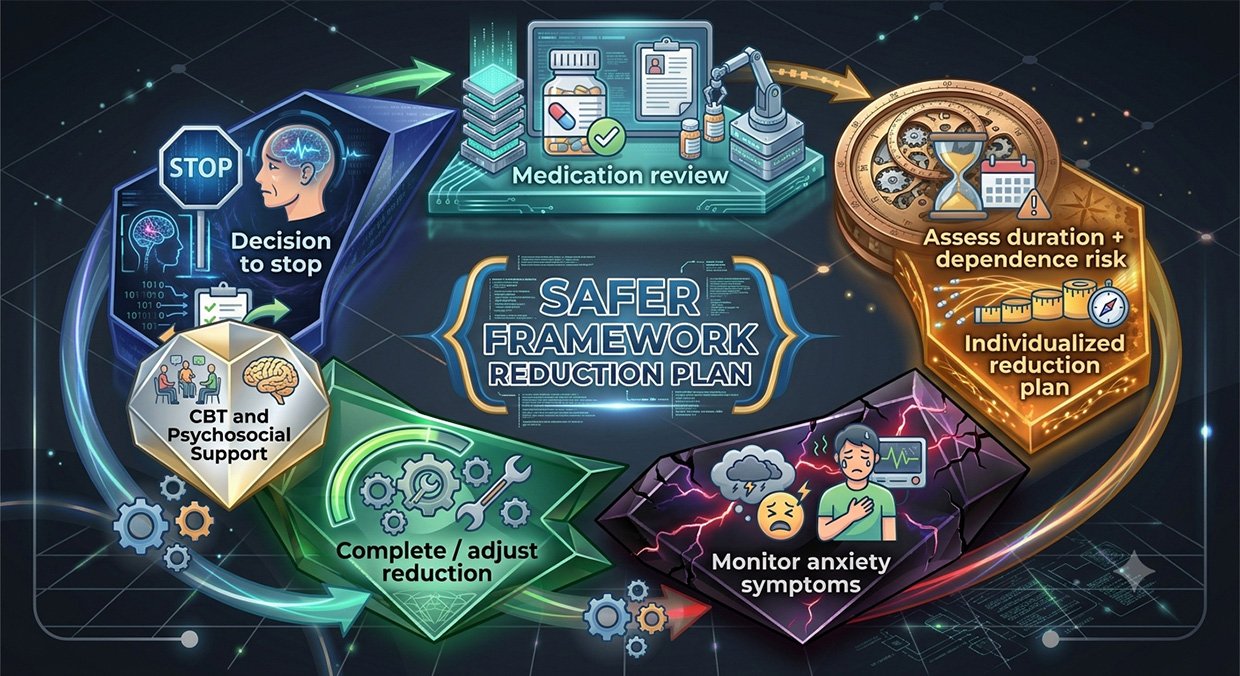
The withdrawal of stopping or reducing the intake of benzodiazepines after long-term use might result in withdrawal effects such as anxiety, insomnia, restlessness, and more. Therefore, the drug should not be stopped abruptly.
- Anxiety
- Insomnia
- Tremor
- Headache
- Irritability
- Restlessness
- Sweating
- Physical discomfort
Should Benzodiazepines be stopped Suddenly?
Benzodiazepines are usually not abruptly withdrawn from a patient on long-term treatment. The drug is reduced gradually to avoid any withdrawal reactions and separate the withdrawal from relapse of the anxiety disorder itself. The reduction plan must be individualized rather than copied from an online schedule.
Can you drive after taking Anti-Anxiety Medicines?
Sedative drugs such as benzodiazepines as well as certain others used for anxiety disorders may affect alertness, coordination, and reaction time. The patient must be aware of the effects that his/her medication has on him/her and follow proper instructions before operating motor vehicles or machinery.
Potential concerns
- Drowsiness
- Impaired coordination
- Dizziness
- Slower reactions
- Reduced attention
Can Anti-Anxiety Medicines be taken with Alcohol?
Alcohol will intensify the effects of sedation and impairment when used with any drugs that affect the central nervous system, especially benzodiazepines. Alcohol can also exacerbate anxiety and sleep disorders. A person should talk to the prescribing physician before considering alcohol consumption with any prescription drug.
Can Benzodiazepines be taken with Opioid Pain Medicines?
Taking benzodiazepines together with opioids may cause excessive drowsiness and suppression of breathing. Such a combination must be monitored by the physician, and the patient must make sure that all his or her physicians know what medications he or she takes.
Can Anti-Anxiety Medicines interact with other medicines?
Yes. Antianxiety medications could also react with prescription medications, over-the-counter medications, supplements and alcohol. Such reactions could result in increased levels of sedation, changes in blood pressure and heart rate, variations in the concentration of drugs, or increase in specific risks of other medications.
Tell your psychiatrist about
- Prescription medicines
- Sleeping medicines
- Migraine medicines
- Vitamins
- Supplements
- Painkillers
- Allergy medicines
- Other psychiatric medicines
- Herbal products
- Alcohol or recreational substances
Can Anti-Anxiety Medicines Be Used During Pregnancy?
Medication choices in pregnancy demand individual risk-benefit analysis. The medication in question, the phase of pregnancy, degree of anxiety, response to earlier therapy, effects on the fetus or baby, and other available options must be taken into account prior to initiating, modifying or discontinuing the medication.
Important
Do not discontinue any psychiatric medication due to pregnancy without consulting your healthcare provider.
Can Anti-Anxiety Medicines be used while Breastfeeding?
There are some mental disorders that can take certain medications during breast-feeding when there is a need for that, but this can depend on the particular medication, dosage, the child's age and state of health, as well as the condition of the mother.
Are Anti-Anxiety Medicines Safe for Older Adults?
Older people might be more sensitive to the effects of sedation, dizziness, lack of coordination, and drug interactions. It is important to consider special caution when using benzodiazepines as these drugs can cause sedation and lack of balance, which can lead to injuries.
- Falls history
- Cognitive status
- Other medications
- Sleep
- Balance
- Blood pressure
- Kidney/liver function
- Alcohol use
Are Beta-Blockers Safe for Everyone With Anxiety?
No. Beta blockers can influence your heart rate, blood pressure and breathing and can be unsuitable for patients with some illnesses. According to NIMH, beta-blockers usually should not be used by patients suffering from asthma or diabetes as they can make these diseases even worse. Medical assessment is therefore important before using them for anxiety symptoms.
What are the safety considerations with Pregabalin?
Pregabalin may lead to dizziness and drowsiness, and the drug needs to be properly assessed in patients who have had substance misuse or dependence problems before. According to NICE, pregabalin could be taken into consideration for generalized anxiety disorder treatment in cases where SSRIs and SNRIs cannot be well tolerated, but the need to assess abuse and dependence should also be considered.
Can Anti-Anxiety medicines make you feel Emotionally Numb?
Other people have reported that they experience decreased emotional sensitivity or “emotional blunting” when on some forms of psychiatric medication, although anxiety and depression may alter emotions in their own way. If emotional numbness is persistent or troublesome, the medication and underlying symptoms should be reviewed rather than assuming that treatment must simply continue unchanged.
Can Anti-Anxiety Medicines Make Anxiety Worse?
Some drugs can cause increased restlessness or anxiety on drug administration, whereas some other drugs can cause a rebound effect with increased anxiety once the drug stops working or once discontinued abruptly. In case of increased anxiety, one needs to assess the reasons behind such anxiety related to:
- Early SSRI/SNRI activation
- Benzodiazepine rebound
- Underlying disorder worsening
- Substance use
- Missed doses
- Withdrawal
- New stressors
- Another psychiatric or medical condition
What Happens If I Miss an Anxiety Medication Dose?
It is important to consider that there will be different recommendations to make depending on the type of medication and the time that it has been missed. It is recommended that individuals should check their medication instructions for proper administration, or they can seek advice from their pharmacists or clinicians rather than taking another dose immediately.
Should I Stop My Anxiety Medication When I Feel Better?
Feeling better does not necessarily imply stopping medication. The proper amount of time varies according to the type of anxiety disorder, chances of recurrence, reaction to the medications, past history, and other factors. This matter needs to be discussed with the prescriber of the medication.
How is Anxiety Medication Monitored?
Medication monitoring includes evaluation of symptoms of anxiety, functioning, side-effects, compliance, interactions, and safety. Follow-up at an early stage is especially helpful when initiating or switching medications, whereas follow-up for a longer period aids in assessing the utility of the medication.
Monitoring domains
| Domain | What is assessed? |
|---|---|
| Anxiety | Worry, fear, panic |
| Function | Work, study, relationships |
| Sleep | Improvement or worsening |
| Sedation | Alertness and daytime function |
| Physical symptoms | Heart rate, tremor, dizziness |
| Sexual health | Medication-related effects |
| Dependence | Particularly with benzodiazepines |
| Adherence | Regular medication use |
| Interactions | New medicines/supplements |
| Safety | Suicidal thoughts / behavioural changes |
How do you know Anxiety Medication is Working?
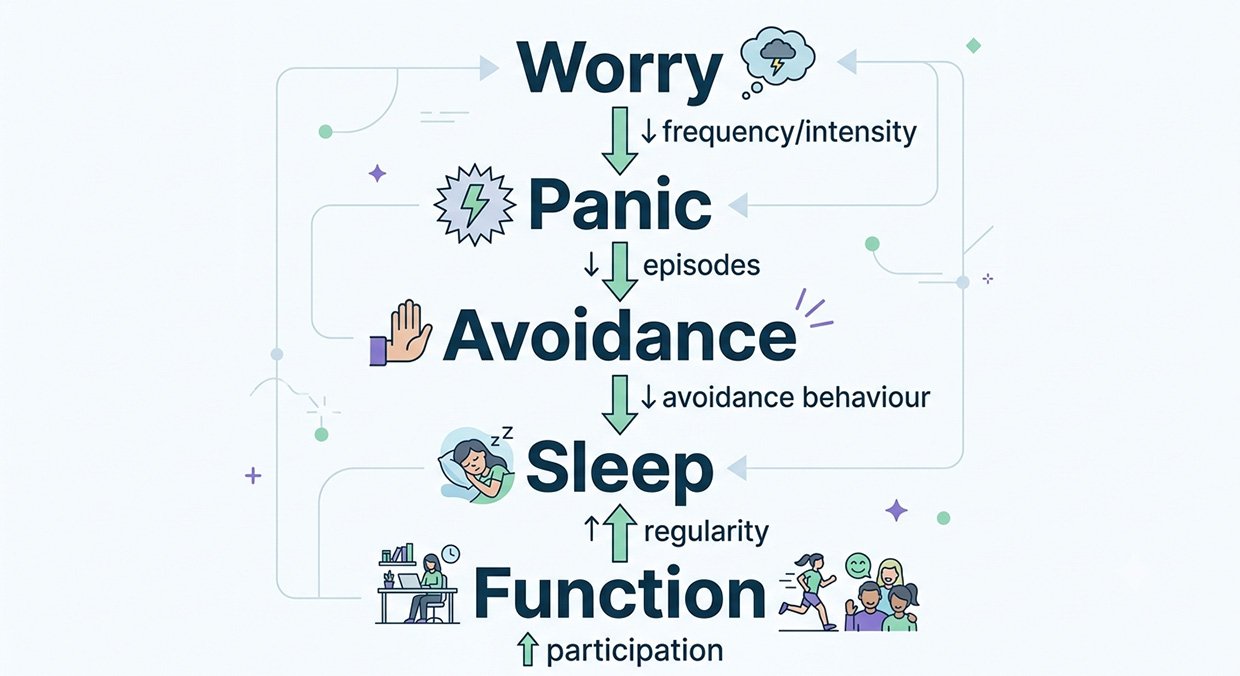
The treatment must lead to some improvement in anxiety as well as in day-to-day functioning, and not merely in producing sedation. The extent of improvement varies depending on the condition but includes reduction in excessive worrying, panic attacks, avoidance behavior, insomnia, concentration difficulties, and inability to work and study.
Some improvements include
What if Anxiety Medication is not working?
If an anxiety drug is not giving sufficient results, then the psychiatrist will recheck the diagnosis, adherence to the treatment, duration of treatment, dosage, adverse effects, and presence of other health conditions before opting for any new form of treatment. This could include changing medications, augmenting the treatment, psychotherapy, or another form of treatment.
SAFETY / MEDICATION REVIEW
Experiencing Side Effects from Anxiety Medications?
Book a Medication Review
When should you contact your Psychiatrist?
Consult your psychiatrist in case the side effects persist, anxiety is increasing, sedation is too high, you have decided to discontinue medication, there is another medication prescribed or you are uncertain of the efficacy of your treatment. It is especially crucial in cases of major changes in behavior, severe withdrawal symptoms and possible interactions of medications.
You should contact your clinician if you have experienced
- Persistent side effects
- Significant dizziness
- Problems with sexual functioning
- Increasing use of benzodiazepines
- New medicines or supplements
- Return of severe anxiety
- Excessive daytime sedation
- New or worsening anxiety
- Withdrawal symptoms
- Desire to stop medication
- Pregnancy
When is urgent Medical or Psychiatric help needed?
Immediate evaluation is needed for critical adverse reaction to drugs, severe confusion, severe sedation, difficulty breathing, overdose, withdrawal, or suicidal ideations. Emergencies related to medications cannot be dealt with by changing the dosage on one's own.
Seek urgent help for
- Difficulty breathing
- Serious overdose
- Severe withdrawal symptoms
- Immediate risk of self-harm or suicide
- Severe sedation or inability to stay awake
- Severe confusion
- Serious medication reaction
If Anxiety Comes with Suicidal Thoughts
Anxiety may come together with depression and other disorders that have a high suicide risk. If someone has:
- Immediate suicidal intent
- Recent serious self-harm
- Severe behavioural deterioration
- A suicide plan
- Inability to stay safe
What should you tell your Psychiatrist before starting Anxiety Medication?
It is crucial that you tell your psychiatrist about all the medications that you currently take, your allergies, previous responses to medications, any medical or psychological problems in the past or the present. You should also mention if you use any substances, or are pregnant or breastfeed.
Bring or mention
- Current medication list
- Previous side effects
- Allergies
- Alcohol/substance use
- Pregnancy/breastfeeding where relevant
- Previous anxiety medicines
- Medical conditions
- Supplements
- Previous psychiatric treatment
- Questions about treatment
Why is Medication review important?
Anxiety treatment should be reviewed from time to time as symptoms, the individual’s circumstances, other medications taken, and treatment objectives may vary. Medication that worked well during a certain acute phase of illness may no longer be the best option for the long term, or a therapy that once had side effects may become acceptable.
The aim is not just:
“Continue the same tablet.”
The goal is:
“Continue the treatment that provides the best balance of benefit, safety and functioning.”
Can Anxiety medication be combined with Psychotherapy?
Certainly. There is no problem using both psychotherapy and medication simultaneously in some cases. NIMH suggests psychotherapy or medication or both for the treatment of GAD and mentions CBT as an evidence-based psychological treatment. It may be beneficial to use combination therapy when there is a need to address both symptoms and psychological aspects, such as worry and avoidance.
Can Anxiety be treated without Medication?
Yes. Medication is not necessarily needed by everyone diagnosed with an anxiety disorder. In some cases, cognitive behavioral therapy and other scientifically proven psychotherapies can be used without medication, or together with it. The right choice depends on the particular case of the patient.
What if the First Anti-Anxiety Medicine does not work?
A failure to react adequately to one anxiety drug does not necessarily indicate that the disorder is not treatable. Before opting to optimize the treatment strategy, change drugs, use psychotherapy or another evidence-based approach, the doctor should evaluate diagnosis, adherence to medication, duration, dosage, side effects and comorbidities.
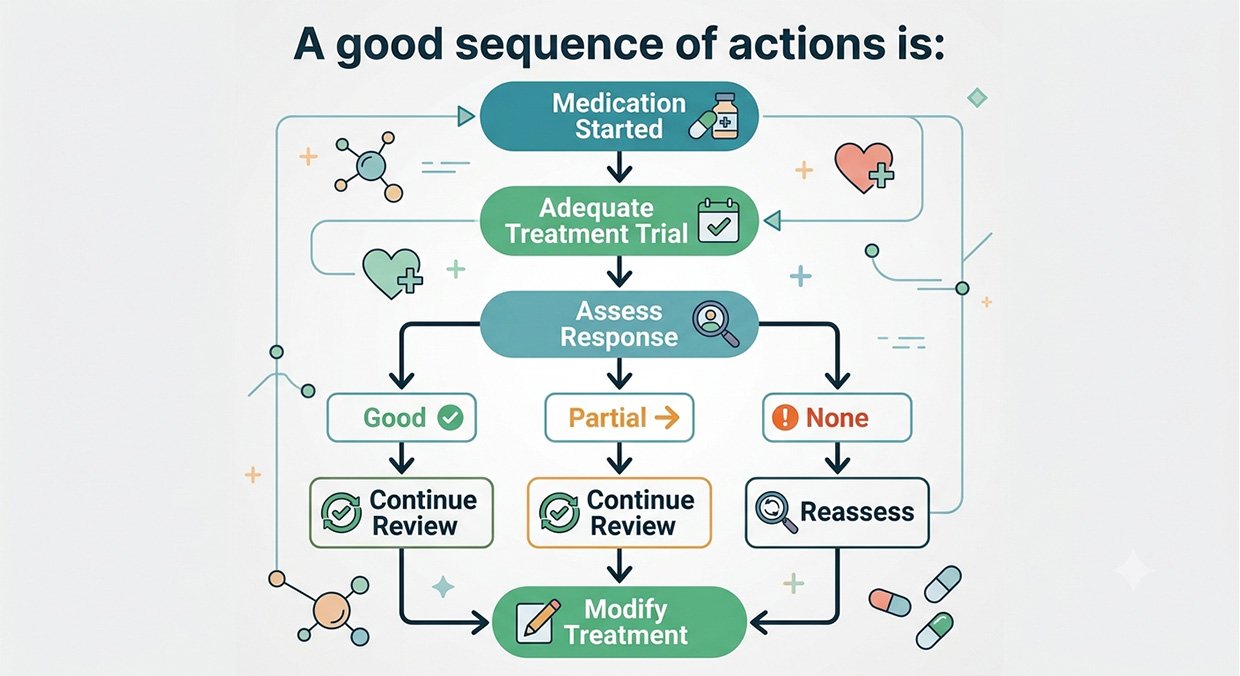
Before changing medication, the psychiatrist may assess
- Is the diagnosis correct?
- Was treatment continued long enough?
- Are side effects limiting treatment?
- Is OCD or another condition contributing?
- Is sleep significantly disrupted?
- Was the medicine taken consistently?
- Was the dose appropriate?
- Is depression also present?
- Is substance use affecting symptoms?
- Could a medical condition be contributing?
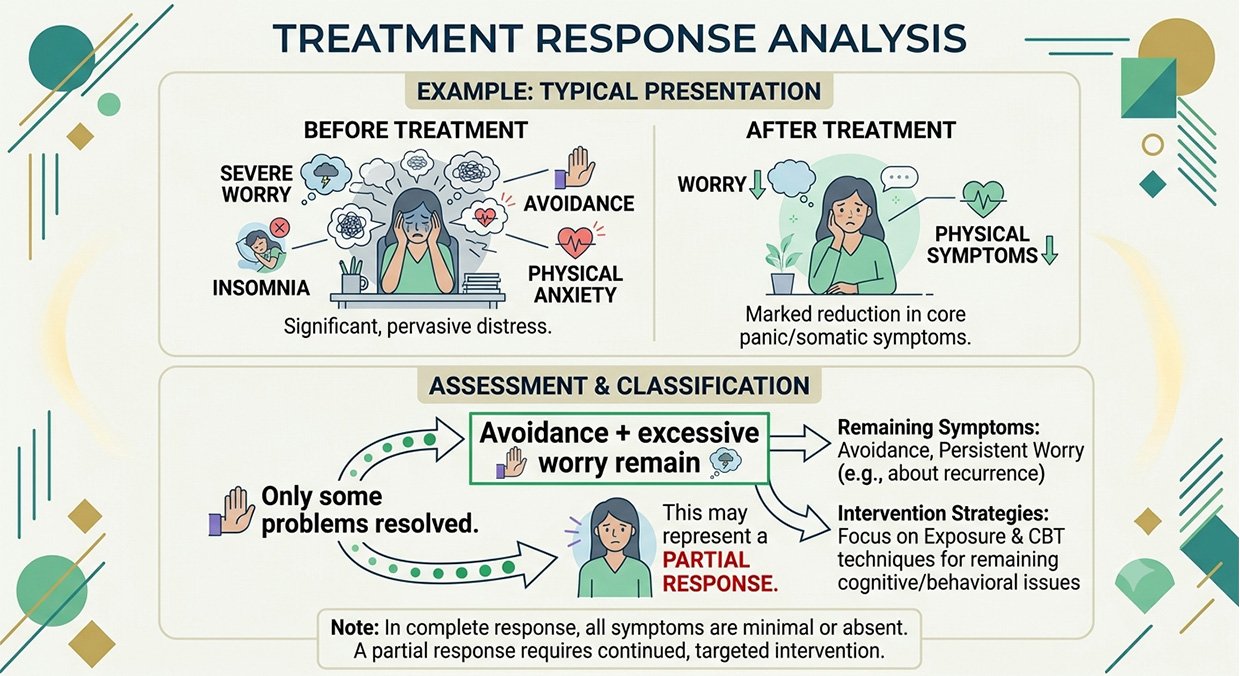
What If Anxiety Medication Helps but Does Not Fully Work?
Partial improvement can be clinically useful information. In case there is reduction in anxiety even when some symptoms are left, the psychiatrist can think of improving on the effectiveness of the drug by combining it with other techniques such as CBT and psychotherapy.
When Should an Anxiety Medicine Be Changed?
A medication may be reconsidered when it provides inadequate benefit despite an appropriate treatment trial, causes troublesome adverse effects, interacts with another medicine, is unsuitable because of a medical condition or does not match the patient's treatment needs. Switching should be planned clinically rather than done abruptly.
1. Inadequate response
Symptoms remain significant.
3. Safety concerns
A medical or medication interaction changes the risk profile.
5. Change in clinical picture
The diagnosis or treatment needs have changed.
2. Poor tolerability
Side effects outweigh the benefit.
4. Patient preference
The treatment burden becomes unacceptable.
Can you switch from one Anti-Anxiety Medicine to another?
Certainly. Switching may be indicated if the initial drug does not produce the desired effect and/or is poorly tolerated or in any other way inappropriate. The technique of switching is determined by the specific drugs, their pharmacology, period of treatment and the patient’s particular condition, hence, self-switching is to be avoided.
- Direct switching
- Cross-tapering
- Gradual reduction
- A planned treatment transition
What If a Benzodiazepine is no longer working?
However, if the effectiveness of a benzodiazepine decreases, increasing the dosage on its own does not present a viable option for a patient. Decreasing effectiveness might indicate either development of tolerance, deterioration of anxiety symptoms, development of dependence, occurrence of withdrawal between the dosages, or some other issue.
Can Anxiety Medication be combined with CBT?
Yes. Medication can be used in combination with CBT when it is deemed clinically appropriate to do so. Medication will help decrease the intensity of anxiety symptoms, while CBT helps to address issues like worry, avoidance, catastrophizing, safety behaviors, and other psychological mechanisms involved in maintaining anxiety.
Medication can assist with:
- Symptom intensity
- Physical arousal
- Persistent anxiety
Together Medication + CBT
can provide a broader treatment approach.
CBT may help with:
- Avoidance
- Worry
- Fear interpretation
- Behavioural patterns
- Coping skills
- Relapse prevention
Can Anxiety be treated with Psychotherapy instead of Medication?
Yes. Depending on the type of anxiety disorder and its level of intensity, psychotherapy may either be used alone or with drugs. CBT is a recognized approach to a number of anxiety disorders and deals with patterns like avoidance and catastrophizing. The right treatment will depend on a variety of factors.
When should CBT be considered for Anxiety?
If anxiety is maintained due to ongoing worry, avoidance, catastrophizing, fears regarding physical feelings or behavior, then CBT could be especially effective. It can be used separately or in conjunction with drugs depending on the specific anxiety disorder and its intensity.
- Generalized anxiety disorder
- Social anxiety disorder
- Other anxiety-related conditions
- Panic disorder
- Anxiety associated with depression
What if Anxiety and Depression occur together?
Both depression and anxiety often go hand-in-hand and require treating both disorders. For instance, taking an antidepressant will treat depression and anxiety symptoms based on the patient’s presentation. Also, cognitive behavioural therapy will target the cognitive and behavioral aspects in the patient. Initially, the psychiatrist needs to establish which is the best explanation for the presenting symptoms.
- Persistent sadness
- Loss of interest
- Sleep problems
- Irritability
- Excessive worry
- Poor concentration
- Low motivation
What If Anxiety Occurs With OCD?
Anxiety can occur alongside OCD, but OCD requires its own diagnostic assessment and treatment strategy. SSRIs and specialized psychological treatment such as exposure and response prevention (ERP) have established roles in OCD, and simply treating “anxiety” without identifying obsessive-compulsive symptoms may miss an important part of the clinical picture.
What if Anxiety is causing severe sleep problems?
Insomnia and anxiety tend to be intertwined because anxiety will make it hard for someone to sleep, while insomnia makes one susceptible to emotional problems. This means that treatment should focus on the two disorders rather than always opting for a drug that puts one to sleep.
The treatment might include
- Anxiety treatment
- Sleep-focused interventions
- Medication review
- CBT
- Behavioural strategies
How long should Anti-Anxiety Medication be taken?
Not all anxiety disorders or patients require the same period of time to achieve positive results. The treatment time varies according to diagnosis, severity, risk of recurrence, response to treatment, type of medication, side effects, and patient preference. Some patients might need long term treatment while others might consider gradually stopping their medication under medical supervision.
Can Anxiety return after stopping Medication?
Yes. The onset of anxiety symptoms following the discontinuation of treatment may occur if the condition causing the symptom is active or if there is a previous history of recurring symptoms. These conditions should be distinguished from the occurrence of symptoms caused by the cessation of certain medications, which is also an expected reaction to the discontinuation of these drugs.
Possible explanations after stopping
- Withdrawal
- Return of anxiety
- Both
How can Anxiety relapse be prevented?
Recovery prevention entails early detection of warning signs and sustaining recovery techniques. This may entail medication management, CBT, adequate sleep, stress management, lessening of avoidance, follow-up visits, and a recovery plan to seek help when symptoms start to return.
A relapse prevention plan might entail
- Early warning signs
- CBT skills
- Stress-management strategies
- Follow-up schedule
- Medication plan
- Sleep routine
- Support system
- Action plan for worsening symptoms
What is the Role of rTMS in Anxiety Treatment?
rTMS is a brain-stimulation technique which is currently used as an effective treatment for some mental illnesses, especially depression; however, when applied to anxiety disorders, it is very dependent upon the particular illness and medical situation. rTMS should never be advertised as a simple substitute for CBT and medication for anxiety disorders.
For Headspace, this should link to:
→ rTMS Therapy in Delhi
→ rTMS for Anxiety
The phrasing should remain appropriately conservative due to the heterogeneity in the evidence base across anxiety disorders.
What happens during a Psychiatric Consultation for Anxiety?
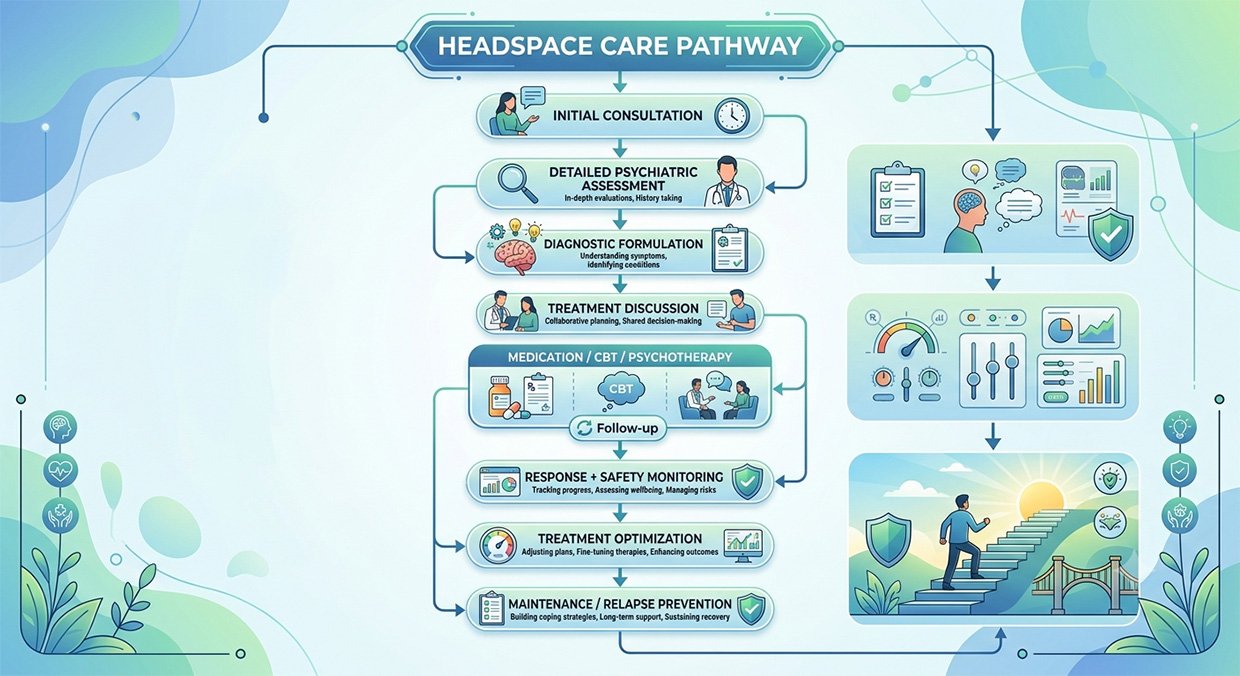
A psychiatric consultation involves understanding the anxiety symptoms, identifying the underlying disorder, assessing severity and functioning, reviewing medical and medication history, and discussing treatment options. Depending on the presentation, treatment may involve medication, CBT, psychotherapy, combined treatment or another evidence-based approach.
The consultation may cover
Symptoms
What are you experiencing?
Triggers
When does anxiety become worse?
Physical symptoms
Palpitations? Trembling? Sleep problems?
Previous treatment
What have you tried?
Treatment
What approach is appropriate?
Duration
How long has it been happening?
Function
How is it affecting work, study or relationships?
Avoidance
What situations are you avoiding?
Safety
Are there suicidal thoughts or other risks?
What should I bring to an Anxiety Medication consultation?
A current list of medications, previous prescriptions, medical records, and information on previous reaction to treatment may help in making the consultation more effective. The patient needs to inform the doctor of the supplements he is taking, his allergies, and reactions to medications, among others.
Bring
- Current medication list
- Previous treatment response
- Medical reports
- Supplements
- Questions about treatment
- Previous prescriptions
- Side-effect history
- Psychological reports
- Relevant medical history
CONSULTATION
Are You Unsure Which Form of Anxiety Treatment Will Suit You?
How does Headspace Mind Clinic approach Anxiety Treatment?
The Headspace Mind Clinic follows an approach that is based on assessment in dealing with anxiety disorders. In this regard, patients are first assessed using psychiatry and diagnoses are made before any choice is made in terms of medication, therapy, CBT, or both.
Why is a proper diagnosis important before starting Anxiety Medication?
Anxiety is one symptom which may arise in various mental and medical disorders. GAD, panic disorder, social anxiety disorder, OCD, depression, bipolar disorder, trauma, and substance disorders are examples of disorders requiring varied treatment modalities. Proper diagnosis hence reduces chances of being inadequately treated.
Frequently Asked Questions About Anti-Anxiety Medicines
When should you see a Psychiatrist about Anxiety Medication?
Psychiatric referral is indicated where anxiety is ongoing, impacting one’s work and/or personal life, resulting in frequent panic attacks, avoidance behaviors, sleep problems, and when past treatments have been unsuccessful. This is especially true when medications are being used.
If any of the following apply to you, then:
- Persistent excessive worry
- Severe social anxiety
- Anxiety affecting work or study
- Anxiety with depression
- Medication side effects
- Uncertainty about treatment options
- Recurrent panic attacks
- Significant avoidance
- Sleep disruption
- Anxiety despite medication
- Difficulty stopping benzodiazepines
Related Services at Headspace Mind Clinic
Psychiatric Consultation
Assessment, diagnosis and individualized treatment planning for anxiety and related conditions.
→ Book Consultation
Cognitive Behavioural Therapy
Structured psychological treatment targeting worry, avoidance, panic and unhelpful thinking patterns.
→ Explore CBT
Psychotherapy
Individualized psychological treatment based on the patient's clinical needs.
→ Explore Psychotherapy
rTMS Therapy
Non-invasive neuromodulation offered for appropriate psychiatric indications following clinical assessment.
→ Explore rTMS
Related Conditions and Symptoms
Conditions
- Anxiety Treatment in Delhi
- Panic Disorder Treatment in Delhi
- OCD Treatment in Delhi
- Depression Treatment in Delhi
Symptoms
- Excessive Worry
- Overthinking
- Panic Attacks
- Sleep Problems
- Poor Concentration
Still Unsure About Anxiety Medication?
Book a Psychiatric Consultation for Anxiety in Delhi
If anxiety is affecting your sleep, concentration, work, relationships or daily functioning, a psychiatric assessment can help identify the underlying condition and discuss appropriate treatment options. Depending on your needs, treatment may involve medication, CBT, psychotherapy or a combination of approaches.
Headspace Mind Clinic
Phone:
E-E-A-T / MEDICAL REVIEW
Author: Headspace Mind Clinic Editorial Team
Medically reviewed by: Headspace Mind Clinic Advisory Board
Last Updated: August 2026
Medical disclaimer: This content is for general educational purposes and does not replace individualized psychiatric or medical assessment. Anti-anxiety medicines should be started, changed, combined or discontinued only under appropriate clinical supervision.
Recommended authoritative references
NICE — Generalised Anxiety Disorder and Panic Disorder in Adults