
Antidepressants Explained
Guidance on different antidepressants, mechanism of action, indications for their use, how soon they work, and patient information prior to commencing therapy
Quick Answer
| Question | Short Answer |
|---|---|
| What are antidepressants? | These are drugs prescribed primarily for depression |
| Are antidepressants used for anxiety disorders? |
They are also prescribed for some anxiety disorders |
| What is the most prescribed type of antidepressant? |
The SSRI group is among the most prescribed type of antidepressant |
| What are SNRIs? | Drugs that target both serotonin and norepinephrine |
| Do antidepressants have immediate effects? |
Usually not |
| How long do they take? |
Often several weeks |
| Are antidepressants addictive? | They are not addictive |
| Do they work on everybody? | No |
| Can they be combined with therapy? | Yes |
| Should they be stopped suddenly? |
Generally no; discontinuation should be discussed with the prescriber |
UNDERSTANDING ANTIDEPRESSANTS
What are Antidepressants?
Antidepressants are those prescription drugs that are most frequently used for the treatment of depression. Other uses of antidepressants include treatment of anxiety disorders and certain pain syndromes. Various types of antidepressants affect different neurotransmitters and have various advantages, disadvantages, and indications.

The word “antidepressant” is actually a classification of drugs rather than a single drug. Some common types of antidepressants include the following:
- SSRIs — selective serotonin reuptake inhibitors
- SNRIs — serotonin-norepinephrine reuptake inhibitors
- NDRIs — norepinephrine-dopamine reuptake inhibitors
- Tricyclic antidepressants
- MAOIs
- Other newer or atypical antidepressant medications
According to NIMH, SSRIs, SNRIs and NDRIs constitute some of the common types of antidepressants being prescribed today.
What conditions are Antidepressants used for?
Although antidepressants are most often related to depression, a number of them can be prescribed for the treatment of anxiety disorders or any other psychiatric and non-psychiatric illnesses. What is important is not the symptoms like sadness or anxiety, but the actual disorder which determines what medication should be used.
Depression
Including:
- Major depressive disorder
- Persistent depressive disorder
- Selected depressive presentations
Anxiety Disorders
Some antidepressants are used for:
- Generalized anxiety disorder
- Panic disorder
- Social anxiety disorder
Other Conditions
In addition to their primary functions, antidepressants are also used for:
- Certain chronic pain conditions
- Some trauma-related conditions
- Selected obsessive-compulsive presentations
- Other clinically specific situations
How do Antidepressants work?
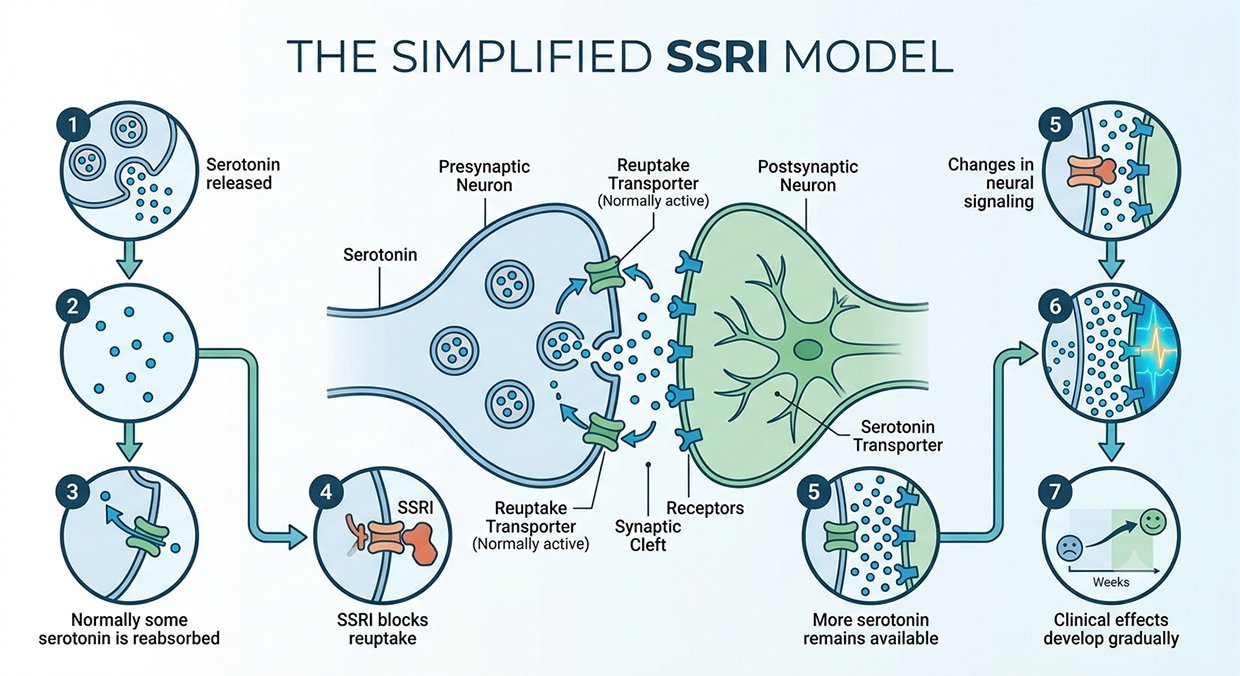
Antidepressants act on the signaling pathways of the neural circuitry that regulates the functions of mood, stress, motivation, and emotions. There are several types of antidepressants that act on the neurotransmitter pathways in distinct manners, but the mechanism of action cannot be summarized by saying “boost one chemical.”
Do Antidepressants increase Serotonin?
Though some antidepressants raise the levels of serotonin signaling, this does not mean that depression is solely caused by “low serotonin.” For instance, SSRI antidepressants deacrease the reuptake of serotonin. The therapeutic effects emerge through more complex changes in neural signalling and brain networks over time.
What are the Main Types of Antidepressants?
Antidepressants belong to different types of medication that have their own mechanism and specificity. For example, SSRIs and SNRIs are commonly used since they show effective performance in the treatment of depression and anxiety disorders and higher tolerability than any other type of antidepressant.
Antidepressant Classes
| Class | Full Name | General Mechanism | Common Clinical Role |
|---|---|---|---|
| SSRIs | Selective Serotonin Reuptake Inhibitors |
Primary effects on serotonin | Depression, various forms of anxiety |
| SNRIs | Serotonin-Norepinephrine Reuptake Inhibitors | Effects on serotonin and norepinephrine | Depression, several anxiety disorders |
| NDRIs | Norepinephrine-Dopamine Reuptake Inhibitors | Effects on norepinephrine and dopamine | Specific cases of depression |
| TCAs | Tricyclic Antidepressants | Broadly acting on several neurotransmitters |
Selected depression/pain conditions |
| MAOIs | Monoamine Oxidase Inhibitors | Reduce monoamine breakdown | Selected treatment-resistant cases |
| Other antidepressants | Various mechanisms | Medication-specific | Selected clinical situations |
What are SSRIs?
SSRIs, or selective serotonin reuptake inhibitors, is a drug category that serves as an antidepressant by ensuring there is an increase in the level of serotonin in the brain through the inhibition of its absorption. SSRIs are commonly used to treat cases of depression and some types of anxiety disorders.
- Sertraline
- Escitalopram
- Fluoxetine
- Paroxetine
- Fluvoxamine
- Citalopram
However, there is no one-to-one interchangeability among all SSRIs.
- Half-life
- Drug interactions
- Side-effect profiles
- Indications
- Withdrawal/discontinuation characteristics
- Individual response
What are SNRIs?
SNRIs function through inhibiting neurotransmission of both serotonin and norepinephrine. SNRIs are important for therapy where depression and certain forms of anxiety are involved. They are also helpful for pain management at times. Individual SNRIs differ in their pharmacological profiles, indications and side effects.
- Venlafaxine
- Duloxetine
- Desvenlafaxine
SSRIs vs SNRIs
| Feature | SSRIs | SNRIs |
|---|---|---|
| Serotonin | ✓ | ✓ |
| Norepinephrine | Less direct primary effect |
✓ |
| Depression | Commonly used | Commonly used |
| Anxiety | Several indications | Several indications |
| Pain indications | Less central | Some SNRIs have important roles |
| Side effects | Medication-specific | Medication-specific |
| Withdrawal/discontinuation | Varies | Varies |
Important
SNRIs are not simply "stronger SSRIs." They affect overlapping but different neurotransmitter systems.
What are Atypical or Other Antidepressants?
Some antidepressants are not classified either as SSRIs or SNRIs and have a unique mechanism related to neurotransmitters. Such drugs can be used when certain symptoms are present or when they were found to be effective for certain patients.
Bupropion
Acts mainly on norepinephrine and dopamine.
Trazodone
Has a complex mechanism and is used in particular clinical circumstances.
Mirtazapine
Possesses unique pharmacology and may be helpful for some individuals.
Vortioxetine
Has a multimodal serotonergic mechanism.
What are Tricyclic Antidepressants?
Tricyclics (TCAs) are one type of antidepressants affecting a variety of neurotransmitter systems. They are efficient in treating depressive disorder and certain types of pain disorders, but unlike other, more advanced antidepressants, they have more side effects and are more toxic in overdose cases.
- Amitriptyline
- Nortriptyline
- Imipramine
- Clomipramine
What are MAOIs?
Monoamine oxidase inhibitors or MAOIs form another type of antidepressant, which is helpful in some instances but has to be administered with care because of possible side effects on foods and other medications. For this reason, MAOIs are less common than newer antidepressants.
- Phenelzine
- Tranylcypromine
- Isocarboxazid
Which Antidepressant is the Best?
Not all individuals respond well to the same medication. In determining which one is suitable for a particular individual, factors such as diagnosis, presentation, response history, potential adverse effects, coexisting disorders, drug interactions, suicidal potential, patient choice and practical considerations come into play.
The important thing is not:
“What is the most potent antidepressant?”
Rather, it is:
“What is the most appropriately balanced antidepressant for this individual?”
How does a Psychiatrist choose an Antidepressant?
The choice of an antidepressant medication is based on a trade-off between anticipated benefits and possible drawbacks. These drawbacks could be in the form of side effects of the drug or the risk factors of the patient. The psychiatrist will take into account various considerations before suggesting a certain medication.
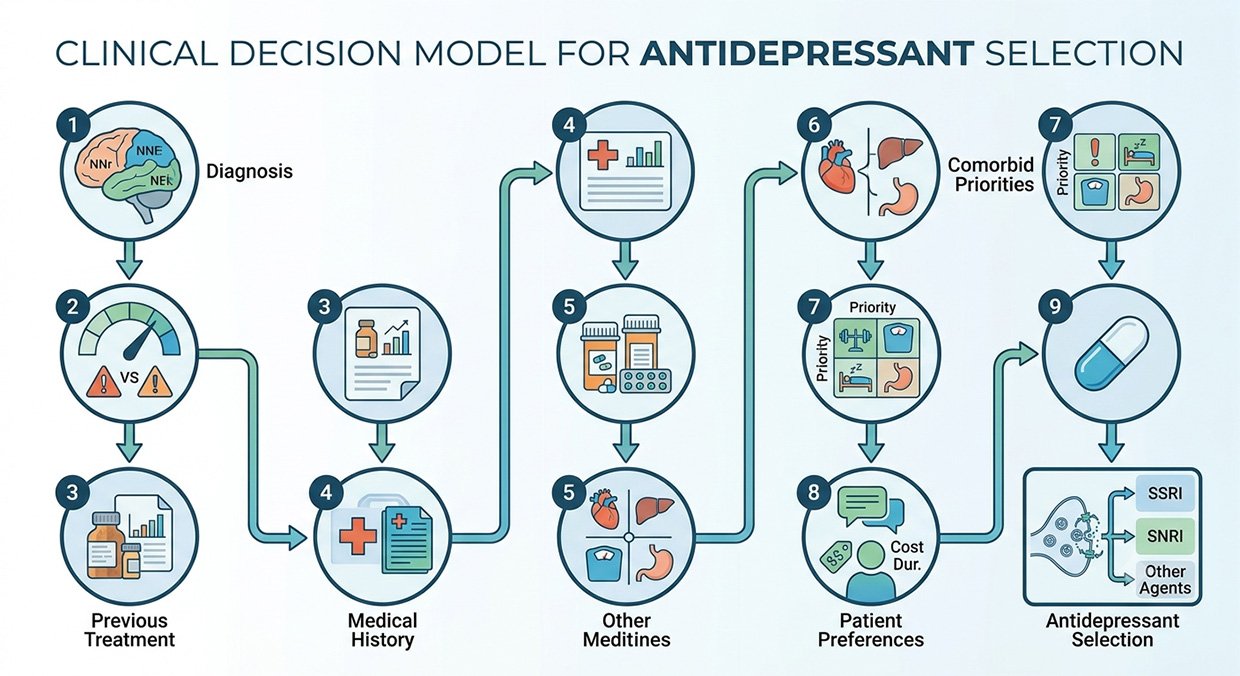
Factors That Can Change The Choice
Sleep
In case of prominent insomnia, the doctor can take into consideration the qualities of the drug regarding sleep.
Sexual Function
Potential sexual adverse effects may influence selection.
Pain
Some antidepressants have additional roles in chronic pain.
Previous Response
A medication that helped during a previous episode may be relevant.
Appetite / Weight
Weight and appetite effects may matter for some patients.
Anxiety
A medication with evidence for both depression and anxiety may sometimes be considered.
Medical Conditions
Cardiovascular, neurological, hepatic or other conditions can affect medication selection.
Not Sure What Antidepressant Medication to Take?
The choice of antidepressants depends on the symptoms, condition, past and other medications.
Discuss Your Treatment Options
Do Antidepressants work Immediately?
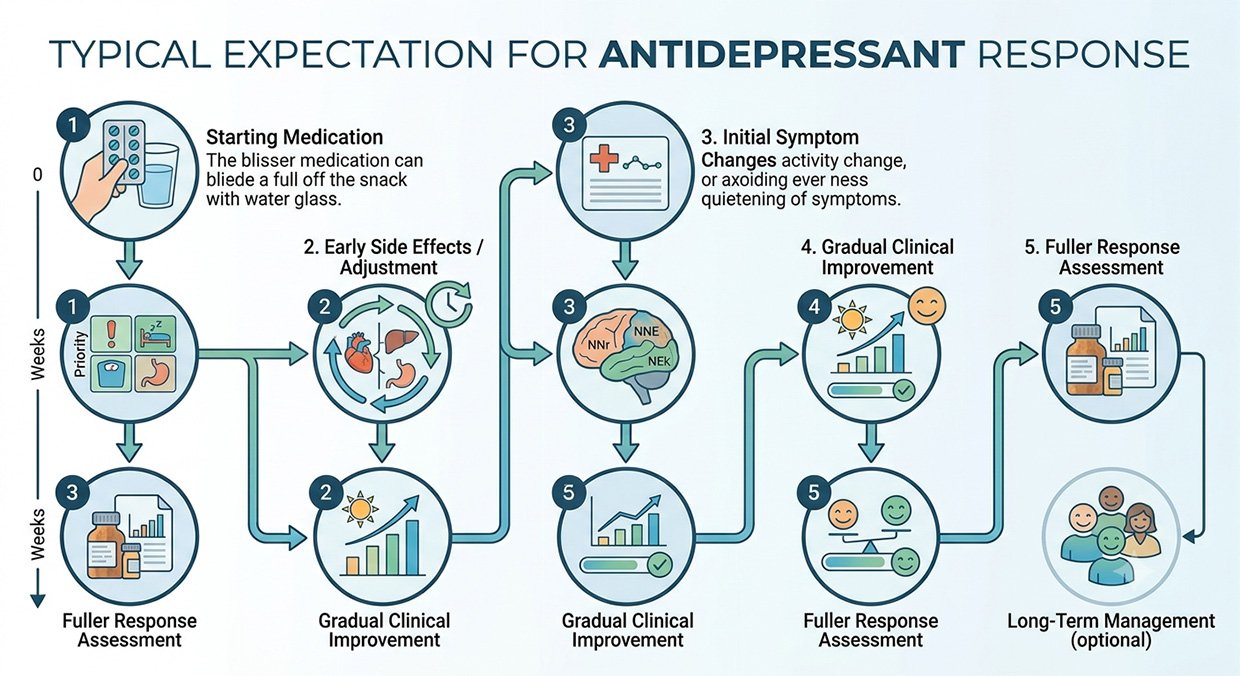
No. Antidepressant medications do not offer instant effects. According to NIMH, antidepressants generally require a period of 4-8 weeks for their effects to become apparent, although sleep, appetite, and concentration levels may improve sooner than mood. The time course varies between individuals and medications, so early treatment should be assessed rather than judged after only a few days.
Do Antidepressants treat Anxiety too?
Yes. There are many antidepressants that are used for treating anxiety disorders such as generalized anxiety disorder, panic disorder, and social anxiety disorder. The use of SSRIs and SNRIs is quite common in treating anxiety disorders. However, the type of medication depends on the type of anxiety disorder.
Depression
and
Anxiety
without suggesting that every antidepressant works equally well for every anxiety disorder.
Can Antidepressants be used with Psychotherapy?
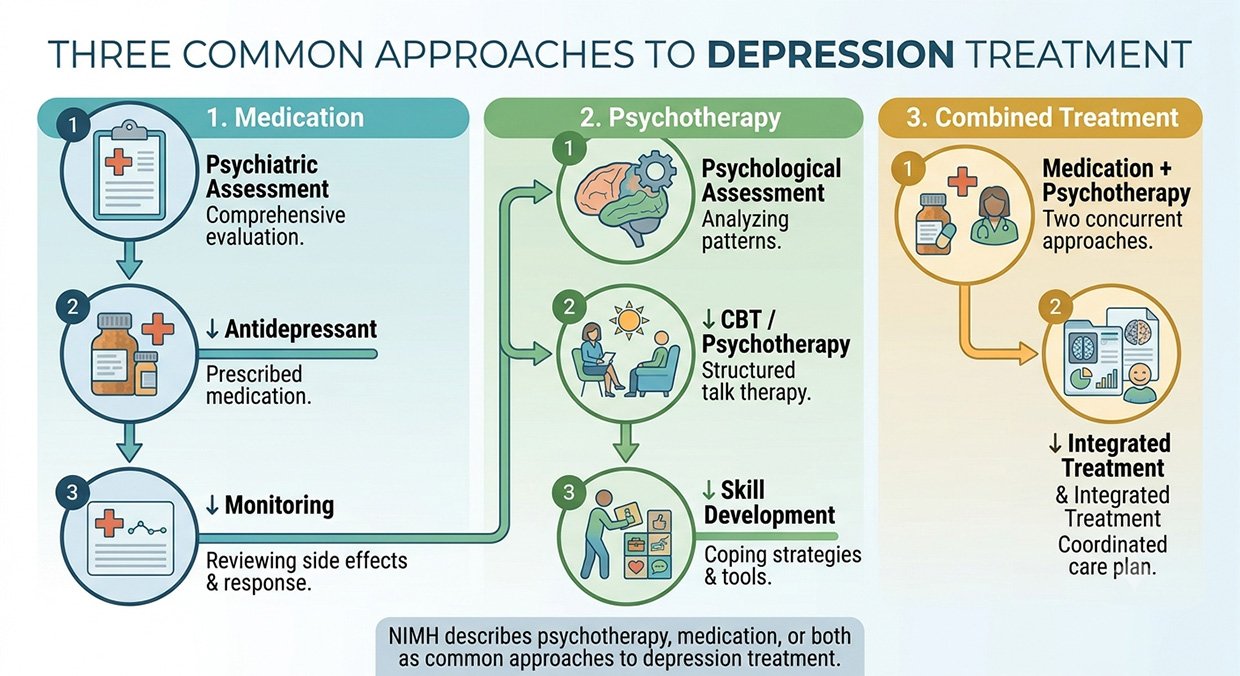
Yes. Antidepressants and psychotherapy can be used in conjunction with each other when indicated. The medication may help alleviate the depressive or anxiety symptoms, whereas the psychotherapy helps in dealing with thinking styles, behaviors, emotion regulation and other factors that might be causing problems. It is up to an individual what kind of treatment he wants to opt for.
Considering Antidepressant Treatment?
- Whether medication is appropriate
- What factors may affect medication selection
- Which treatment options may be reasonable
- How treatment should be monitored
- Whether psychotherapy should be included
Phone:
Can Antidepressants be used without Therapy?
Yes. Antidepressants may be used without psychotherapy if drug therapy is indicated in certain moderate or severe depression cases. Psychotherapy may be helpful for many patients in addition to other factors, and treatment choices should take into account symptom severity, patient preferences, and previous treatment response.
Are Antidepressants Addictive?
Antidepressants are generally not classified as addictive drugs since they do not create the characteristic compulsive craving of addiction. Some antidepressants may generate discontinuation effects if stopped suddenly or tapered down too rapidly from consistent usage. It is best to consult the prescribing healthcare professional regarding any changes to medication.
This distinction should become an important section in Part 3.
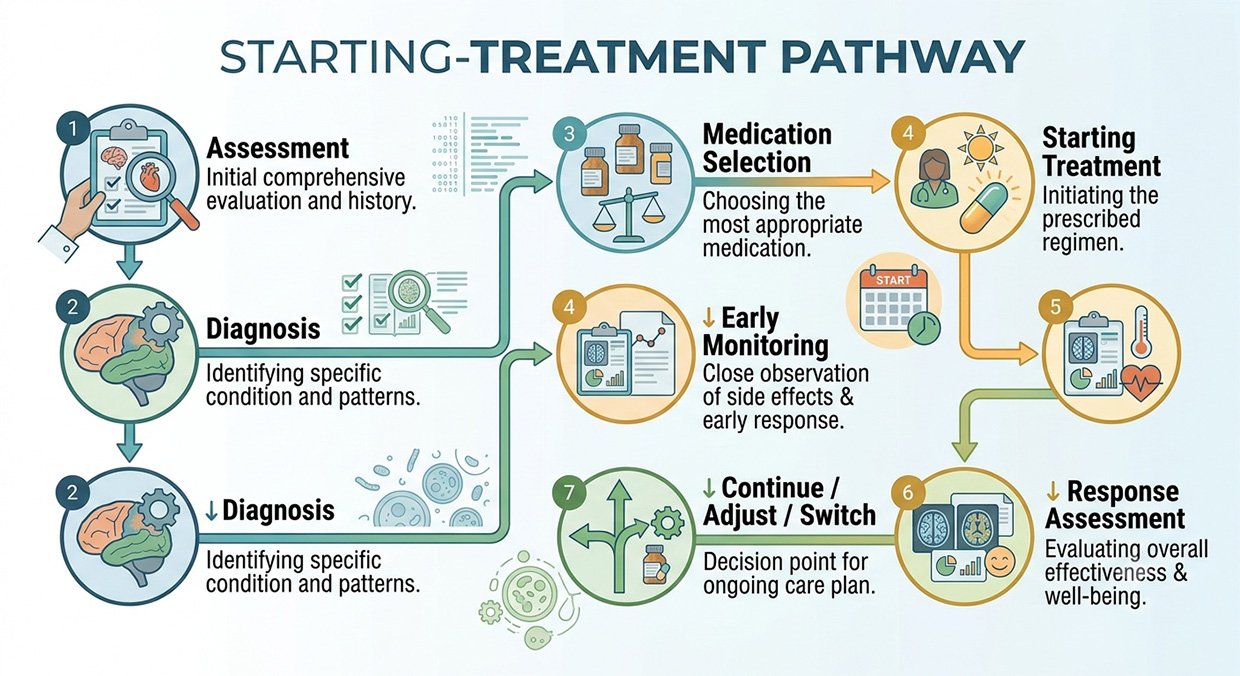
What happens when you start an Antidepressant?
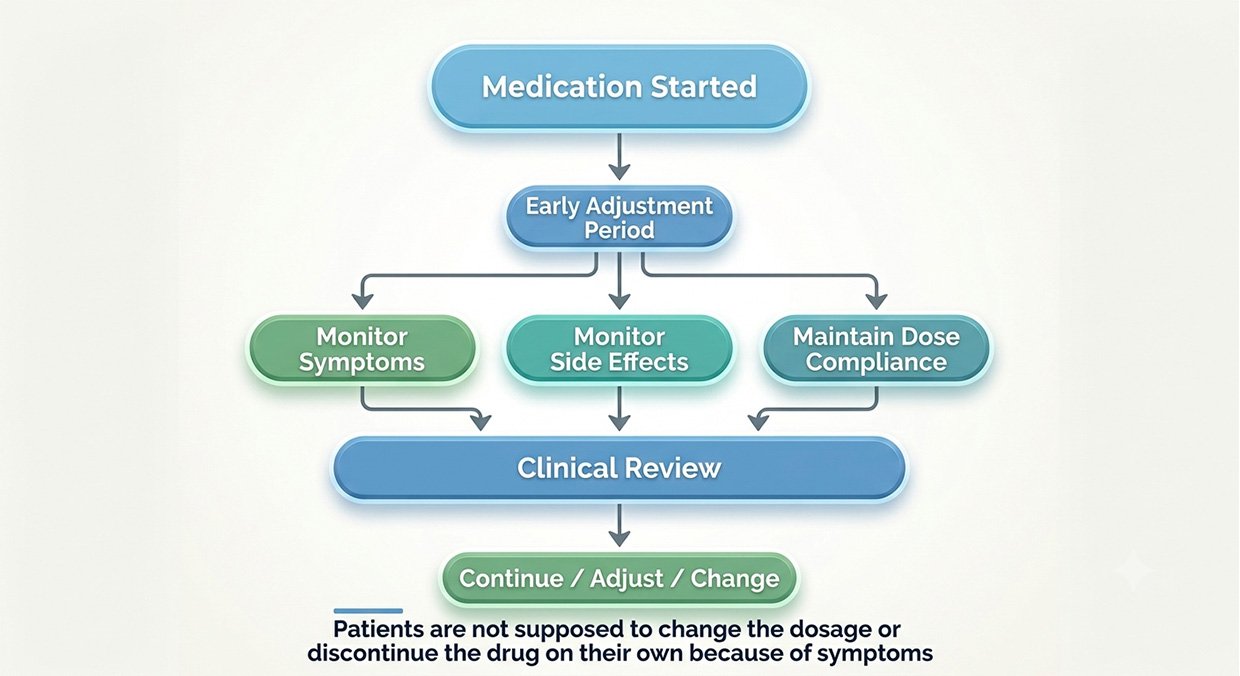
The initiation of an antidepressant therapy generally starts with the evaluation of the diagnosis, drug selection, the dose to be taken, possible adverse effects, and monitoring program. Some patients may exhibit adverse reactions before the onset of any therapeutic benefits.
Can Antidepressants be changed If the First One Does Not Work?
Yes. Failure to respond to one antidepressant does not automatically preclude success with other therapies. In cases where there are no other apparent problems, the psychiatrist may look at how regularly the drug has been taken, whether the trial period was long enough, if the diagnosis was correct, and whether any other issues may be causing problems before making further decisions about what to do.
Why is Psychiatric Supervision Important When Taking Antidepressants?
Antidepressants must be prescribed on an individual basis because the effect, adverse effects, drug interactions, and proper duration of therapy differ among individuals. Follow up with the psychiatrist will help the practitioner determine if symptoms are being alleviated, side effects are tolerable, if other illnesses need to be ruled out, and whether therapy should continue or be changed altogether.
Taking an Antidepressant but Unsure Whether It Is Helping?
Phone:
Which Antidepressants are SSRIs?
Selective serotonin reuptake inhibitors (SSRIs) are one of the most frequently used antidepressants. They mainly target serotonin pathways and are prescribed for the treatment of depression, as well as certain forms of anxiety disorders. Each SSRI has its unique indications, interactions, half-lives, and side effects, which means they are not entirely interchangeable.
Common SSRIs include:
| Medicine | Common Clinical Uses |
|---|---|
| Sertraline | Depression; several anxiety disorders |
| Escitalopram | Depression; several anxiety disorders |
| Fluoxetine | Depression; selected anxiety/OCD-related conditions |
| Paroxetine | Depression; selected anxiety disorders |
| Fluvoxamine | Particularly relevant in OCD and selected anxiety presentations |
| Citalopram | Depression; selected anxiety presentations |
How is Sertraline Used?
Sertraline belongs to the SSRI group and can be used to treat depression and various other anxiety disorders. Sertraline may be considered when a physician feels the need to use an antidepressant that has proven efficacy in various psychiatric disorders; however, the decision will depend on various factors.
- Major depressive disorder
- Panic disorder
- Social anxiety disorder
- OCD
- PTSD
- Other selected clinical presentations
Potential considerations
The psychiatrist could consider:
- Gastrointestinal effects
- Sexual side effects
- Sleep effects
- Previous response
- Other medications
How is Escitalopram Used?
Escitalopram belongs to a class of antidepressants known as SSRIs. Escitalopram has been widely studied in the treatment of depression and anxiety disorders, especially due to its selective effect on the serotonin system.
- Depression
- Panic disorder
- Other selected conditions
- Generalized anxiety disorder
- Social anxiety presentations
How is Fluoxetine Used?
Fluoxetine is an SSRI indicated for the treatment of depression as well as some other psychiatric disorders. The distinguishing feature of this drug is its half-life, which sets it apart from many other drugs used to treat depression.
- Depression
- OCD
- Selected anxiety-related conditions
- Other established indications
A distinctive feature
Fluoxetine is an antidepressant that has a prolonged duration of action. This can influence:
- Missed doses
- Medication switching
- Discontinuation
- Drug interactions
How is Paroxetine used?
Paroxetine is an SSRI that is prescribed for depression and a number of anxiety disorders. It is quite effective, yet the profile of its side effects and withdrawal may affect the choice of this SSRI against others.
- Sexual adverse effects
- Weight-related concerns
- Discontinuation symptoms
- Sedation in some patients
- Drug interactions
What are the main differences between Common SSRIs?
Similarities in therapeutic action characterize SSRIs that are commonly used, but the difference in their half-lives, drug interactions, tolerance, and efficacy can play an important role in prescribing one or another medicine in cases where a patient suffered from side effects of some SSRI earlier, is on multiple medications, has problems with sleep or sexual function, etc.
| Factor | Sertraline | Escitalopram | Fluoxetine | Paroxetine |
|---|---|---|---|---|
| SSRI | ✓ | ✓ | ✓ | ✓ |
| Depression | ✓ | ✓ | ✓ | ✓ |
| Anxiety indications | Several | Several | Selected | Several |
| Half-life | Moderate | Moderate | Long | Moderate |
| Discontinuation considerations | Yes | Yes | Often different due to long half-life |
More prominent consideration |
| Sexual effects | Possible | Possible | Possible | Possible |
| Sedation | Variable | Variable | Often less sedating |
Can be more sedating |
| Individual response | Variable | Variable | Variable | Variable |
What Are SNRIs?
The SNRIs inhibit the reuptake of both serotonin and norepinephrine. They are prescribed to treat depression as well as various forms of anxiety, although a few SNRIs are used for treating chronic pain. The effects of SNRIs are different from those of SSRIs.
- Venlafaxine
- Duloxetine
- Desvenlafaxine
How is Venlafaxine used?
Venlafaxine is an SNRI that treats depression and various anxiety conditions. The mechanisms of action of Venlafaxine include serotonin and norepinephrine transmission with different proportion of effect at different doses. Selection of medication depends on the diagnosis, treatment history, tolerance, concomitant medications, and medical conditions.
- Depression
- Generalized anxiety disorder
- Panic disorder
- Social anxiety disorder
- Other selected conditions
Important considerations
The clinician may review:
- Blood pressure
- Nausea
- Sleep
- Sexual effects
- Discontinuation symptoms
- Other medicines
How is Duloxetine used?
Duloxetine is an SNRI used for depression and several anxiety conditions and also has important applications in certain chronic pain disorders. Its potential usefulness when mood and pain symptoms coexist can influence treatment selection in appropriate patients.
- Depression
- Certain chronic pain conditions
- Other established indications
- Generalized anxiety disorder
- Diabetic neuropathic pain
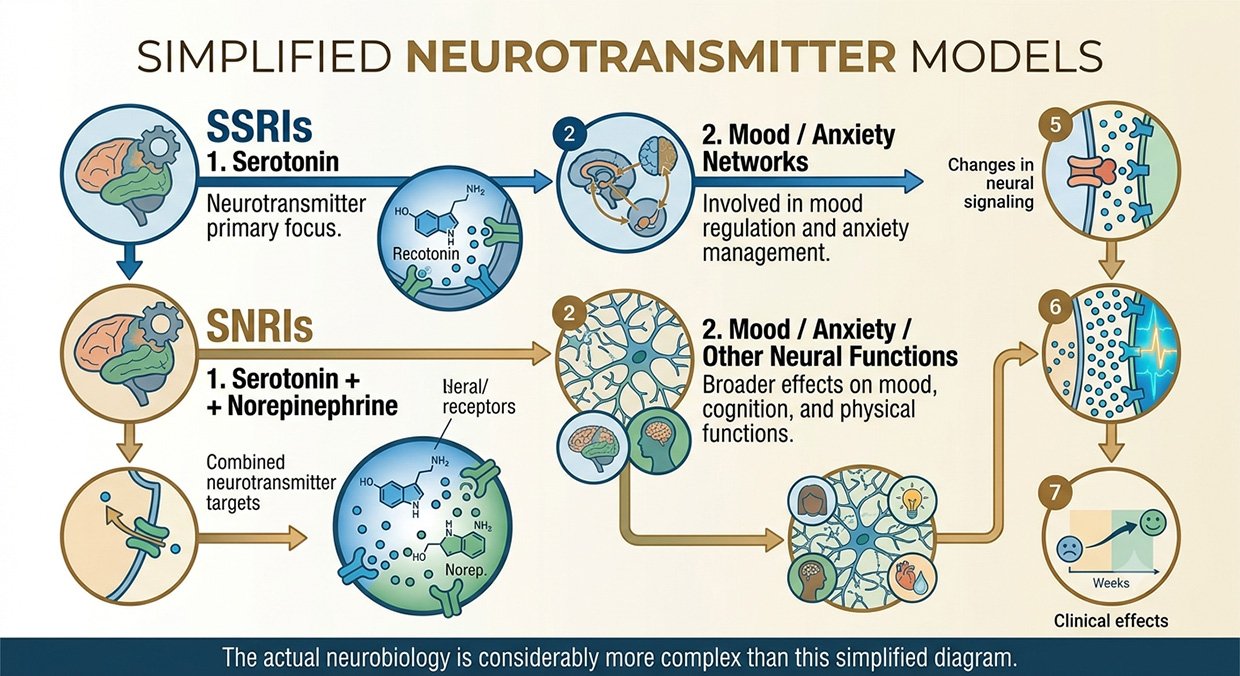
What is the difference between SSRIs and SNRIs?
SSRIs mostly target serotonin signalling, whereas SNRIs target both serotonin and norepinephrine signalling. They are frequently used to treat depression but also have applications in a number of anxiety disorders. The choice depends on clinical circumstances rather than a simple assumption that one class is stronger or more effective.
What is Bupropion?
Bupropion is an antidepressant that acts by affecting neurotransmitters such as norepinephrine and dopamine instead of serotonin. Bupropion has side effects different from SSRI or SNRIs; it could be prescribed to certain types of depressed patients based on their symptoms and medical condition.
- Lower likelihood of some serotonin-related sexual effects
- Appetite/weight considerations
- Activation or insomnia in some people
- Seizure risk in specific circumstances
What is Mirtazapine?
Mirtazapine is an antidepressant with a distinct pharmacological mechanism than that of SSRI and SNRI drugs. This drug may be indicated in case of depression in association with certain symptoms like insomnia and decreased appetite, but sedation and weight gain may also be considered side effects.
- Sleep
- Appetite
- Weight
- Daytime sedation
Patient A
Depression + severe insomnia + poor appetite may have different medication priorities from:
Patient B
Depression + excessive daytime sleepiness + weight concerns.
What is Vortioxetine?
Vortioxetine is a multimodal serotonergic antidepressant that is mainly used for treating major depressive disorder. The drug’s pharmacology is different from traditional SSRIs, and the use of the drug should be taken into consideration in some individuals depending on their clinical history.
- Cognitive symptoms
- Sexual side effects
- Gastrointestinal effects
- Previous antidepressant response
What are Tricyclic Antidepressants?
Tricyclic Antidepressants (TCAs) are antidepressant agents that act on several neurotransmitter pathways. Tricyclic antidepressants can be quite useful in the treatment of depression and certain pain syndromes but tend to have more side effects and toxicity upon overdosing compared to many modern antidepressants.
- Amitriptyline
- Nortriptyline
- Imipramine
- Clomipramine
Why Are Tcas Still Used?
Although old, they are still useful since some possess:
- Strong antidepressant effects
- Pain-modulating properties
- Specific evidence for particular conditions
However, clinicians must consider:
- Anticholinergic effects
- Sedation
- Cardiovascular effects
- Overdose toxicity
- Drug interactions
What is Clomipramine used for?
Clomipramine is an example of a tricyclic antidepressant with significant clinical importance in the treatment of obsessive-compulsive disorder. While clomipramine may work well, it has more adverse effects than most SSRIs; thus, it needs to be considered carefully.
What are MAOIs?
Monoamine Oxidase Inhibitors (MAOIs) are one of the old antidepressants that can be useful in certain selected individuals but need to be used with caution due to drug and dietary interactions. These drugs are not used frequently compared to SSRIs, SNRIs and other newer antidepressants.
- Phenelzine
- Tranylcypromine
- Isocarboxazid
Why are MAOIs used less often?
However, MAOIs are effective but more complicated in terms of their interactions when compared to other antidepressants that came later on. There are certain medications as well as foods that might interact with MAOIs and cause very dangerous side effects. Nonetheless, in certain cases, they can be used.
Which Antidepressant is best for Depression?
There is not any one “best” antidepressant medication. SSRIs are commonly used as first-line treatments due to their efficacy and tolerability; however, there are other possible choices depending on past treatment, symptoms, concurrent anxiety and pain issues, side effects of concern, health history, and individual patient preference.
Clinical Selection Matrix
| Patient Factor | May Influence Medication Choice |
|---|---|
| Insomnia | Sedating vs activating profile |
| Excessive sleepiness | Avoid unnecessary sedation |
| Weight concerns | Weight-related effects |
| Sexual dysfunction | Sexual side-effect profile |
| Anxiety | Evidence for anxiety disorder |
| Chronic pain | Some SNRIs/TCAs may be relevant |
| Previous response | Past benefit |
| Previous adverse effects | Avoid repeated problems |
| Medical conditions | Safety |
| Polypharmacy | Interaction risk |
| Overdose risk | Medication toxicity |
| Patient preference | Shared decision-making |
Can One Antidepressant Work Better Than Another for a Particular Person?
Yes. Individual responses to antidepressants differ, and an antidepressant that helps one person could fail to work effectively or efficiently for another person. Past treatment response, family history, side effects, co-morbidities and drug interactions could all affect the choice of antidepressant.
This is why online rankings such as: “Top 5 strongest antidepressants”
are clinically misleading.
The goal is not maximum pharmacological intensity. The goal is:
adequate benefit + acceptable adverse effects + appropriate safety.
What If an Antidepressant Works but Causes Side Effects?
In cases where the antidepressant is effective in treating symptoms yet produces some annoying side effects, the psychiatrist will need to consider whether there is a possibility that the side effects will resolve themselves, whether it is due to dosage and timing, interaction with another drug, or a switch to another medication.
- Monitoring
- Switching medication
- Dose adjustment
- Adding another treatment
- Timing adjustment
- Addressing another cause of the symptom
Can Antidepressants be combined?
It is possible to use certain types of antidepressants or other psychiatric medications in combination in some specific clinical settings, but the fact is that combination therapy is associated with a higher risk of interactions and adverse effects as well as with higher risks associated with serotonergic activity.
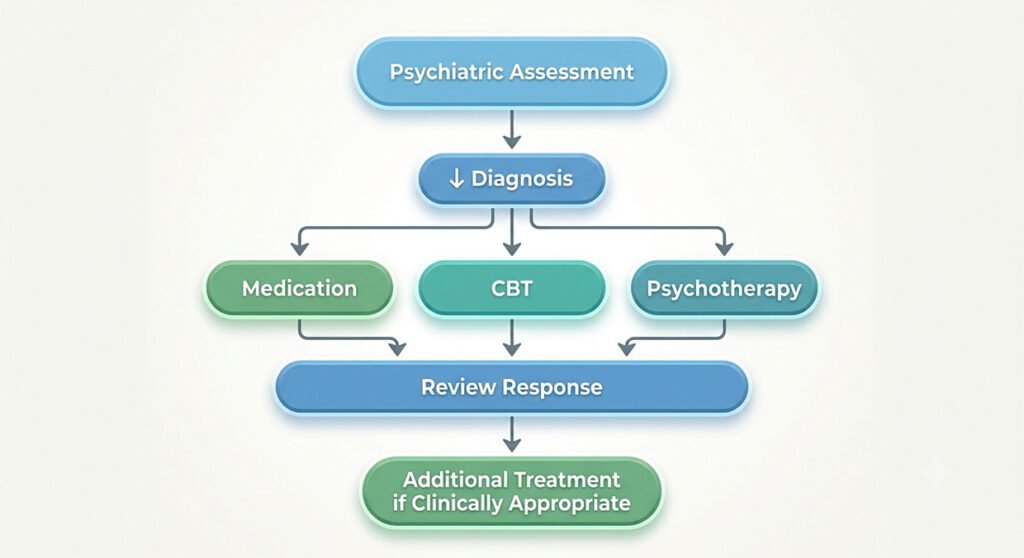
Can Antidepressants be combined with Other Treatments?
Absolutely. Antidepressants can be used in conjunction with psychotherapy, CBT, or for a few treatment-resistant cases, in addition to other scientifically proven therapies, for instance, rTMS. It depends on the specific case as to which combination will be applied.
Integration can take on the following form:
AFTER TREATMENT SELECTION
Unsure Which Antidepressant May Be Appropriate?
Phone:
What happens if the first Antidepressant does not work?
If the first-line antidepressant fails to produce the required improvement, the psychiatrist can either reconsider the diagnosis, adherence, length of therapy, dosage, adverse effects, and other confounding factors. In light of the prevailing conditions, the next option could be changing the medicine, enhancing therapy, using psychotherapy, augmenting or applying any other treatment method.
What are the common side effects of Antidepressants?
Antidepressant side effects differ depending on the drug used, dosage, and individual factors. Some of these side effects include nausea or other GI-related complaints, headaches, changes in sleep patterns, fatigue, restlessness, and sexual dysfunction. Early side effects are often mild and can be transient, but persistent and bothersome ones should be discussed with the physician.
Some of the common side effects include:
- Nausea or stomach upset
- Sleepiness
- Sweating
- Sexual difficulties
- Headache
- Insomnia
- Appetite changes
- Fatigue
- Dizziness
- Restlessness
- Restlessness
Important Principle
Side effects depend on the type of medication. A particular side effect may be observed in one antidepressant but not in all antidepressants.
Do Antidepressant side effects go away?
Certain side effects are more evident during the initial stages of treatment but may subside as the body gets used to the medication. However, all side effects do not always subside with time. In case of persistent side effects that may interfere with day-to-day activities, the physician who prescribed the drug can decide on the next steps to take.
The early side effects include:
- Nausea
- Headache
- Restlessness
- Sleep changes
- Gastrointestinal discomfort
Persistent effects require review
Especially if they involve:
- Sexual functioning
- Significant weight change
- Severe sleep disturbance
- Excessive sedation
- Significant agitation
- Other symptoms affecting quality of life
Can Antidepressants cause sexual side effects?
Yes. Some antidepressants can cause sexual side effects, especially certain serotonergic antidepressants. These can include decreased libido, problems with arousal, and trouble reaching an orgasm. Depression is also known to influence sexual functioning, so doctors should take into account both the disease and the medications.
Possible symptoms
| Sexual symptom | Possible presentation |
|---|---|
| Libido | Reduced sexual interest |
| Arousal | Difficulty becoming aroused |
| Orgasm | Delayed or difficult orgasm |
| Satisfaction | Reduced sexual satisfaction |
Can Antidepressants affect Sleep?
Yes. Various antidepressants may influence sleep in different ways. While some will make you sleepy, others may cause insomnia or activation. Depression itself can also disrupt sleep, so a change in sleep after starting medication needs to be considered in the context of the underlying illness, the specific medicine and other factors.
- Difficulty falling asleep
- Excessive sleep
- Changes in sleep after starting medication
- Night-time waking
- Daytime fatigue
Can Antidepressants cause weight gain?
Some anti-depressants may cause patients to experience increased hunger and weight gain, while other anti-depressants have a different metabolism. The weight gain depends on the particular drug, the length of the treatment, the body physiology, appetite, and the state of depression recovery.
Before prescribing, the psychiatrist should consider:
- Baseline weight
- Eating patterns
- Previous medication-related weight changes
- Appetite
- Metabolic health
- Patient priorities
Can Antidepressants cause weight loss?
Some antidepressants may lead to decreased appetite and weight loss among some people whereas others do not cause any changes or even lead to weight gain. One should not use changes in weight as an indicator whether or not the drug works.
Can Antidepressants initially increase Anxiety?
Others have been observed to get episodes of increased anxiety, nervousness, agitation or insomnia upon initiation of antidepressant treatment. This is especially pertinent if an antidepressant is being used to treat a case of anxiety disorder. Symptoms that become severe and/or persistent should be reported to the prescribing physician.
This is why early follow up is important.
Can Antidepressants cause suicidal thoughts?
Some children, adolescents and young adults may show an increase in suicidal thoughts or behaviour once on antidepressants or when the dose is changed. This issue needs to be monitored carefully, especially during the initial stages of therapy. The condition of depression is also associated with increased suicidal thoughts; therefore, any new or increased suicidal thoughts should be taken seriously by the clinician.
Look out for signs such as:
- New suicidal thoughts
- Eating patterns
- Marked irritability
- Unusual impulsivity
- Talking about death
- Severe agitation
- Extreme restlessness
- Significant mood deterioration
Important Safety
If Suicidal Thoughts Develop
Do not wait until your next regular visit.
Get immediate professional evaluation, especially when:
● Intent to die
● A specific suicide plan
● Access to means
● Recent self-harm
● Inability to remain safe
● Quickly deteriorating behavior
According to NIMH, some of the symptoms that need to be immediately addressed include discussions about dying, suicide plans, withdrawal, dramatic mood swings, and substance abuse.
For the Headspace page, this should link internally to:
→ Suicidal Thoughts
→ Self-Harm Support
What is Serotonin Syndrome?
Serotonin syndrome is a very rare condition that results from an overload of serotonin action, which may involve a combination of drugs that increase serotonin levels. The symptoms of serotonin syndrome may be agitation, muscle twitching, hallucinations, fever, sweating, and unusual blood pressure or heart rate.
- SSRIs
- Certain migraine medicines
- Other serotonergic psychiatric medicines
- Certain other supplements
- SNRIs
- Some pain medicines
- St John's wort
Can Antidepressants interact with other medicines?
Yes. Anti-depressants may cause drug interactions when used in conjunction with prescription drugs, non-prescription medications, herbs, and supplements. Interactions may include increased risk of sedation, bleeding, blood pressure changes, serotonin syndrome or other side effects unique to specific medications.
Let your psychiatrist know about
- Prescription medicines
- Cold and allergy medicines
- Sleeping medicines
- Vitamins
- St John's wort
- Painkillers
- Migraine medicines
- Other psychiatric medicines
- Herbal products
- Alcohol or recreational substances where relevant
Can Antidepressants be taken with alcohol?
Drinking alcohol could cause depression, anxiety, sleeping issues, and sedation due to medications. Interactions are specific to the particular antidepressant and to the dose of the alcohol drunk. The patients are advised to seek the opinion of the clinician who prescribes the drug regarding drinking.
Are Antidepressants addictive?
Antidepressants are not seen as addictive drugs since they lack the compulsive nature of addiction in that the user will have the urge to seek out more of the drug. This notwithstanding, certain antidepressants may lead to physical dependence and withdrawal upon cessation of use.
Addiction
Usually involves:
compulsive use + loss of control + continued use despite harm
Discontinuation
Can involve:
symptoms after reducing or stopping a medicine to which the body has adapted
These should not be confused.
Can Antidepressants cause withdrawal symptoms?
Yes. Certain people suffer from symptoms of withdrawal and discontinuation from use of antidepressants if there is a sudden stopping, non-usage of dose, or decrease in dosage of the drug. These include dizziness, vomiting, trouble sleeping, anxiety, irritability, sweating, headache, and altered senses. This depends on the drug and individual.
Possible symptoms include
- Dizziness
- Anxiety
- Sleep disturbance
- Headache
- Altered sensations
- Low mood
- Nausea
- Irritability
- Sweating
- Palpitations
- "Electric shock" sensations
Should Antidepressants be stopped suddenly?
The general rule is that you should never stop taking an antidepressant abruptly, but should discuss your intentions with the physician who prescribed the medication. According to NICE, the discontinuation of an antidepressant drug must be done gradually.
The correct approach is:
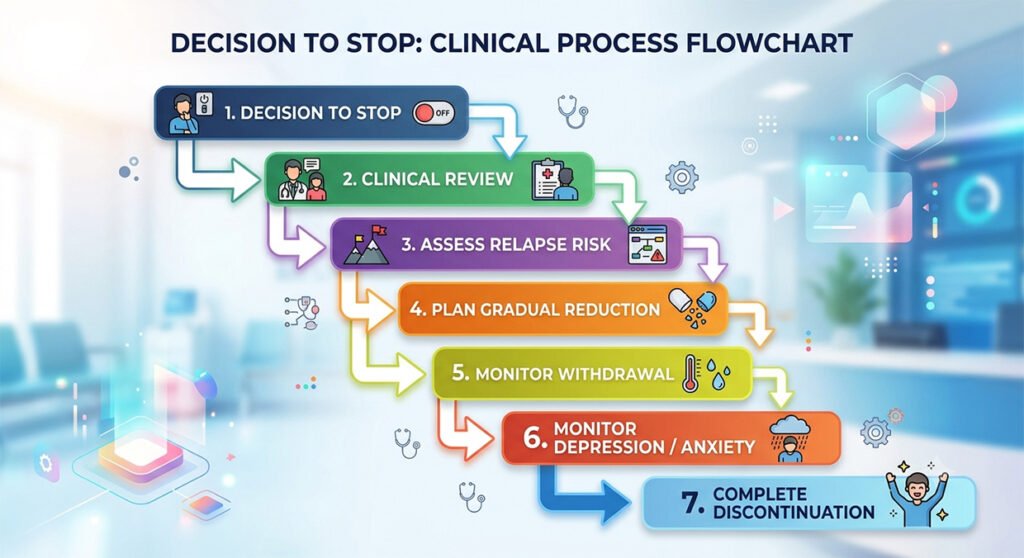
How is Antidepressant withdrawal different from relapse?
Withdrawal symptoms may manifest themselves early after dose reduction or discontinuation of the antidepressant treatment, whereas recurrence of the depression will typically follow another sequence and will not be the same process. Timing, symptoms and the patient’s prior history will assist the physician to discriminate between the two but the distinction may sometimes be challenging.
Potential withdrawal symptoms
- Dizziness
- Electric-shock sensations
- Nausea
- Restlessness
- Sleep disturbance
Possible relapse
- Persistent low mood
- Loss of interest
- Hopelessness
- Functional decline
- Return of the person's previous depressive pattern
What happens if i miss an Antidepressant dose?
There is a right way to take action when an antidepressant dose is missed, which may vary from one medication to another. It is advisable that patients consult the directions on how to take their medications, the pharmacist, or their physician before considering the possibility of taking an extra dose.
Can Antidepressants be used during pregnancy?
The decision to use antidepressants during pregnancy should take into consideration the individual situation of the patient with regard to her psychiatric condition and possible risks associated with the medication.
Important
Do not suddenly stop using an antidepressant that you have been using if you find out that you are pregnant.
Instead:
Consult with your psychiatrist and obstetrician about the individual situation.
Can Antidepressants be used while breastfeeding?
In some cases, certain antidepressants can be administered to breastfeeding women if the benefit is expected to be greater than the risk. However, this is dependent on the medication itself, the dosage, the baby’s age and condition, mother’s condition, among others. Decisions regarding medications thus need to be personalized.
- Infant age
- Infant health
- Maternal psychiatric stability
- Prematurity
- Medication exposure
- Previous treatment response
Are Antidepressants safe for older adults?
Antidepressant therapy is also suitable for elderly individuals, but the choice of antidepressants will have to take into account any additional factors such as other health problems, polypharmacy, falls risk, cardiovascular risk, cognitive symptoms, as well as renal and hepatic functions. Elderly patients may also react differently to some side effects.
The assessment may include:
- Other medicines
- Blood pressure
- Cognitive function
- Liver function
- Nutrition
- Falls risk
- Cardiac history
- Kidney function
- Sleep
Are Antidepressants safe for teenagers and young adults?
It is possible to prescribe antidepressants to younger individuals under certain circumstances, but there is a need to monitor carefully for any signs of deteriorating mood, suicidality, irritability, or other behavioral changes in children, teenagers, and young adults, especially at initiation of treatment and during dosage changes.
How long can someone take Antidepressants?
The appropriate length of time of treatment with an antidepressant is determined by the nature of the diagnosis, number of previous episodes, and their severity, risks of relapse, effectiveness of the medication, side effects, and patient's preferences. Some patients need a temporary therapy, while others need long-term maintenance.
This approach should not be:
“I took it for one year, now I have to stop taking it.”
Neither:
“I took it for many years, so I cannot stop.”
But:
Evaluation → analysis of risks and benefits → discussion of treatment options → decision making.
Do Antidepressants stop working over time?
While an antidepressant may seem to lose its efficacy, it does not necessarily mean that the drug is no longer efficacious. The clinician will examine several aspects such as the patient’s adherence, stress, insomnia, substance abuse, and co-morbid psychological conditions, among others.
- Recurrence of depression
- Missed doses
- Substance use
- Another psychiatric condition
- New stressors
- Sleep disruption
- New medical illness
- Inadequate treatment intensity
How is Antidepressant treatment monitored?
Monitoring includes evaluation of improvements in symptoms, function, side effects, compliance, interactions, and safety. Follow-up early on becomes critical especially when a new drug regimen is initiated or changes made to an existing one. Follow-up later on helps establish whether the drug therapy remains beneficial.
Monitoring domains
| Area | What is assessed? |
|---|---|
| Mood | Depression symptoms |
| Anxiety | Worry, panic, agitation |
| Function | Work, study, relationships |
| Sleep | Improvement or deterioration |
| Appetite | Changes in eating |
| Sexual health | Medication-related effects |
| Side effects | Tolerability |
| Safety | Suicidal thoughts / behavioural changes |
| Adherence | Regular medication use |
| Interactions | New medicines / supplements |
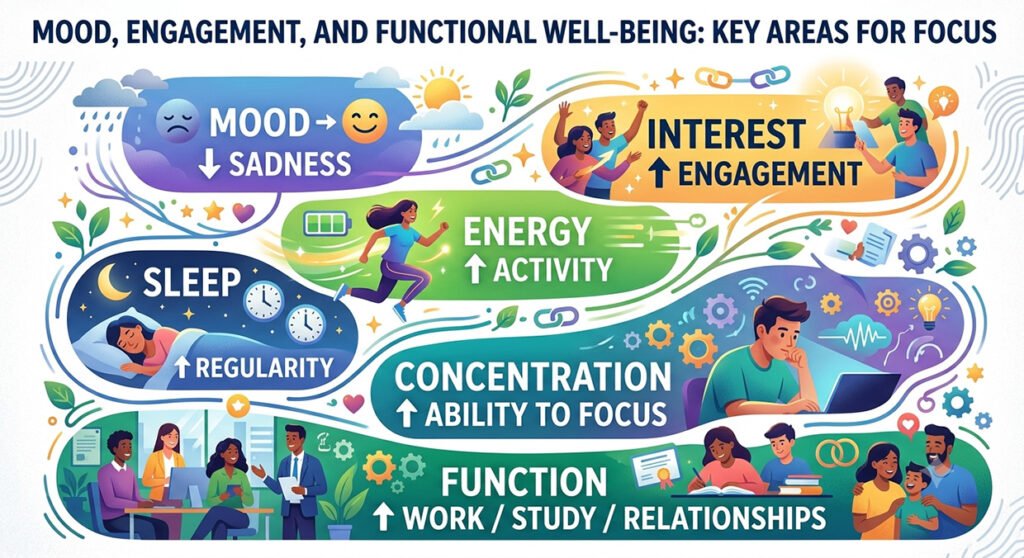
How Do You Know an Antidepressant Is Working?
Improvement should be assessed through both symptoms and functioning. A good way of responding would involve improved mood, sleep, attention, energy, appetite, motivation, and ability to engage in day-to-day activities. The objective is not just about lowering the score of a symptom but restoring one’s ability to function and live.
Signs may include:
SAFETY / MEDICATION REVIEW
Are You Having Side Effects from Your Antidepressant?
Book a Medication Review
When should you contact your Psychiatrist?
Talk to your psychiatrist if there are side effects that are constant and bothersome; if your symptoms have worsened; if you are finding it hard to take your medication; if you are now taking some other medicine; if you want to discontinue your treatment or if you are unsure about the effects of the drug on your condition.
Contact your clinician about:
- Persistent side effects
- Increasing anxiety
- Sleep deterioration
- Significant weight changes
- Pregnancy
- Missed doses
- Worsening depression
- New agitation
- Sexual difficulties
- Medication interactions
- Desire to stop medication
- Return of previous symptoms
When is urgent Psychiatric help needed?
Urgent assessment is indicated when a person becomes suicidal, engages in self-harm, exhibits dramatic behavioral changes, is extremely agitated, confused or another potentially serious medication reaction. New or rapidly worsening suicidal thoughts should never be dismissed as a routine medication side effect.
Seek urgent help if there is:
- A suicide plan
- Serious self-harm
- Extreme agitation
- Suspected serotonin syndrome
- Immediate intent to self-harm
- Severe confusion
- Severe behavioural change
- A serious medication reaction
Safety Box
In Case of Suicidal Thoughts
If you are considering taking action based on your suicidal thoughts, do not stay by yourself. Seek immediate psychiatric/medical assistance or visit the nearest ER department.
For the Headspace website, this should be paired with your India-specific emergency information, rather than importing US crisis numbers from NIMH.
What should you tell your psychiatrist before starting an Antidepressant?
Let the psychiatrist know about your currently taken medicines, supplements, allergies, past adverse reactions to medications, medical and psychiatric history, as well as whether you are pregnant or nursing if applicable and whether you have had any symptoms of bipolar disorder, used any substances, or thought about suicide.
Bring:
- Current medication list
- Previous side effects
- Other psychiatric treatment
- Relevant medical conditions
- Questions about treatment
- Previous prescriptions
- Medical reports
- Supplements / herbal products
- Previous response to antidepressants
Can Antidepressants be taken with other Psychiatric Medicines?
Yes, indeed, some combination of antidepressants with other psychiatric drugs might be employed on certain occasions. Yet, the combinations can elevate the danger of interactions and adverse effects, therefore they have to be administered by a healthcare professional familiar with the entire patient’s drug history.
- Another antidepressant
- A mood stabilizer
- Other augmentation strategies
- An antipsychotic
- A medication for anxiety
What if Antidepressants are not enough?
If the patient is suffering from depression and it is not improving after proper use of an antidepressant medication, then the doctor can take into account a few things, such as reviewing diagnosis and treatment history of the patient. Treatment-resistant depression can be treated with rTMS and esketamine.
What if an Antidepressant does not work?
Not responding well to an antidepressant is not necessarily a sign of the failure of therapy. Before considering changing, optimizing, or adding treatment, the psychiatrist should consider issues including correct diagnosis, compliance, adequate duration of therapy, dose adjustment, adverse events, comorbid conditions, and psychosocial considerations.
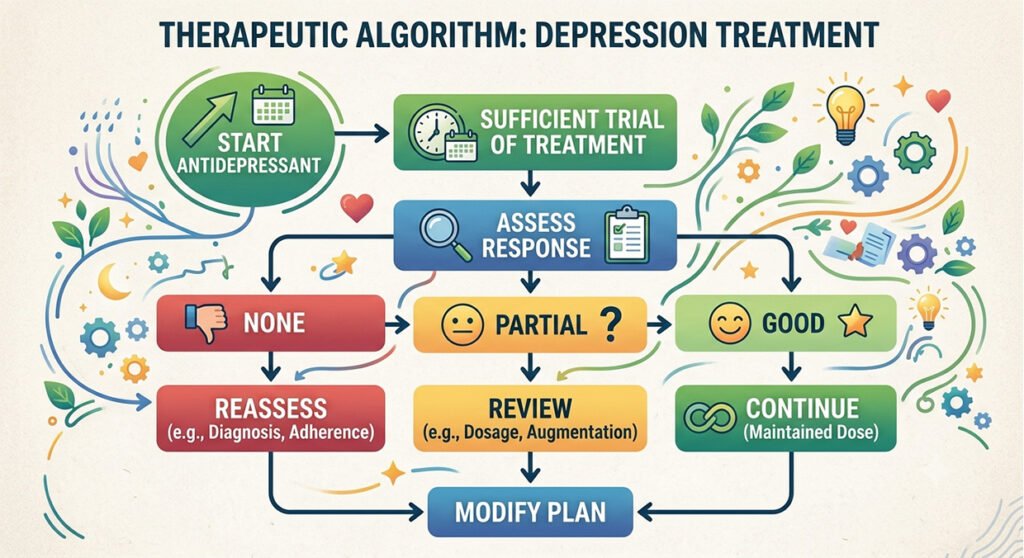
Before changing medication, the psychiatrist may ask:
- Was the diagnosis correct?
- Was the treatment trial long enough?
- Were side effects limiting treatment?
- Is substance use involved?
- Could there be any presence of bipolar disorder or other psychiatric disorders?
- Was the medication taken consistently?
- Was the dose appropriate?
- Is anxiety contributing?
- Is there any untreated underlying medical illness?
What is Treatment-Resistant Depression?
Treatment-resistant depression is often defined as a case of depression that persists as a clinically significant condition despite sufficient trials of proper treatments. While there are no specific definitions of the term, it involves considerations like the number of treatments and adherence, diagnosis and comorbidity before calling a patient treatment-resistant.
What happens when Depression partially responds to an Antidepressant?
Partial improvement can provide important information about treatment response. Rather than automatically abandoning a medication that is helping, the psychiatrist may consider whether treatment can be optimized, whether another treatment should be added, or whether switching would provide a better balance of benefit and adverse effects.
Before treatment
Persistent sadness + poor concentration + insomnia + low motivation
After treatment
Mood improves, but:
- Motivation remains low
- Sleep remains poor
- Concentration remains impaired
Can another Antidepressant be tried if the first one fails?
Yes, but changing to another antidepressant drug should be considered when the first medication has failed to work, been poorly tolerated or is inappropriate. Selection of the second medication will depend on the following factors:
- Switching within a class
- Optimizing treatment
- Considering augmentation
- Switching to another class
- Adding psychotherapy
- Considering another evidence-based treatment
What is Antidepressant Augmentation?
Augmentation implies adding yet another treatment to the antidepressant therapy in cases where the first treatment is only partially effective. Augmentation can take the form of yet another psychiatric drug or psychotherapy. It requires individualized assessment because combining treatments can increase both potential benefit and potential adverse effects.
Simplified model
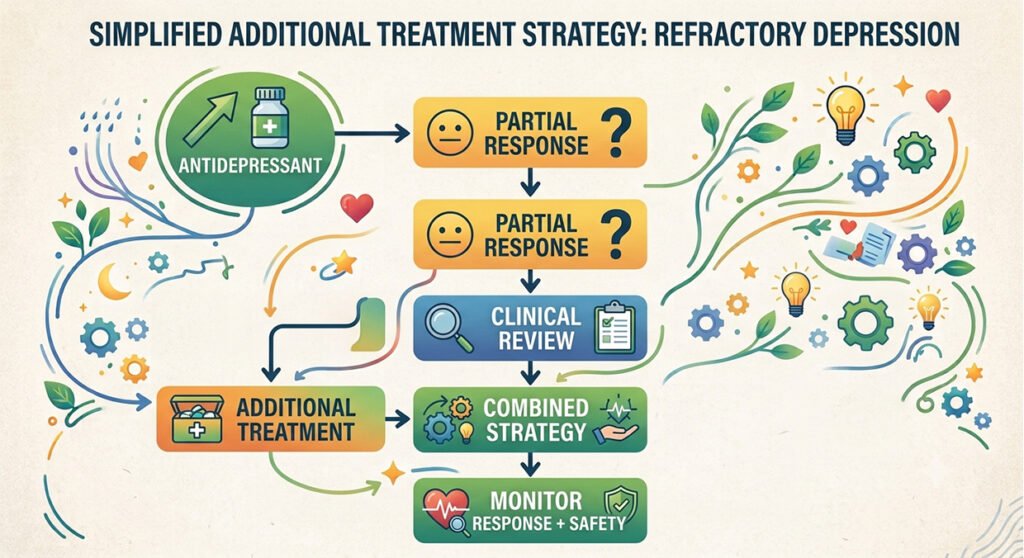
Can CBT be added to Antidepressant treatment?
Certainly. CBT may be used along with medications to treat depression. The medication helps decrease the depressive symptoms, while the CBT works on changing the unhealthy thinking patterns and avoidance behaviour.
Medication may target:
- Mood symptoms
- Anxiety
- Biological contributors
Combined care Medication + CBT
CBT may target:
- Negative thinking
- Avoidance
- Behavioural withdrawal
- Coping skills
- Relapse prevention
When is rTMS considered for Depression?
Transcranial magnetic stimulation (rTMS) is one of the methods of non-invasive brain stimulation therapy and can be taken into consideration by some depressed individuals depending on their specific case, especially when conventional methods have proven to be ineffective or impossible to apply.
rTMS does not mean:
“Medication has failed, so everyone should have rTMS.”
Instead:
Assessment → suitability → treatment discussion → individualized plan
What is the role of rTMS when Antidepressants have not worked?
rTMS therapy could serve as an additional mode of treatment in certain patients with depression where there has been insufficient response to conventional methods. It may be taken into account as an alternative or along with the existing medications based on the individual clinical condition.
- Number of previous medication trials
- Side effects
- Comorbid conditions
- Patient preference
- Adequacy of those trials
- Current severity
- Previous treatment response
What is Esketamine and when is it considered?
Esketamine is an individualized medication utilized in certain patients suffering from treatment-resistant depression and other medical conditions. Esketamine has a distinct neurobiological mechanism of action and is not a routine substitute for regular depression treatments since it acts via a dissimilar mechanism from other antidepressants.
- Eligibility
- Benefits
- Contraindications
- Treatment course
- Administration
- Monitoring
- Risks
Can Antidepressants be used with rTMS?
Sometimes, antidepressants and rTMS are applied in combination. The usage of both techniques may be justified in case when the psychiatrist and rTMS practitioners find out that the continuation of the therapy with the help of medication and neuromodulation is acceptable from the medical point of view.
Can Depression be treated without Antidepressants?
Yes, that is correct. In some cases, the specific nature of the condition, its severity, and personal factors will allow for depression to be effectively managed without the use of medication. Psychological treatment such as CBT is quite effective in this regard.
How long should Antidepressant treatment continue?
The correct length of treatment is determined by how severe and recurrent the depressive illness is, whether it has occurred before, response to treatment, likelihood of relapse, side effects, and individual patient preference. Some patients need more time on treatment than others.
Long-term treatment means:
Regular review not automatic lifelong medication.Can Antidepressants prevent depression from coming back?
For those who have recovered from depression, taking antidepressants helps in avoiding relapses. Whether the medication should be taken or not is dependent on several things including the history of the patient, the severity, the frequency of the episodes, reaction to the drug, and personal preference.
- Recurrent depression
- Severe previous episodes
- Previous relapse after stopping treatment
- Persistent residual symptoms
What is Relapse Prevention in Depression?
Relapse Prevention entails remaining in recovery mode and being able to identify early warning signals prior to the symptoms becoming serious again. The individual may require medication management, therapy, good sleep and lifestyle habits, early identification of symptoms, and a clear strategy for seeking help when functioning/mood deteriorates.
A Relapse Prevention Plan may involve
- Medication review
- Sleep routine
- Stress-management strategies
- Follow-up plan
- Therapy
- Early warning signs
- Family/support involvement
How does Headspace Mind Clinic approach Antidepressant Treatment?
Antidepressant treatment from Headspace Mind Clinic is done via psychiatric assessment, tailored medication choice, and reviewing. Whenever suitable, psychiatric treatment could be combined with psychological treatment, including CBT and psychotherapy, and advanced techniques such as rTMS could be employed selectively.
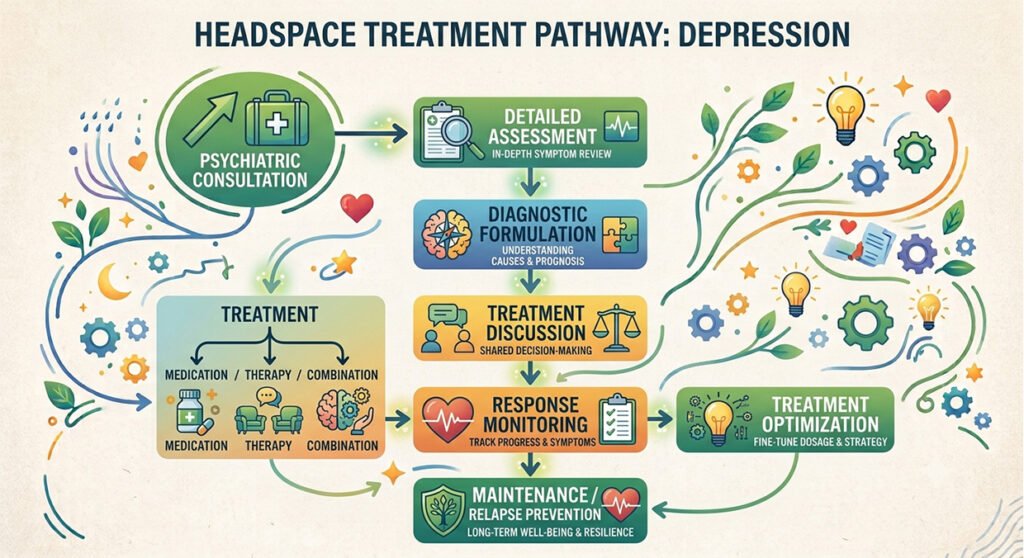
What happens during a Psychiatric consultation for Depression?
A psychiatric assessment usually entails an evaluation of mood disturbances, duration, severity, level of functioning, sleep problems, appetite issues, concentration problems, anxiety symptoms, history of similar episodes, treatment history, and safety concerns. The psychiatrist may also evaluate for bipolar features, substance use, and other pertinent medical illnesses before deciding on antidepressant therapy.
The assessment process could entail
1. Symptoms
What are you going through?
3. Functional impact
How is it impacting your ability to work or study or personal relations?
5. Safety
Are there any suicidal tendencies?
7. Treatment
What treatment should be taken?
2. Duration
How long has it been going on?
4. Previous treatment
What have you been taking for it?
6. Diagnosis
What is the diagnosis for it?
8. Follow-up
How will treatment response be monitored?
What Should I Bring to an Antidepressant Consultation?
A current drug list, former prescriptions, and information regarding their reaction to previous medications along with other related medical and psychiatric records can be helpful for the doctor. The patient should inform the doctor about their previous adverse reactions, supplements, substance abuse, and their concerns regarding medication.
Useful to bring
- Current medication list
- Previous treatment response
- Medical reports
- Psychological reports
- Questions about treatment
- Previous antidepressant prescriptions
- Previous side effects
- Other medicines/supplements
- Relevant medical history
CONSULTATION
Not Sure Whether You Need an Antidepressant?
Phone No.
Frequently Asked Questions About Antidepressants
When should you see a Psychiatrist about Antidepressants?
If you have any of the following, a psychiatric evaluation may prove helpful: if you have been suffering from symptoms of depression that persist; if you are thinking about taking medications for your symptoms; if you have unwanted side effects from your medications; or if you are considering changing or stopping your antidepressant medication.
Consider consultation if
- Persistent sadness
- Low motivation
- Sleep disturbance
- Symptoms lasting weeks or longer
- Medication side effects
- Recurrent depression
- Loss of interest
- Poor concentration
- Depression with anxiety
- Previous treatment failure
- Questions about stopping medication
Related Treatment Options at Headspace Mind Clinic
Depression Treatment in Delhi
Comprehensive psychiatric assessment and individualized treatment for depressive disorders.
→ Explore Depression Treatment
Depression Medication Guide
A practical guide to when medication may be considered, treatment selection, monitoring and discontinuation.
→ Explore Depression Treatment
Psychiatric Consultation
Assessment of symptoms, diagnosis and individualized treatment options.
→ Book Psychiatric Consultation
Cognitive Behavioural Therapy
A structured psychological treatment for depression, anxiety and related conditions.
→ Explore CBT
Psychotherapy
Psychological treatment tailored to the individual's clinical needs.
→ Explore Psychotherapy
rTMS for Depression
A non-invasive neuromodulation treatment that may be considered for selected patients.
→ Explore rTMS for Depression
Related Conditions and Symptoms
Conditions
- Depression Treatment in Delhi
- Anxiety Treatment in Delhi
- Bipolar Disorder Treatment in Delhi
- OCD Treatment in Delhi
Symptoms
- Persistent Sadness
- Lack of Motivation
- Poor Concentration
- Sleep Problems
- Excessive Worry
- Suicidal Thoughts
Have Questions About Antidepressants?
Phone No.
Book a Psychiatric Consultation for Antidepressant Treatment in Delhi
If you are experiencing symptoms of depression or anxiety that are impacting your mood, sleep, concentration, motivation or functionality, a psychiatric evaluation will be helpful to determine your diagnosis and the best course of action for treatment. The mode of treatment could include medication, therapy, CBT, among others.
Book Your Consultation
Headspace Mind Clinic
Phone:
E-E-A-T / MEDICAL REVIEW
Author: Headspace Mind Clinic Editorial Team
Medically reviewed by: Headspace Mind Clinic Advisory Board
Last Updated: August 2026
Medical disclaimer: This content is intended for general educational purposes and does not replace individualized psychiatric or medical assessment. Antidepressants should be prescribed, monitored, changed or discontinued under appropriate clinical supervision.