Insomnia Treatment in Delhi
Trust Signals




Quick Facts
| Quick Fact | Details |
|---|---|
| Condition | Insomnia Disorder |
| Category | Sleep-Wake Disorder |
| Main Symptoms | Difficulty falling asleep, staying asleep, or waking too early |
| Treatment | CBT-I, sleep hygiene, medication (when appropriate), treatment of underlying conditions |
| Location | Delhi NCR |
What Is Insomnia?
Insomnia is characterized as a sleep disorder that involves difficulty initiating sleep, difficulty maintaining sleep, or waking up too early and not being able to go back to sleep. Insomnia has several symptoms accompanying it during the day, including fatigue, difficulty concentrating, mood changes, and sadness/depression.
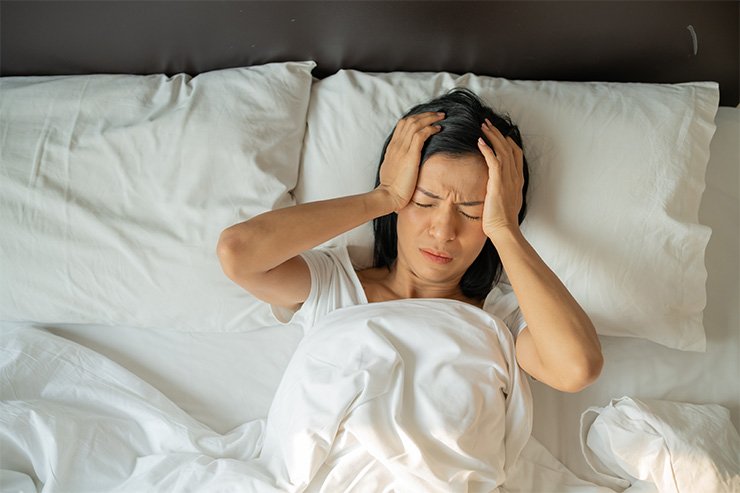
- Lying awake for many hours before sleeping
- Frequent awakenings during the night.
- Awakening early in the morning.
- Lack of satisfaction from sleep despite sufficient time spent in bed.
- Tiredness during the day but being unable to fall asleep at night.
Why Is Healthy Sleep Important?
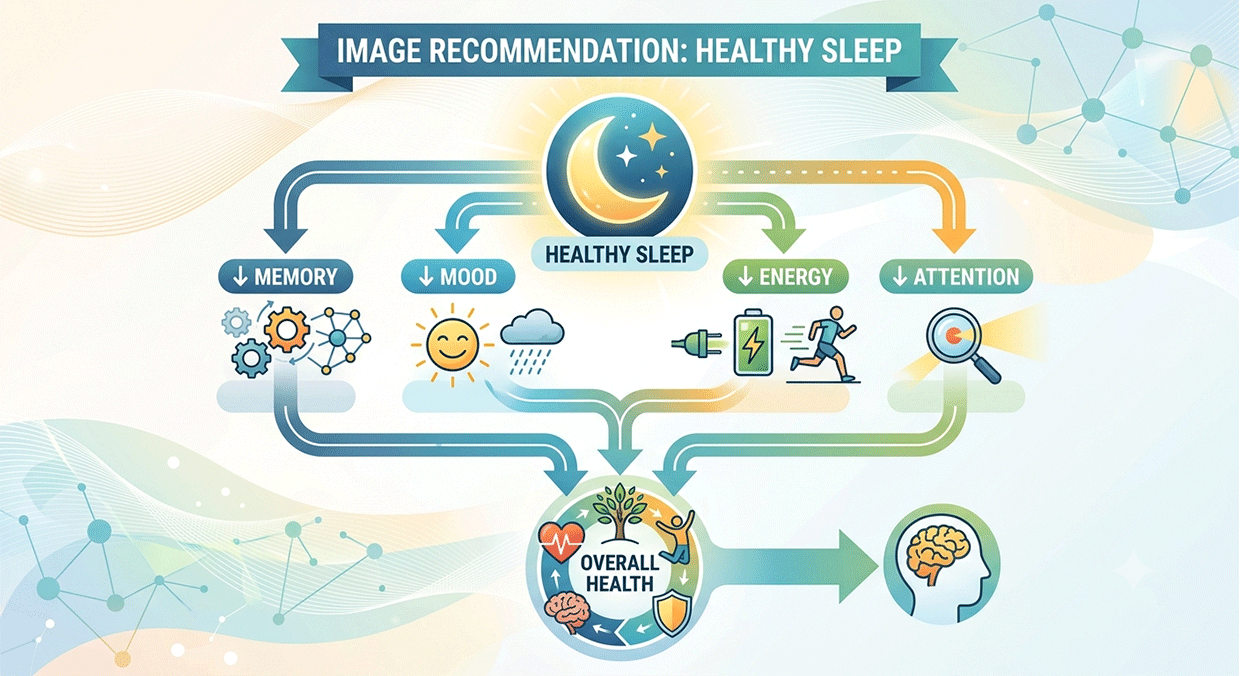
Rest is very important for the brain and the body.
While sleeping, our brain controls:
- Memory
- Learning
- Emotional wellbeing
- Attention
- Decision-making
- Hormonal balance
- Immune function
If rest is constantly interrupted, all these processes could suffer as well.
Occasional Sleeplessness vs Insomnia
Insomnia is not synonymous with insufficient sleep.
A temporary disruption of sleep might be caused by:
- Travel
- Exams
- Work deadlines
- Temporary stress
- Illness
Poor Sleep vs Insomnia Disorder
| Occasional Poor Sleep | Insomnia Disorder |
|---|---|
| Temporary | Persistent |
| Usually related to stress or illness. | Continues for weeks or months |
| Resolves on its own | Causes daytime impairment |
| Usually does not require treatment. | May require professional assessment |
Clinical Pearl
It seems that many people view insomnia as "sleeping not enough." But in actuality, it is a condition that involves an inability to sleep despite having enough chance to sleep.
“Patient Takeaway
Insomnia is a medically recognized disease, and not just an individual failing or being lazy. There are various treatment methods for this condition, and individuals often show great improvement through these.”
What Are the Symptoms of Insomnia?
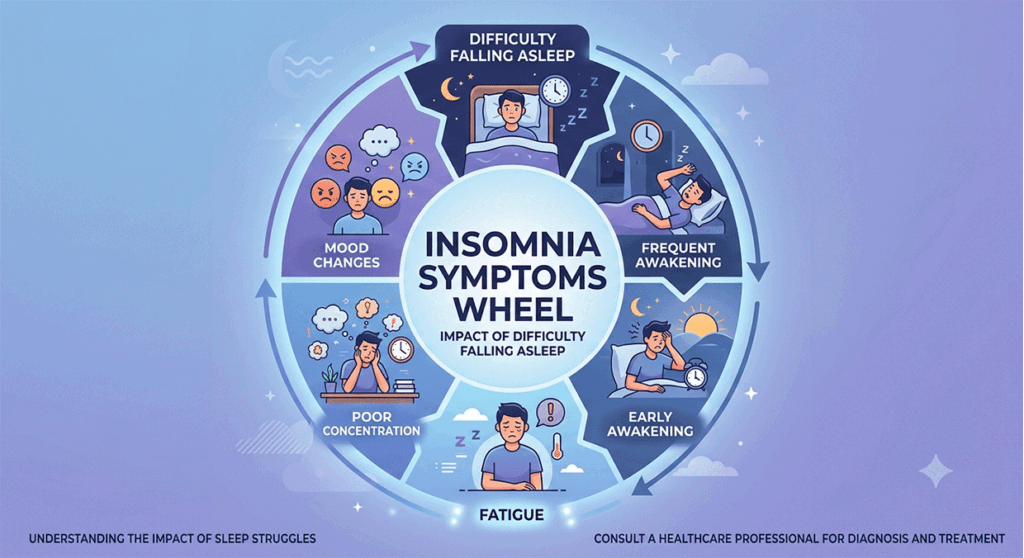
Insomnia is characterized by such symptoms as inability to fall asleep, waking up at night, premature awakening, sleep disorders, daytime fatigue, irritability, lack of concentration, poor memory, and low performance at work.
The condition affects the person’s activities both during the nighttime and daytime.
Although sleep disturbances are the main signs and symptoms of insomnia, most patients see their doctors due to fatigue, inability to concentrate, or mood swings.
Night-Time Symptoms
A person may have:
- Problems falling asleep
- Frequent awakenings
- Waking too early
- Difficulty returning to sleep
- Restless or fragmented sleep
- Feeling that sleep is not refreshing
Daytime Symptoms
Poor sleep can result in:
- Fatigue
- Excessive daytime sleepiness
- Difficulty concentrating
- Poor memory
- Irritability
- Low motivation
- Reduced work performance
- Academic difficulties
- Mood changes
- Increased anxiety
Emotional Effects of Insomnia
Persistent sleep difficulties may contribute to:
- Worrying about sleep
- Fear of bedtime
- Frustration
- Anxiety
- Low mood
Common Symptoms of Insomnia
| Night-Time Symptoms | Daytime Symptoms |
|---|---|
| Difficulty falling asleep | Fatigue |
| Frequent awakenings | Poor concentration |
| Early morning awakening | Irritability |
| Poor sleep quality | Memory problems |
| Non-restorative sleep | Reduced productivity |
| Restless sleep | Low mood |
When Is Insomnia Considered Chronic?
The widely accepted criterion for chronic insomnia includes trouble sleeping at least three nights per week for a period of three months resulting in impaired functioning during the day. This differentiation between temporary and chronic insomnia is useful in determining treatment.
When Should You Consult Your Doctor?
You should consult a doctor in case:
● Sleep problems continue for several weeks.
● Your sleep causes poor performance in school or at work and in your interpersonal relationships.
● You depend on sleeping pills or alcohol for sleeping.
● Daytime fatigue becomes severe.
● Mood changes accompany poor sleep.
● You experience loud snoring and struggle breathing while sleeping.
These symptoms may indicate insomnia or some other sleep problem.
Clinical Pearl
Sleep duration is one thing many people consider. In fact, the effect that bad sleep can have on daytime functions is just as critical in the diagnosis of insomnia.
What Are the Different Types of Insomnia?
Insomnia can be categorized in relation to its duration and sleeping habits. This is either acute (of short duration) or chronic (of long duration) and can be characterized by trouble initiating sleep, trouble maintaining sleep, early awakenings, or all of them.
Insomnia is not always shown in the same way.
Identifying the sleep disturbance pattern will aid health practitioners in finding the cause and the right treatment method for their patients.
Acute Insomnia
Acute insomnia typically lasts for a short while and can be a result of:
- Emotional stress
- Illness
- Travel
- Shift work
- Major life occurrences
Chronic Insomnia
Insomnia is described as chronic when it persists for a longer duration than acute insomnia. It may be associated with:
- Anxiety
- Depression
- Chronic pain
- Medical illnesses
- Poor sleep habits
- Persistent stress
Sleep-Onset Insomnia
Individuals primarily struggle to:
- Fall asleep
- Stay awake for long hours before sleeping
Sleep-Maintenance Insomnia
Individuals:
- Wake repeatedly during the night.
- Shift work
- Find it difficult to return to sleep.
Early Morning Awakening
Some wake up earlier than planned and find it difficult to get back to sleep. This pattern may occur in several sleep and mental health conditions and should be evaluated in the overall clinical context.
Types of Insomnia
| Type | Main Difficulty |
|---|---|
| Acute Insomnia | Short-term sleep disturbance |
| Chronic Insomnia | Persistent sleep difficulty |
| Sleep-Onset Insomnia | Difficulty falling asleep |
| Sleep-Maintenance Insomnia | Frequent awakenings |
| Early Morning Awakening | Waking too early |
Clinical Pearl
It is common for individuals to suffer from multiple forms of insomnia. The dominant sleep pattern allows for appropriate treatment according to evidence-based research.
Having Trouble Sleeping?
If you have trouble getting to sleep, there are ways of dealing with this problem that will help you see why this is happening to you.
What Causes Insomnia?
Insomnia may arise due to biological, psychological, behavioral, or environmental reasons. The reasons why people get insomnia include the following: stress, anxiety, depression, bad sleeping practices, illnesses, medications, inconsistent sleep cycles, or any other sleeping disorders such as sleep apnea and restless leg syndrome.
Many people wonder,
“Even though I am tired, why can’t I get to sleep?”
The reason for that may be far more complicated than merely ‘thinking too much.’
Sleep requires an intricate interaction between the innate sleep drive of the body, biological clock, psychological well-being, physical well-being, lifestyle, and the surrounding environment.
Insomnia begins when one or all of the factors listed above are affected.
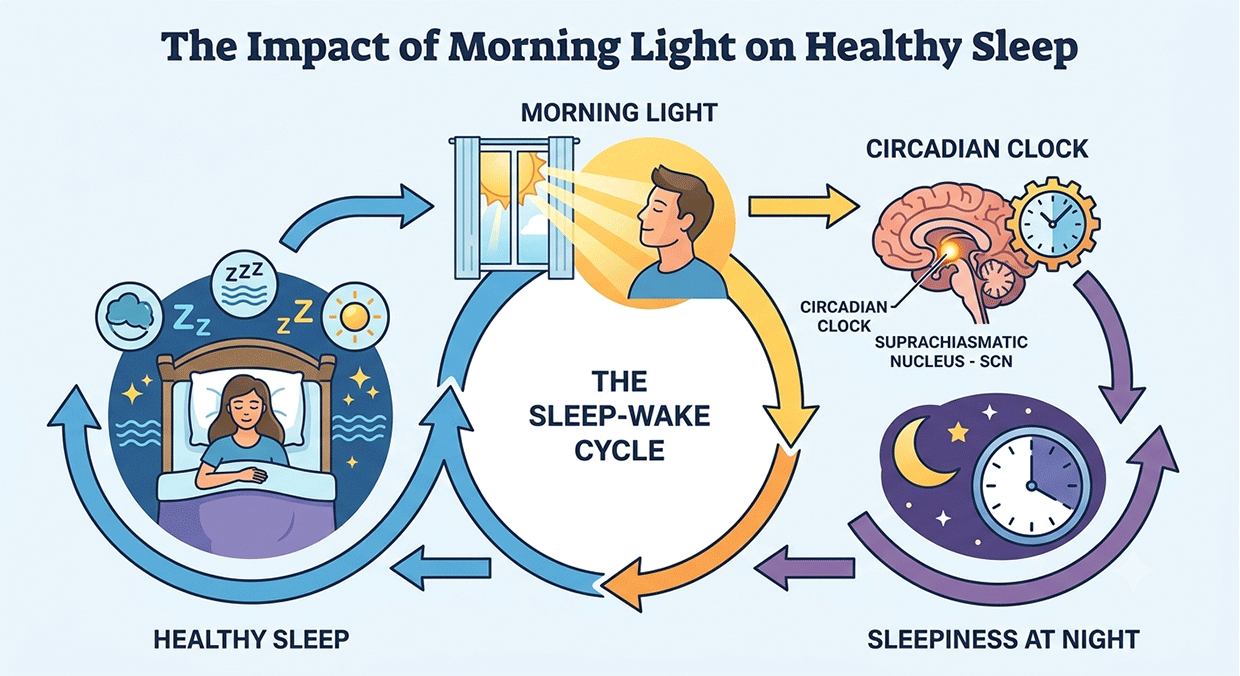
On other occasions, insomnia begins as a result of an instance of stress and continues much after the cause of the stress disappears because the brain learns to stay awake in bed.
Stress and Emotional Factors
Insomnia is among the most frequent conditions that result from stress. This includes the following:
- Workplace stress
- Examination pressure
- Financial concerns
- Relationship difficulties
- Bereavement
- Major life changes
At first, stress-induced insomnia will be temporary. However, later on, insomnia can also become the source of stress.
Psychiatric Disorders
Several psychiatric disorders are frequently linked to the problem of insomnia, such as:
- Anxiety disorders
- Depression
- Panic Disorder
- Post-Traumatic Stress Disorder
- Obsessive-Compulsive Disorder
- Bipolar Disorder
Medical Conditions
Sleep difficulties may also occur because of physical illnesses such as:
- Chronic pain
- Arthritis
- Asthma
- Gastroesophageal reflux disease
- Thyroid disorders
- Neurological conditions
- Heart disease
Lifestyle and Behavioural Issues
Some lifestyle factors can hurt quality sleep, such as:
- Caffeine overdose
- Nicotine use
- Alcohol consumption close to bedtime
- Irregular sleep schedules
- Excessive daytime naps
- Shift work
- Late-night screen use
- Lack of physical activity
Common Causes of Insomnia
| Category | Examples |
|---|---|
| Psychological | Stress, anxiety, depression |
| Medical | Chronic pain, asthma, thyroid disorders |
| Lifestyle | Caffeine, alcohol, irregular sleep schedule |
| Sleep Disorders | Sleep apnea, restless legs syndrome |
| Medications | Certain stimulants, steroids, some antidepressants |
Clinical Pearl
Insomnia that recurs can be caused not by one factor but a combination of factors. Through a complete evaluation, we will be able to pinpoint the exact causes.
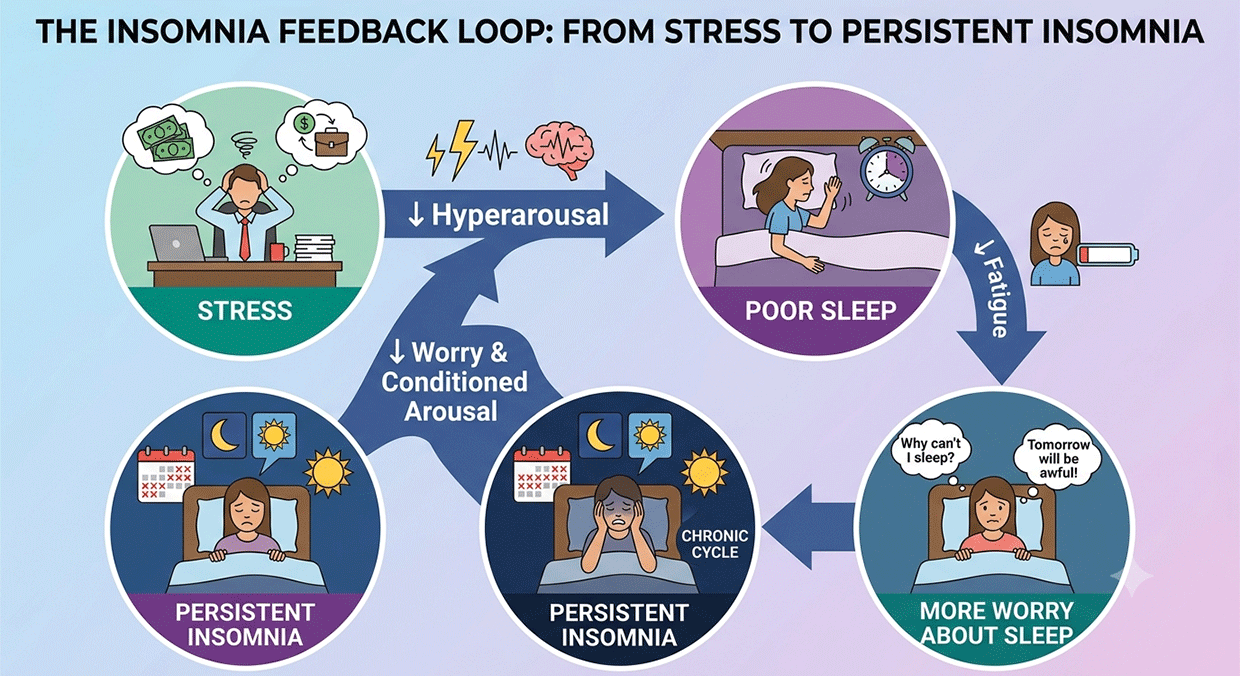
Understanding the Sleep-Wake Cycle
There are two processes involved in sleep regulation: the circadian rhythm and sleep pressure, which builds up when you're awake. An impairment in either of these processes may cause insomnia.
- When you feel sleepy
- When you wake up
- How deeply you sleep
- How refreshed you feel the next day
Circadian Rhythm
The circadian rhythm is the biological clock that operates in your body on a daily 24-hour basis. It is influenced by:
- Morning sunlight
- Regular sleep schedules
- Physical activity
- Meal timing
- Shift work
- Jet lag
- Late-night screen exposure
- Irregular sleep timings
Sleep Drive
The more one is awake, the greater the inherent tendency to sleep.
The Two Sleep Systems
| System | Function |
|---|---|
| Circadian Rhythm | Determines when sleep should occur |
| Sleep Drive | Builds pressure to sleep throughout the day |
Clinical Pearl
Those suffering from chronic insomnia tend to increase the time in bed with the hope of getting more sleep. This, however, ends up lowering sleep efficiency.
Who Is More Likely to Develop Insomnia?
Insomnia can happen in individuals of all ages. Some of the factors causing insomnia are continuous stress, anxiety, depression, old age, being female, suffering from some chronic illness, shift work, and bad sleeping habits.
Risk Factors
They include:
- Chronic stress
- Anxiety disorders
- Depression
- Family history of insomnia
- Older age
- Female sex
- Chronic pain
- Shift work
- Frequent travel across time zones
- Poor sleep habits
Lifestyle Factors
Certain practices may cause insomnia as well:
- Too much caffeine
- Nicotine
- Alcohol use near bedtime
- Heavy meals late at night
- Excessive screen time before sleep
- Inconsistent sleep schedules
Risk Factors for Insomnia
| Biological | Psychological | Lifestyle |
|---|---|---|
| Older age | Anxiety | Caffeine |
| Female sex | Depression | Alcohol |
| Chronic illness | Chronic stress | Screen use |
| Family history | Trauma | Shift work |
Clinical Pearl
However, the risk factors increase the probability of getting insomnia but do not influence the development of insomnia itself. Early intervention can decrease the risks of developing chronic insomnia.
How Is Insomnia Diagnosed?
The disorder of insomnia can be confirmed by performing an intensive examination. The physician examines the patient's sleep habits, daytime activities, medical background, mental health conditions, medication, environmental factors, and any other sleep disorder that may cause this condition. Insomniacs rarely need to be tested at sleep laboratories.
- The type of insomnia
- How long symptoms have been present
- Factors maintaining poor sleep
- Underlying medical or psychiatric conditions
- Other sleep disorders
Sleep History
Important questions include:
- When is your bedtime?
- How long does it take you to fall asleep?
- How often do you wake up at night?
- When do you get up?
- Are you rested in the morning?
- Do you nap during the day?
- How much caffeine or alcohol do you consume??
Sleep Diary
A sleep diary may be recommended for one to two weeks. It records:
- Bedtime
- Wake-up time
- Sleep duration
- Night awakenings
- Daytime naps
- Caffeine intake
- Medication use
Questionnaires
Validated sleep questionnaires may be used to assess:
- Sleep quality
- Daytime sleepiness
- Severity of insomnia
- Associated anxiety or depression
Components of an Insomnia Assessment
| Assessment | Purpose |
|---|---|
| Clinical Interview | Understand sleep problems |
| Medical History | Identify physical causes |
| Psychiatric Assessment | Detect anxiety or depression. |
| Sleep Diary | Identify sleep patterns |
| Medication Review | Detect contributing medicines |
| Physical Examination | When clinically indicated |
Are Any Investigations Needed?
However, the vast majority of individuals who suffer from insomnia do not need any specialized tests. Only if there is some evidence of a possible underlying health condition or other forms of sleep disorders should the test be considered.
Possible Investigations
The following tests may be performed based on your symptoms:
- Complete blood count
- Thyroid function tests
- Blood glucose testing
- Iron studies (if restless legs syndrome is suspected)
- Testing for Vitamin B12 or Vitamin D in selected cases
When Is a Sleep Study Needed?
A sleep study, or polysomnogram, is not typically needed when you are diagnosing someone with insomnia. These are necessary when there may be another sleep disorder present, such as:
- Obstructive sleep apnea
- Periodic limb movement disorder
- Narcolepsy
- Unusual sleep-related behaviours
Insomnia vs Other Sleep Disorders
| Condition | Key Features |
|---|---|
| Insomnia | Difficulty falling or staying asleep |
| Obstructive Sleep Apnea | Loud snoring, breathing pauses, daytime sleepiness |
| Restless Legs Syndrome | Urge to move the legs at night. |
| Circadian Rhythm Disorders | Misalignment of sleep timing |
| Narcolepsy | Excessive daytime sleepiness with sudden sleep episodes |
Clinical Pearl
In addition to this, insomnia can coexist with other sleep disorders. It is crucial to diagnose diseases like obstructive sleep apnea and restless legs syndrome, as their management approaches vary greatly.
Tired of Constant Sleeping Issues?
If you struggle to fall asleep, wake up frequently during the night, or wake up prematurely, regardless of lifestyle modifications, then an evaluation for sleep can provide a solution. Headspace Mind Clinic offers assessment of insomnia, anxiety-induced sleeping issues, depression-induced insomnia, and other sleep disorders.
How Is Insomnia Treated?
The management of the insomnia condition will be based on the cause of the problem. The best practice to treat the condition will include cognitive behavioral therapy for insomnia (CBT-I), medical/psychiatric conditions, sleep hygiene, lifestyle changes, and medications. CBT-I is highly recommended as a starting treatment for insomnia as per most international guidelines.
- Anxiety
- Depression
- Stress
- Poor sleep habits
- Chronic medical illness
- Shift work
- Another sleep disorder
- Improve sleep quality
- Reduce the time taken to fall asleep
- Reduce night awakenings
- Improve daytime functioning
- Restore confidence in the ability to sleep naturally
- Prevent long-term recurrence
Treatment Usually Includes
- Education about healthy sleep
- Cognitive Behavioural Therapy for Insomnia
- Lifestyle modification
- Management of stress
- Treatment of anxiety or depression when present
- Medication when clinically indicated
- Regular follow-up
Components of Insomnia Treatment
| Treatment | Purpose |
|---|---|
| CBT-I | First-line treatment for chronic insomnia |
| Sleep Hygiene | Improve healthy sleep habits. |
| Lifestyle Changes | Support long-term sleep health. |
| Medication | Selected patients when appropriate |
| Treat Underlying Conditions | Address anxiety, depression, pain, etc. |
| Follow-up Care | Monitor improvement and prevent relapse. |
Clinical Pearl
Insomnia therapy should aim at promoting a normal sleep pattern rather than just making people spend more time in bed.
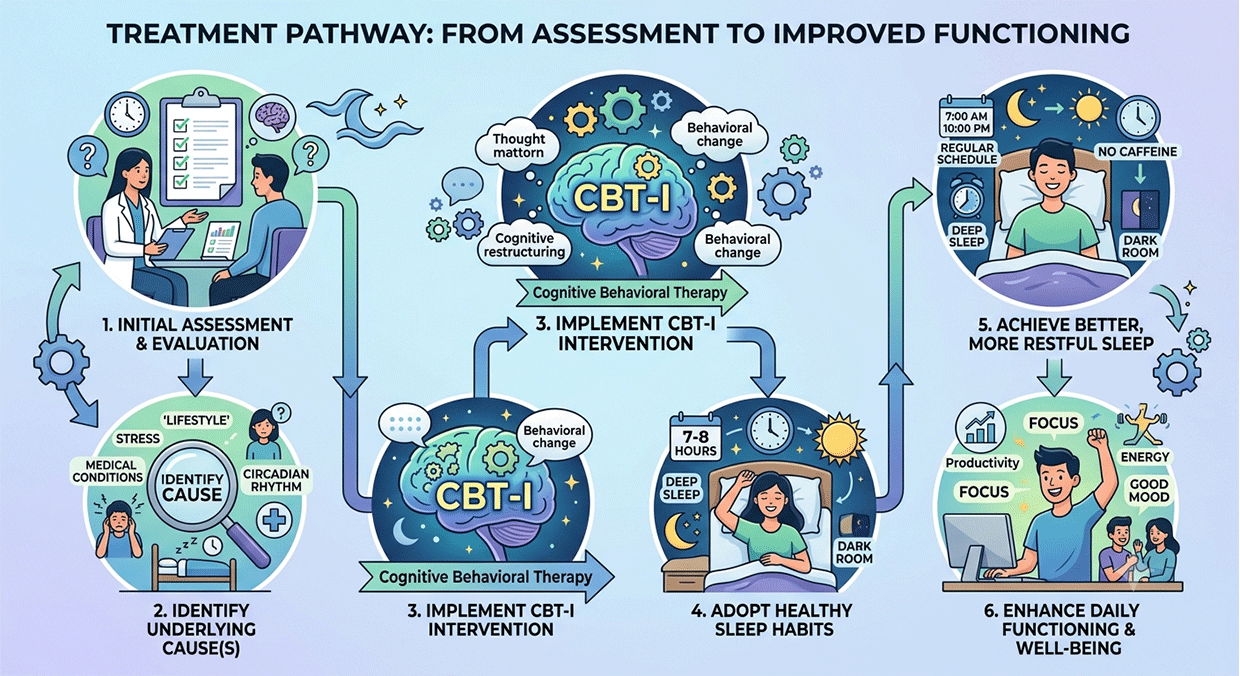
Cognitive Behavioural Therapy for Insomnia (CBT-I)
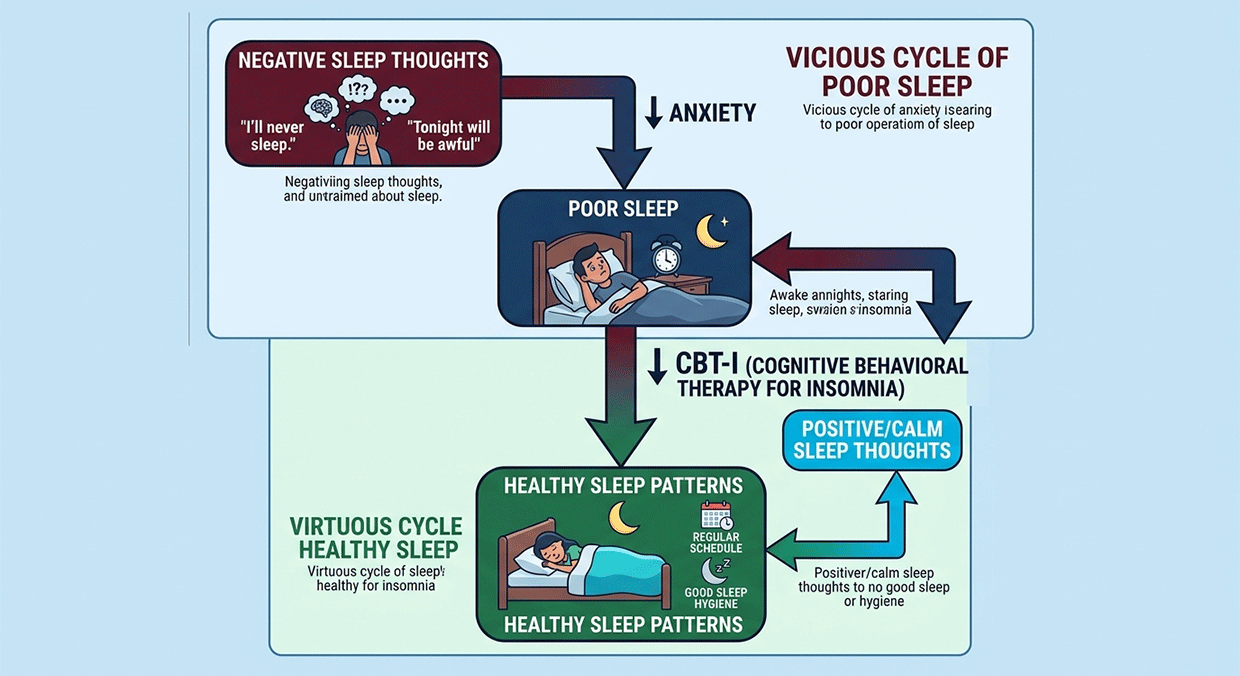
The Cognitive Behavioral Therapy for Insomnia (CBT-I) is considered as the preferred choice for treating chronic insomnia. The therapy will assist people in changing any thoughts and behaviors that are not helpful and which disrupt sleep, using practical techniques.
- "What if I don't sleep tonight?"
- "I won't function tomorrow."
- Anxiety increases.
- Sleep becomes even more difficult.
What Constitutes CBT-I?
As per individual requirements, CBT-I can consist of:
- Sleep education
- Stimulus control therapy
- Sleep restriction (also called sleep scheduling or sleep consolidation in some clinical settings)
- Cognitive restructuring
- Relaxation techniques
- Relapse prevention
CBT-I Advantages
There is evidence to suggest that CBT-I can assist in:
- Fall asleep faster
- Wake less often during the night
- Improve sleep quality
- Reduce anxiety about sleep
- Improve daytime functioning
- Reduce dependence on sleeping medication
CBT-I Components
| Component | Purpose |
|---|---|
| Sleep Education | Understand normal sleep |
| Stimulus Control | Strengthen the bed–sleep connection. |
| Sleep Scheduling | Improve sleep efficiency |
| Cognitive Therapy | Reduce unhelpful beliefs about sleep. |
| Relaxation | Lower arousal before sleep |
| Relapse Prevention | Sustained improvement |
Clinical Pearl
CBT-I is advised in many international sleep medicine guidelines to be the first-choice treatment for insomnia due to its sustained effects even after treatment.
Sleep Hygiene: Developing Good Sleeping Habits
Sleep hygiene is known as the term used to describe good sleeping habits and the environment that one sleeps in. While sleep hygiene does not treat chronic insomnia, it is an essential part of treatment.
Sleep hygiene is a concept that is often misrepresented.
Falling back on sleep hygiene practices alone will not necessarily solve problems of chronic insomnia, but it will enhance other methods like CBT-I
Good Sleep Practices
Some good practices are:
- Maintaining a regular sleep schedule
- Getting morning sunlight exposure
- Keeping the sleeping environment quiet and dark
- Employing the bed mainly for sleeping and sex
- Exercising daily (except just before sleep time, if it affects your sleep)
- Drinking less caffeine during the afternoon or evening
- Limiting alcohol, which can fragment sleep
Bedtime Rituals
Bedtime rituals could comprise:
- Reading a book
- Gentle stretching
- Relaxation exercises
- Mindfulness practices
- Soft lighting
- Avoiding emotionally stimulating activities before bed
Screen Use Before Bed
Electronic devices emit light that may delay the body's natural release of melatonin in some individuals.
Consider:
- Reducing screen exposure before bedtime
- Using night mode if screen use is unavoidable
- Avoiding stimulating social media or work-related activities late at night
Healthy Sleep Habits
| Helpful Habits | Habits That May Disrupt Sleep |
|---|---|
| Consistent sleep schedule | Irregular sleep timing |
| Morning sunlight | Staying indoors all day |
| Comfortable bedroom | Bright, noisy environment |
| Moderate caffeine intake | Excess caffeine late in the day |
| Regular exercise | Sedentary lifestyle |
Clinical Pearl
Sleep hygiene is important for good sleep, but chronic insomnia needs more than sleep hygiene for treatment, such as CBT-I.
Are Sleep Medications Always Necessary?
There is the possibility that sleeping pills can be used by those who have insomnia; however, such pills cannot be used by all people with this condition. It is necessary to choose those pills that will depend on the symptoms, past experiences, and the goal of the treatment.
Many patients ask,
“Can you just give me a sleeping pill?”
While medication can be useful in certain cases, it is always an adjunct to a holistic management program.
Whether a medication should be prescribed will depend on:
- Severity of insomnia
- Duration of symptoms
- Underlying cause
- Daytime impairment
- Medical history
- Previous treatment response
- Risk of adverse effects
Medication May Be Considered When
- Insomnia is causing significant distress or impairment.
- Symptoms persist despite behavioural interventions
- Short-term symptom relief is clinically appropriate.
- Another psychiatric or medical condition also requires treatment.
Important Considerations
Some sleep medications may:
- Cause next-day drowsiness
- Affect balance, particularly in older adults
- Interact with other medications
- Be unsuitable for long-term use in some individuals
Medication Overview
| Medication | General Role |
|---|---|
| Prescription Sleep Medicines | Selected patients under medical supervision |
| Melatonin (when appropriate) | Could be beneficial in certain sleep disorders, depending on the medical scenario |
| CBT-I | Is preferred for treating chronic insomnia |
Clinical Pearl
The use of drugs may result in good sleep in the short run, but a combination of both would give a better outcome in the long run.
“Patient Takeaway
Sedatives are not the only answer. The key to long-term results usually consists of finding out what causes your insomnia and adopting new sleeping patterns.”
Lifestyle Changes That Improve Sleep
Lifestyle variables like exercise, proper nutrition, relaxation, being in the sun, and having a regular sleep routine improve sleep quality and may be used alongside medical treatment for insomnia.
Physical Activity
Regular exercise may help:
- Improve sleep quality
- Reduce stress
- Improve mood
- Increase daytime energy
Stress Management
Stress management will help to minimize the mental activity that usually interrupts sleep.
Helpful approaches include:
- Mindfulness
- Deep breathing
- Progressive muscle relaxation
- Yoga
- Structured problem-solving
- Counselling when appropriate
Nutrition
Good nutritional practices help promote general good health. <brSome people may also benefit from:
- Not having very large meals just before sleeping if it makes them feel uncomfortable
- Consuming enough fluids during the day without having too much at night, especially if they have to urinate frequently at night
Lifestyle Strategies
| Strategy | Benefit |
|---|---|
| Regular Exercise | Better sleep quality |
| Morning Sunlight | Supports circadian rhythm |
| Stress Reduction | Reduces mental arousal |
| Healthy Eating | Supports overall health |
| Consistent Routine | Improves sleep regulation |
Clinical Pearl
Good sleep is usually achieved by forming healthy habits every day and not just with one solution alone.
Not Sleeping Well Even After Trying Everything?
If insomnia keeps taking a toll on your energy levels, mood, productivity, and quality of life, professional evaluation could help determine what’s behind it all and suggest a proper course of action.
At Headspace Mind Clinic, we offer a thorough evaluation and tailored treatments which could consist of CBT-I, treatment for accompanying anxiety or depression, sleep education, and medications if necessary.
Can Insomnia Be Cured?
Many insomnia sufferers achieve great improvement or full remission from their condition due to scientifically proven therapy. The effectiveness will be determined by the causative factors, the chronicity of the problem, other coexisting problems, and adherence to the prescribed treatment protocol. Chronic insomnia can be easily managed, particularly with CBT-I.
“Will I ever be able to sleep properly?”
For the majority of patients, the answer is positive. Many patients suffering from insomnia for months, sometimes even for years, achieve great improvement in their condition. Recovery usually involves:- Understanding the cause of insomnia
- Changing behaviours that interfere with sleep
- Treating associated medical or psychiatric conditions
- Creating confidence in the natural capacity of the body to sleep
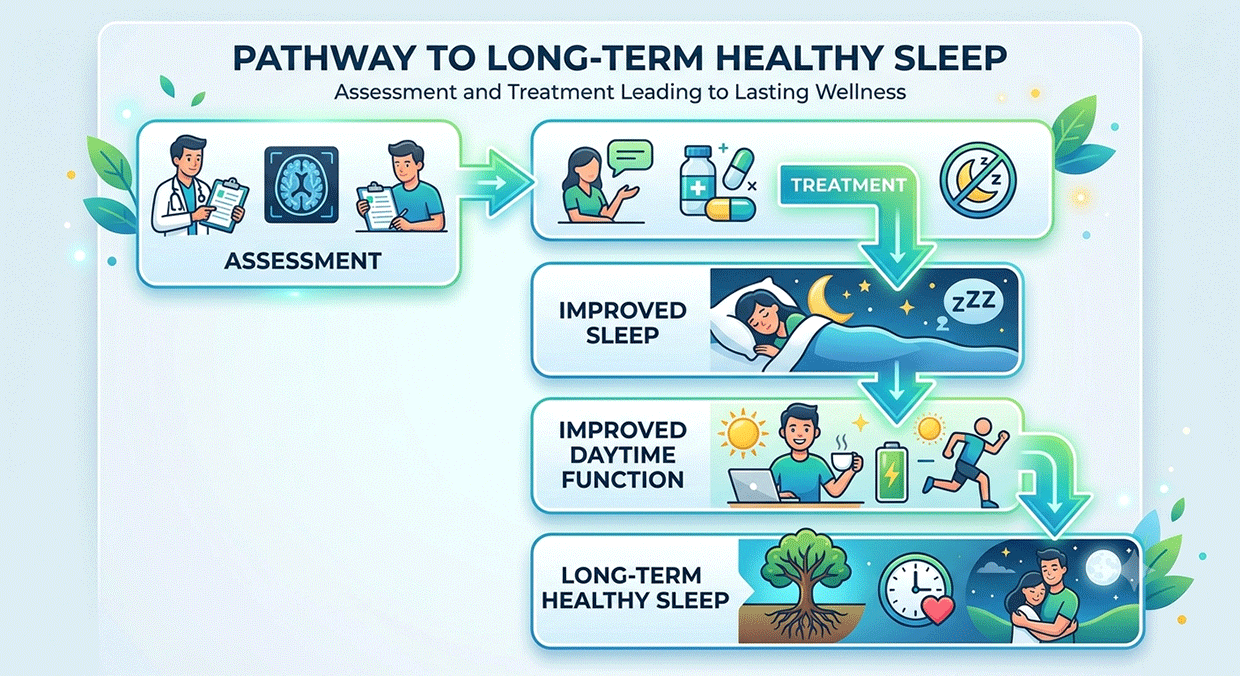
What Does Recovery Look Like?
Recovery may include:
- Falling asleep more easily
- Fewer night awakenings
- Better sleep quality
- Feeling refreshed in the morning
- Improved concentration
- Better emotional wellbeing
- Increased daytime energy
- Reduced anxiety about sleep
Recovery Journey
| Stage | Focus |
|---|---|
| Early Recovery | Understanding insomnia |
| Active Treatment | CBT-I and lifestyle changes |
| Sleep Improvement | Better sleep efficiency |
| Long-Term Recovery | Maintaining healthy sleep habits |
Clinical Pearl
Recovery involves not just getting more hours of sleep but feeling better during the day too.
Preventing Insomnia from Returning
Preventing relapse includes keeping good sleeping practices, managing stress, using CBT-I techniques, treating any illness that is causing the trouble, and getting professional help in case of sleep problems.
Early Warning Signs
You may notice:
- Increasing worry about sleep
- Spending longer in bed hoping to sleep
- Frequent clock watching
- Increasing daytime naps
- Dependence on sleeping medication without medical advice
- Returning anxiety at bedtime
Early identification of these warning signs can enable quick action to be taken.
Long-term Sleep Patterns
Some useful tactics involve:
- Maintaining a regular sleep schedule
- Continuing CBT-I techniques
- Managing stress
- Limiting excessive caffeine
- Avoiding unnecessary daytime naps
- Seeking medical advice if symptoms recur
Relapse Prevention Checklist
| Strategy | Benefit |
|---|---|
| Regular Sleep Schedule | Stabilises body clock |
| Continue CBT-I Skills | Prevents recurrence |
| Stress Management | Reduces hyperarousal |
| Healthy Lifestyle | Supports long-term sleep |
| Early Professional Review | Prevents chronic insomnia |
Clinical Pearl
A few bad sleeping nights do not necessarily indicate that the person has relapsed into insomnia. Calm responses are usually helpful for preventing a recurring case of insomnia.
Insomnia and Other Medical or Mental Health Conditions
Insomnia may also occur alongside anxiety disorders, depression, ADHD, chronic pain, menopause, neurological disorders, as well as numerous other illnesses. It is extremely important to diagnose and treat any such comorbid illnesses in conjunction with insomnia.
Anxiety Disorders
Anxiety causes:
- Difficulty falling asleep
- Racing thoughts
- Frequent awakenings
- Worry about sleep
The treatment for anxiety will improve the quality of sleep.
Depression
One of the major signs and symptoms associated with depression is:
- Early morning awakening
- Fragmented sleep
- Excessive sleeping (in some cases)
- Non-restorative sleep
ADHD
Possible symptoms for adults with ADHD may include:
- Problems falling asleep
- Irregular sleep schedules
- Delayed sleep phase
- Restlessness
Menopause
Hormonal changes during menopause may contribute to:
- Night sweats
- Frequent awakenings
- Reduced sleep quality
Chronic Medical Conditions
Several medical illnesses may disrupt sleep, including:
- Chronic pain
- Arthritis
- Asthma
- Gastroesophageal reflux disease
- Heart disease
- Neurological disorders
Conditions Commonly Associated with Insomnia
| Condition | Sleep Difficulty |
|---|---|
| Anxiety Disorders | Difficulty falling asleep |
| Depression | Early morning awakening |
| ADHD | Delayed sleep onset |
| Chronic Pain | Frequent awakenings |
| Menopause | Night-time awakenings |
| Sleep Apnea | Fragmented sleep |
Clinical Pearl
Treating a person’s insomnia without considering an underlying anxiety disorder, depression, or chronic pain condition, or other sleep disorder, can impede their improvement.
When Should You Consult a Psychiatrist or Sleep Specialist?
Seeking professional help is advised in cases where an individual continues to face difficulty sleeping for more than a few weeks, where there is disturbance at work or other activities, difficulty in falling asleep despite lifestyle changes, and in cases where difficulty is accompanied by other disorders like anxiety and depression.
Recommended Seeking Professional Assistance If
- Persistent sleep disorders for several weeks.
- Exhaustion that interferes with work, studies, or relationships.
- Depression or anxiety occurring along with insomnia.
- Ongoing use of sleep medication or alcohol to help sleep.
- Heavy snoring and breath pauses during sleep.
- Sleep-related behavior problems.
- Daytime drowsiness impacting your driving or safety.
Why Choose Headspace Mind Clinic for Insomnia Treatment in Delhi?
At Headspace Mind Clinic, you can benefit from a complete assessment and proven methods of insomnia treatment in accordance with an individual plan, which includes such treatments as CBT-I, anxiety/depression treatment, medication where necessary, sleep education, and relapse prevention.
Our Approach
- Comprehensive Sleep Assessment
- Consultant Psychiatrist
- Evidence-Based Diagnosis
- CBT-I Guided Care
- Management of Anxiety and Depression
- Medication Management (When Appropriate)
- Long-Term Follow-up
- Confidential Consultations
Services Offered
| Service | Available |
|---|---|
| Sleep Assessment | ✓ |
| Psychiatric Consultation | ✓ |
| CBT-I Support | ✓ |
| Anxiety Treatment | ✓ |
| Depression Treatment | ✓ |
| Medication Management | ✓ |
Better Sleep Starts with the Right Diagnosis
Phone:
Website:
Frequently Asked Questions (FAQ)
Medically Reviewed By
Dr. Deepak Verma
Consultant Psychiatrist & Neuropsychiatrist, Founder & Medical Director, Headspace Mind Clinic
ABOUT THE MEDICAL REVIEWER
Dr. Deepak Verma is responsible for reviewing all medical content published on the Headspace Mind Clinic website to make sure that the information provided is scientifically accurate.
PUBLICATION INFORMATION
| Item | Details |
|---|---|
| Author | Headspace Mind Clinic Editorial Team |
| Medical Reviewer | Dr. Deepak Verma |
| Last Medical Review | July 2026 |
| Next Scheduled Review | January 2027 |
| Content Version | 1.0 |
| Content Type | Evidence-Based Patient Education |
EDITORIAL POLICY
- Based on current scientific evidence and internationally accepted clinical guidelines.
- Medically reviewed by a qualified psychiatrist.
- Written in clear, compassionate, and stigma-free language.
- Regularly updated as new evidence becomes available.
- Intended for educational purposes and not as a substitute for individualized medical advice.
REFERENCES
- American Academy of Sleep Medicine (AASM) Clinical Practice Guidelines
- American College of Physicians (ACP) Guideline on Chronic Insomnia
- European Sleep Research Society (ESRS) Guidelines
- National Institute for Health and Care Excellence (NICE) Guidance
- Indian Psychiatric Society (IPS) Clinical Practice Guidelines
- World Health Organization (WHO) Mental Health Resources
- PubMed-indexed systematic reviews on insomnia and CBT-I