
Sexual Dysfunction Treatment in Delhi
Trust Signals




Quick Facts
| Quick Fact | Details |
|---|---|
| Condition | Sexual Dysfunction |
| Category | Sexual Health & Mental Health |
| Affects | Females and Males |
| Issues | Problems with Erections, Premature Ejaculation, Loss of Libido, Difficulty Having an Orgasm, Sexual Discomfort |
| Therapy | Lifestyle Changes, Psychological Therapy, Drugs (If Needed), Couple Therapy |
| Location | Delhi NCR |
What Is Sexual Dysfunction?
Sexual dysfunctions refer to medical issues associated with decreased libido, difficulty attaining an erection, difficulties with orgasm and ejaculation, erectile dysfunction, and painful sexual activities. Possible reasons for sexual dysfunctions can be diseases, psychological problems, medications, relationship issues, and so forth. All sexual dysfunctions can be effectively treated after a full medical and psychological examination.

Sexual health is a very important aspect of your wellbeing.
It is absolutely normal for changes to occur in your sexual behavior due to different factors like stress, sickness, fatigue, etc.
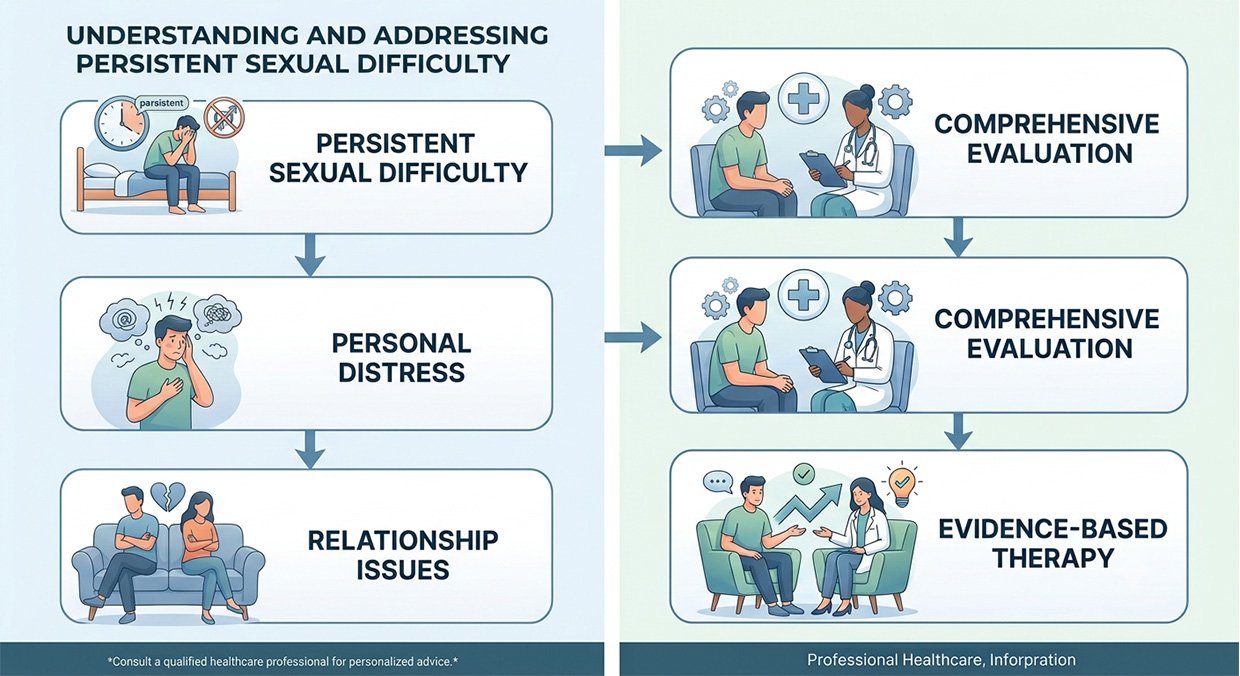
On the other hand, persistent, recurring, or disturbing problems in this regard might signify sexual dysfunction.
Sexual dysfunction may occur to people of all ages; however, depending on age and other factors, such as medical problems, the cause and treatment will be different.
It is vital to note that sexual dysfunction does not point to weakness, but it is a disease.
Many people get substantial relief from their sexual problems by receiving proper treatment.
The Sexual Response Cycle
Sexual function involves several interconnected stages:
- Sexual desire (libido)
- Sexual arousal
- Physiological response (erection or lubrication)
- Orgasm
- Resolution
Temporary Sexual Problems vs Sexual Dysfunction
Every individual may experience temporary sexual problems.
These may occur because of:
- Stress
- Poor sleep
- Relationship conflict
- Illness
- Fatigue
- Persist for several months
- Cause significant distress
- Affect relationships or quality of life
- Are not better explained by another untreated medical or psychiatric condition alone
Temporary Difficulties vs Sexual Dysfunction
| Temporary Changes | Sexual Dysfunction |
|---|---|
| Occasional | Persistent or recurrent |
| Related to temporary stress | Continues despite resolution of stress |
| Minimal distress | Significant personal distress |
| Improves spontaneously | Often requires professional evaluation |
Common types of Sexual Dysfunction
Sexual dysfunction can affect both men and women. Some examples are:
In Men
- Erectile Dysfunction
- Premature Ejaculation
- Delayed Ejaculation
- Low Sexual Desire
- Difficulty in reaching orgasm
In Women
- Low Sexual Desire
- Difficulty becoming sexually aroused
- Orgasmic Disorder
- Genito-Pelvic Pain/Penetration Disorder
- Sexual pain caused by menopause and other medical issues
In Both Men and Women
- Reduced libido
- Performance anxiety
- Sexual dysfunction related to depression or anxiety
- Medication-induced sexual dysfunction
- Relationship-related sexual difficulties
Clinical Pearl
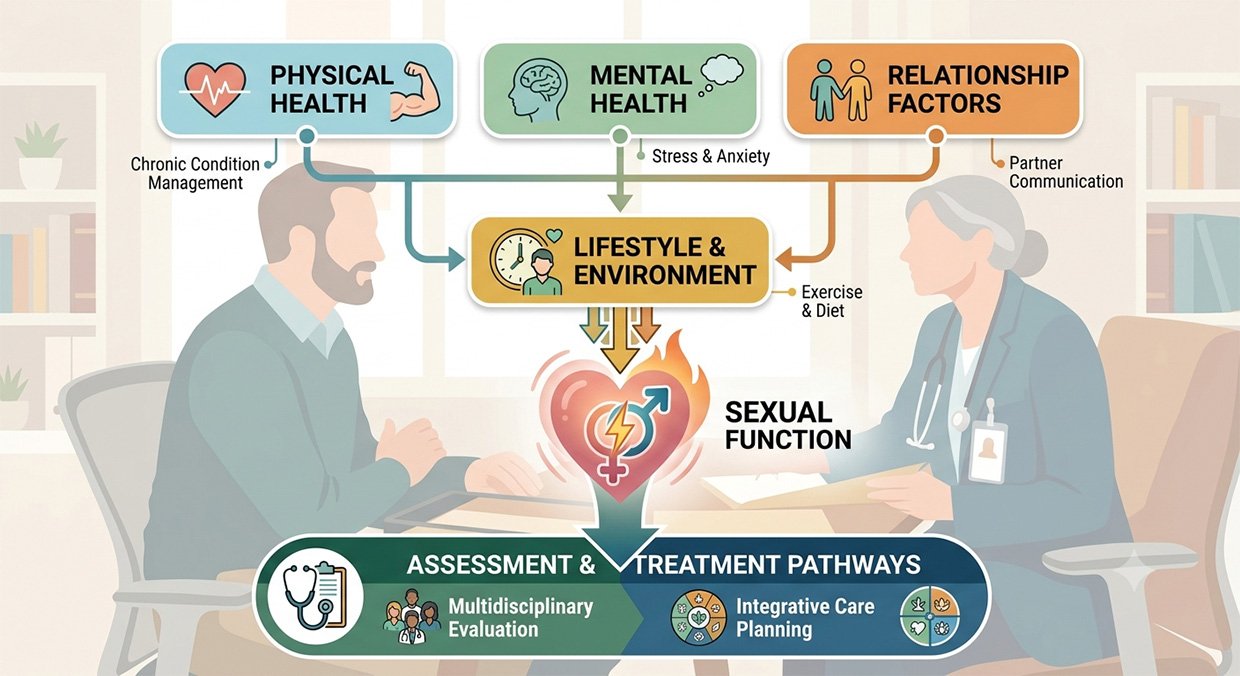
Sexual dysfunction typically results from a number of factors. Physical health, psychological health, interpersonal interactions, drug use, and lifestyle habits are all responsible for sexual dysfunction.
“Patient Takeaway
Sexual dysfunction is common, treatable and nothing to be ashamed of. Seeking help from professionals might assist you.”
What are the signs and symptoms of Sexual Dysfunction?
Various symptoms of sexual dysfunctions exist; however, these may differ from one person to another. Some of the symptoms include loss of interest in sexual activities, inability to become aroused, erectile difficulties, premature or delayed ejaculation, inability to reach orgasm, painful sexual intercourse, and sexual dissatisfaction. In evaluating any of these symptoms, frequency, consistency, and the cause of the disturbance should be considered.
The symptoms of sexual dysfunctions differ from one individual to another.
While there is someone who will experience difficulties with his sexual desires, another will be experiencing difficulty getting or maintaining erections, achieving orgasms or difficulties with ejaculation.
The symptoms may not emerge at once but gradually over time due to illness, stress, medications or relationship issues.
Common Symptoms in Men
Men may experience:
- Difficulty achieving an erection
- Difficulty maintaining an erection
- Premature ejaculation
- Delayed ejaculation
- Reduced sexual desire
- Difficulty reaching orgasm
- Anxiety about sexual performance
Common Symptoms in Women
Women may experience:
- Reduced sexual desire
- Difficulties in becoming sexually aroused
- Vaginal dryness
- Difficulty reaching orgasm
- Pain during intercourse
- Fear/Avoidance of sex because of discomfort
Emotional and Psychological Symptoms
Sexual dysfunctions can lead to:
- Performance anxiety
- Low self-confidence
- Relationship satisfaction
- Frustration
- Depression
- Anxiety
- Intimacy avoidance
- Feelings of embarrassment
Relationship Impact
Persistent sexual problems may affect:
- Emotional closeness
- Communication
- Relationship satisfaction
- Intimacy
- Family planning
- Self-esteem of one or both partners
Common Symptoms of Sexual Dysfunction
| Desire | Arousal | Orgasm | Emotional |
|---|---|---|---|
| Low sexual desire | Problems getting an erection | Problems with achieving orgasm | Anxiety |
| Low interest in sexual activities | Low lubrication | Late ejaculation | Depression |
| Aversion from intimacy | Lack of staying aroused | Premature ejaculation | Difficulty in relationships |
| Less satisfaction | Performance anxiety | Sexual dissatisfaction | Low self-respect |
When should you seek Professional Help?
It may be necessary to seek consultations if:
● Sexual difficulties persist for several months.
● The problem causes distress or embarrassment.
● It affects your relationship.
● Sexual performance anxiety is increasing.
● There is reduced desire without an obvious temporary cause.
● Erectile or ejaculation problems occur repeatedly.
● Pain occurs during intercourse.
● The symptoms are due to medication use or any medical condition.
Seek Prompt Medical Evaluation If
● Sudden development of erectile dysfunction occurs along with chest pain and severe symptoms of the heart and nervous system.
● There is a painful or long-lasting erection (priapism), which is a medical emergency.
● Severe pain or bleeding, or injury in the genitals.
● Sexual dysfunction after pelvic trauma or surgery.
● Sexual dysfunction is associated with depression and suicidal ideas.
Clinical Pearl
Sexual dysfunction can frequently be accompanied by other illnesses including depression, anxiety, diabetes, heart disease, hormonal disorders, and drug-induced disorders. It is essential to determine the root cause of these illnesses.
Concerned About Sexual Health?
If sexual problems are making you feel insecure and interfering with your quality of life, there is professional help at hand.
Headspace Mind Clinic offers a discreet, professional and science-backed sexual dysfunction treatment program for both males and females. The process of treatment is done in a manner that takes into account physical, psychological and relational aspects.
What Causes Sexual Dysfunction?
The development of sexual dysfunctions may be caused by different reasons, and those may either be biological, psychological, hormonal, neurobiological, relational, and even lifestyle factors. Some of the common causes of sexual dysfunctions are conditions such as diabetes, heart diseases, hormonal imbalance, psychological problems like anxiety and depression, stress, certain medicines, substance abuse, and relationship issues. It is important to pinpoint the reason for the problem.
- The brain
- Hormones
- Blood vessels
- Nerves
- Muscles
- Emotions
- Relationships
The Biopsychosocial Model
Sexual medicine in modern times operates based on the biopsychosocial model, understanding that sexual dysfunction never happens because of one factor alone.
Biological Factors
- Diabetes
- Hypertension
- Cardiovascular disease
- Hormonal disorders
- Neurological disorders
- Chronic pain
- Age-related changes
Psychological Factors
- Anxiety
- Depression
- Performance anxiety
- Stress
- Trauma
- Poor body image
- Low self-esteem
Social & Relationship Factors
- Relationship conflict
- Poor communication
- Financial stress
- Work-related stress
- Cultural beliefs
- Sexual misconceptions
- Lack of privacy
Causes of Sexual Dysfunction
| Physical | Psychological | Relationship & Lifestyle |
|---|---|---|
| Diabetes | Anxiety | Relationship conflict |
| Heart disease | Depression | Poor communication |
| Hormonal disorders | Stress | Work pressure |
| Neurological disorders | Trauma | Cultural beliefs |
| Medication side effects | Performance anxiety | Substance use |
Clinical Pearl
Most people who suffer from sexual dysfunction have more than one cause for their problems. Treatment can be effective if both physical and psychological well-being are treated.
How Does Normal Sexual Function Work?
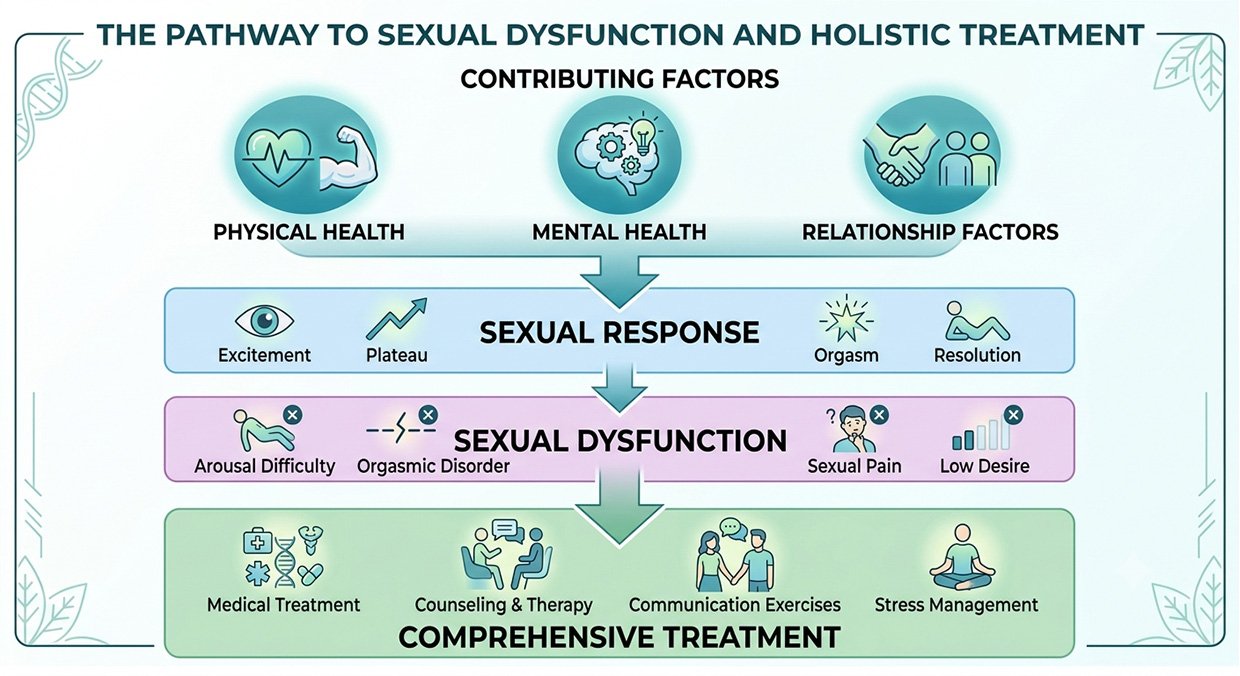
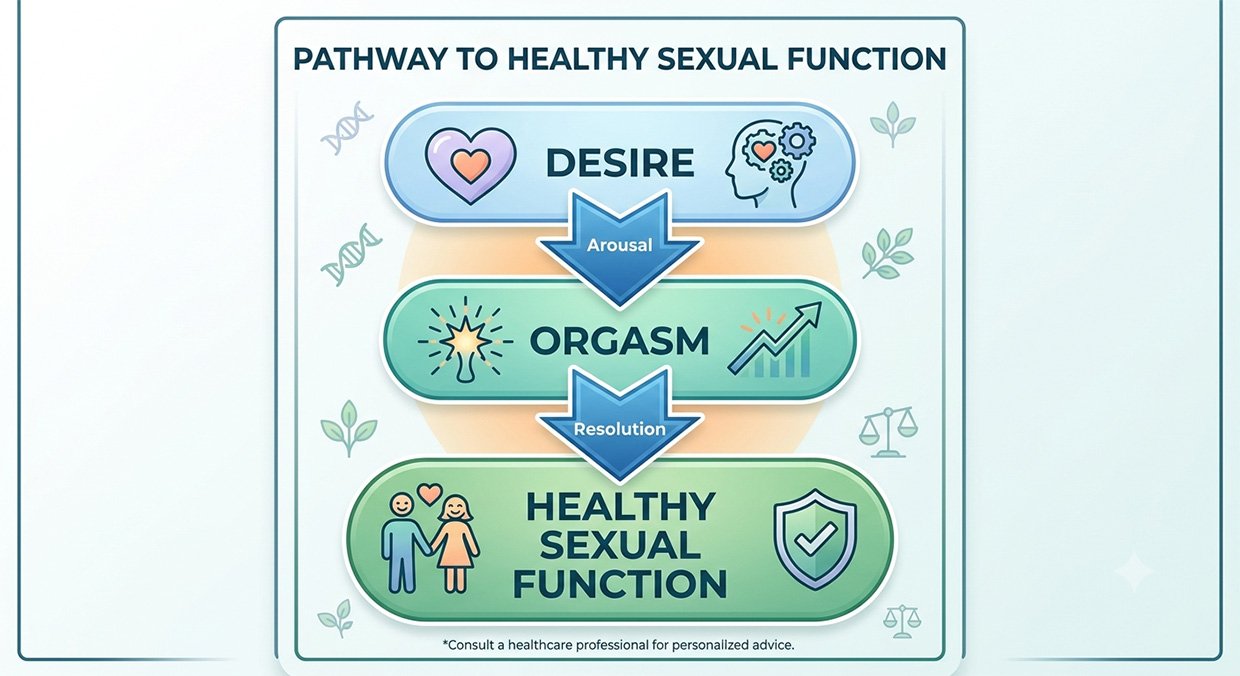
Sexual function usually entails collaboration among the brain, hormones, nervous system, blood vessels, muscles, and emotions. The functioning of sexual response requires coordinated functioning of all four phases, which are: Desire; Arousal; Orgasm; Resolution. Any dysfunction in any of these phases can cause sexual problems.
- Thoughts
- Emotions
- Hormones
- Blood flow
- Nerves
- Muscles
Stage 1 – Sexual Desire (Libido)
Factors that affect sexual desire:
- Hormones
- Attraction
- Emotional intimacy
- Physical health
- Stress levels
- Mental health
Desire may be low due to the presence of depression, hormonal problems, sickness, drugs, or relationship problems.
Stage 2 – Sexual Arousal
During arousal:
In men:
- The increase in blood flow leads to erection.
In women:
- There is an increase in blood flow, which results in vaginal lubrication and engorgement.
Stage 3 – Orgasm
The process of orgasm includes muscle contractions and brain activities.
Problems may involve:
- Delayed orgasm
- Difficulty reaching orgasm
- Reduced orgasm intensity
- Absence of orgasm
Stage 4 – Resolution
Sexual Response Cycle
| Stage | Function |
|---|---|
| Desire | Interest in sexual activity |
| Arousal | Physical and emotional excitement |
| Orgasm | Peak sexual response |
| Resolution | Recovery and relaxation |
Clinical Pearl
Sexual dysfunction may occur in any phase of the sexual response cycle and vary from one individual to another.
Who is at risk of Sexual Dysfunction?
Any individual can experience sexual dysfunction; however, this issue can be caused by the presence of some disease or psychological disorder, hormonal imbalances, side effects of medication, smoking, excessive consumption of alcohol, obesity, and difficulties in relationships. Ageing results in an increased occurrence of sexual dysfunctions, although this does not mean that all people experience them.
Medical Risk Factors
- Diabetes
- High blood pressure
- Heart disease
- High cholesterol
- Obesity
- Chronic kidney disease
- Liver disease
- Neurological disorders
- Pelvic surgery
- Cancer treatment
Hormonal Risk Factors
Hormonal changes may contribute to:
- Reduced libido
- Erectile problems
- Vaginal dryness
- Difficulty with
- Low testosterone
- Menopause
- Thyroid disorders
- Prolactin elevation
Mental Health Risk Factors
Mental status has a considerable effect on sexual health. Disorders associated with sexual dysfunction are:
- Depression
- Anxiety disorders
- Panic disorder
- PTSD
- OCD
- Personality disorders
Lifestyle Risk Factors
- Smoking
- Excessive alcohol use
- Recreational drugs
- Poor sleep
- Lack of exercise
- Obesity
- Chronic stress
Risk Factors
| Non-Modifiable | Modifiable |
|---|---|
| Increasing age | Smoking |
| Chronic illness | Alcohol use |
| Neurological disease | Obesity |
| Menopause | Physical inactivity |
| Chronic stress | |
| Unresolved depression |
Clinical Pearl
Several factors related to sexual dysfunction that are treatable and can be changed with the proper management are smoking, obesity, uncontrolled diabetes, and unresolved depression.
Types of Sexual Dysfunction
Sexual dysfunction is classified according to the phase of sexual response cycle that causes the dysfunction. The categories include sexual desire disorder, sexual arousal disorder, orgasmic disorder, ejaculatory disorders, erectile dysfunction, and sexual pain disorders. These disorders may affect both sexes.
Desire Disorders
These involve reduced or absent interest in sexual activity.
Examples include:
- Male Hypoactive Sexual Desire
- Female Sexual Interest/Arousal Disorder
Erectile Dysfunction
Erectile Dysfunction (ED) can be defined as the inability to obtain or sustain an erection adequate for sexual intercourse.
Ejaculatory Disorders
These include:
- Premature Ejaculation
- Delayed Ejaculation
- Absent Ejaculation
Orgasmic Disorders
Individuals may experience:
- Delayed orgasm
- Absent orgasm
- Reduced orgasm intensity
Sexual Pain Disorders
Pain during sexual activity may occur because of:
- Conditions related to genito-pelvic pain/penetration disorder
- Medical conditions
- Hormonal changes
- Pelvic floor dysfunction
Common Sexual Dysfunctions
| Disorder | Common Presentation |
|---|---|
| Low Sexual Desire | Low sex drive |
| Erectile Dysfunction | Difficulty with erections |
| Premature Ejaculation | Sex too early |
| Delayed Ejaculation | Sex too late |
| Orgasmic Disorder | Orgasm problems |
| Sexual Pain Disorders | Discomfort during sex |
Clinical Pearl
Several sexual dysfunctions can happen at the same time. For instance, erectile dysfunction may coexist with low sex drive or performance anxiety.
How is Sexual Dysfunction Diagnosed?
Sexual dysfunctions can be confirmed through a thorough medical and psychological assessment. This assessment involves sex history, medical history, medications, relationship issues, physical examination, and some laboratory investigations. There is no single test for diagnosing all types of sexual dysfunctions.
- The specific sexual difficulty
- Duration and severity
- Physical causes
- Psychological factors
- Relationship issues
- Medication side effects
- Lifestyle contributors
Medical History
Your doctor may ask about:
- General health
- Chronic illnesses
- Previous surgeries
- Current medications
- Alcohol or tobacco use
- Sleep quality
- Exercise
- Hormonal symptoms
Sexual History
The assessment may include discussion about:
- Sexual desire
- Erectile function (where relevant)
- Ejaculation
- Orgasm
- Pain during intercourse
- Relationship satisfaction
- Previous sexual functioning
Mental Health Assessment
Because emotional wellbeing strongly influences sexual health, assessment may include screening for:
- Depression
- Anxiety
- Stress
- Trauma
- Performance anxiety
- Substance use
Physical Examination
When clinically appropriate, examination may include assessment of:
- Blood pressure
- Cardiovascular health
- Hormonal signs
- Neurological function
- Genital examination
Laboratory Investigations
Investigations are selected based on individual symptoms and may include:
- Complete Blood Count
- Blood glucose
- Lipid profile
- Thyroid Function Tests
- Testosterone
- Prolactin
- Liver Function Tests
- Kidney Function Tests
- Vitamin B12 and Vitamin D (selected cases)
- Additional hormone tests when indicated
Differential Diagnosis
Some other possible causes of or contributors to sexual dysfunction include:
- Depression
- Anxiety Disorders
- Heart disease
- Diabetes
- Endocrine disorders
- Side effects of medication (some antidepressants and antihypertensives included)
- Relationship distress
- Substance use disorders
Components of Assessment
| Assessment | Purpose |
|---|---|
| Medical History | Identify physical causes |
| Sexual History | Define the specific dysfunction. |
| Mental Health Evaluation | Identify psychological contributors |
| Physical Examination | Uncover any underlying medical diseases. |
| Laboratory Tests | Test hormones and metabolism |
| Treatment Planning | Customize treatment plan based on findings. |
Clinical Pearl
By conducting a complete evaluation, it is possible not only to find any underlying disease but also to make sure that the treatment covers all three domains of sexuality: physical, mental, and relational.
Concerned about Your Sexual Health?
Sexual dysfunctions are common but also treatable conditions. Irrespective of whether you have a concern about your sexual desire, erection, ejaculation, orgasm, or even pain during sex, a complete evaluation will help to find the underlying reason for this problem and start proper treatment.
Headspace Mind Clinic provides a confidential and evidence-based assessment of your sexual health issues in males and females.
How is Sexual Dysfunction treated?
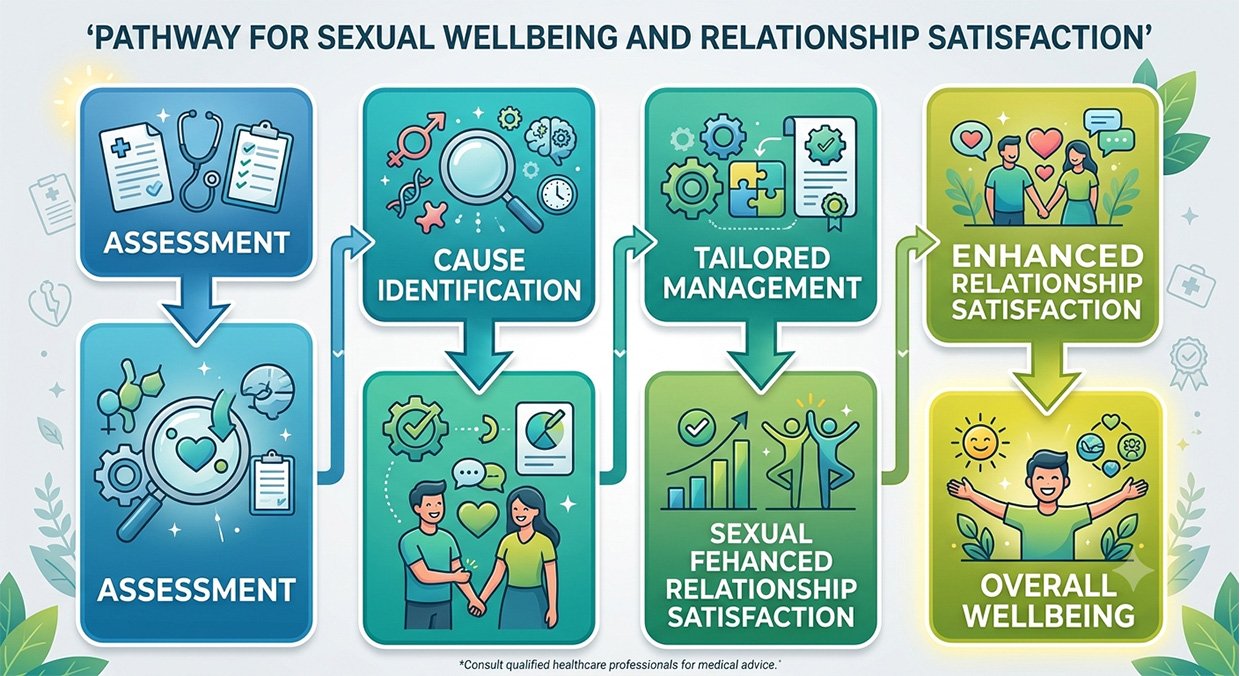
Management of sexual dysfunction is based on the underlying cause. Almost all patients require an integrative approach involving medication, change in lifestyle, psychological counseling, psychotherapy, couples’ therapy, and the management of any associated physical or psychological disorders. Early diagnosis and treatment help improve sexual functioning considerably.
- Lifestyle modification
- Treatment of medical illnesses
- Medication (when indicated)
- Psychosexual therapy
- Cognitive Behavioural Therapy
- Couple therapy
- Hormonal treatment (when appropriate)
- Management of psychiatric conditions
- Long-term follow-up
Individualized Treatment Planning
Each treatment plan is customized according to:
- Type of sexual dysfunction
- Duration of symptoms
- Medical illnesses
- Mental health
- Current medications
- Relationship factors
- Age
- Individual goals and expectations
Components of Treatment
| Treatment | Primary Goal |
|---|---|
| Medical Evaluation | Identify any reversible factors |
| Lifestyle Modifications | Enhance overall sexual function. |
| Medications | Treat specific sexual dysfunction disorders. |
| Sexual Psychotherapy | Enhance self-confidence and intimate relationships. |
| Marriage Counseling | Enhance communication skills and marital satisfaction. |
| Psychiatric Evaluation | Treat for anxiety, depression, trauma, or associated issues. |
| Follow-Up Care | Assess improvement and refine therapy. |
Clinical Pearl
The approach to successful treatment must be comprehensive, treating not just sexual function but also overall health, emotional and psychological states, and even relationship satisfaction.
Lifestyle Adjustments Beneficial to Sexual Health
Good lifestyle choices will help with blood flow, hormones, energy, mood, and sex life in general. Lifestyle adjustment plays a key role in the treatment of sexual dysfunction in both men and women.
Physical Exercise
Exercise aids in:
- Improving blood circulation
- Reduce stress
- Improve erectile function
- Increase stamina
- Support healthy hormone levels
- Mood improvement
Try to exercise at least 150 minutes per week, or as recommended by your doctor.
Healthy Nutrition
A proper nutrition promotes:
- Heart health
- Healthy body weight
- Hormonal balance
- Better energy levels
Adequate Sleep
Poor sleep may contribute to:
- Reduced libido
- Fatigue
- Mood changes
- Low testosterone levels
- Erectile difficulties
Stay Away from Tobacco, Alcohol, and Recreational Drugs
Smoking, alcohol abuse, and recreational drugs may have a negative impact on:
- Blood circulation
- Hormonal balance
- Nerve function
- Sexual desire
- Erectile function
- Orgasm
Lifestyle Factors that Contribute to Good Sexual Well-being
| Healthy Habit | Benefit |
|---|---|
| Regular Exercise | Increased circulation and endurance |
| Nutritious Diet | Improved cardiovascular system and hormone balance |
| Good Sleep | Enhanced libido and vitality |
| Stress Reduction | Less performance anxiety |
| No Smoking | Better functioning of blood vessels |
| Limited Alcohol Consumption | Improved sexual functioning |
Clinical Pearl
The modifications in lifestyle can enhance the functions of the body sexually while also lowering the chances of developing diabetes, heart diseases, obesity, and depression.
Psychosexual Therapy and Counselling
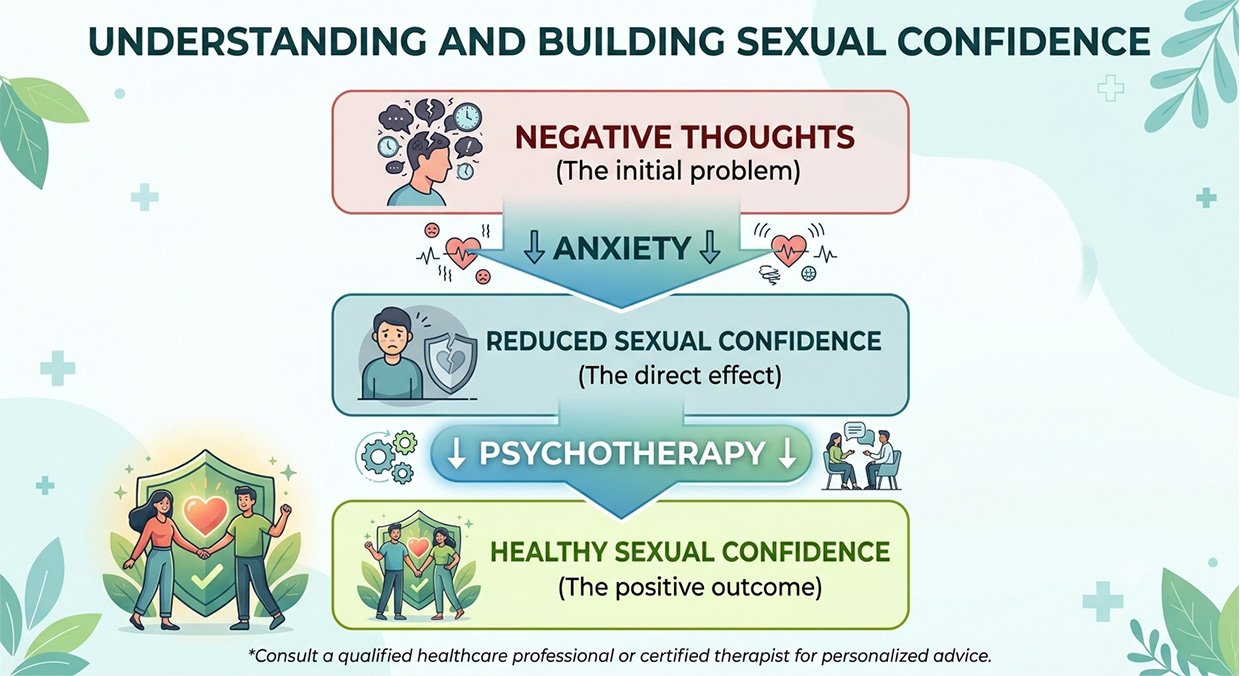
Psychosexual therapy helps people identify all psychological and relationship issues associated with sexual dysfunction, and the main goal is to eliminate anxiety, enhance communication skills, change false beliefs, and regain confidence.
Cognitive Behavioural Therapy
CBT helps individuals:
- Reduce performance anxiety
- Challenge unhelpful beliefs about sexuality
- Improve confidence
- Develop healthier coping strategies
- Address anxiety and depression affecting sexual health
Sex Therapy
Sex therapy is a psychological treatment which can prove helpful for both individual and partners:
- Improving intimacy
- Address sexual misconceptions
- Reduce avoidance behaviours
- Improve communication
- Develop realistic expectations
- Strengthen emotional connection
Interventions Based on Mindfulness
The following mindfulness-based practices might be useful to:
- Reducing performance anxiety
- Improving body awareness
- Increasing present-moment focus
- Reducing distracting thoughts during intimacy
Psychological Treatment Approaches
| Therapy | Main Benefit |
|---|---|
| CBT | Anxiety reduction. |
| Sex Therapy | Sexual confidence enhancement. |
| Mindfulness | Performance anxiety reduction |
| Psychoeducation | Myth clarification and education |
Clinical Pearl
Performance anxiety may turn into a vicious circle. The solution of anxiety usually leads to better performance even when there are physical causes too.
Couple Therapy and Relationship Counselling
Dysfunctional relationship issues can be either a cause and/or effect of sexual dysfunctions. Couples’ therapy revolves around improving communications, intimacy, trust, conflict resolution, and understanding, which usually results in enhanced sexual satisfaction.
Goals of Couple Therapy
Therapy may help couples:
- Improve communication
- Rebuild trust
- Reduce blame
- Increase emotional intimacy
- Develop realistic expectations
- Solve relationship conflicts
- Strengthen mutual support
Communication About Sexual Health
Many couples never discuss their sexual concerns openly.
Healthy communication involves:
- Respectful conversations
- Expressing needs clearly
- Listening without judgment
- Shared decision-making
- Patience during treatment
Benefits of Couple Therapy
| Focus | Benefit |
|---|---|
| Communication | Better understanding |
| Emotional Intimacy | Improved relationship satisfaction |
| Conflict Resolution | Reduced stress |
| Shared Treatment Goals | Better adherence |
Clinical Pearl
In cases where relationship problems lead to sexual dysfunction, engaging both partners in therapy can be beneficial.
Is Medication Helpful?
However, medication could be effective for certain people depending on their particular case and causes of their sexual dysfunction. All medication prescriptions have to come after a full medical assessment that will consider the patient’s general health status, review existing drugs taken by the patient or prescribe necessary treatment.
- The specific sexual problem
- Underlying medical conditions
- Hormonal status
- Current medications
- Cardiovascular health
- Individual preferences
Medication May Be Considered For
Depending on the diagnosis, medication may be used to:
- Improve erectile function
- Treat premature ejaculation
- Address hormonal deficiencies (when confirmed)
- Manage associated depression or anxiety
- Mitigate any potential drug-induced sexual side effects whenever possible
Drug management should always be customized and reassessed on a regular basis by a qualified healthcare professional.
Medication Review
Some of the drugs that are prescribed to patients for other medical disorders might be responsible for causing sexual dysfunction.
A healthcare professional might review the existing drugs and recommend some alternative or change whenever appropriate.
One should never discontinue any prescribed drugs on their own accord.
Medication Goals
| Goal | Purpose |
|---|---|
| Improve Sexual Function | Address the primary dysfunction |
| Treat Hormonal Disorders | Restore physiological balance when indicated |
| Manage Mental Health | Improve emotional wellbeing |
| Reduce Medication Side Effects | Improve sexual quality of life |
Clinical Pearl
Treatment of the medical or psychological condition usually helps to improve sexual function without the need to take medication for sexual dysfunction on an ongoing basis.
Treating Underlying Medical and Mental Health Conditions
Many cases of sexual dysfunction have been known to be improved upon after diagnosis and management of medical illnesses and psychological disorders. The treatment of diabetes, heart diseases, hormonal imbalance, depression, anxiety, sleeping problems, and substance abuse has proved to be an important aspect of effective management.
Medical Conditions That May Need Treatment
These include:
- Diabetes
- High blood pressure
- Heart disease
- Obesity
- Thyroid disorders
- Low testosterone (when clinically confirmed)
- Menopause-related symptoms
- Chronic pain conditions
Mental Health Conditions
Treatment may also involve managing:
- Depression
- Anxiety disorders
- Panic disorder
- PTSD
- OCD
- Personality disorders
- Chronic stress
- Performance anxiety
Integrated Treatment
| Condition | Benefit of Treatment |
|---|---|
| Diabetes | Better vascular and nerve health |
| Depression | Improved libido and mood |
| Anxiety | Reduced performance anxiety |
| Hormonal Disorders | Improved sexual function when appropriate |
| Relationship Difficulties | Better intimacy and communication |
Clinical Pearl
An overall approach that deals with physical as well as psychological health issues will lead to much better results compared to the one that is limited to treatment of sexual problems only.
Confidential, Scientific Approach to Sexual Health Care
Sexual problems are quite common, treatable, and there is no reason to feel ashamed about them.
Headspace Mind Clinic offers you confidential assessment and treatment of sexual health disorders for men and women. Our holistic approach focuses on physical, psychological, relational, and lifestyle issues.
What is the long-term outlook for Sexual Dysfunction?
Sexual dysfunction, once the reasons for its existence have been determined and appropriately addressed, carries a good long-term prognosis. In most cases, people see a marked improvement through appropriate medical treatment, lifestyle changes, psychosexual therapy, relationship work, and dealing with any other accompanying diseases or disorders. Early detection often results in more effective treatment.
- The underlying cause
- Overall physical health
- Emotional wellbeing
- Relationship quality
- Treatment adherence
- Lifestyle practices
Things That Make Recovery Better
Individuals generally have better outcomes when they:
- Seek medical advice early
- Follow the recommended treatment plan
- Manage chronic medical conditions effectively
- Address anxiety or depression
- Go for healthy interaction with their partner
- Have a healthy lifestyle
- Visit follow-up appointments regularly
Positive Prognostic Factors
| Factor | Benefit |
|---|---|
| Early Diagnosis | Faster identification of treatable causes |
| Treatment Adherence | Better symptom improvement |
| Healthy Lifestyle | Improved vascular and hormonal health |
| Good Relationship Communication | Greater intimacy and satisfaction |
| Management of Chronic Diseases | Better long-term sexual function |
| Psychological Intervention | Lowered anxiety levels and increased confidence |
Clinical Pearl
Sexual dysfunction is not necessarily an unavoidable part of growing older. Sexual function can be maintained into old age with proper management.
“Patient Takeaway
Individuals suffering from sexual dysfunction typically see great improvement when the underlying issues are resolved.”
Long-Term Sexual Wellness
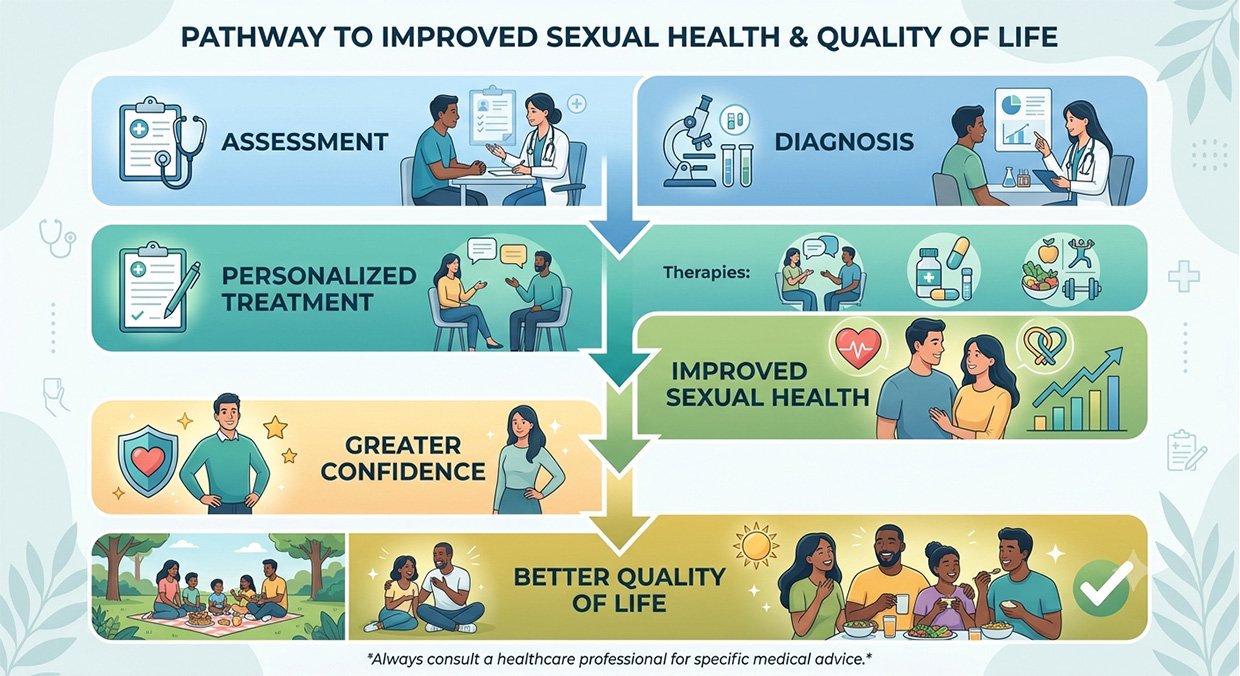
The long-term well-being of sex entails staying physically well, mentally healthy, having good relationships, and regular visits to the doctor. Sexual well-being is an essential aspect of health that deserves as much attention as cardiovascular, mental, and physical fitness.
Healthy Practices for Sexual Well-Being Throughout Life
Include these practices in your life:
- Exercise regularly
- Maintain a healthy weight
- Control blood sugar and blood pressure
- Get adequate sleep
- Eat a balanced diet
- Avoid smoking
- Limit alcohol intake
- Manage stress effectively
Sustaining Emotional Closeness
Sexual health requires:
- Honest communication
- Mutual respect
- Emotional closeness
- Realistic expectations
- Shared decision-making
- Patience during recovery
Daily Routines for Promoting Sexual Well-being
| Habit | Long-Term Benefit |
|---|---|
| Regular Exercise | Enhanced blood flow and endurance |
| Healthy Nutrition | Healthy heart |
| Quality Sleep | Better hormonal balance |
| Stress Management | Less anxiety about sexual performance |
| Relationship Communication | Better intimacy |
| Regular Health Check-Ups | Early detection of health issues |
Clinical Pearl
Sexual health is an aspect of general health. Enhancing one’s general health will enhance their sexual health too.
Sexual Health Myths and Facts
Many misunderstandings regarding sexual dysfunctions exist, which make people refrain from seeking medical attention for the problem. It has been scientifically proven that sexual dysfunctions are common to both males and females and can effectively be cured.
Myth Vs Fact
| Myth | Fact |
|---|---|
| Sexual dysfunctions affect only elderly people. | Sexual dysfunctions affect people of any age. |
| Erectile dysfunction implies the man’s inability to be a real male. | Erectile dysfunction is a medical problem that has several causes. |
| Low sexual desire means there is no love in the relationship. | The libido can be affected by hormones, stress, mental well-being, medicine, and physical well-being. |
| Sexual problems are always psychological. | Several problems have physical, hormonal, neurological, or medical reasons. |
| It is very embarrassing to discuss sexual issues. | The doctors talk about sexual problems professionally and anonymously. |
| Medicine is always needed for treatment. | Most people benefit from counseling and lifestyle modifications. |
Clinical Pearl
Reducing the stigma around sexual health helps with early diagnosis, treatment success, and better quality of life.
When Should You Consult a Psychiatrist or Sexual Health Specialist?
If you have experienced sexual problems that persist for several months and affect you, your relationship, or your mental health, you need to seek professional help.
Seek Help From A Professional If
- Sexual problems are persistent or recurrent.
- Sexual desire has decreased significantly.
- Erectile or ejaculation problems occur regularly.
- Pain occurs during sexual activity.
- Sexual difficulties affect your relationship.
- You have anxiety or depression along with the sexual issues.
- The sexual issues started after taking medications.
- You have diabetes, heart disease, or a hormonal disorder.
Need Medical Attention Immediately In Case Of
- The erection persists for over four hours (priapism).
- Sudden occurrence of erectile dysfunction accompanied by chest pain, severe neurological symptoms, or stroke signs appears.
- A serious injury to the genitals or heavy bleeding occurs.
- Acute pelvic pain develops after sexual activity.
- Sexual concerns are accompanied by suicidal thoughts or severe depression.
Clinical Pearl
Dysfunction in sexual activity can be a signal of existing cardiovascular problems, diabetes, hormonal problems, or depression. Comprehensive evaluation benefits overall health—not just sexual wellbeing.
Why Choose Headspace Mind Clinic for Sexual Dysfunction Treatment in Delhi?
At Headspace Mind Clinic, we provide discreet, evidence-based evaluation and treatment of sexual dysfunctions for both male and female patients. We use a holistic approach that incorporates psychiatry, psychosexual therapy, management of physical and psychological conditions, couple therapy, and follow-ups..
Our Approach
- Complete Confidentiality
- Consultant Psychiatrist
- Comprehensive Sexual Health Assessment
- Personalized Treatment Plans
- Evidence-Based Psychosexual Therapy
- Couple-Friendly Consultations
- Management of Anxiety, Depression & Stress
- Long-Term Follow-up
Services Offered
| Service | Available |
|---|---|
| Confidential Consultation | ✓ |
| Psychiatric Evaluation | ✓ |
| Psychosexual Counselling | ✓ |
| Couple Counselling | ✓ |
| Medication Management | ✓ |
| Lifestyle Guidance | ✓ |
| Follow-up Care | ✓ |
Regain Confidence. Restore Intimacy. Improve Your Quality of Life.
Phone:
Website:
Frequently Asked Questions (FAQ)
Medically Reviewed By
Dr. Deepak Verma
Consultant Psychiatrist & Neuropsychiatrist, Founder & Medical Director, Headspace Mind Clinic
ABOUT THE MEDICAL REVIEWER
PUBLICATION INFORMATION
| Item | Details |
|---|---|
| Author | Headspace Mind Clinic Editorial Team |
| Medical Reviewer | Dr. Deepak Verma |
| Last Medical Review | July 2026 |
| Next Scheduled Review | January 2027 |
| Content Version | 1.0 |
| Content Type | Evidence-Based Patient Education |
EDITORIAL POLICY
- Is based on current scientific evidence and recognized international guidelines.
- Is medically reviewed before publication.
- Uses respectful, inclusive, and non-judgmental language.
- Is regularly updated to reflect advances in medical knowledge.
- Is intended for education and does not replace personalized medical consultation.
REFERENCES
- International Society for Sexual Medicine (ISSM)
- European Association of Urology (EAU) – Sexual and Reproductive Health Guidelines
- American Urological Association (AUA) – Erectile Dysfunction and Male Sexual Health Guidelines
- International Society for the Study of Women's Sexual Health (ISSWSH)
- World Health Organization (WHO) – Sexual Health Framework
- Indian Psychiatric Society (IPS) Clinical Practice Guidelines
- Recent PubMed-indexed systematic reviews on male and female sexual dysfunction