Dementia Treatment in Delhi
Trust Signals




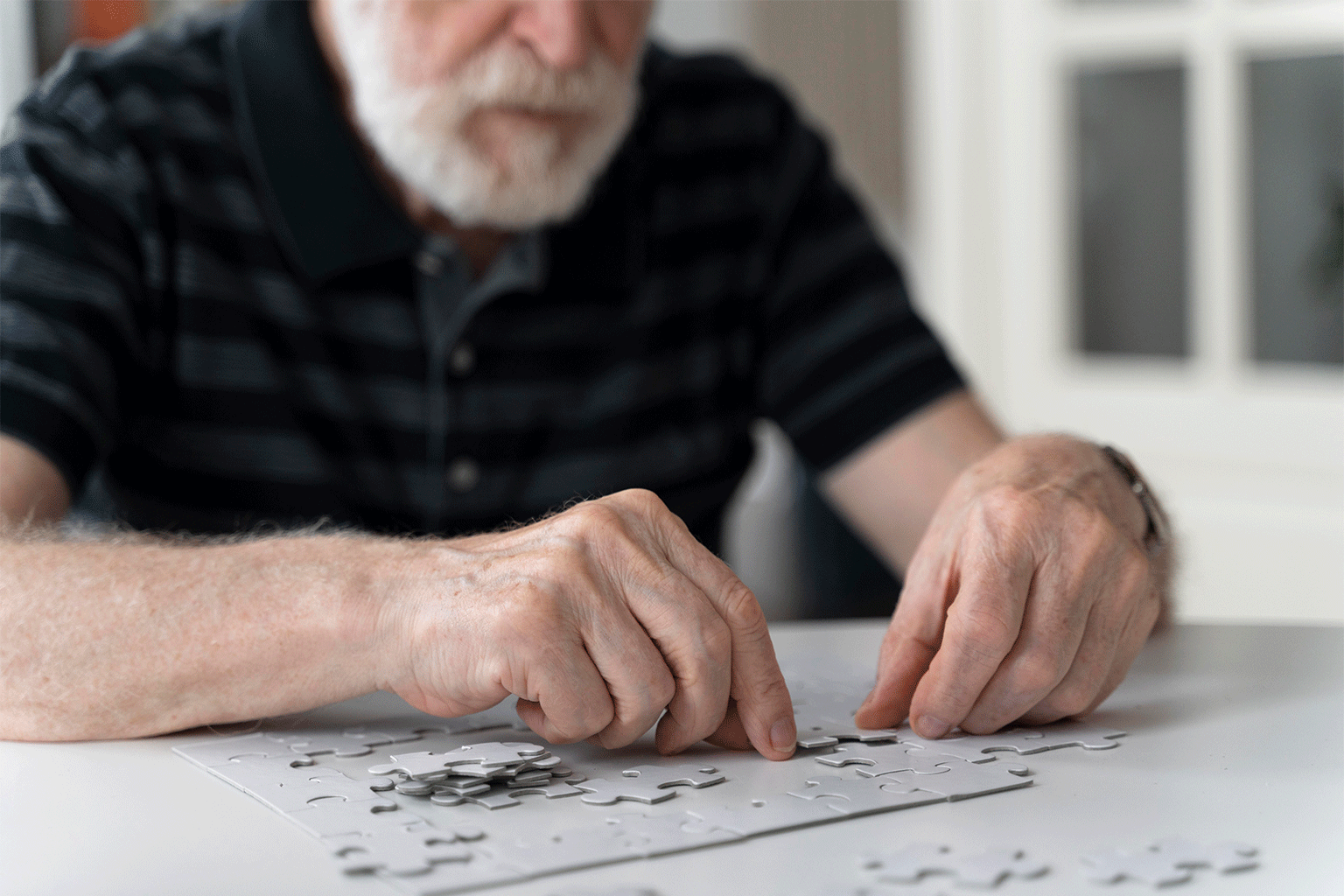
Quick Facts
| Quick Fact | Details |
|---|---|
| Condition | Dementia |
| Category | Major Neurocognitive Disorder |
| Cause | Alzheimer's Disease |
| Main Symptoms | Progressive memory and thinking problems |
| Treatment | Medications (selected cases), cognitive therapies, caregiver assistance, and treatment of underlying conditions |
| Location | Delhi NCR |
What Is Dementia?
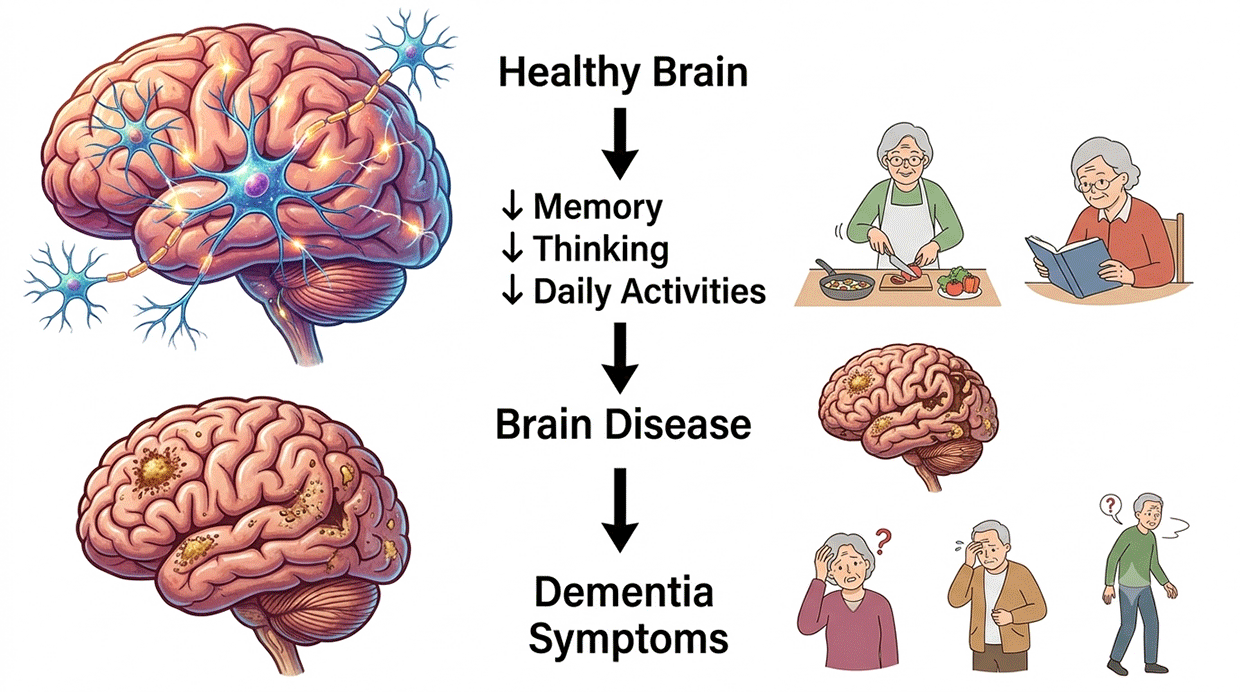
Dementia is defined by a situation where there is an impairment in the brain due to diseases that affect memory, communication, behaviors, reasoning, thought process, and activities of daily living. Dementia is not a disease related to aging; however, the risk of getting it rises with age. Alzheimer’s disease is the main cause of dementia.

It forms one of the greatest myths associated with dementia.
While memory loss can occur in people during the process of aging, dementia is characterized by the deterioration of cognitive functions. People diagnosed with dementia will experience increasing difficulties with:- Remembering recent conversations
- Managing finances
- Finding familiar places
- Using everyday objects
- Solving problems
- Following conversations
- Planning routine tasks
Dementia Is a Syndrome Rather Than a Disease
Dementia is the name given to a variety of symptoms caused by brain diseases. Some of the commonest causes of dementia include:
- Alzheimer's disease
- Vascular dementia
- Dementia with Lewy bodies
- Frontotemporal dementia
Each of them has unique symptoms, progressions, and considerations in terms of treatment.
Dementia Is Not Normal Ageing
With aging, people can experience:
- Misplace keys
- Forget names temporarily
- Need more time to learn new information
Normal Ageing vs Dementia
| Normal Ageing | Dementia |
|---|---|
| Occasionally forgetting names | Frequently forgetting recent events. |
| Misplacing items occasionally | Losing items and being unable to retrace steps |
| Slower thinking | Difficulty planning and solving problems |
| Independent daily functioning | Increasing difficulty with daily activities |
| Memory improves with reminders. | Memory often does not improve with cues. |
Clinical Pearl
Dementia is not an inevitable part of ageing. Persistent memory loss that interferes with daily life should always be evaluated by a healthcare professional.
“Patient Takeaway
Not every elderly person with forgetfulness has dementia, and not every memory problem means Alzheimer’s disease. Early evaluation helps identify the cause and allows timely treatment and planning.
What are the Early Signs and Symptoms of Dementia?
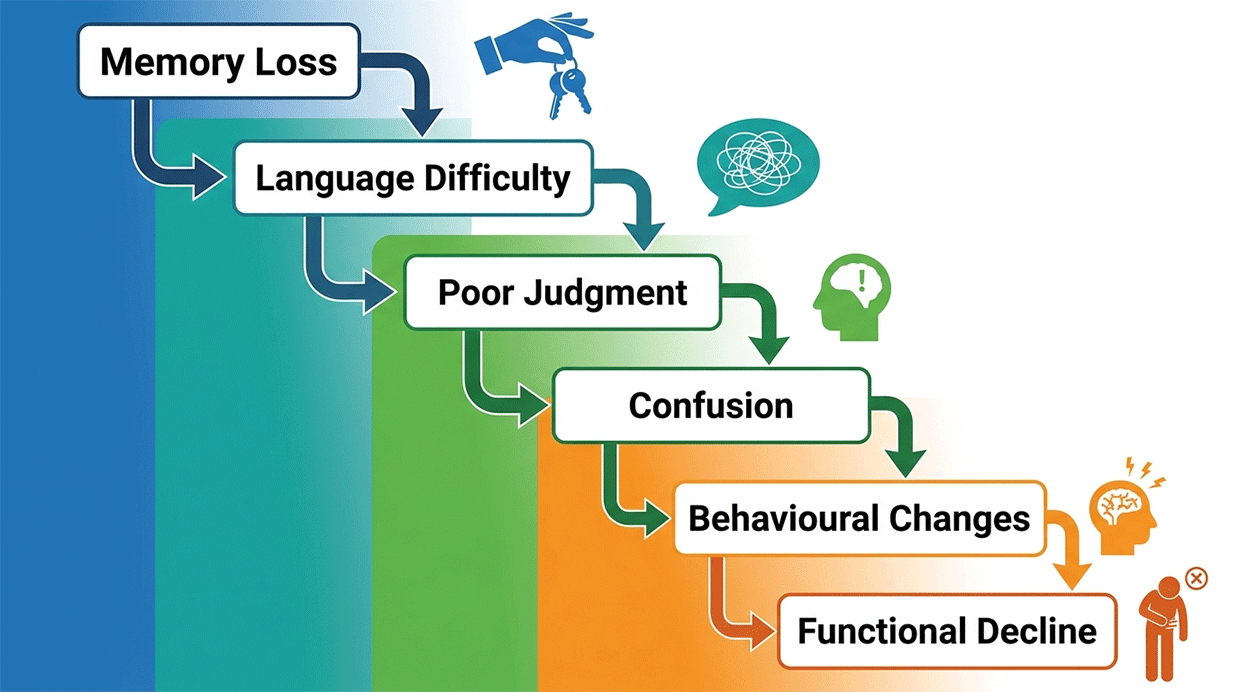
Symptoms such as forgetfulness, which worsens with time; repetition; difficulty finding words; disorientation regarding time and place; impaired judgment; change in behavior; difficulty with activities of daily living; and inability to manage money and use of medication are indications of dementia.
Memory Changes
People with dementia may:
- Forget recent conversations
- Repeat the same questions
- Miss appointments
- Forget where items were placed
- Depend increasingly on reminders or family members
Difficulty Thinking and Solving Problems
Common difficulties include:
- Managing finances
- Following recipes
- Organising daily activities
- Making decisions
- Learning new information
- Completing familiar tasks
Language Problems
Individuals may experience:
- Difficulty finding the right word
- Losing track during conversations
- Repetition of words and phrases
- Difficulty in comprehending complicated discussions
Changes in Orientation
Some individuals become confused about:
- Dates
- Time
- Familiar places
- Directions
- Seasons
Changes in Behavior and Personality
Changes in Behavior and Personality:
- Apathy
- Withdrawal from social activities
- Irritability
- Anxiety
- Depression
- Suspiciousness
- Reduced motivation
Early Symptoms of Dementia
| Cognitive Symptoms | Behavioural Symptoms |
|---|---|
| Forgetting recent events | Social withdrawal |
| Repeating questions | Irritability |
| Word-finding difficulty | Anxiety |
| Confusion about time | Apathy |
| Poor judgment | Mood changes |
| Difficulty planning | Personality changes |
When Is Forgetfulness Concerning?
Forgetting things sometimes happens.
However, professional evaluation is recommended if memory problems:
- Occur frequently.
- Become progressively worse.
- Affect daily activities.
- Cause safety concerns.
- Are noticed by family members.
- Interfere with medication management or finances.
Seek Immediate Medical Assessment If
● Memory loss worsens rapidly.
● Confusion develops suddenly.
● Personality changes appear unexpectedly.
● Hallucinations occur.
● Walking difficulties develop along with memory decline.
● There are repeated falls or sudden changes in behaviour.
Onset of confusion or fast decline in mental function may indicate that the patient has delirium, a stroke, an infection, a bad reaction to medication, or some other crisis situation and should be addressed immediately.
Clinical Pearl
It is also true that early stages of dementia might be detected through difficulties with handling activities of daily living as opposed to memory problems. This includes financial management, medication intake, making appointments, and performing chores around the house.
Are You Concerned about Memory Loss?
Do you or your family member suffer from memory problems, confusion, inability to perform daily activities, or change in behavior? Early detection may be useful for the identification and cure of the problem.
Our clinic, Headspace Mind Clinic, offers professional memory testing, dementia testing, and customized treatment programs for both the patient and caregiver.
What causes Dementia?
Dementia is caused by diseases which impair the performance of neurons as well as their interaction. There are several kinds of diseases which can be the cause of dementia such as Alzheimer’s disease, vascular dementia, Lewy Body dementia and frontotemporal dementia. In some cases, dementia can also be caused by other reasons like vitamin deficiencies.
- Memory
- Language
- Attention
- Judgment
- Behaviour
- Visual-spatial skills
- Daily functioning
What Happens in the Brain?
The brain has billions of neurons that function in a complex network.
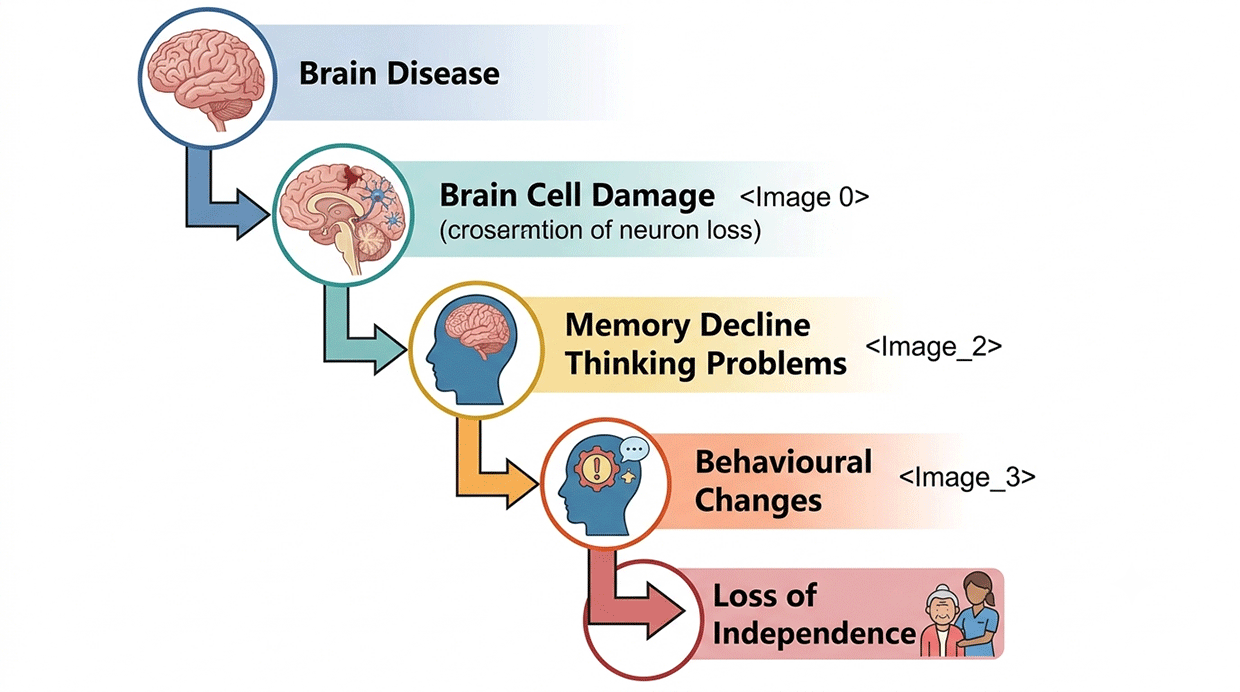
In dementia:
- Brain cells become damaged.
- Communication between neurons is disrupted.
- Some parts of the brain start shrinking (atrophy).
- The cognitive abilities deteriorate over time.
Common Causes of Dementia
These include:
- Alzheimer disease
- Vascular dementia
- Lewy body dementia
- Frontotemporal
- Parkinson's disease dementia
- Huntington's disease
- Creutzfeldt-Jakob disease
- HIV-associated neurocognitive disorders
Common Causes of Dementia
| Cause | Key Feature |
|---|---|
| Alzheimer's Disease | Progressive memory decline |
| Vascular Dementia | Dementia resulting from reduced blood flow to the brain |
| Dementia with Lewy Bodies | Fluctuating cognitive abilities, visual hallucinations, and Parkinsonian features |
| Frontotemporal Dementia | Early personality and behavioural changes |
| Mixed Dementia | Dementia resulting from a combination of two or more dementia types |
Clinical Pearl
Identifying the underlying cause of dementia is important because prognosis, treatment options, and counselling differ between dementia subtypes.
Types of Dementia
Different kinds of dementia have been observed. However, Alzheimer’s disease is the most prevalent kind of dementia while others are vascular dementia, Lewy body dementia, and frontotemporal dementia. Dementia is experienced by individuals in different parts of the brain, presenting itself with varying symptoms.
Alzheimer's Disease
Alzheimer’s disease represents the major proportion of people diagnosed with dementia. Its characteristics are:
- Gradual onset
- Progressive memory loss
- Difficulty learning new information
- Word-finding problems
- Disorientation
- Declining daily functioning
Vascular Dementia
This disease develops as a consequence of poor blood circulation in the brain because of strokes or small vessel disease.
Its symptoms include the following:
- Slower thinking
- Difficulty planning
- Reduced attention
- Walking difficulties
- Mood changes
Lewy Body Dementia
The symptoms of Lewy body dementia may include:
- Fluctuating attention
- Visual hallucinations
- Parkinson-like movement problems
- REM sleep behaviour disorder
- Sensitivity to certain antipsychotic medications
Frontotemporal Dementia (FTD)
Frontotemporal dementia occurs at an earlier age compared to Alzheimer’s dementia. Signs may include:
- Personality changes
- Loss of empathy
- Socially inappropriate behaviour
- Poor judgment
- Language difficulties
Types of Dementia at a Glance
| Type | Early Symptoms |
|---|---|
| Alzheimer's Disease | Memory loss |
| Vascular Dementia | Slower thinking and executive function difficulties |
| Dementia with Lewy Bodies | Hallucinations and fluctuating attention |
| Frontotemporal Dementia | Behavioural and personality changes |
Clinical Pearl
Not everyone with dementia starts losing their memory first. Some dementia conditions may start with other symptoms.
Who is at Risk of Developing Dementia?
While aging is the biggest risk factor for dementia, this does not necessarily lead to dementia. Among other risk factors are genetics, heart disease, diabetes, high blood pressure, smoking, obesity, lack of physical activity, deafness, and illiteracy. Some of the risk factors can be managed by maintaining a healthy lifestyle and receiving proper treatment.
- Genetic factors
- Lifestyle
- Vascular health
- Brain health across the life cycle
Unmodifiable Risk Factors
These include:
- Increasing age
- Family history
- Certain genetic factors
- Some neurological disorders
Modifiable Risk Factors
Studies have shown that good physical and mental health could help in avoiding cognitive decline. These include:
- Hypertension
- Diabetes
- High cholesterol
- Smoking
- Physical inactivity
- Obesity
- Untreated hearing loss
- Excess alcohol consumption
- Social isolation
Risk Factors for Dementia
| Non-Modifiable | Modifiable |
|---|---|
| Age | High blood pressure |
| Family history | Diabetes |
| Genetics | Smoking |
| Some neurological diseases | Physical inactivity |
| Obesity | |
| Hearing loss | |
| Social isolation |
Clinical Pearl
A healthy lifestyle cannot guarantee prevention of dementia, but controlling cardiovascular risk factors supports brain health and may reduce the likelihood of cognitive decline
Dementia vs Normal Ageing, Mild Cognitive Impairment, Delirium, and Depression
Other diseases present similar symptoms to dementia. Aging causes mild forgetfulness, but there is no significant loss of independence. In MCI, there is impairment of cognitive skills despite retention of normal function. Delirium is characterized by sudden onset and is usually associated with an acute underlying medical condition. Depression can cause difficulties with memory and concentration.
Dementia vs Normal Ageing
Healthy ageing may involve:
- Occasionally forgetting names
- Misplacing objects
- Taking longer to learn
Improvement in these factors helps improve general health and healthy aging.
Mild Cognitive Impairment
MCI is seen as a transitional phase from normal aging to dementia. Patients suffering from MCI can:
- Notice memory difficulties.
- Score poorly during cognitive tests.
- Handle their daily tasks without requiring assistance.
Dementia Vs. Delirium
Delirium is a medical emergency. It tends to occur rapidly within hours or days and may be due to:
- Infection
- Medication side effects
- Dehydration
- Metabolic disturbances
- Surgery
Dementia vs Depression ("Pseudodementia")
Depression in older adults may cause:
- Poor concentration
- Slowed thinking
- Memory complaints
- Reduced motivation
Conditions That Can Mimic Dementia
| Condition | Typical Pattern |
|---|---|
| Normal Ageing | Mild forgetfulness with independent functioning |
| Mild Cognitive Impairment | Cognitive impairment without significant functional disability |
| Dementia | Progressive cognitive impairment with functional impairment |
| Delirium | Sudden confusion requiring urgent medical assessment |
| Depression | Memory and concentration often improve with appropriate treatment |
Clinical Pearl
Sudden confusion is far more likely to represent delirium than dementia and should always prompt urgent medical evaluation.
How is Dementia Diagnosed?
Dementia diagnosis entails a comprehensive evaluation that covers such elements as the person’s medical history, cognition test, physical exam, medication review, information from relatives, blood work, and brain scanning. However, there is no one test that can identify all types of dementia.
The goal of the diagnostic process is to:
- Confirm whether dementia is present
- Identify the specific type of dementia.
- Exclude potentially reversible causes.
- Assess severity.
- Develop a personalized care plan.
Clinical Evaluation
The psychiatrist evaluates:
- Memory
- Attention
- Language
- Executive function
- Behaviour
- Mood
- Daily functioning
Cognitive Testing
Brief cognitive assessments may evaluate:
- Orientation
- Short-term memory
- Attention
- Language
- Visuospatial abilities
- Executive function
Blood Tests
Investigations may include:
- Complete blood count (CBC)
- Thyroid function tests
- Vitamin B12 levels
- Blood glucose
- Electrolytes
- Liver and kidney function tests
- Tests based on clinical findings
Brain Imaging
Brain imaging such as MRI or CT scan may be recommended to:
- Assess structural brain changes
- Detect strokes
- Identify tumours
- Evaluate hydrocephalus
- Support differential diagnosis
Components of a Dementia Assessment
| Assessment | Purpose |
|---|---|
| Clinical Interview | Understand symptoms and progression |
| Family History | Assess functional decline |
| Cognitive Testing | Evaluate thinking abilities |
| Physical & Neurological Examination | Identify neurological signs |
| Blood Tests | Exclude reversible causes |
| Brain Imaging | Support diagnosis and differential diagnosis |
Clinical Pearl
The diagnosis of dementia is based on the overall clinical picture rather than any single memory test, blood investigation, or brain scan.
Anxious About Progressive Forgetting?
Do you, or someone in your family, suffer from disorientation, forgetfulness, speech impairment, or behavioral disturbances? The first step is an assessment, which will help us understand what causes the problem and where to go from there.
Headspace Mind Clinic specializes in Cognitive evaluation, Dementia diagnosis, Caregiver consultations, and treatment plans.
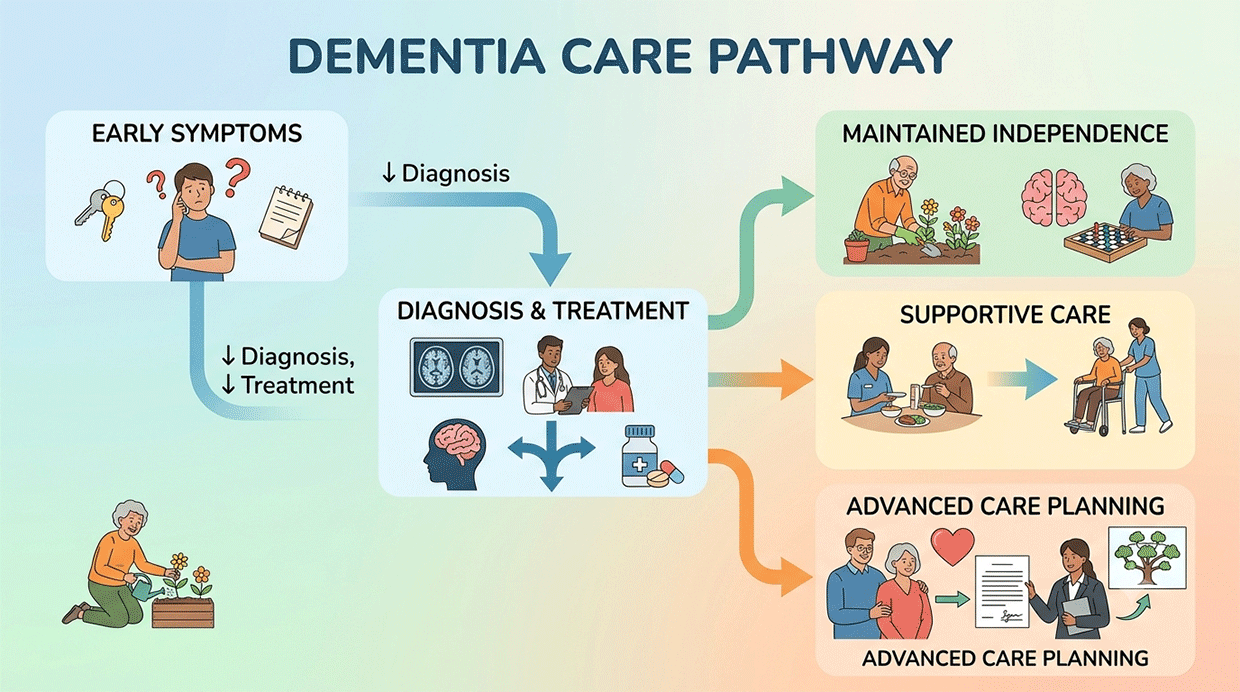
How is Dementia Treated?
Dementia care objectives entail the maintenance of mental abilities, sustaining independence, managing symptoms, providing assistance to caregivers, and enhancing the quality of life. However, despite there being no cure for most forms of dementia, early detection and Comprehensive management of the disease allows for delaying the functional impairment in some cases.
- Type of dementia
- Stage of illness
- Medical conditions
- Functional abilities
- Behavioural symptoms
- Family support
- Patient preferences.
- Maintain cognitive abilities
- Preserve independence
- Improve daily functioning
- Reduce behavioural symptoms
- Support caregivers
- Improve quality of life
A Multidisciplinary Approach
The treatment of dementia normally requires teamwork among the following healthcare professionals:
- Psychiatrist
- Neurologist (when appropriate)
- Primary care physician
- Clinical psychologist
- Occupational therapist
- Physiotherapist
- Speech and language therapist
- Social worker
- Family caregivers
Components of Dementia Treatment
| Treatment | Purpose |
|---|---|
| Education | Help patients and families understand dementia. |
| Medication | Improve symptoms in selected individuals. |
| Cognitive Rehabilitation | Support remaining cognitive abilities. |
| Behavioural Management | Alleviate symptoms of distress. |
| Physical Activity | Ensure mobility and functionality. |
| Caregiver Support | Enhance quality of care. |
| Regular Follow-up | Track progression and modify treatment. |
Clinical Pearl
Although dementia itself cannot be reversed, proper treatment can improve the quality of life of the patients and caregivers.
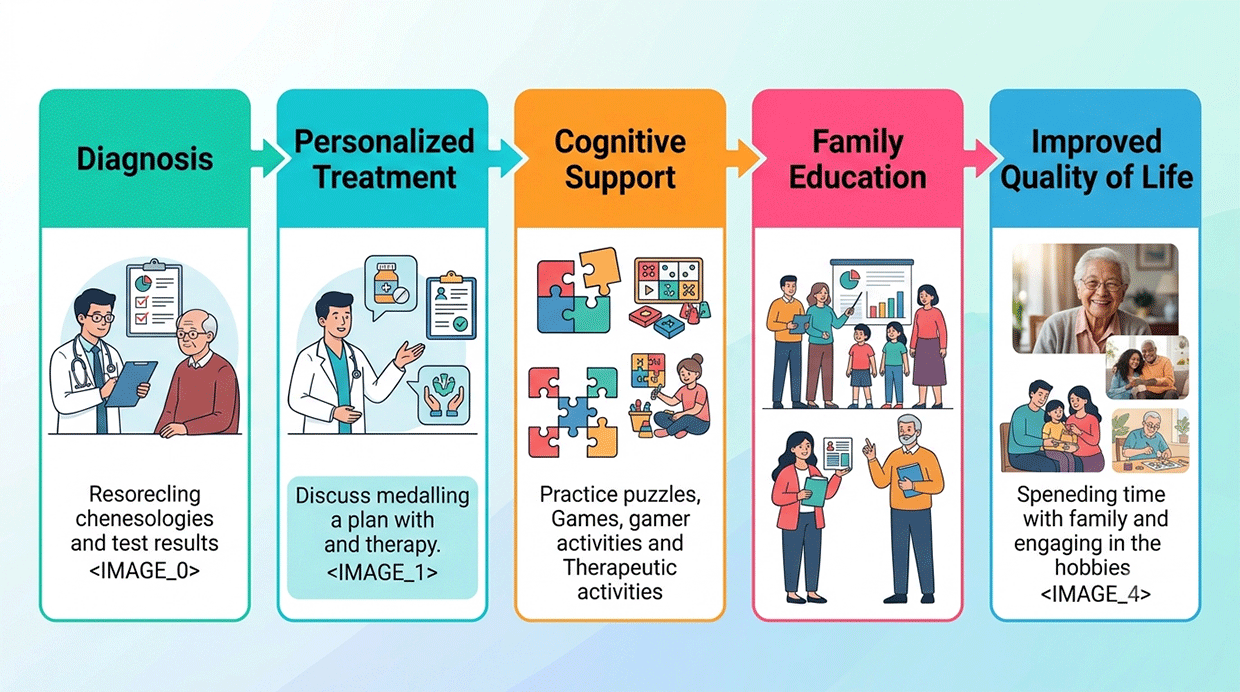
Medications for Dementia
Medications can help in the management of symptoms that result from various types of dementia, especially Alzheimer’s disease. However, today’s medications do not cure dementia, although they are capable of improving memory and concentration in certain patients during a limited amount of time. It should be noted that an individual approach is required here.
“Is there any medicine to cure dementia?”
As for now, there is no drug which can cure all types of dementia.- Improve cognitive symptoms
- Slow functional decline in some individuals
- Improve daily functioning
- Help manage behavioural symptoms when appropriate
Medicines That May Improve Cognitive Symptoms
In accordance with the nature and stage of dementia, certain medications can be prescribed to facilitate communication between neurons or regulate brain signals.
These medications may benefit:
- Memory
- Attention
- Daily functioning
- Behaviour
Medicines for Behavioural Symptoms
Some individuals develop:
- Anxiety
- Depression
- Agitation
- Sleep disturbance
- Hallucinations
- Delusions
- Non-drug approaches should usually be tried first whenever appropriate.
- Medicines should be reviewed regularly.
- The advantages and disadvantages must be explained to patients and caregivers.
Medication Goals
| Goal | Expected Benefit |
|---|---|
| Improve cognition | Better daily functioning in selected patients |
| Manage mood symptoms | Reduced distress |
| Improve sleep | Better overall wellbeing |
| Reduce behavioural symptoms | Improved safety and caregiver burden |
Clinical Pearl
Medication is only one part of dementia care. Daily routines, cognitive stimulation, physical activity, and caregiver education remain equally important.
“Patient Takeaway
Medicines may help manage symptoms, but the greatest improvements in quality of life often come from combining medication with structured daily routines, cognitive activities, and strong family support.
Cognitive Rehabilitation and Non-Drug Therapies
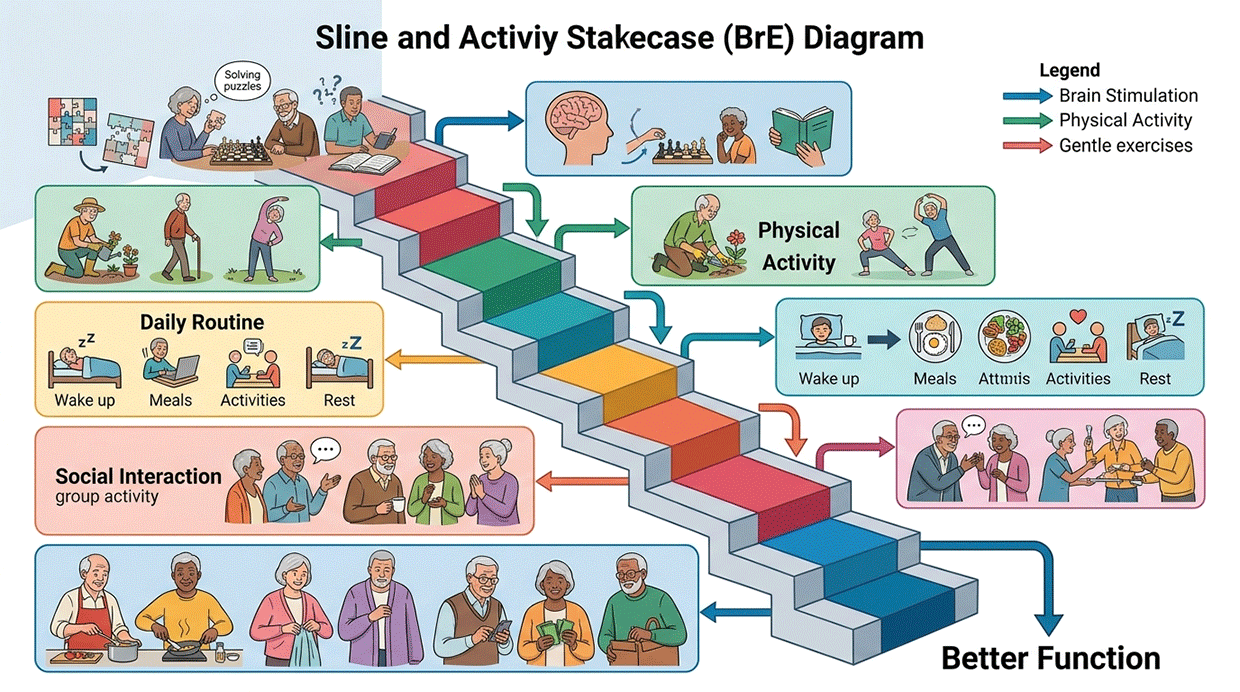
Other non-pharmacologic treatments such as cognitive stimulation, cognitive rehabilitation, occupation therapy, physical activity, socialization, and activities are equally important in managing dementia because they ensure the best use of the abilities that remain.
Medication alone cannot meet all requirements of dementia care.
A structured approach in rehabilitation assists people in utilizing their remaining abilities better.
This therapy is meant not to recover the memory, but to make individuals independent.
Cognitive Stimulation
Activities may include:
- Memory exercises
- Word games
- Reading
- Conversation groups
- Music
- Puzzles
- Reminiscence activities
Occupational Therapy
Occupational therapy assists the patients to:
- Adapt the home environment
- Improve safety
- Maintain independence
- Simplify daily activities
- Use memory aids effectively
Physical Activity
Regular exercise may help:
- Improve balance
- Reduce falls
- Maintain mobility
- Support cardiovascular health
- Improve mood
- Enhance sleep quality
Non-Drug Interventions
| Intervention | Purpose |
|---|---|
| Cognitive Stimulation | Maintain thinking abilities |
| Occupational Therapy | To improve functioning |
| Physical Exercise | To maintain mobility |
| Social Engagement | To reduce social isolation |
| Music Therapy | To improve mood |
| Structured Routine | To reduce confusion |
Clinical Pearl
Meaningful activities play an important role in the alleviation of behavioral symptoms than no activities at all.
Managing Behavioural and Psychological Symptoms of Dementia
It is quite common for people suffering from dementia to develop some behavioral and psychological symptoms including anxiety, depression, agitation, elopement, insomnia, hallucination, and/or delusion. Such symptoms require careful evaluation since they are usually treatable conditions. It is preferred to use non-pharmacological measures as a first-line treatment wherever feasible.
- Pain
- Fear
- Confusion
- Frustration
- Environmental stress
- Unmet needs
Common Symptoms of Behaviours
These can include:
- Anxiety
- Agitation
- Irritability
- Depression
- Apathy
- Wandering
- Sleep disturbances
- Hallucinations
- Delusions
- Repetitive questioning
Non-Pharmacological Interventions
Approaches that may be useful are:
- Having a regular schedule
- Speaking calmly and simply
- Avoiding noise and sensory overload
- Reassuring rather than debating
- Ensuring adequate pain control
- Identifying triggers for distress
- Encouraging familiar activities
When Are Medications Considered?
The use of medications may be considered if the behavioural problems:
- Cause severe distress.
- Create safety risks.
- Persist despite non-drug interventions.
- Interfere with essential care.
Behavioural Symptoms and Possible Approaches
| Symptom | Initial Management |
|---|---|
| Anxiety | Reassurance, structured routine |
| Agitation | Determine causes, decrease stimulation. |
| Wandering | Safety planning, supervised activity |
| Sleep Issues | Sleep regimen, environment modifications |
| Hallucinations | Evaluation, specific treatment |
Clinical Pearl
Behaviour is often a language. Seeking out what the person may be lacking—pain relief, food, companionship, reassurance—may often alleviate behaviour without drugs.
Supporting Brain Health Through Lifestyle
Maintaining a healthy lifestyle promotes good brain health as well as medical intervention. Physical exercise, control of blood pressure and diabetes, good nutrition, socializing, mentally stimulating activities, sleep, and hearing or visual problems could be beneficial.
Healthy Lifestyle Practices
Some useful practices are:
- Regular physical activity
- Balanced nutrition
- Good sleep habits
- Staying socially connected
- Engaging in mentally challenging activities
- Blood pressure management, diabetes control, and cholesterol management
- Avoiding smoking
- Limiting alcohol
- Correcting hearing and vision problems where possible
Lifestyle Measures That Support Brain Health
| Lifestyle Strategy | Potential Benefit |
|---|---|
| Physical Exercise | Better mobility and heart health |
| Healthy Nutrition | Beneficial for overall well-being |
| Brain Workouts | Keep brain active |
| Socialization | Battle loneliness |
| Sufficient Rest | Contribute to brain functioning |
| Correcting Hearing Loss | Eases communication and decreases cognitive load |
Clinical Pearl
Lifestyle measures go hand-in-hand with but cannot take the place of proper medical assessment and dementia therapy.
Supporting Caregivers
It is very crucial for caregivers in cases of dementia. Educating, supporting, providing respite care, and providing practical information to caregivers will help them cope with daily issues that come their way without getting bogged down. Helping out caregivers will finally help dementia patients too.
- Medication management
- Financial supervision
- Meal preparation
- Transportation
- Personal care
- Safety monitoring
- Emotional support
Caregivers Tips
- Maintain regular routines.
- Practice clear and straightforward communication.
- Offer choices rather than commands.
- Avoid being corrective or disputatious needlessly.
- Let independence prevail whenever possible.
- Celebrate accomplishments.
- Take breaks when required.
Caregiver Self-Care
| Strategy | Benefit |
|---|---|
| Learn about dementia | Better understanding |
| Accept help from others. | Reduce burnout |
| Join support groups | Emotional support |
| Maintain personal health | Better caregiving capacity |
| Schedule respite breaks | Prevent exhaustion |
Clinical Pearl
Assisting caregivers is also an important aspect of dementia therapy. When caregivers are assisted, the patients tend to have good quality care.
Early Intervention Helps Make a Difference
If you or a family member is suffering from memory loss, confusion, or behavioral changes that are progressive, early evaluation will assist in determining the cause of these symptoms, treating them appropriately, and making plans for the future.
Headspace Mind Clinic is equipped to provide dementia assessment, personalized treatment, cognitive intervention, behavioral management, and counseling for caregivers at each step of the way with your family member suffering from dementia.What is the Prognosis of Dementia?
Generally, dementia is described as a progressive disorder that results in the worsening of symptoms over time. The progression differs significantly from person to person based on the type of dementia and several other factors such as one’s general health, age, additional diseases present, and whether or not treatment and help are provided.
“What will happen in the future?”
Each person’s future will be different. For some, it will take several years to progress, whereas others will progress faster. Current medical treatments available are ineffectual in terms of halting the development of most forms of dementia, but they are able to:- Enhance the quality of life
- Maintain independence for longer
- Reduce distressing symptoms
- Delay functional decline in selected individuals
- Support caregivers
Stages of Dementia
Although progression differs between individuals, dementia is often described in three broad stages.
Early Stage
People may experience:
- Mild memory problems
- Difficulty finding words
- Misplacing belongings
- Reduced ability to plan complex tasks
- Independent living with minimal assistance
Middle Stage
Symptoms may include:
- Greater memory impairment
- Difficulty managing finances
- Problems with cooking or medication management
- Behavioural changes
- Increased need for supervision
Advanced Stage
Individuals may require assistance with:
- Personal care
- Eating
- Walking
- Communication
- Mobility
- Daily activities
Dementia Progression
| Stage | Typical Features |
|---|---|
| Early | Mild cognitive impairment with preserved independence |
| Middle | Increasing assistance with daily activities |
| Advanced | Significant dependence and comprehensive care needs |
Clinical Pearl
Progression varies widely. The diagnosis of dementia does not mean the sudden loss of all one’s abilities at once. There are many people who maintain healthy relationships and engage in various activities despite being diagnosed.
Living Safely with Dementia
Safety planning is an important part of dementia care. Things that are commonly included in the planning process include medication safety, driving, fall risks, money issues, home modifications, and wandering. The safety plan should reflect the cognitive ability of the patient.
Medication Safety
Memory problems increase the risk of:
- Missing doses
- Taking duplicate doses
- Confusing
- medications. Helpful
strategies include:
- Pill organizers
- Medication reminders
- Family supervision when required
Driving
Driving requires:
- Attention
- Judgment
- Quick decision-making
- Visual-spatial skills
Preventing Falls
Falls become more common due to:
- Balance problems
- Vision impairment
- Medication side effects
- Reduced judgment
- Removing loose rugs
- Improving lighting
- Installing grab bars where needed
- Reviewing medications regularly
Wandering
Those suffering from dementia may be disoriented, resulting in their leaving home without notice. Useful measures could be:
- Supervision when appropriate
- Identification bracelets
- Secure home exits where necessary
- Informing trusted neighbours if appropriate
Financial Safety
Memory impairment may increase vulnerability to:
- Financial scams
- Fraud
- Poor financial decisions
- Missed bill payments
Safety Checklist
| Area | Recommendation |
|---|---|
| Medication | Pill organizers and supervision |
| Driving | Regular assessment |
| Falls | Home safety modifications |
| Wandering | Safety planning |
| Finances | Early planning and monitoring |
| Cooking | Supervision if safety becomes a concern |
Clinical Pearl
Safety planning is effective if introduced progressively and politely, enabling the individual with dementia to participate in decision-making for as long as possible.
Advance Care Planning and Family Discussions
By using advance care planning, people suffering from dementia can express their preferences regarding their health care, financial matters, and care in the future before they lose the ability to make decisions.
- Healthcare preferences
- Living arrangements
- Financial planning
- Legal planning
- Emergency contacts
- Long-term care arrangements
The Importance of Planning Early
Early planning allows families to:
- Respect patient preferences
- Reduce future conflicts
- Improve coordination of care
- Prepare for changing care needs
Clinical Pearl
Advance care planning is not about losing hope; it’s about honoring one’s personal wishes and dignity.
When Should You Consult a Psychiatrist?
A psychiatric evaluation is indicated in case of memory impairment that affects functioning, if there are behavioral changes, if there are mood disturbances associated with the decline in cognitive function, or if hallucinations exist.
Get Help From The Experts When
- Forgetfulness gets worse and worse.
- Daily functioning becomes impaired.
- Behaviour changes significantly
- Anxiety or depression sets in.
- Hallucinations or delusions develop.
- Sleep disturbance becomes severe.
- Aggression or agitation creates safety concerns.
- Caring for you overwhelms your loved ones.
Why Choose Headspace Mind Clinic for Dementia Treatment in Delhi?
At Headspace Mind Clinic, we offer dementia screening and personalized therapy utilizing a patient-centered model. The various services provided include cognitive evaluation, differential diagnosis, behavioral and psychological symptom management, provision of appropriate medications, counselor to family members, and follow-ups to improve self-reliance and quality of life.
Our Approach
- Comprehensive Cognitive Assessment
- Consultant Psychiatrist
- Early Dementia Diagnosis
- Alzheimer's Disease Management
- Behavioural Symptom Management
- Medication Review
- Caregiver Education
- Long-Term Follow-up
Services Offered
| Service | Available |
|---|---|
| Memory Assessment | ✓ |
| Dementia Diagnosis | ✓ |
| Medication Management | ✓ |
| Behavioural Symptom Management | ✓ |
| Caregiver Counselling | ✓ |
| Long-Term Follow-up | ✓ |
Early Diagnosis Makes a Significant Difference
Phone:
Website:
Frequently Asked Questions (FAQ)
Not necessarily. Dementia is generally regarded as a mental illness involving a progressive impairment of cognitive abilities. Alzheimer’s disease is one of the most frequent causes of dementia; still, there are some others such as vascular dementia, Lewy body dementia, and frontotemporal dementia.
No. Although occasional memory problems may arise during the process of ageing, dementia is caused by brain diseases and is not regarded as a natural feature of this process.
Currently, the majority of types of dementia cannot be cured. Nevertheless, early detection of the problem, its treatment, rehabilitation, and the support of the family will considerably help to enhance the quality of one’s life.
Those who suffer from MCI have impaired cognitive functioning; however, they are capable of coping with all everyday activities on their own.
Yes. Depression can affect attention, concentration, and memory. Since these signs can be similar to dementia, it is vital to conduct a full evaluation to determine the cause.
No. A brain scan is recommended only if needed within the framework of a comprehensive assessment. It is dependent on the individual’s signs and history.
People who have dementia at an early stage are usually capable of living alone. However, as the condition worsens, they will need more help.
One should consult a psychiatrist if memory difficulties affect the daily routine or there are some changes in the patient’s behavior, thinking, or reasoning.
Medically Reviewed By
Dr. Deepak Verma
Consultant Psychiatrist & Neuropsychiatrist, Founder & Medical Director, Headspace Mind Clinic
ABOUT THE MEDICAL REVIEWER
PUBLICATION INFORMATION
| Item | Details |
|---|---|
| Author | Headspace Mind Clinic Editorial Team |
| Medical Reviewer | Dr. Deepak Verma |
| Last Medical Review | July 2026 |
| Next Scheduled Review | January 2027 |
| Content Version | 1.0 |
| Content Type | Evidence-Based Patient Education |
EDITORIAL POLICY
- Based on current scientific evidence and internationally recognized clinical guidelines.
- Medically reviewed by a qualified psychiatrist.
- Written using respectful, stigma-free, person-centred language.
- Updated regularly as new evidence becomes available.
- Intended for educational purposes and not as a substitute for individualized medical advice.
REFERENCES
- World Health Organization (WHO) – Dementia Guidelines
- National Institute for Health and Care Excellence (NICE) – Dementia Assessment, Management and Support
- Alzheimer's Association Clinical Practice Recommendations
- American Academy of Neurology (AAN) Guidelines
- Indian Psychiatric Society (IPS) Clinical Practice Guidelines
- National Institute on Aging (NIA)
- PubMed-indexed systematic reviews on dementia diagnosis, treatment, and caregiver interventions