Bipolar Disorder Treatment in Delhi
Trust Signals





Quick Facts
| Quick Fact | Details |
|---|---|
| Condition | Bipolar Disorder |
| Typical Onset | Late adolescence to early adulthood |
| Main Symptoms | Depression, Mania or Hypomania |
| Treatment | Medication + Psychotherapy + Long-Term Follow-up |
| Location | Delhi NCR |
What Is Bipolar Disorder?
Bipolar disorder refers to a lifelong psychiatric condition characterized by mood episodes, which involve recurring occurrences of depression and mania. Mania is characterized by elevated moods that include excess energy or irritability due to increased energy levels in an individual.

Is Bipolar Disorder and Mood Swings are same?
X No
Mood swings are common in everyone’s lives.
Bipolar disorder differs because mood episodes are:
- Distinct from the person's usual mood.
- More intense than normal emotional changes.
- Last for days or weeks.
- Affect behaviour and judgment.
- Interfere with work, education, or relationships.
- Often require medical treatment.
Normal Mood Changes vs Bipolar Disorder
| Normal Mood Changes | Bipolar Disorder |
|---|---|
| Related to daily events | Occur as defined mood episodes. |
| Short-lived | Last for days or weeks. |
| Daily functioning remains largely intact. | Daily functioning may be significantly impaired. |
| Mood settles naturally. | Often requires professional treatment. |
| Does not usually involve major behavioural changes. | May involve marked changes in energy, sleep, judgment, and activity. |
Clinical Pearl
Some people are only able to identify their condition in the presence of a depressive state due to the failure to recognise manic or hypomanic episodes as symptoms of bipolar disorder. It is important to have the patient’s medical history to diagnose his or her condition.
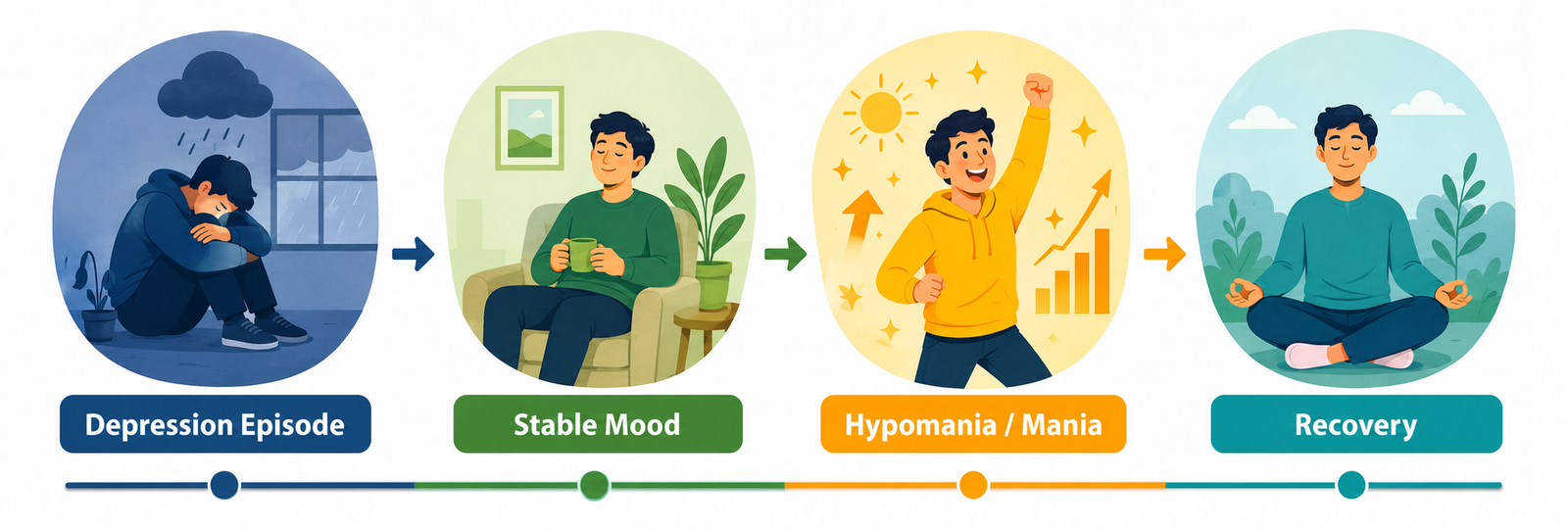
“Patient Takeaway Bipolar Disorder is an ailment that can be cured. With the right treatment, there have been cases where several individuals have led normal lives, attended school, gone to work, and even formed relationships. “
What are the symptoms of Bipolar Disorder?
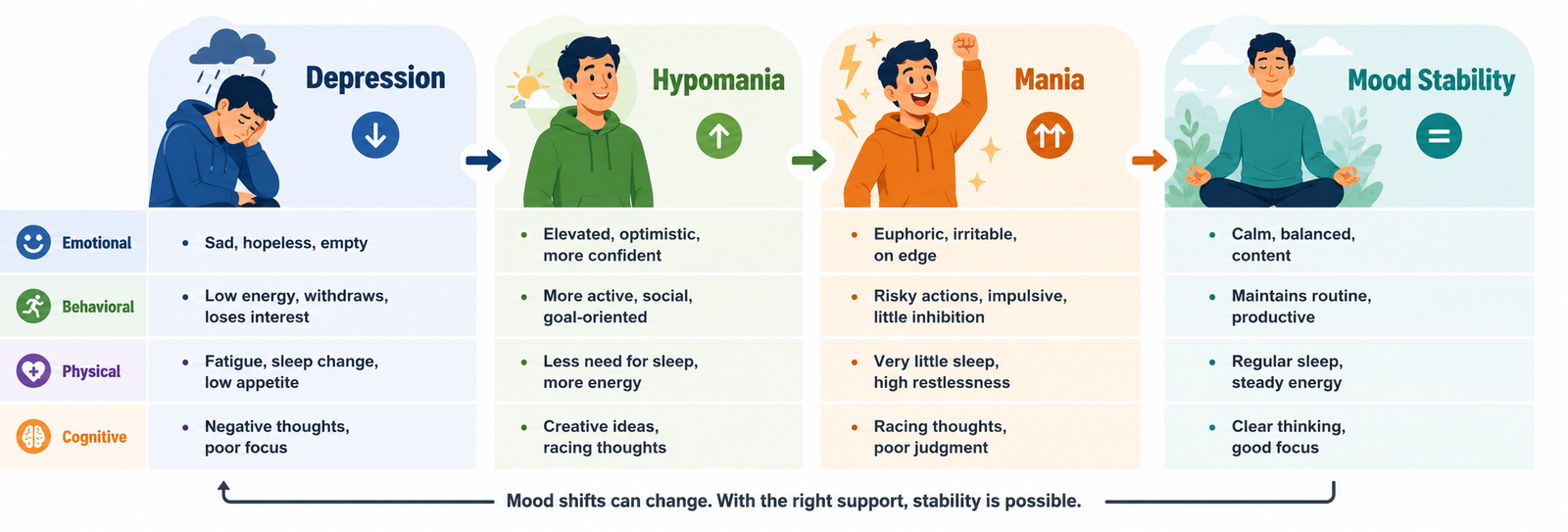
The symptoms of bipolar disorder happen in cycles and usually include a depression cycle, mania cycle, or hypomania cycle. The depression cycle may include such symptoms as sadness, tiredness, and loss, whereas the mania or hypomania cycle may include excessive energy, lack of need for sleep, high confidence, fast speech, racing thoughts, impulsive behavior, and increased activity.
Symptoms of Depression
The common symptoms include:
- Persistent sadness
- Loss of interest in previously enjoyable activities
- Fatigue
- Low motivation
- Sense of hopelessness
- Problems with concentration
- Changes in appetite
- Disturbed sleep
- Sense of guilt or unworthiness
- Thoughts of death or suicide in some people
Symptoms During Mania
Mania may include:
- Extremely elevated or irritable mood
- Increased energy
- Reduced need for sleep
- Rapid speech
- Racing thoughts
- Increased goal-directed activity
- Inflated self-confidence or grandiosity
- Impulsive spending
- Risk-taking behaviours
- Poor judgment
Mania, when extremely strong, can result in psychosis for some individuals and demands prompt psychiatric attention.
Symptoms During Hypomania
Hypomania is basically the same thing as mania; however, it is milder when compared to mania.
Individuals might experience:
- Increased confidence
- Increased productivity
- More energy
- Reduced sleep
- Increased sociability
- Faster thinking
As opposed to mania, hypomania does not cause any disability or hospitalization.
Behavioural Changes
Family members often notice:
- Talking much more than usual
- Beginning multiple projects simultaneously
- Excessive optimism
- Irritability
- Reckless financial decisions
- Increased social activity
- Reduced awareness of illness during manic episodes
Bipolar Disorder Symptoms
| Mood Phase | Common Symptoms |
|---|---|
| Depression | Feeling sad, fatigue, hopelessness, lack of concentration, disturbed sleep. |
| Mania | Hyperactivity, disturbed sleep, talkativeness, impulsiveness, grandiosity. |
| Hypomania | Increased energy and self-confidence, but less impairment than mania. |
| Stable Phase | Mood close to the usual baseline with ongoing monitoring and treatment. |
Clinical Pearl
Most people seek treatment initially for depression because depressive episodes tend to be longer and are more distressing. Past manic or hypomanic episodes must be recognized since treatment for bipolar disorder is different from that of major depressive disorder.
Seek Professional Evaluation When:
- Mood swings continue for several days or even longer.
- Sleep decreases dramatically without feeling tired.
- Spending or risk-taking behaviour becomes unusual.
- Depression alternates with periods of unusually high energy.
- Family members notice significant personality changes.
- Functioning at work, school, or socially is impacted.
- The person has thoughts about harming themselves.
What Causes Bipolar Disorder?
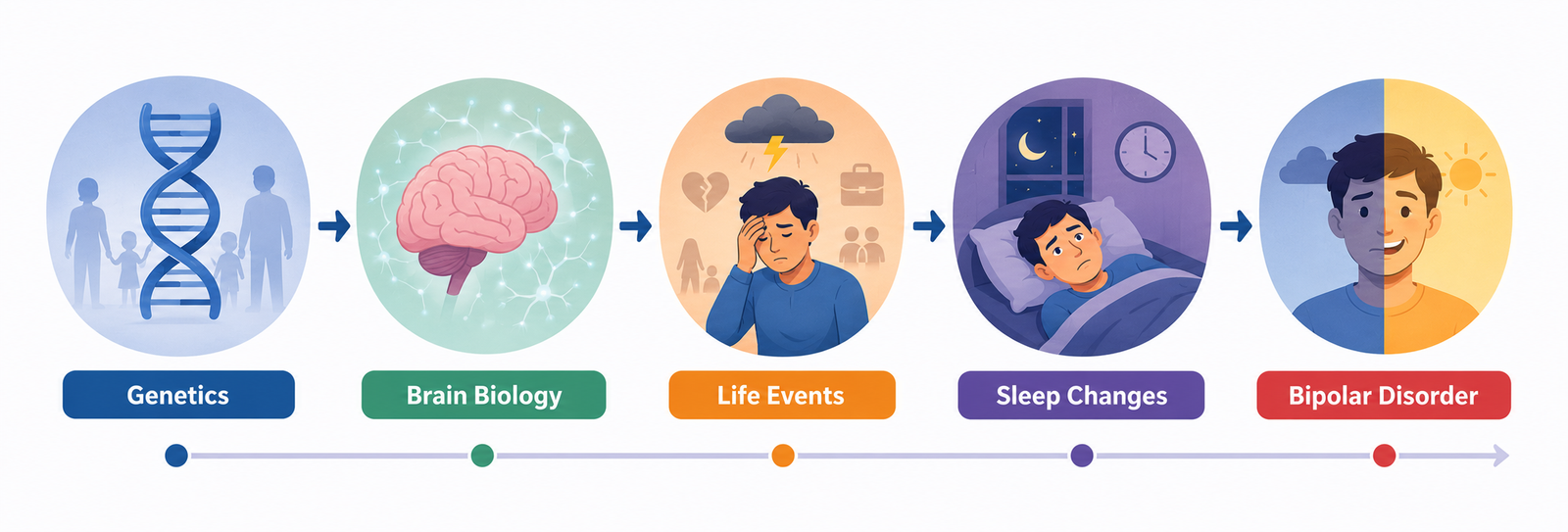
Factors that contribute to the development of bipolar disorders are biological, psychological factors, genetic factors, and environmental factors. Research has discovered that some factors like heredity, differences in brain functioning, activity of neurotransmitters, and stress can cause the disorder.
Genetic factors
Studies have revealed:
- Bipolar disorder has a genetic basis.
- Being related to someone with bipolar disorder increases the chance of having it.
- A number of genes are involved rather than one “bipolar gene.”
- Most individuals with a family history never develop bipolar disorder.
Brain Biology
Research has identified differences involving:
- Emotional regulation circuits
- Prefrontal cortex
- Limbic system
- Amygdala
- Reward pathways
- Neurotransmitter regulation
- Circadian rhythm regulation
This impacts the functioning of your brain to regulate your emotions.
Environmental Triggers
Episodes may be triggered by:
- Severe psychological stress
- Sleep deprivation
- Major life changes
- Bereavement
- Academic or workplace stress
- Relationship difficulties
- Childbirth (in susceptible individuals)
- Substance misuse
Lifestyle Factors
Some lifestyle behaviors might lead to relapse:
- Irregular sleep schedule
- Night-shift work
- Alcohol misuse
- Recreational drugs
- Medication non-adherence
- Chronic stress
Risk Factors for Bipolar Disorder
| Risk Factor | Examples |
|---|---|
| Genetics | Family history of bipolar disorder. |
| Brain Function | Differences in emotional regulation and brain activity. |
| Neurotransmitters | Changes in mood regulation pathways involving brain chemicals. |
| Environmental Stress | Major life events or prolonged stress. |
| Sleep Disturbance | Shift work, insomnia, or disrupted sleep patterns. |
| Substance Abuse | Alcohol or recreational drug use. |
Can Bipolar Disorder occur without any Family History?
✓ Yes
Bipolar disorder may occur even if there is no family history. Genetics increase vulnerability but are only one part of a much more complex interaction between biology and environmental influences.
Clinical Pearl
Even though stress is not responsible for the development of bipolar disorder, it may serve as a trigger of this mental condition in genetically predisposed individuals. Sleep regulation and recognition of early symptoms form vital parts of management.
Types of Bipolar Disorders
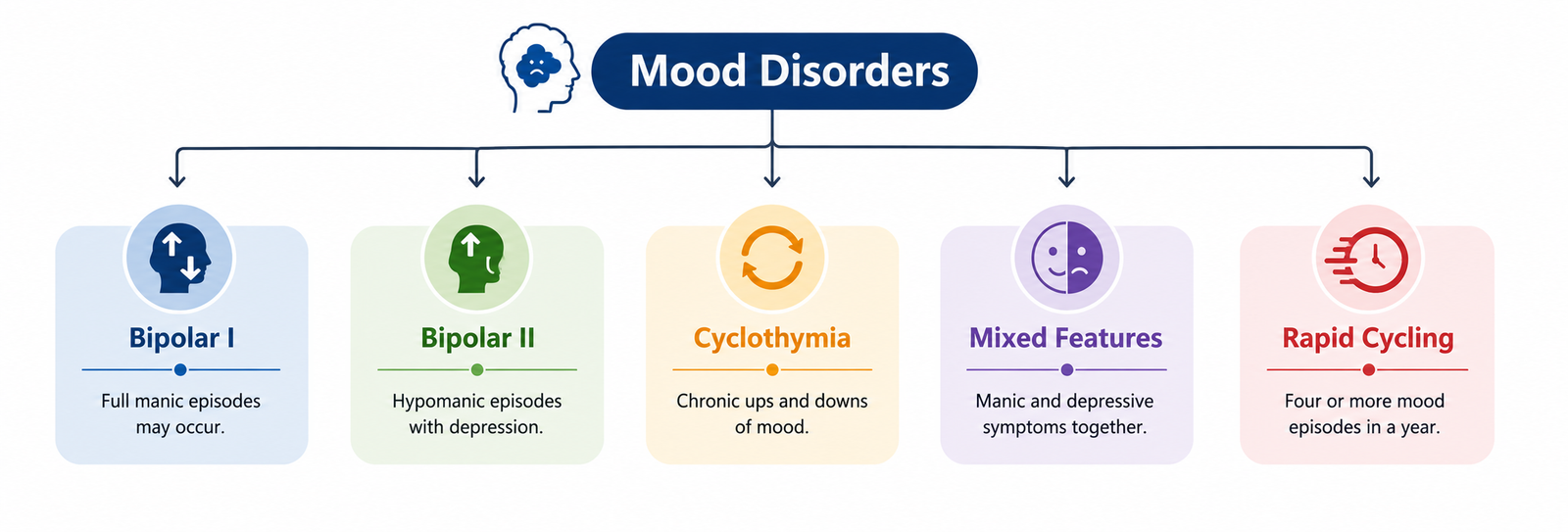
Various forms of bipolar disorders have been recognized so far. The various types of bipolar disorder are: Bipolar I Disorder, Bipolar II Disorder, and Cyclothymic Disorder. The types are differentiated from each other by the nature of their symptoms.
Bipolar I Disorder
The following are characteristics of Bipolar I Disorder:
- At least one manic episode
- Depressive episodes may also occur
- Mania often causes marked impairment
- Hospital admission may sometimes be required
- Psychotic symptoms may occur during severe manic episodes
Bipolar II Disorder
The features of Bipolar Disorder II are:
- At least one hypomanic episode
- One or more major depressive episodes
- No full manic episodes
- Depression often causes greater impairment than hypomania
Cyclothymic Disorder
Cyclothymic disorder is marked by:
- Many episodes of minor depression
- Numerous hypomanic symptoms
- Symptoms persist for at least two years in adults
- Mood fluctuations do not meet full criteria for bipolar I or II
Mixed Features
There are also cases where both depression and mania happen simultaneously, as follows:
- Feeling depressed but unable to slow racing thoughts
- High energy despite sadness
- Agitation
- Irritability
- Reduced sleep with low mood
Rapid Cycling
Rapid cycling is defined as:
- Four or more mood episodes within one year. It may involve
- Depression
- Mania
- Hypomania
- Mixed episodes
Types of Bipolar Disorder
| Type | Main Features |
|---|---|
| Bipolar I Disorder | Characterised by one or more manic episodes, with or without depressive episodes. |
| Bipolar II Disorder | Characterised by hypomanic episodes along with major depressive episodes. |
| Cyclothymia | Persistent mood instability with recurring hypomanic and depressive symptoms that do not meet the full criteria for bipolar disorder. |
| Mixed Episodes | Symptoms of mania and depression occur at the same time or in rapid succession. |
| Rapid Cycling | Four or more distinct mood episodes (mania, hypomania, or depression) within one year. |
Clinical Pearl
The majority of people tend to consult a health care provider when suffering from depression. Therefore, one should always inquire about previous cases of high-energy periods, reduced sleep requirements, excessive self-confidence, and impulsivity.
How Is Bipolar Disorder Diagnosed?
Bipolar disorder is diagnosed by way of psychiatric assessment. Diagnosis depends on the cycle of episodes, their duration, family history, behaviour, sleep, and the effects of the illness on daily functioning. There are no tests or scans that can confirm the diagnosis of the illness.
What Happens During the Consultation?
A psychiatrist may ask about:
- Current symptoms
- Previous episodes of depression
- Episodes of elevated mood
- Sleep patterns
- Impulsive behaviour
- Previous psychiatric treatment
- Family history
- Medical conditions
- Alcohol or substance use
- Occupational functioning
- Psychotic symptoms may occur during severe manic episodes
- Relationship difficulties
Mental Status Examination
Assessment includes:
- Appearance
- Behaviour
- Speech
- Mood
- Affect
- Thought process
- Thought content
- Insight
- Judgment
- Cognitive functioning
Through differential diagnosis, bipolar disorder can be differentiated from other diseases.
| Condition | How It Differs |
|---|---|
| Major Depressive Disorder | Lacks manic or hypomanic episodes. |
| ADHD | Lifelong attention difficulties rather than episodic mood changes. |
| Borderline Personality Disorder | Mood changes are usually reactive and shorter in duration. |
| Schizophrenia | Persistent psychotic symptoms occur independently of mood episodes. |
| Anxiety Disorders | Characterised by excessive worry without distinct manic or depressive episodes. |
Bipolar Assessment Components
| Assessment | Purpose |
|---|---|
| Clinical Interview | Understand mood episodes and symptom history. |
| Mental Status Examination | Evaluate emotional, cognitive, and psychological functioning. |
| Family History | Assess inherited risk and family patterns. |
| Medical Review | Rule out physical or medical causes of symptoms. |
| Functional Assessment | Evaluate the impact on work, relationships, and daily life. |
| Risk Assessment | Determine safety concerns and the urgency of treatment. |
IMPORTANT NOTE
Online mood tests may prove useful for individuals to find out their symptoms, but a diagnosis of bipolar disorder cannot be given through such online mood tests. A diagnosis can only be made by a thorough psychiatric evaluation and input from family and history of the patient.
Are you Worried about Your Mood Fluctuations or Bipolar Disorder?
The early detection of this condition will help you get the proper treatment and reduce the risk of developing more emotional problems.
Book your consultation for bipolar disorder at Headspace Mind Clinic today.
Bipolar Disorder – What Are the Treatment Options?
The bipolar disorder is a mental problem which has effective treatment through appropriate treatment strategies that are scientifically proven. The treatment involves mood stabilizers, psychoeducation, psychotherapy, healthy living, surveillance, and relapse prevention. The treatment varies depending on whether one suffers from manic, hypomanic, depressive, or mood stabilization.
- Stabilise mood
- Treat acute mood episodes
- Prevent future relapses
- Improve daily functioning
- Reduce hospitalisation
- Good quality of life
- Type of bipolar disorder
- Current mood episode
- Previous episodes
- Family history
- Medical illnesses
- Occupational functioning
- Sleep pattern
- Previous medication response
Objectives of Bipolar Disorder Treatment
The goals of bipolar disorder treatment include:
- Stabilise mood
- Treat depression
- Control mania
- Improve sleep
- Restore work and academic functioning
- Reduce impulsive behaviour
- Improve relationships
- Prevent future episodes
Evidence-Based Bipolar Disorder Treatment
| Treatment | Acute Depression | Mania | Long-Term Prevention |
|---|---|---|---|
| Medication | ✅ | ✅ | ✅ |
| Psychoeducation | ✅ | ✅ | ✅ |
| Psychotherapy | ✅ | After Stabilisation | ✅ |
| Family Education | ✅ | ✅ | ✅ |
| Lifestyle Regulation | ✅ | ✅ | ✅ |
| Hospital Care (when required) | Selected Cases | Selected Cases | Rare |
Clinical Pearl
The most successful treatment focuses not only on treating the current episode but also on preventing future episodes through long-term mood stabilisation and regular follow-up.
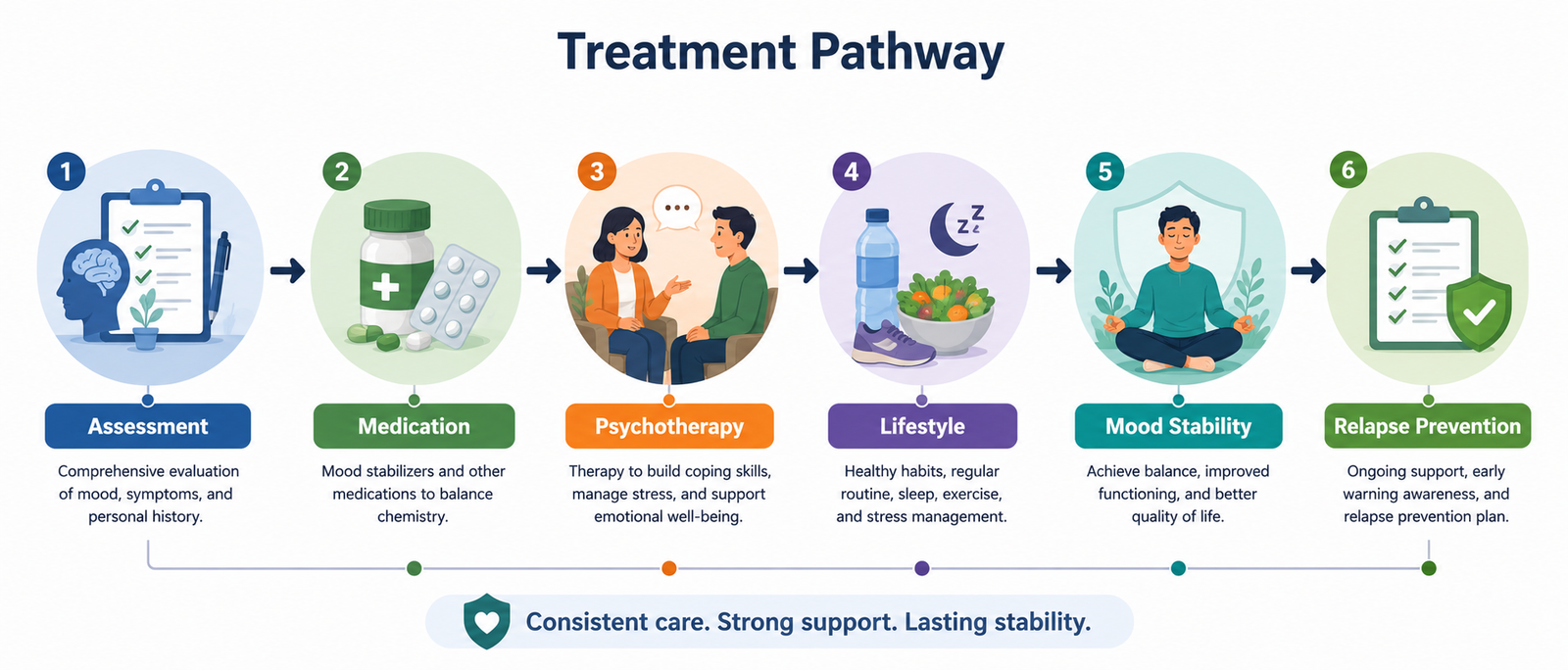
How Do Medications Help Treat Bipolar Disorder?
Medications form the basis of bipolar disorder treatment. Medications help stabilise the patient’s mood, decrease the severity of manic and depressive episodes, decrease relapse risks, and increase functioning. Medications must be prescribed and controlled by a licensed psychiatrist only.
Commonly Prescribed Medications
Treatment may comprise:
- Mood stabilisers
- Atypical Antipsychotics
- Others, based on the latest medical guidelines
The actual combination of medication will vary from patient to patient and should be prescribed by a psychiatrist.
Frequently Asked Questions About Bipolar Medication
| Question | Answer |
|---|---|
| Am I supposed to take lifelong medication? | Long-term medication is recommended for many people with bipolar disorder to help reduce the risk of relapse. Your psychiatrist will determine the most appropriate treatment plan. |
| Will medication protect me from further attacks? | Medication significantly lowers the risk and severity of future mood episodes, although no treatment can guarantee complete prevention. |
| Shall I discontinue the medication once I get better? | No. Never stop medication without consulting your psychiatrist, as doing so may increase the risk of relapse. |
| Is the medication that I am taking addictive? | Mood stabilisers and most medications used to treat bipolar disorder are generally not addictive when taken as prescribed. |
| Can the course of treatment be changed over time? | Yes. Your treatment plan may be adjusted based on symptom control, treatment response, and any side effects you experience. |
Clinical Pearl
Relapse occurs as a result of patients not following medical prescriptions and not discussing changes in treatment with the physician. Adherence to medications is considered one of the most effective ways of preventing mood disorder recurrence.
Patient Takeaway
Medication will help achieve long-term mood stabilization and avoid relapses into depression or mania in the future. Medication is most effective when it is combined with psychotherapy, lifestyle management, and follow-up.
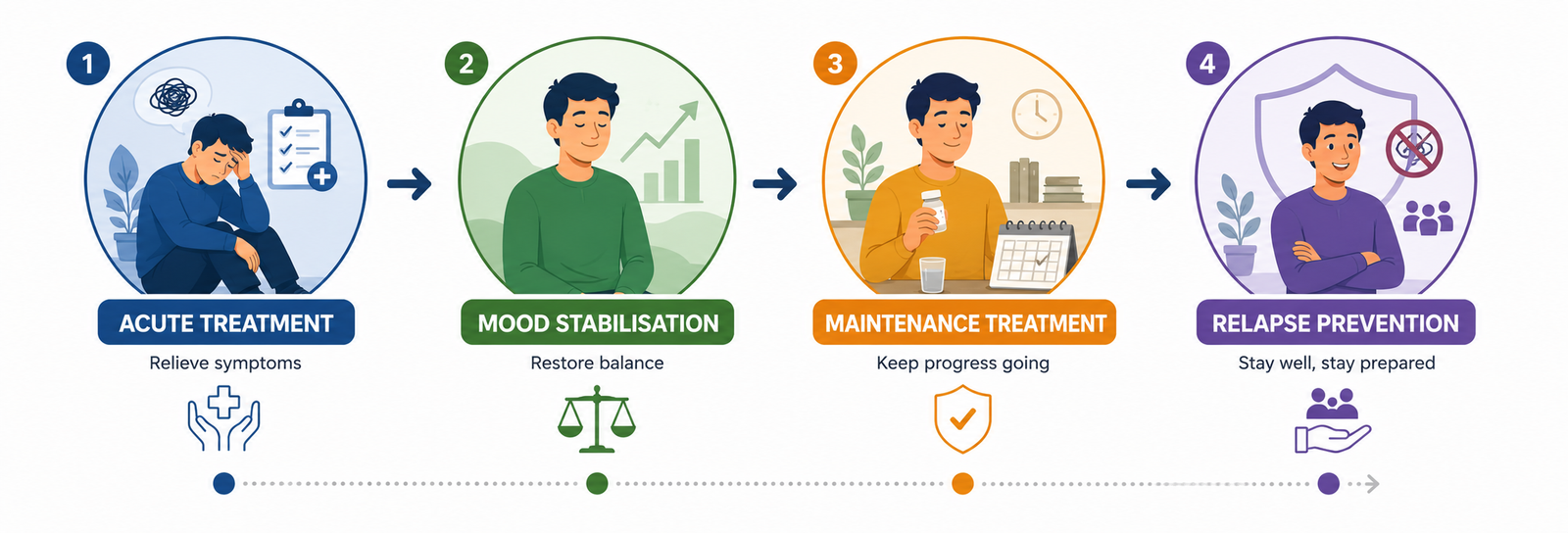
How Does Psychotherapy Help People With Bipolar Disorder?
The process of psychotherapy is very effective when combined with medication to ensure that the individual gets an understanding of his or her mental health condition, recognizes symptoms, improves coping strategies, interpersonal relationships, stress, and good habits. It becomes much more effective if used along with suitable medication.
Goals of Psychotherapy
Therapy helps patients:
- Understand bipolar disorder
- Improve treatment adherence
- Recognise early warning signs
- Develop coping skills
- Improve emotional regulation
- Strengthen relationships
- Reduce stress
- Enhance Problem-Solving
Types of Therapies Used
As per clinical requirements, therapies used may comprise:
- Cognitive Behavioral Therapy (CBT)
- Family-Based Therapy
- Psychoeducation
- Interpersonal and Social Rhythm Therapy (IPSRT)
- Supportive Psychotherapy
Benefits of Psychotherapy
| Benefit | How It Helps |
|---|---|
| Better Understanding | Improves understanding of bipolar disorder, its symptoms, and treatment. |
| Coping Skills | Develops healthy coping strategies to reduce stress and build resilience. |
| Medication Adherence | Encourages consistent medication use and improves treatment outcomes. |
| Relationship Skills | Strengthens communication and helps maintain healthier relationships. |
| Relapse Prevention | Helps recognise early warning signs and take timely action to prevent relapse. |
Clinical Pearl
Psychotherapy can never take the place of drugs in bipolar disorder; however, it plays an important role in improving the patient’s future when incorporated into a treatment program.
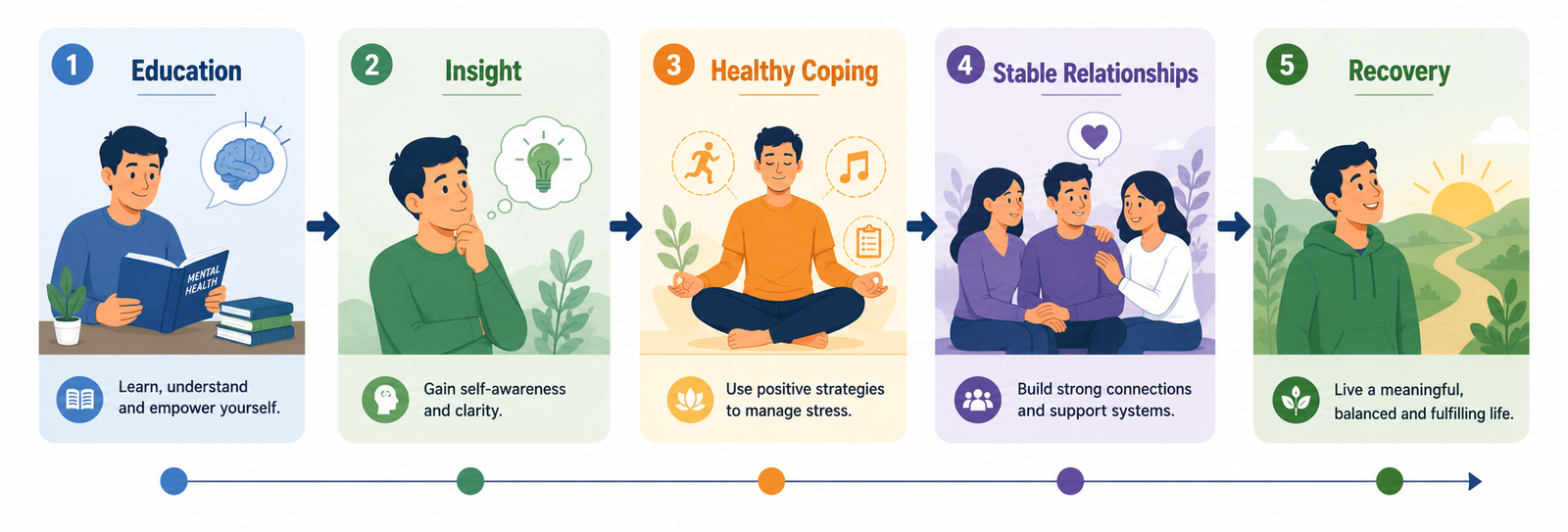
Why Are Sleep and Daily Routine So Important in Bipolar Disorder?
Getting regular sleep and maintaining routines is a crucial element in managing one’s bipolar disorder. Sleeping irregularly, an unpredictable work schedule, and stress may all contribute to the chances of developing mood swings among individuals who are vulnerable to bipolar disorder. Maintaining a routine will assist in stabilizing the mood swings.
Healthy Daily Habits
The patients are advised to:
- Maintain good sleeping and waking hours
- Not stay awake all night.
- Take medications consistently.
- Exercise regularly.
- Limit the consumption of alcohol and recreational drugs.
- Manage stress effectively.
- Attend follow-up appointments.
Lifestyle Strategies for Mood Stability
| Lifestyle Strategy | Benefit |
|---|---|
| Regular Sleep | Supports mood stability and emotional regulation. |
| Exercise | Improves physical health, mood, and overall wellbeing. |
| Medication Adherence | Reduces the risk of relapse and promotes long-term stability. |
| Stress Management | Helps maintain emotional balance and reduces symptom triggers. |
| Healthy Routine | Enhances daily functioning and supports consistent recovery. |
| Family Support | Encourages treatment adherence and provides ongoing emotional support. |
Clinical Pearl
Even small disturbances in sleep can come before bigger mood alterations. Most people get to know that reduction in the need for sleep is one of the first symptoms of mania.
Patient Takeaway
Maintaining a stable daily routine is an active part of treatment—not simply good general health advice.
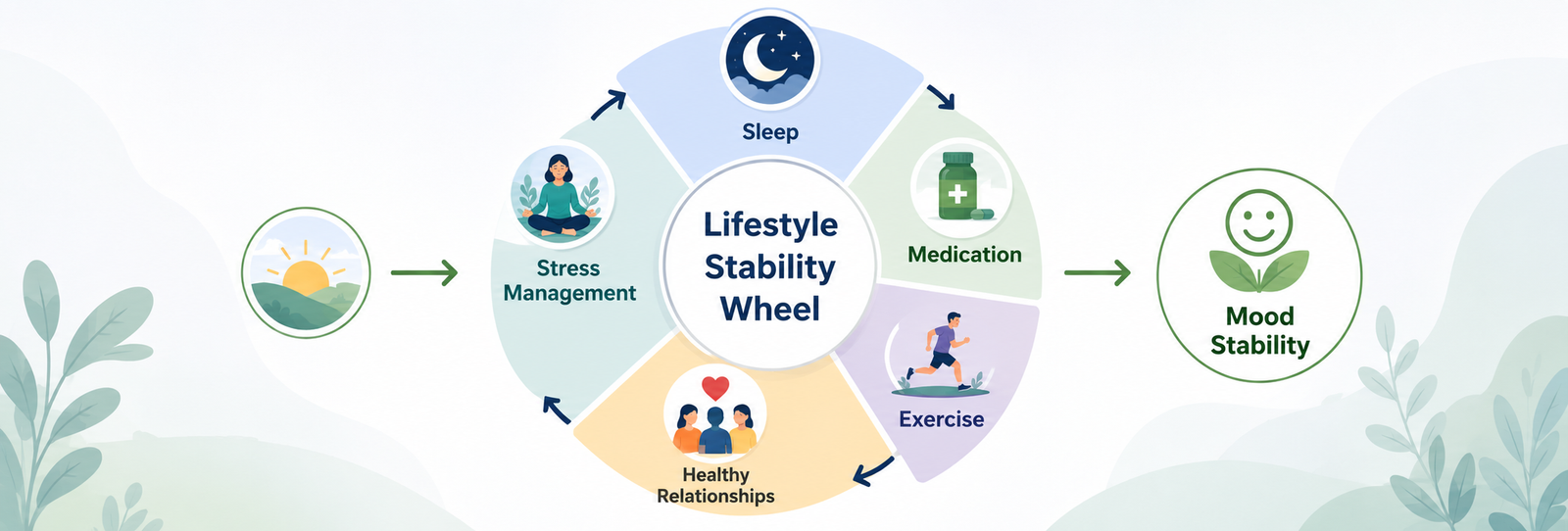
What Happens During Severe Manic Episodes?
There are instances when some manic states will worsen to such an extent that judgment may become impaired, risky behavior increased, or lack of insight into their condition becomes evident. At such times, psychiatric evaluation and, at times, hospitalization may become necessary.
- Sleep very little for several days.
- Engage in impulsive spending or risky behaviour.
- Display markedly impaired judgment.
- Become extremely agitated or irritable.
- Develop psychotic symptoms in some cases.
Events that Might Need an Urgent Psychiatric Evaluation
| Situation | Reason |
|---|---|
| Severe Mania | Impaired judgment, risky behaviour, and safety concerns may require hospital care. |
| Psychotic Symptoms | Require urgent specialist assessment and close monitoring. |
| High-Risk Behaviour | Hospitalisation may be needed to prevent harm to the individual or others. |
| Severe Depression with Suicide Risk | Immediate intervention is essential to ensure safety and begin intensive treatment. |
| Inability to Care for Self | Hospital care provides stabilisation, support, and appropriate treatment. |
IMPORTANT NOTE
Admission to the hospital is not necessary for most patients with bipolar disorder. Many of them are treated on an outpatient basis with therapy and follow-up visits.
Comprehensive Bipolar Disorder Care at Headspace Mind Clinic
Proper diagnosis, correct medication, and monitoring are crucial in bipolar disorder.
At Headspace Mind Clinic, treatment is tailored to help the patient attain mood stability and functionality and prevent any attacks in the future through the use of medication, psychotherapy, family training, and psychiatric treatment.
Book your appointment for a confidential consultation about your treatment plan.
What Is the Long-Term Outlook for Bipolar Disorder?
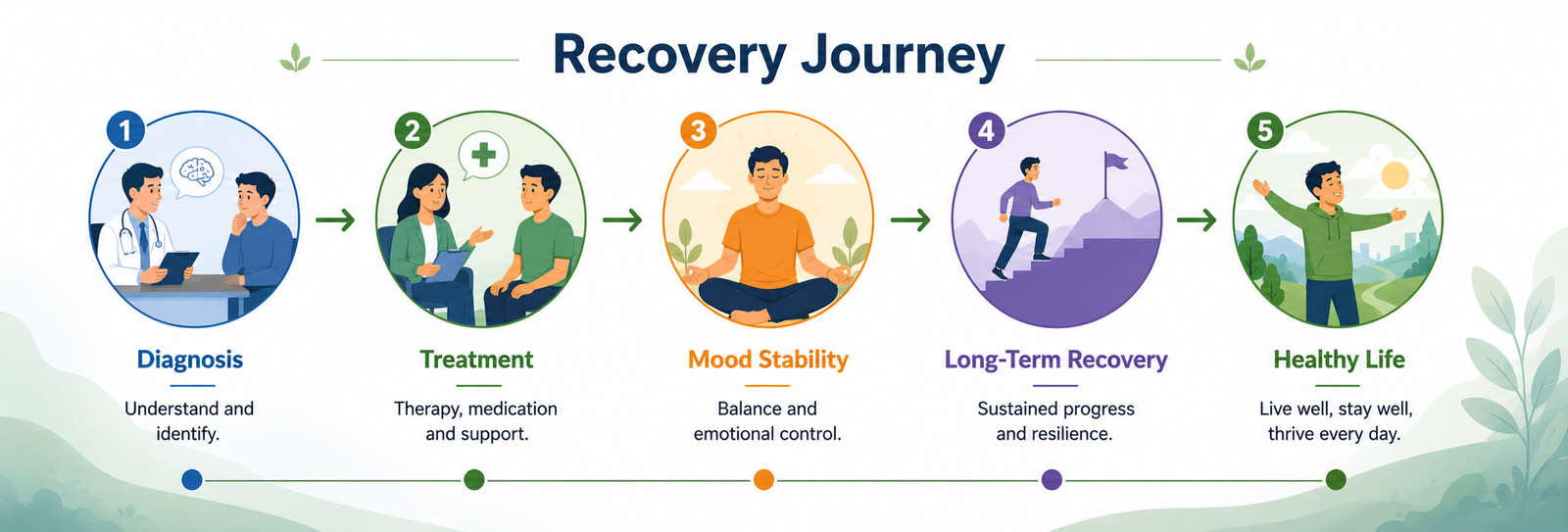
Even though bipolar disorder is a chronic mental condition, with appropriate care, many people can have stable moods for quite some time and even succeed in life both professionally and academically, as well as maintain relationships and lead happy lives.
- Fewer mood episodes
- Better emotional stability
- Improved relationships
- Better occupational functioning
- Greater independence
- Improved quality of life
Can Bipolar Disorder Be Cured?
Bipolar disorder is considered to be a chronic condition that requires constant management. However, many individuals experience:
- Long symptom-free periods
- Stable careers
- Successful relationships
- Healthy family life
- Good quality of life
The aim is to have long-lasting stability, not just symptom relief.
What Recovery Looks Like
| Early Recovery | Long-Term Recovery |
|---|---|
| Improved sleep patterns and better rest. | Stable mood with fewer mood fluctuations. |
| Better concentration and clearer thinking. | Reduced frequency and severity of relapses. |
| Reduced impulsivity and improved decision-making. | Enhanced work, academic, and daily performance. |
| Improved insight into symptoms and treatment. | Healthier relationships and stronger social connections. |
| More consistent daily routines and self-care. | Greater independence and improved quality of life. |
Clinical Pearl
Recovery is measured by improvements in functioning, relationships, and overall quality of life rather than by the complete absence of mood symptoms.
How Can Bipolar Disorder Relapse Be Prevented?
The prevention of relapse is one of the most critical factors when it comes to bipolar disorder treatment. Proper medication, a good sleep routine, knowledge of symptoms, minimization of stress, visits, and involvement of the family will significantly decrease the likelihood of another mood swing.
Early Warning Signs of Depression
- Reduced motivation
- Persistent sadness
- Social withdrawal
- Poor concentration
- Fatigue
- Changes in sleep
- Loss of interest
Early Warning Signs of Mania
- Sleeping less than usual
- Feeling unusually energetic
- Increased confidence
- Talking more than usual
- Racing thoughts
- Increased spending
- Becoming unusually productive
- Increased irritability
Relapse Prevention Checklist
| Early Recovery | Long-Term Recovery |
|---|---|
| Improved sleep | Stable mood |
| Better concentration | Fewer relapses |
| Reduced impulsivity | Better work performance |
| Improved insight | Healthier relationships |
| Consistent daily routine | Greater independence |
Clinical Pearl
Many manic episodes begin with a reduction in the need for sleep. People who have recognized this sign usually do not hesitate to seek medical attention.
Patient Takeaway
Prevention of bipolar disorder is always easier than its treatment.
How Can Families Support Someone With Bipolar Disorder?
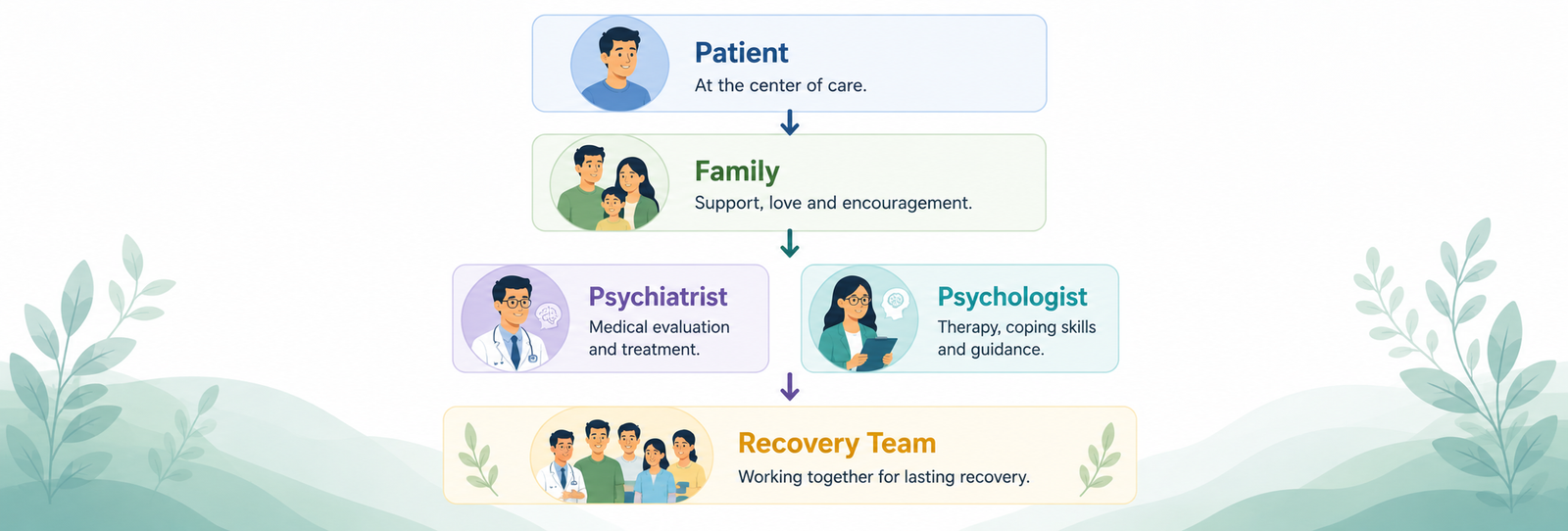
Family members' significance in the management of bipolar disorder can be seen in their ability to detect early warning symptoms, ensure treatment adherence, encourage proper living habits, and manage situations brought about by the episodes of bipolar disorder. Bipolar disorder education can be instrumental in helping both the patients and caregivers.
Families Can Help By
- Learning about bipolar disorder
- Encouraging medication adherence
- Promoting regular sleep
- Attending appointments when appropriate
- Recognising early warning signs
- Avoiding confrontation during acute episodes
- Supporting healthy daily routines
Helpful vs Unhelpful Responses
| Helpful | Less Helpful |
|---|---|
| Listen calmly and offer support. | Arguing or confronting the person during mania. |
| Encourage treatment and regular follow-ups. | Stopping medication without medical advice. |
| Recognise and act on early warning signs. | Ignoring noticeable mood changes. |
| Maintain healthy daily routines and sleep habits. | Encouraging sleeplessness or an irregular routine. |
| Seek professional help as soon as symptoms appear. | Waiting until symptoms become severe before seeking care. |
Clinical Pearl
Family-based psychoeducational interventions have proven effective in decreasing relapse rates and increasing adherence in many patients with bipolar disorder.
Special Considerations During Pregnancy and Bipolar Disorder
Pregnancy and the postpartum phase must be planned carefully in patients with bipolar disorder. It is important to discuss medication issues with a psychiatrist and an obstetrician, taking into account the advantages and possible risks of treatment. Discontinuation of medication can put one at a higher risk of developing bipolar depression.
IMPORTANT NOTE
Medications in pregnancy must be individualised at all times.
The use of medications should never be discontinued suddenly without consultation with the treating psychiatrist.
When Should You Seek Urgent Psychiatric Help?
A psychiatric evaluation is recommended right away if you have severe symptoms of mania or depression, are thinking about suicide, develop psychotic symptoms, are experiencing impaired judgment, or if you cannot take care of yourself.
- Suicidal thoughts develop.
- There is a suicide attempt.
- Severe mania causes dangerous behaviour.
- Psychotic symptoms occur.
- The person refuses food or fluids.
- Sleep has been absent for several days.
- There is severe agitation or aggression.
- Family members believe safety is at risk.
In case of any imminent danger to oneself or others, such as suicidal behavior, self-harming, or threatening behavior, it would be best to seek immediate medical attention.
Why Choose Headspace Mind Clinic for Bipolar Disorder Treatment in Delhi?
This is made possible through the provision of holistic bipolar disorder management at the Headspace Mind Clinic in terms of ensuring that one gets an accurate diagnosis, proper medication therapy, psychotherapy, education concerning the illness, relapse prevention, and follow-up to maintain mood stability.
✔ Consultant Psychiatrist
✔ Comprehensive Mood Disorder Assessment
✔ Evidence-Based Medication Management
✔ Individualised Treatment Plans
✔ Clinical Psychology Services
✔ Family Psychoeducation
✔ Long-Term Relapse Prevention
✔ Confidential Consultations
SERVICES OFFERED
| Service | Available |
|---|---|
| Psychiatric Consultation | ✓ |
| Medication Management | ✓ |
| Psychotherapy | ✓ |
| Family Counselling | ✓ |
| Clinical Psychology | ✓ |
| Long-Term Follow-up | ✓ |
Take the First Step Towards Mood Stability
Phone:
Website:
Frequently Asked Questions (FAQ)
Medically Reviewed By
Dr. Deepak Verma
Consultant Psychiatrist & Neuropsychiatrist, Founder & Medical Director, Headspace Mind Clinic
ABOUT THE MEDICAL REVIEWER
PUBLICATION INFORMATION
| Item | Details |
|---|---|
| Author | Headspace Mind Clinic Editorial Team |
| Medical Reviewer | Dr. Deepak Verma |
| Last Medical Review | July 2026 |
| Next Scheduled Review | January 2027 |
| Content Version | 1.0 |
| Content Type | Evidence-Based Patient Education |
EDITORIAL POLICY
- Evidence-based clinical information
- Medical review by a qualified psychiatrist
- Patient-friendly language
- Periodic review and updates
- Clear distinction between educational information and personalised medical advice
REFERENCES
- Indian Psychiatric Society (IPS) Clinical Practice Guidelines
- National Institute for Health and Care Excellence (NICE)
- American Psychiatric Association (APA)
- World Health Organization (WHO)
- National Institute of Mental Health (NIMH)
- PubMed-indexed systematic reviews and meta-analyses on bipolar disorder