Panic Disorder Treatment in Delhi
Trust Signals




Quick Facts
| Quick Fact | Details |
|---|---|
| Condition | Panic Disorder |
| Category | Anxiety Disorder |
| Typical Onset | Late adolescence to early adulthood (can occur at any age) |
| Main Symptom | Recurrent unexpected panic attacks |
| Treatment | CBT, medication, psychoeducation, lifestyle strategies |
| Location | Delhi NCR |
What Is Panic Disorder?
Panic disorder is yet another anxiety disorder, which entails experiencing unexpected panic attacks, along with worry about future attacks and changing behavior due to these attacks. The term “panic attack” means a bout of intense fear, lasting for some minutes, and involving certain physical manifestations including heart palpitations, breathing difficulties, dizziness, sweating, chest pains, and fear of losing control.

Everybody feels anxiety in stressful moments.
However, Panic Disorder is quite different from that.
In Panic Disorder, recurring panic attacks are experienced by patients which come suddenly without any reason.
As the physiological symptoms are extremely severe, many people feel like they are having:
- A heart attack
- A stroke
- A serious breathing problem
- A neurological emergency
- Difficulty completing tasks
What Does a Panic Attack Feel Like?
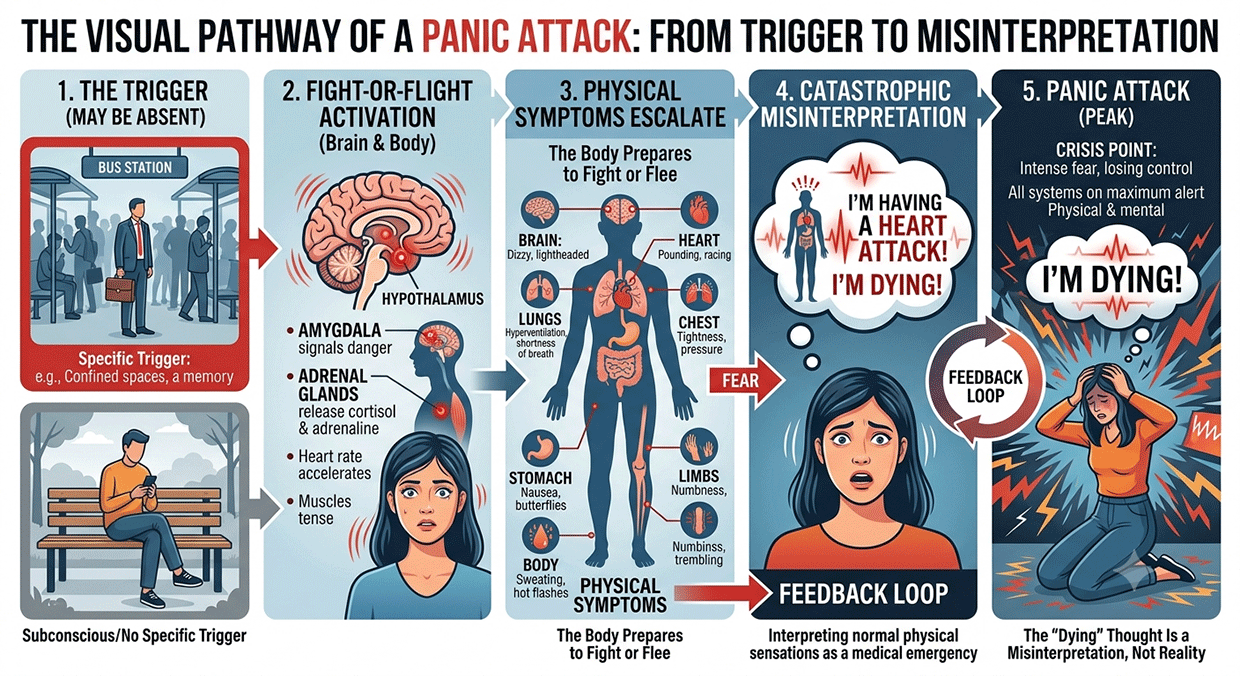
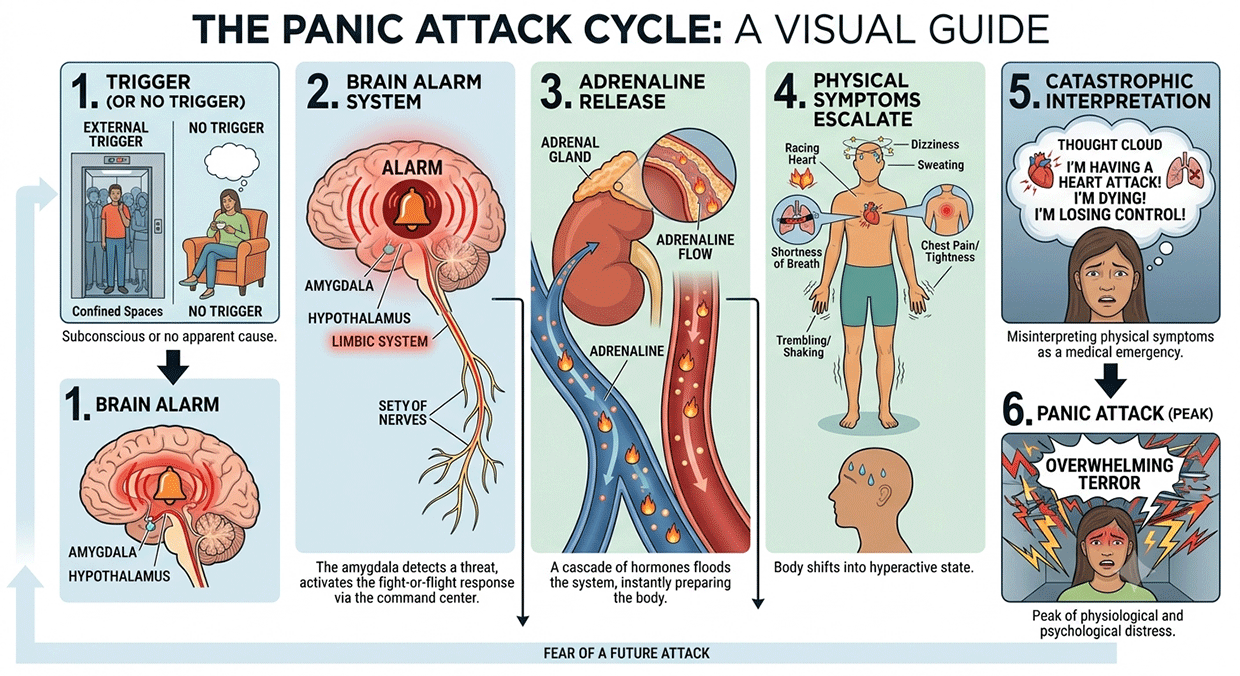
The “fight or flight” response occurs in panic attacks even when there is no actual danger.”
Hormones such as adrenaline are released into the body, where they prepare the body for action and cause numerous physiological changes, including:
- Faster heartbeat
- Rapid breathing
- Increased muscle tension
- Sweating
- Trembling
- Heightened alertness
Panic Attack vs Panic Disorder
| Panic Attack | Panic Disorder |
|---|---|
| Can occur occasionally in many people | Involves recurrent unexpected panic attacks |
| May occur during intense stress | Often occurs without an obvious trigger. |
| May not recur | Persistent fear of future attacks |
| Usually does not change behaviour. | Avoidance behaviours become common. |
Clinical Pearl
Not all individuals who have panic attacks will be diagnosed with Panic Disorder since the criteria for diagnosis include recurrent unexpected panic attacks and fear of having future attacks or changes in behaviour.
“Patient Takeaway
Being afraid during the time of a panic attack is quite normal, but it doesn’t imply that one is suffering from a heart attack. Panic Disorder is an actual disorder that can be treated.”
What Are the Symptoms of a Panic Attack?
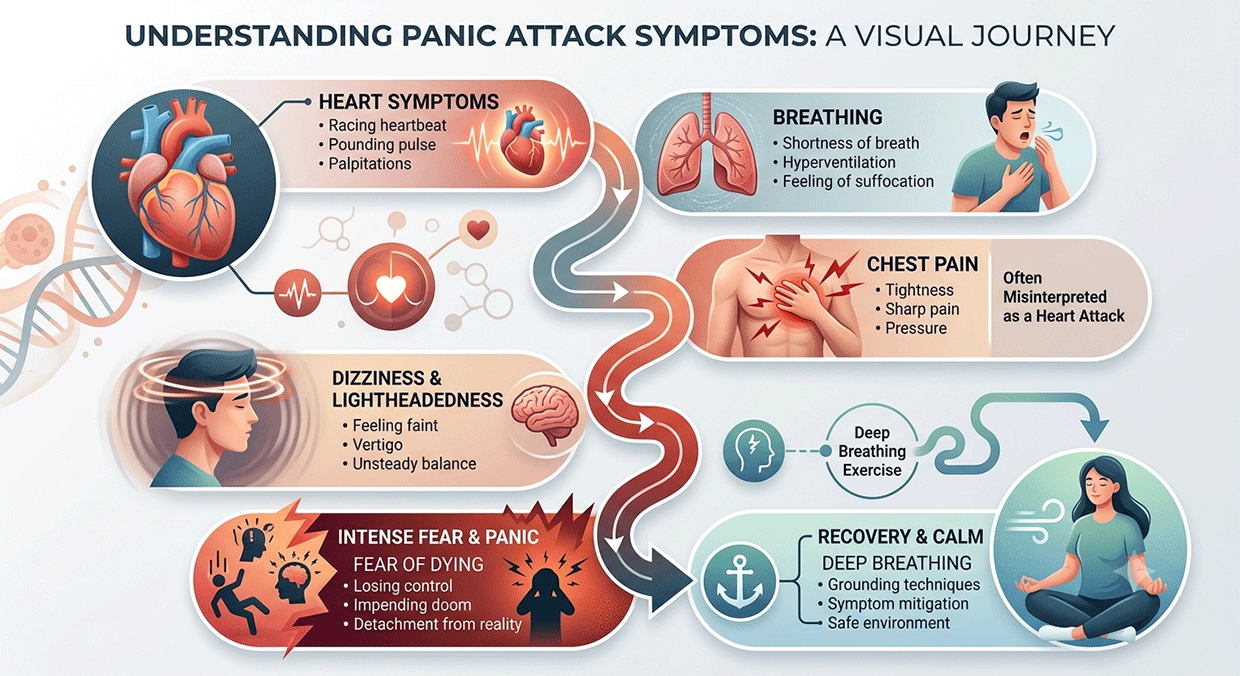
A panic attack involves the sudden occurrence of fear. This is often associated with a number of physical symptoms such as palpitations, chest pain, shortness of breath, dizziness, sweating, trembling, nausea, numbness, shivering, and feelings of death. It occurs for about 10-20 minutes.
- Driving
- Shopping
- Working
- Sleeping
- Watching television
- Sitting quietly at home
Many people cannot identify any obvious trigger.
Such attacks usually occur suddenly, peaking in intensity within minutes before starting to reduce in severity.
As the attack is brief and terrifying, the patient stays away from places where he/she had his/her previous attack.
Common Physical Symptoms
Someone suffering from a panic attack may have:
- Heart palpitations
- Chest pain or chest tightness
- Shortness of breath
- Feeling unable to get enough air
- Sweating
- Trembling or shaking
- Dizziness
- Light-headedness
- Nausea
- Chills or hot flushes
- Tingling or numbness
- Feeling faint
Emotional and Cognitive Symptoms
The above conditions can be seen as symptoms of a panic attack:
- Intense fear
- Feeling that something terrible is about to happen
- Fear of dying
- Fear of losing control
- Fear of going insane
- Detachment from the surroundings
- Detachment from oneself
How Long Does a Panic Attack Last?
The duration of most panic attacks:
- Peaks in 10-20 minutes
- Gradually improve afterwards.
- Tiredness or being emotionally exhausted as a result of a panic attack.
Common Symptoms of a Panic Attack
| Physical Symptoms | Emotional Symptoms |
|---|---|
| Racing heart | Intense fear |
| Chest discomfort | Fear of dying |
| Breathlessness | Fear of losing control |
| Sweating | Feeling unreal |
| Trembling | Feeling detached |
| Dizziness | Sense of impending doom |
| Tingling | Extreme anxiety |
When Should You Seek Immediate Medical Care for Chest Pain?
Although panic disorders generally lead to chest pain, one should not immediately presume that the person's chest pain is due to panic attacks.
If one has chest pain which:
● Is severe or persistent.
● Occurs with loss of consciousness.
● Radiates to the jaw, shoulder, or arm.
● Is accompanied by significant shortness of breath.
● Occurs in someone with known heart disease or significant cardiovascular risk factors.
● Is associated with new neurological symptoms.
Once serious medical conditions have been excluded, recurrent episodes with the typical features of panic attacks should be evaluated by a mental health professional.
Clinical Pearl
Individuals with Panic Disorder tend to believe that they have an important disease of their heart or nervous system. Repeated normal medical investigations followed by recurrent panic attacks often Point toward Panic Disorder, but the diagnosis should only be made after appropriate medical evaluation.
Struggling with Repeated Panic Attacks?
If there are recurrent cases of fear, heart palpitations, breathlessness, or chest pain, after all the medical reasons have been eliminated, it is advisable to seek help from a specialist. This will ensure that your panic attacks will be minimized, and your confidence boosted, such that you can work and travel without fear.
What Causes Panic Disorder?
Panic Disorder is caused by the interaction of various biological, psychological, and environmental variables. There is evidence that shows that brain circuitry abnormalities associated with fear, genetic predisposition, stress in one’s life, and fear conditioning can cause the occurrence of repeated panic attacks.
For many who suffer from Panic Attacks, the question is often “What prompted this to happen?” The reasons are rarely one.
Panic Disorder develops through an interaction between several factors that influence the way our brains perceive fear and danger.
With a panic attack, our brain activates the response system within our bodies despite the absence of any real danger.
While the response is intended to assist us in coping with threats, it ends up being exaggerated in panic disorder.
The Fight-or-Flight Response
Every person has an inherent mechanism of defense known as the fight-or-flight response, where the body reacts to any threat with stress chemicals such as adrenaline. This prepares the body by:
- Increasing heart rate
- Increasing breathing rate
- Redirecting blood flow to muscles
- Increasing alertness
- Producing sweating
- Getting ready for action
Panic Disorder causes this mechanism to be triggered even in the absence of any real danger.
Brain Mechanisms
Studies indicate that the following areas of the brain play a role, including:
- Amygdala (sensing fear)
- Prefrontal cortex (reasoning and emotion control)
- Hippocampus (memory)
- Brainstem (autonomic responses)
Genetics
Panic Disorders usually happen more frequently in some families.
Being related to someone who suffers from Panic Disorders or anxiety disorders could increase one’s risk of suffering from such disorders.
Stressful Life Events
Some individuals develop Panic Disorder after:
- Major illness
- Bereavement
- Relationship difficulties
- Workplace stress
- Financial stress
- Childbirth
- Major life transitions
Factors That May Contribute to Panic Disorder
| Factor | Possible Role |
|---|---|
| Genetics | Increased susceptibility |
| Brain Fear Circuits | Heightened alarm response |
| Stressful Events | May trigger onset |
| Personality Factors | Increased sensitivity to bodily sensations |
| Previous Anxiety Disorders | Increased vulnerability |
Clinical Pearl
Panic Disorder is not a manifestation of being weak. It is an anxiety disorder that is described by changes in brain mechanisms in the perception of frightening stimuli.
Who Is More Likely to Develop Panic Disorder?
It may affect anybody, but it occurs more often in late adolescence and early adulthood. The presence of anxiety disorders within the family, long-term stress, and experience of panic attacks, certain personality traits, and co-existing mental health conditions may increase the likelihood of developing Panic Disorder.
Panic Disorder is widespread throughout the world.
While anybody can suffer from it, some factors make people more susceptible.
The important point to be considered here is that just being a risk factor will not lead to the development of Panic Disorder.
Common Risk Factors
Risk factors include:
- Family history of Panic Disorder
- Generalized Anxiety Disorder
- Depression
- Childhood adversity
- High stress levels
- Major life changes
- Certain personality traits such as high anxiety sensitivity
Lifestyle Factors
Some possible triggers may result in the occurrence of panic attacks in specific individuals, including:
- Caffeine intake
- Nicotine
- Relationship difficulties
- Workplace stress
- Recreational drugs
- Sleep deprivation
Risk Factors
| Biological | Psychological | Lifestyle |
|---|---|---|
| Family history | Anxiety sensitivity | Excess caffeine |
| Female sex | Chronic stress | Poor sleep |
| Previous anxiety disorder | Catastrophic thinking | Nicotine |
| Depression | Trauma history | Alcohol withdrawal |
Clinical Pearl
They make one vulnerable; however, they do not determine destiny. There are many individuals with several risk factors that never experience Panic Disorder, while some individuals experience the condition with no clear reason whatsoever.
Panic Attack vs Heart Attack
There are nearly similar symptoms for both a heart attack and a panic attack; these include chest pain, sweating, difficulty in breathing, and dizziness. The main cause of a heart attack is reduced blood flow to the heart muscles, whereas that of a panic attack is an outcome of a fear reaction.
In case the symptoms appear similar, a doctor's diagnosis is needed in order to rule out the possibility of a heart problem first.
One of the greatest fears during a panic attack is:
“I’m having a heart attack.”
This concern is understandable because both conditions may produce:
- Chest discomfort
- Sweating
- Breathlessness
- Palpitations
- Dizziness
Panic Attack vs Heart Attack
| Panic Attack | Heart Attack |
|---|---|
| Often peaks within 10–20 minutes. | Symptoms may progressively worsen. |
| Frequently associated with intense fear. | Fear may or may not be present. |
| Often occurs in younger healthy individuals. | More common with cardiovascular risk factors |
| ECG and cardiac tests are often normal | May show abnormal cardiac findings |
| Usually resolves without heart damage. | Requires urgent medical treatment |
Important Safety Note
Never mistake chest pain for Panic Disorder.
Seek emergency medical care if chest pain:
● Is severe or persistent
● Spreads to the jaw, neck, shoulder, or arm
● Occurs during physical exertion
● Is associated with collapse
● Occurs in someone with heart disease or major cardiac risk factors
Once serious medical conditions have been excluded, recurrent episodes may represent Panic Disorder.
Clinical Pearl
The number of individuals with Panic Disorder that visit emergency rooms several times before the diagnosis becomes right is very high. A proper physical evaluation is the first step towards diagnosing Panic Disorder correctly.
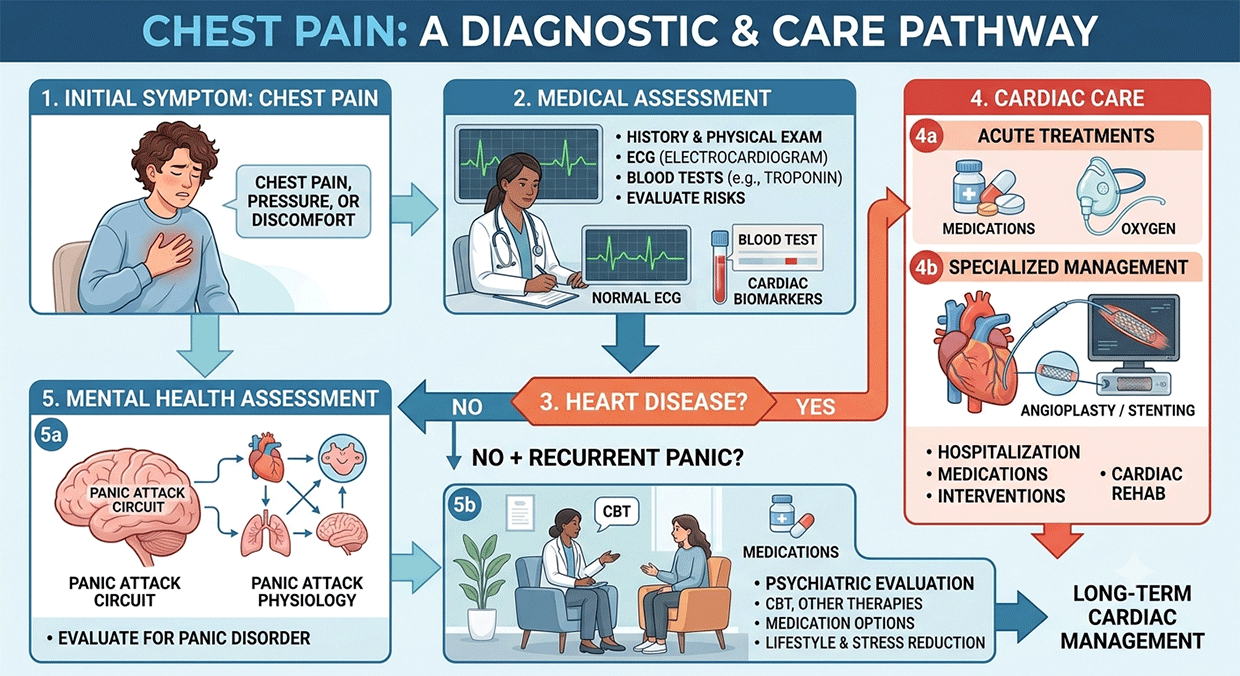
How Is Panic Disorder Diagnosed?
Panic Disorder is determined through a thorough psychiatric evaluation. The healthcare provider analyzes the presence of panic attack, anxiety, avoidant behavior, medical background, medication use, and any physical disorders that can have the same signs. It is not possible to confirm Panic Disorder through some blood or brain examination.
Panic Disorder diagnosis is a much more complex procedure than just asking about panic attacks.
The psychiatrist evaluates:
- Nature of panic attacks
- Frequency
- Duration
- Situational triggers
- Fear of future attacks
- Avoidance behaviours
- Functional impairment
- Co-existing anxiety or depression
- Medical illnesses
- Medication history
Medical Conditions Similar to Panic Disorder
Physical illnesses can cause symptoms similar to panic attacks.
Examples include:
- Hyperthyroidism
- Cardiac arrhythmias
- Asthma
- Chronic obstructive pulmonary diseas
- Vestibular disorders
- Hypoglycaemia
- Anaemia
- Certain neurological disorders
Conditions That May Resemble Panic Disorder
Some mental disorders with similar symptoms are:
- Generalized Anxiety Disorder
- Social Anxiety Disorder
- Health Anxiety
- PTSD
- OCD
- Depression
Components of a Panic Disorder Assessment
| Assessment Area | Purpose |
|---|---|
| Clinical Interview | Understand symptoms |
| Medical History | Rule out physical illness. |
| Medication Review | Identify contributing factors |
| Mental Health Assessment | Identify co-existing conditions |
| Physical Examination | When indicated |
| Investigations | Only if clinically appropriate |
Are Any Investigations Needed?
No laboratory test diagnoses Panic Disorder.
However, depending on the individual's symptoms and medical history, the doctor may recommend investigations such as:
- ECG
- Thyroid function tests
- Blood glucose
- Complete blood count
- Electrolytes
- Other investigations based on clinical findings
Clinical Pearl
A diagnosis of Panic Disorder should only be made after careful evaluation and appropriate consideration of physical health conditions that may present with similar symptoms.
Experiencing Repeated Panic Attacks?
If you are still suffering from unexpected panic attacks, rapid heartbeat, shortness of breath, dizziness, and chest pain despite all the medical tests being done on you, then psychiatric evaluation may help you determine whether you are suffering from Panic Disorder or any other form of anxiety disorder. Early detection and treatment will allow you to prevent the vicious cycle of fear and avoidance.
How Is Panic Disorder Treated?
Panic Disorder is among the most treatable anxiety disorders. The treatment of panic disorder is done using the combination of Cognitive Behavioral Therapy (CBT), and at times medication, psychoeducation, exposure therapy, and change in lifestyles. Most individuals will show a remarkable improvement with treatment.
Some of the aims of treatment are:
- Reduce the frequency of panic attacks
- Reduce the fear of future attacks
- Eliminate avoidance behaviours
- Restore confidence
- Improve quality of life
- Get back to work and carry out activities normally
- Severity of symptoms
- Duration of illness
- Presence of agoraphobia
- Co-existing anxiety or depression
- Medical history
- Previous treatment response
- Personal preferences
Goals of Treatment
Effective treatment aims to help individuals:
- Understand panic attacks
- Stop fearing bodily sensations
- Break the panic cycle
- Resume avoided activities
- Improve emotional wellbeing
- Prevent relapse
Components of Panic Disorder Treatment
| Treatment | Purpose |
|---|---|
| Psychoeducation | Understand panic attacks |
| Cognitive Behavioural Therapy | Change fear responses |
| Medication | Reduce panic and anxiety. |
| Exposure Therapy | Reduce avoidance |
| Lifestyle Changes | Improve resilience |
| Follow-up Care | Monitor recovery |
Clinical Pearl
The quicker that Panic Disorder can be identified and treated, the more easily the fear, avoidance and impairment cycle can be prevented from being created.
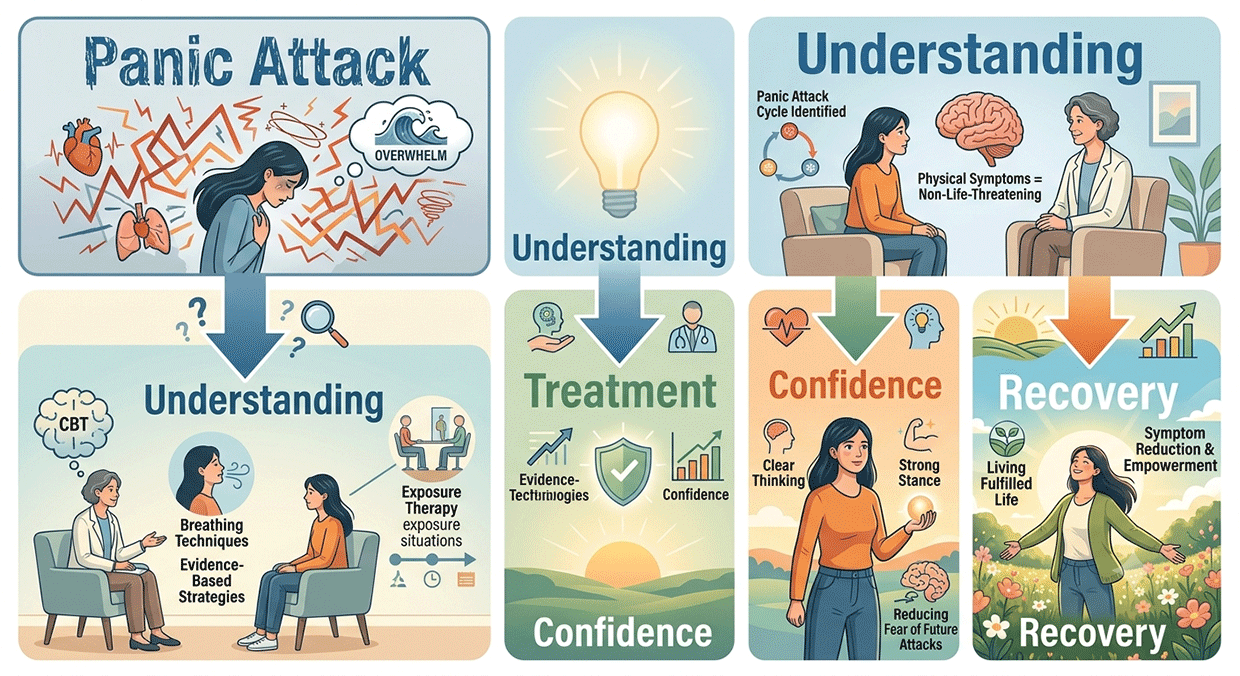
Cognitive Behavioural Therapy for Panic Disorder
Cognitive Behavioral Therapy (CBT) is considered one of the best treatments in psychology for Panic Disorders. CBT is an approach that helps individuals understand their panic attacks, challenge catastrophic thinking, reduce fear of physiological sensations, and ultimately face the things they have been avoiding.
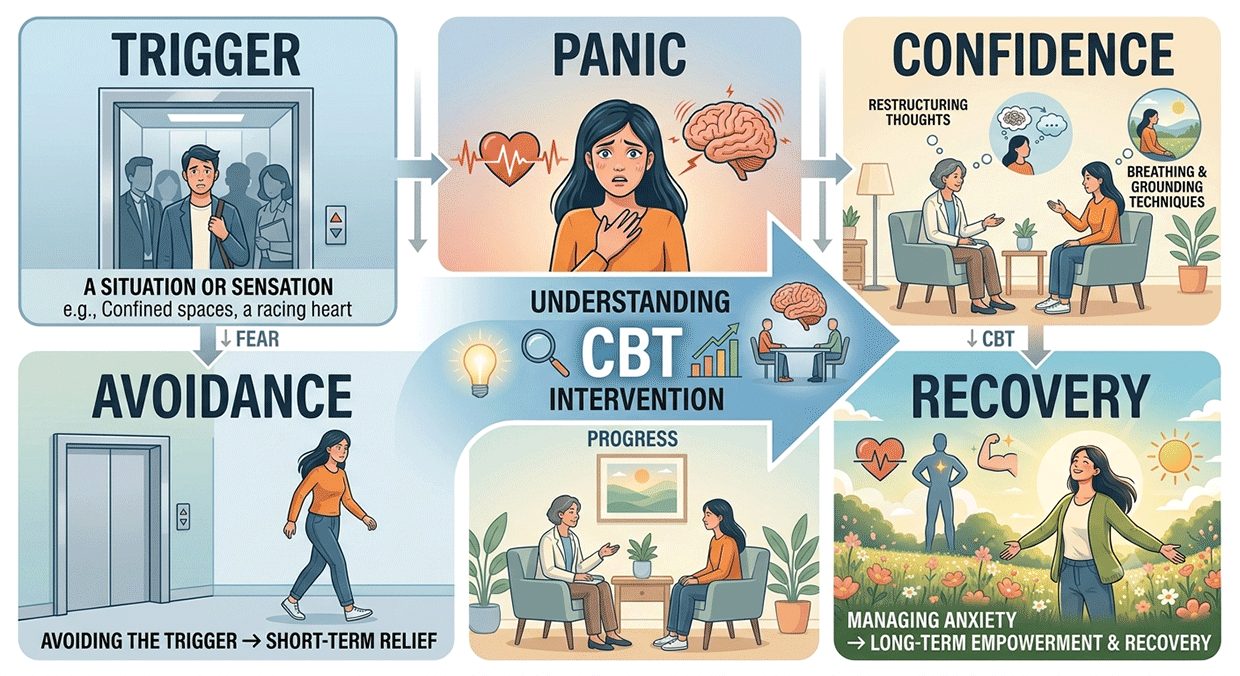
Many people with Panic Disorder become trapped in a cycle.
The benign physical symptom is misinterpreted as a dangerous symptom, as illustrated by the following example:
- "My heart is racing."
- "I'm having a heart attack."
- Fear increases.
- Heart rate rises further.
- The panic attack becomes more intense.
- CBT helps interrupt this cycle.
CBT Helps People Learn To
- Understand the panic cycle
- Identify catastrophic thoughts
- Challenge unhelpful beliefs
- Reduce fear of bodily sensations
- Manage anticipatory anxiety
- Return gradually to avoided activities
- Build confidence
Exposure-Based CBT
Avoidance strengthens Panic Disorder.
For example:
A person suffers from panic attacks while shopping.
- The person stops visiting shopping malls.
- Confidence decreases.
- Fear grows stronger.
CBT Components
| CBT Strategy | Purpose |
|---|---|
| Psychoeducation | Understand panic attacks |
| Cognitive Restructuring | Reduce catastrophic thinking |
| Exposure Exercises | Reduce avoidance |
| Behavioural Experiments | Build confidence |
| Relapse Prevention | Maintain improvement |
Clinical Pearl
CBT teaches lasting skills that continue helping patients long after therapy has ended.
Medications for Panic Disorder
For individuals with moderate to severe Panic Disorder, or those whose panic attacks affect their life activities, medication can be suggested. Antidepressant drugs are generally prescribed for the maintenance treatment of the condition, although other medications can be used in certain circumstances. Treatment decisions should always be individualised and supervised by a qualified psychiatrist.
- Frequency of panic attacks
- Severity of panic attacks
- Anticipatory anxiety
- Avoidance behaviours
- General anxiety
Antidepressant Medications
Several types of antidepressant drugs are available which work effectively against panic disorder.
- Reduced panic attacks
- Less anticipatory anxiety
- Better emotional regulation
- Enhanced quality of life
Short-Term Anti-Anxiety Medications
Some anti-anxiety medications could be prescribed by physicians for temporary use in particular situations.
These medications may result in dependence when not used properly; hence, their use should only be based on physician’s instructions.
They are not normally regarded as a first-line long-term therapy for Panic Disorder.
Medication Overview
| Medication Type | General Purpose |
|---|---|
| Antidepressants | Long-term reduction of panic attacks |
| Short-term Anti-Anxiety Medicines | Temporary symptom relief in selected patients |
Clinical Pearl
Medication alleviates panic attacks, yet sustained recovery is dependent on the use of a combination of medication, education, behavioral techniques, and psychological treatment.
“Patient Takeaway
Medicines help control the fear circuits in the brain while CBT teaches patients long-term coping techniques for panic disorders.”
Lifestyle Changes That Support Recovery
Proper sleeping, exercising, managing stress, minimizing caffeine consumption, staying away from recreational drugs, and maintaining proper daily activities could prove effective in overcoming Panic Disorder. Even though changes in lifestyle alone do not provide a cure, it can be useful along with treatment.
Sleep
Poor sleep increases:
- Anxiety
- Emotional reactivity
- Physical tension
- Fatigue
Physical Activity
Regular exercise may help:
- Improve mood
- Reduce stress
- Improve sleep
- Increase confidence
- Support emotional resilience
Caffeine
Excessive amounts of caffeine can induce symptoms that resemble those of a panic attack such as:
- Racing heart
- Trembling
- Restlessness
Alcohol and Recreational Drugs
The consumption of alcohol and other recreational drugs can alleviate anxiety for a short while but eventually intensify the problem.
Lifestyle Recommendations
| Strategy | Benefit |
|---|---|
| Good Sleep | Better emotional regulation |
| Exercise | Improved resilience |
| Balanced Nutrition | Stable energy |
| Reduce Excess Caffeine | Fewer physical anxiety symptoms |
| Stress Management | Reduced overall anxiety |
Clinical Pearl
Healthy habits improve the body's resilience but are most effective when combined with evidence-based psychological and medical treatment.
Panic Disorder with Agoraphobia
Some people who have Panic Disorder develop agoraphobia, a situation whereby such persons become afraid of being somewhere from which they can’t easily escape or get help during an attack. The treatment of agoraphobia includes the use of CBT and psychotherapy among others.
- Shopping malls
- Public transport
- Driving
- Crowded places
- Elevators
- Cinema halls
- Standing in queues
- Travelling alone
Breaking the Avoidance Cycle
The treatment process involves helping patients:
- Understand avoidance
- Gradually return to feared situations
- Build confidence
- Reduce dependence on "safe people"
- Resume everyday activities
Avoidance Cycle
| Avoidance Cycle |
|---|
| Trigger |
| ↓ |
| Panic Attack |
| ↓ Avoidance |
| ↓ |
| Temporary Relief |
| ↓ |
| Fear Increases |
| ↓ |
| More Avoidance |
| ↓ |
| Reduced Freedom |
Clinical Pearl
Avoidance gives immediate relief but reinforces Panic Disorder over time. Exposure therapy will enable the reconditioning of the brain that fear-provoking situations are safe.
What Can You Do During a Panic Attack?
Although they might be very frightening, panic attacks usually settle down within minutes. One can overcome the fear by recognizing that the symptoms will pass, focusing on breathing deeply but slowly, being focused on what is happening at the very moment, and recognizing that the panic attack is temporary. In case if you feel unfamiliar symptoms, it is very important to see a doctor.
- To remind oneself that attacks are short-lived.
- To remain in a safe environment without running away from the situation.
- To direct one’s attention to their immediate environment using grounding exercises.
- To breathe slowly and comfortably without making their breaths too deep.
- To let the symptoms pass instead of struggling against them.
Grounding Exercise
Grounding is commonly done through a procedure called the 5-4-3-2-1 technique where you:
- 5 things you can see
- 4 things you can touch
- 3 things you can hear
- 2 things you can smell
- 1 thing you can taste
“Patient Takeaway
Fear is common during panic attacks, but the fear is temporary, and by learning how to manage it, you will be able to conquer your fears and avoid future panic attacks..”
Panic Attacks Can Be Managed
If the panic attack is making you afraid to drive, travel, shop, work, or socialize, seeking professional help can make all the difference. We at Headspace Mind Clinic can provide you with a thorough psychiatric assessment, guidance in CBT, medication therapy if required, and tailor-made therapy for your panic disorder treatment.
Can Panic Disorder Be Cured?
Panic Disorder is one of the most curable anxiety disorders. There are numerous individuals who have fully recovered or made considerable progress when it comes to treating this disorder by employing approaches such as Cognitive Behavioral Therapy (CBT), medication if needed, exposure, and self-management.
“Will I have panic attacks forever?”
The positive news is that for most people, the answer is “no,” because although Panic Disorder can indeed be a chronic condition without treatment, it is also highly responsive to treatment. Many people:- Stop having panic attacks completely.
- Return to work or studies.
- Begin driving again.
- Resume travelling.
- Enjoy social activities.
- Exercise without fear.
- Regain confidence in their bodies.
Factors That Help with Recovery
Better results can be achieved through:
- Seek treatment early
- Complete CBT
- Taking prescribed medication (where appropriate)
- Supporting a healthy lifestyle
- Having follow-ups
- Practise coping strategies
- Gradually face avoided situations
Recovery Timeline
| Stage | Typical Focus |
|---|---|
| Early Recovery | Understanding panic attacks |
| Middle Recovery | Reduced frequency and severity |
| Advanced Recovery | Return to avoided situations. |
| Long-Term Recovery | Confidence and relapse prevention |
Clinical Pearl
The purpose is not to eliminate every single trace of anxiety but to strip away the fear of experiencing anxiety. When the fear of panic subsides, the panic usually subsides as well.
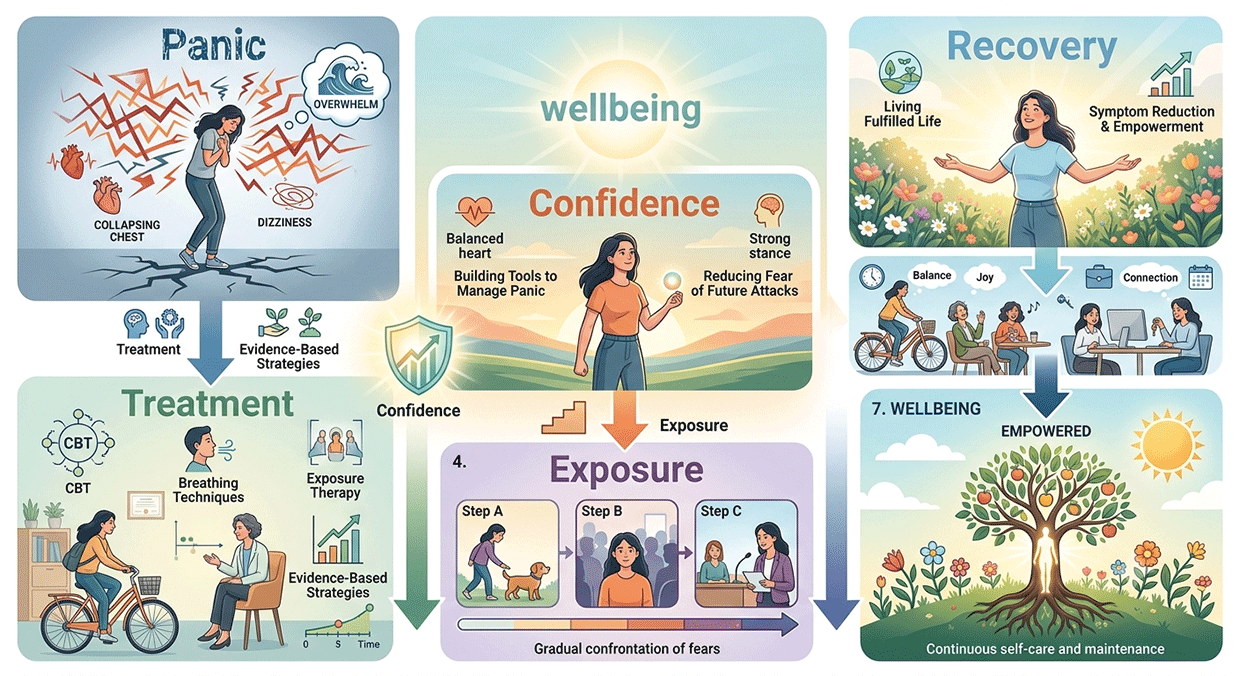
Preventing Future Panic Attacks
Prevention of relapse is through continued use of positive coping techniques, identification of early warning signs, continued treatment as required, stress management, and seeking professional help immediately if symptoms start to return.
Recovery from panic disorder is a process rather than an outcome.
Symptoms may recur during stress periods even after improvement, which does not automatically point to treatment failure.
There is much gain in the ability of many people to identify early warning signs and apply techniques learned in therapy.
Early Warning Signs
Examples include:
- Increasing health worries
- Avoiding places again
- Frequently checking heart rate
- Fear of exercising
- Excessive reassurance seeking
- Sleep disturbance
- Persistent worry about another panic attack
Long-Term Strategies
Helpful habits include:
- Continuing CBT techniques
- Maintaining regular sleep
- Regular physical activity
- Managing stress
- Limiting excessive caffeine
- Attending follow-up appointments
- Returning to therapy if symptoms recur
Relapse Prevention Checklist
| Strategy | Why It Helps |
|---|---|
| Continue CBT skills | Prevent fear from returning. |
| Maintain routines | Improve emotional regulation |
| Stay physically active | Reduce stress sensitivity |
| Avoid unnecessary avoidance | Maintain confidence |
| Seek help early | Prevent worsening symptoms |
Clinical Pearl
Relapse does not include a temporary increase in anxiety. The use of coping techniques at an early stage prevents the symptoms from becoming Panic Disorder once again.
Panic Disorder and Other Mental Health Conditions
It is common for panic disorder to accompany other mental health conditions like generalized anxiety disorder (GAD), depression, social anxiety disorder, obsessive-compulsive disorder (OCD), and post-traumatic stress disorder (PTSD). The treatment of all other accompanying disorders together with panic disorder leads to an improved prognosis.
- Constant worrying
- Depression
- Health anxiety
- Obsessive thoughts
- Social anxiety
- Trauma-related symptoms
Common Co-existing Conditions
| Condition | Relationship with Panic Disorder |
|---|---|
| Generalized Anxiety Disorder | Frequently occurs together |
| Depression | Common after prolonged panic symptoms |
| Social Anxiety Disorder | May increase avoidance |
| OCD | Some symptoms overlap |
| PTSD | Panic attacks may occur following trauma. |
| Health Anxiety | Fear of serious illness may trigger panic. |
Clinical Pearl
Dealing with both co-morbid disorders along with Panic Disorder results in quicker and more sustainable recovery when compared to treating only panic attacks.
When Should You Consult a Psychiatrist?
If you experience repeated panic attacks, fear of having panic attacks in the future, avoidance of places where such attacks could happen, or anxiety that interferes with your job, education, social relations, or everyday activities, you should consult a medical professional.
Professional Help Is Recommended For
- Repeated panic attacks
- Fear of recurrence affects your daily routine.
- Avoidance of driving, shopping, traveling, or exercise.
- Interference of anxiety with work or study.
- Consecutive emergency medical evaluations do not reveal any pathology, but the symptoms persist.
- Depression develops
- Sleep becomes significantly disturbed.
- Use of alcohol or any substances for coping with anxiety
Why Choose Headspace Mind Clinic for Panic Disorder Treatment in Delhi?
The Headspace Mind Clinic provides an extensive assessment and treatment for panic disorder, which is based on scientific research and customized for each patient, and could include Cognitive Behavioral Therapy, medication, psychoeducation, exposure therapy, and relapse prevention. We strive to give power back to people and allow them to complete daily tasks fearlessly.
Our Approach
- Comprehensive Psychiatric Assessment
- Consultant Psychiatrist
- Evidence-Based Diagnosis
- Individualised Treatment Plans
- CBT-Based Psychological Support
- Medication Management
- Relapse Prevention Planning
- Confidential Follow-up Care
Services Offered
| Service | Available |
|---|---|
| Panic Disorder Assessment | ✓ |
| Psychiatric Consultation | ✓ |
| Medication Management | ✓ |
| Clinical Psychology | ✓ |
| CBT Support | ✓ |
| Long-Term Follow-up | ✓ |
Let Panic Not Rule Your Life
Panic Disorder is scary – but also very treatable.
If you’ve let panic take away your ability to travel, drive, work, exercise, shop, or enjoy yourself, then it might be time to seek professional help in order to gain back control and freedom.
The Headspace Mind Clinic offers expert assessment and personalized treatments for a safe and effective recovery.
Phone:
Website:
Frequently Asked Questions (FAQ)
Panic Disorder is a real medical condition that can seriously impact one’s quality of life. Despite being frightening, it is not physically dangerous most of the time. Appropriate treatment can result in significant improvement.
Medically Reviewed By
Dr. Deepak Verma
Consultant Psychiatrist & Neuropsychiatrist, Founder & Medical Director, Headspace Mind Clinic
ABOUT THE MEDICAL REVIEWER
PUBLICATION INFORMATION
| Item | Details |
|---|---|
| Author | Headspace Mind Clinic Editorial Team |
| Medical Reviewer | Dr. Deepak Verma |
| Last Medical Review | July 2026 |
| Next Scheduled Review | January 2027 |
| Content Version | 1.0 |
| Content Type | Evidence-Based Patient Education |
EDITORIAL POLICY
- Based on current scientific evidence and recognised clinical guidelines.
- Medically reviewed by a qualified psychiatrist.
- Written using clear, compassionate, and stigma-free language.
- Updated periodically as new evidence emerges.
- Intended for educational purposes and not as a substitute for personalised medical advice.
REFERENCES
- National Institute for Health and Care Excellence (NICE) – Anxiety Disorders
- American Psychiatric Association (APA) Practice Guidelines
- Indian Psychiatric Society (IPS) Clinical Practice Guidelines
- World Health Organization (WHO) Mental Health Resources
- National Institute of Mental Health (NIMH)
- PubMed-indexed systematic reviews on Panic Disorder and Anxiety Disorders