
Knowledge Centre › Anxiety and panic
Anxiety, explained simply
A short guide for patients and families. About 5 minutes to read.
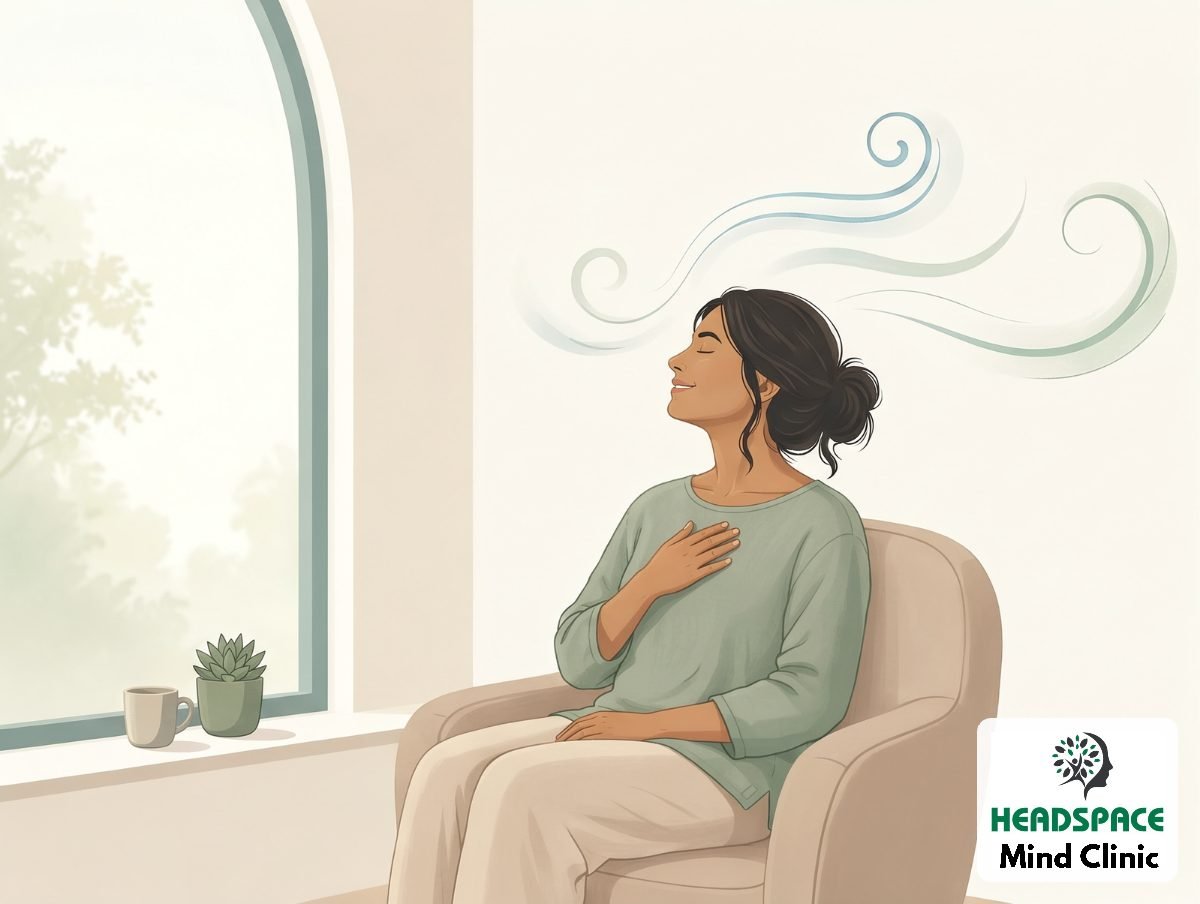
Everyone feels worried or nervous at times: before an exam, an interview, or when a family member is unwell. That is normal, and it passes.
Anxiety becomes a problem when the worry is too strong for the situation, stays for weeks, or starts to stop you from doing everyday things. It is one of the most common mental health problems, and it is treatable.
What it is
Worry that is too strong, lasts for weeks and gets in the way
Common signs
Overthinking, fast heartbeat, poor sleep
Treatable
Most people improve with therapy, medicine or both
See someone if
It lasts more than a few weeks or affects daily life
Everyday worry or anxiety?
| Everyday worry | Anxiety that needs help | |
|---|---|---|
| Trigger | A real event: an exam, an interview | Often no clear reason, or far too strong |
| How long | Passes when the event is over | Most days, for weeks or months |
| Body | Mild butterflies | Palpitations, breathlessness, poor sleep |
| Daily life | You carry on as usual | You avoid things; work or studies suffer |
What anxiety can feel like
In the mind
- Worrying most of the day, often about many different things
- Overthinking, and finding it hard to switch the thoughts off
- A feeling that something bad is about to happen
- Feeling restless, on edge or easily irritated
- Trouble concentrating
In the body
- Fast or pounding heartbeat, tightness in the chest
- Feeling short of breath
- Sweating, trembling, dry mouth
- Stomach upset, gas, loose motions or needing to pass urine often
- Headaches and tense, aching muscles
- Difficulty falling asleep, or waking up tired
Many people first see a physician for chest pain, gas or a fast heartbeat. When the tests come back normal, anxiety is often the reason.
Panic attacks
A panic attack is a sudden wave of intense fear. The heart pounds, breathing feels hard, and many people feel they are dying, fainting or losing control. It usually peaks within 10 to 15 minutes and then settles.
Panic attacks are frightening but are not dangerous in themselves. Still, new chest pain should always be checked by a doctor first. Read: Anxiety chest pain or heart attack?
A panic attack rises, peaks and settles
Frightening, but not dangerous in itself. New chest pain should always be checked by a doctor first.
Common types of anxiety
- Generalised anxiety: worrying about many everyday things, most days, for months.
- Panic disorder: repeated panic attacks, and fear of the next one.
- Social anxiety: strong fear of being judged or embarrassed in front of others.
- Phobias: intense fear of one thing, such as heights, travel or injections.
- Health anxiety: constant worry about having a serious illness, despite normal tests.
Only a proper assessment can say which one, if any, fits you.
Why does it happen?
There is usually no single cause. It is often a mix of:
- Anxiety in the family
- Long-term stress at work, at home or with money
- A difficult life event, such as a loss, an illness or an accident
- Physical causes, such as a thyroid problem
- Too much tea, coffee or energy drinks; stopping alcohol suddenly; some medicines
Anxiety is not a sign of weakness, and it is not “all in your head”. The body really does react this way.
When to see someone
It is a good idea to talk to a psychiatrist or psychologist if:
- The worry or physical symptoms have lasted more than a few weeks
- It is affecting your work, studies, sleep or relationships
- You avoid places, people or travel because of it
- You have had a panic attack, especially more than one
- You use alcohol, sleeping pills or other drugs to calm down
- You also feel low, hopeless or have lost interest in things
When to get help
Try self-care
Worry comes and goes with events; sleep and work are fine
Book an appointment
Lasting more than a few weeks, panic attacks, avoiding things, or using alcohol or pills to cope
Get help today
Thoughts of self-harm or suicide: call 112 or Tele-MANAS 14416
Getting better
Most people with anxiety improve with the right help. Treatment is planned for each person and may include:
- Talking therapy with a psychologist, such as CBT, which teaches practical ways to handle worry and panic
- Medicines, when needed, prescribed and reviewed by the psychiatrist
- Changes in daily routine: sleep, activity, and cutting down caffeine
You can read more on our anxiety treatment page and in Medicines: common questions.
Things you can try today
- Slow breathing: breathe in for 4 counts, out for 6, for 3 to 5 minutes
- Cut down tea, coffee and energy drinks, especially after lunch
- Keep fixed sleeping and waking times
- A daily walk or other physical activity
- Talk to someone you trust about what is worrying you
- Avoid alcohol to calm your nerves; it makes anxiety worse afterwards
These help many people, but they do not replace treatment if symptoms are strong or lasting.
Try this: slow breathing
- Sit comfortably, shoulders relaxed
- Breathe in through the nose for 4 counts
- Breathe out slowly for 6 counts
- Repeat for 3 to 5 minutes
Your first visit
What happens when you come to us
20–30 min, sometimes longer
Symptoms, health, tests if needed
Therapy, medicines or both
Check progress, adjust the plan
The first consultation usually takes 20 to 30 minutes, sometimes longer. The doctor or psychologist will ask about your symptoms, health, sleep, family and daily life, and may suggest some tests. Sometimes a clear diagnosis needs more than one visit. Read: Your first visit: what to expect
We have outpatient (OPD) clinics in Paschim Vihar, Rohini and Narela. Our psychologists also see clients online.
Read more
- घबराहट क्यों होती है? (Hindi)
- Panic attacks · Excessive worry · Overthinking
- Depression and anxiety self-check
- Back to the Knowledge Centre
Reviewed by Dr. Deepak Verma, Consultant Psychiatrist (MBBS, MD Psychiatry), Surmeet Kaur, Clinical Psychologist, and Diksha Chaudhary, Counselling Psychologist. Last reviewed: 25 November 2026.