
Knowledge Centre › Sleep problems
Sleep problems, explained simply
A short guide for patients and families. About 5 minutes to read.
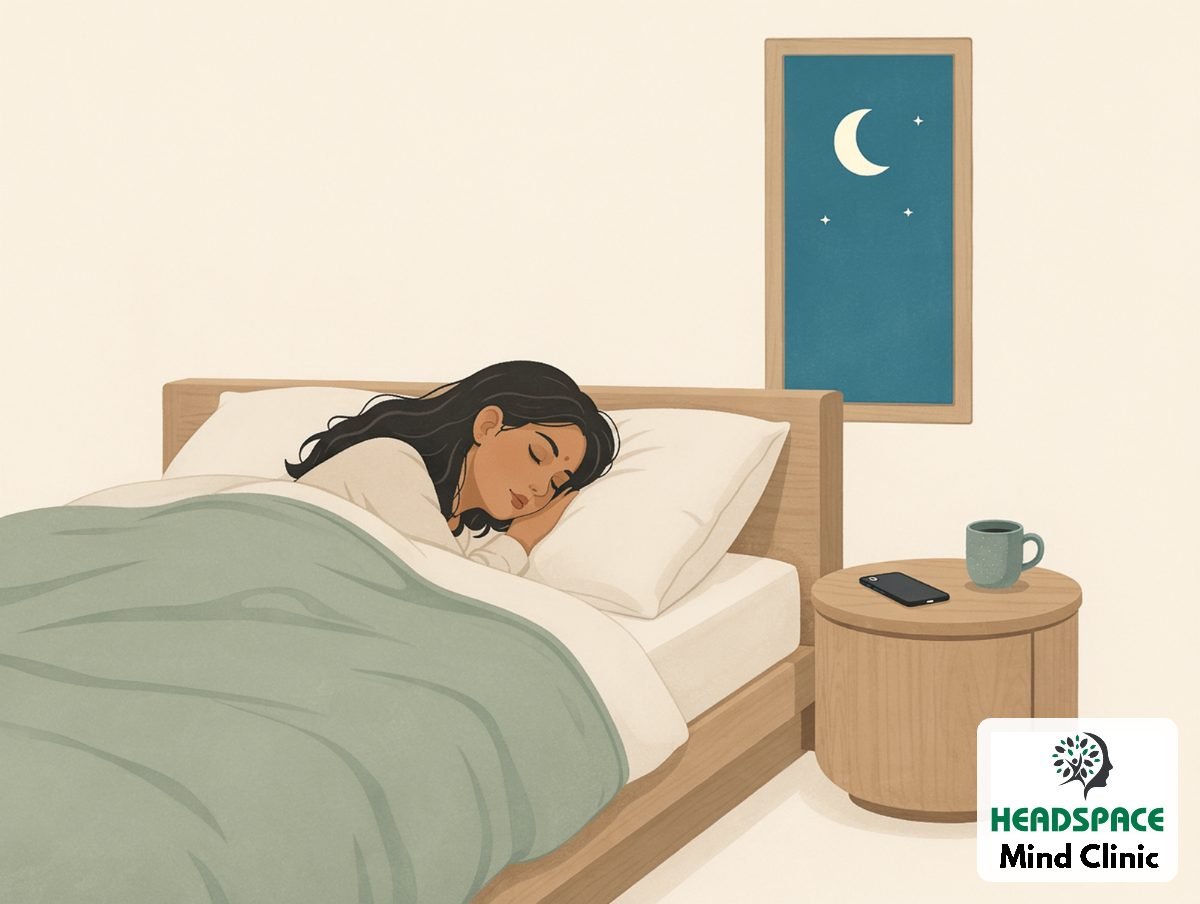
Almost everyone has a bad night now and then, before an exam, after a late meal, or during a stressful week. That is normal.
A sleep problem needs attention when it happens at least three nights a week for several weeks, or when it leaves you tired, irritable or unable to function during the day. Poor sleep is very common, and it is often linked to anxiety, depression or another health problem that can be treated.
What it is
Poor sleep 3 or more nights a week, for several weeks
Why it matters
Tiredness, low mood, poor focus, more accidents
Treatable
Often linked to anxiety or depression, which can be treated
See someone if
It lasts 3–4 weeks or you rely on sleeping pills
Common sleep problems
- Insomnia: difficulty falling asleep, waking up many times, or waking too early and not getting back to sleep
- Sleeping too much: sleeping long hours and still feeling tired; this can be a sign of depression
- Disturbed sleep pattern: sleeping very late and waking late, often with screens, night shifts or irregular routines
- Snoring with pauses in breathing: loud snoring, choking at night and daytime sleepiness can mean sleep apnoea, which needs a medical check
- Restless legs: an uncomfortable urge to move the legs in the evening or at night
What poor sleep can do
- Tiredness, low energy and sleepiness during the day
- Poor concentration and memory
- Irritability, low mood or anxiety
- Headaches and body aches
- Higher risk of accidents, especially while driving
Why does it happen?
- Stress, worry and overthinking at bedtime
- Anxiety and depression (poor sleep is often an early sign)
- Tea, coffee, energy drinks or smoking, especially in the evening
- Alcohol: it may make you sleepy at first but breaks sleep later in the night
- Mobile phones and screens late at night
- Pain, breathing problems, frequent urination, thyroid problems or some medicines
- Irregular routines, shift work or long daytime naps
Habits that help and habits that hurt
| Helps sleep | Hurts sleep | |
|---|---|---|
| Timing | Same waking time every day | Sleeping late on weekends |
| Drinks | Tea and coffee only in the morning | Tea, coffee or energy drinks after 2 pm; alcohol at night |
| Screens | Phone away 30–60 minutes before bed | Scrolling in bed |
| Daytime | Daylight and some activity | Long naps |
When to see someone
- Sleep problems have lasted more than three or four weeks
- You feel tired or unable to work properly during the day
- You also feel low, anxious or irritable
- You have been taking sleeping pills regularly, or need more of them to sleep
- Someone has noticed loud snoring with pauses in your breathing
When to get help
Try self-care
An occasional bad night before an exam or a stressful day
Book an appointment
Poor sleep for 3–4 weeks, daytime tiredness, low mood, or needing sleeping pills regularly
Get help today
Loud snoring with pauses in breathing and sleepiness while driving: see a doctor soon. Thoughts of self-harm: call 112 or Tele-MANAS 14416
Getting better
Treatment depends on the cause. The psychiatrist will look for an underlying problem such as anxiety or depression and treat that. Options may include:
- Sleep habits and routine (sometimes called sleep hygiene)
- CBT for insomnia, a structured talking therapy that is very effective for long-term sleep problems
- Medicines for a short time, when needed, prescribed and reviewed by the psychiatrist
- Referral for a sleep study or another doctor if a physical cause is suspected
Sleeping pills taken for a long time without review can lead to dependence. Please do not start, increase or stop them on your own. You can read more on our insomnia treatment page and in Medicines: common questions.
Things you can try tonight
- Wake up at the same time every day, including Sundays
- Keep tea and coffee to the morning; avoid them after 2 pm
- Put the phone away 30 to 60 minutes before bed
- Keep the bedroom dark, quiet and cool
- If you cannot sleep for about 20 minutes, get up, do something calm in dim light, and return when sleepy
- Avoid long naps during the day
- Don’t use alcohol to help you sleep
A simple routine for better sleep
Every day, including Sundays
Dim lights, phone away
Up after 20 minutes awake
The body clock resets
The first visit
What happens when you come to us
20–30 min, sometimes longer
Symptoms, health, tests if needed
Therapy, medicines or both
Check progress, adjust the plan
The first consultation usually takes 20 to 30 minutes, sometimes longer. The doctor or psychologist will ask about the symptoms, health, sleep, family and daily life, and may suggest some tests. Sometimes a clear diagnosis needs more than one visit. Bringing a family member and any old prescriptions or reports helps. Read: Your first visit: what to expect
We have outpatient (OPD) clinics in Paschim Vihar, Rohini and Narela. Our psychologists also see clients online.
Read more
Reviewed by Dr. Deepak Verma, Consultant Psychiatrist (MBBS, MD Psychiatry). Last reviewed: 25 November 2026.