
Knowledge Centre › Alcohol and drugs
Alcohol and drug problems, explained simply
A short guide for patients and families. About 5 minutes to read.
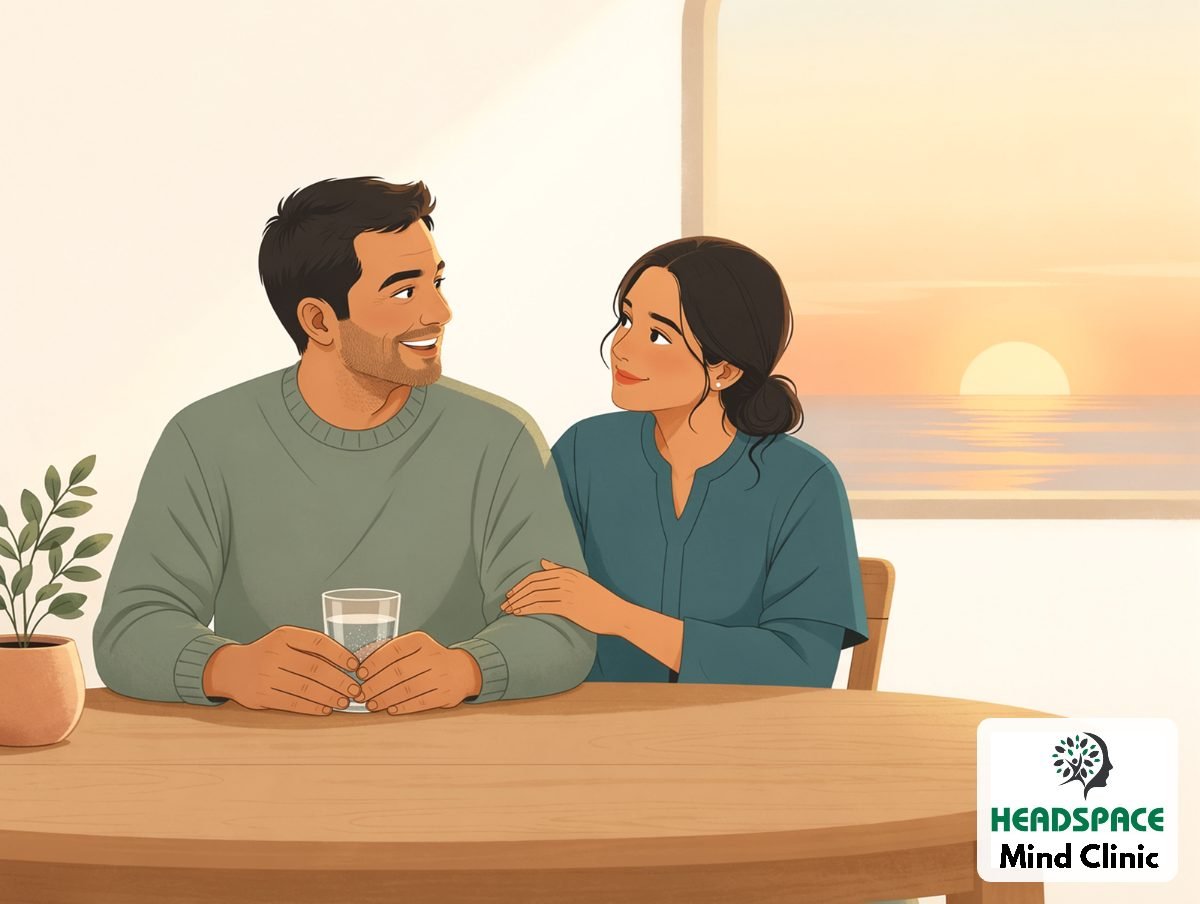
Many people drink or use substances without problems. It becomes a problem when you find it hard to control, keep using despite harm, or feel unwell when you stop.
Addiction (dependence) is a medical condition, not simply a lack of willpower. It affects the brain’s reward and control systems. It can be treated, and many people recover with outpatient care.
What it is
Hard to control use, harm, and feeling unwell when you stop
Safety first
Do not stop heavy daily drinking suddenly on your own
Treatable
Many people recover with outpatient care
Family helps
Recovery is easier with family support
Signs that use has become a problem
- Using more, or for longer, than you planned
- Trying to cut down or stop, and not managing
- Craving, or thinking about it much of the time
- Needing more to get the same effect
- Feeling unwell when you stop: shaking, sweating, restlessness, poor sleep, anxiety
- Problems at work, at home, with money, or with the law because of it
- Giving up other activities, or hiding how much you use
This applies to alcohol, cannabis (ganja, bhang, charas), smack and heroin, sleeping pills or painkillers taken without a prescription, tobacco and other substances.
Why does it happen?
- Addiction in the family
- Starting at a young age
- Stress, anxiety, depression or trauma, where the substance is used to cope
- Friends or surroundings where use is common
- Easy availability
A word of caution about stopping
Do not stop heavy, daily drinking or sleeping pills suddenly on your own. Withdrawal can be dangerous and may cause fits or severe confusion. Please see a doctor first so withdrawal can be planned safely.
Alcohol withdrawal: what to expect
Seizures, severe confusion or seeing things that are not there need a hospital emergency straight away.
When to see someone
- You or your family are worried about your use
- You have tried to stop and could not
- You get withdrawal symptoms in the morning or when you miss a dose
- Use is affecting health, work, money or family
- You also feel low, anxious or have thoughts of harming yourself
When to get help
Try self-care
You drink rarely and can easily stop
Book an appointment
You or your family are worried, you have tried to stop and could not, or you get morning shakes
Get help today
Fits, severe confusion, seeing things, or thoughts of self-harm: go to a hospital emergency or call 112
Getting better
Outpatient treatment, step by step
Substance, amount, health
Medicines if needed, planned visits
Triggers, cravings, relapse prevention
Regular visits; slips are part of recovery
Treatment is planned for each person. At our clinics it is outpatient: you visit for consultations and go home the same day. It may include:
- Assessment of the substance, the amount, physical health and any mental health problems
- Medicines, when needed, prescribed and reviewed by the psychiatrist, to manage withdrawal and reduce craving
- Counselling to understand triggers, handle cravings and prevent relapse
- Family sessions, because recovery is easier with family support
- Regular follow-up; slips can happen and are part of recovery, not a reason to give up
If someone needs admission, for example for severe withdrawal, we will advise and refer them to a suitable hospital. You can read more on our outpatient de-addiction page.
Try this: when a craving comes
- Delay: wait 20 minutes; cravings pass
- Distract: walk, call someone, shower, eat
- Remember: read your reasons for stopping
- Avoid: being hungry, angry, lonely or very tired
For family members
- Talk when the person is sober and calm; avoid shouting or shaming
- Describe what you have seen and how it affects you
- Avoid covering up, giving money for substances, or making excuses
- Offer to go with them to an appointment
- Look after yourself; family counselling can help even if the person is not ready yet
The first visit
The first consultation usually takes 20 to 30 minutes, sometimes longer. The doctor or psychologist will ask about the symptoms, health, sleep, family and daily life, and may suggest some tests. Sometimes a clear diagnosis needs more than one visit. Bringing a family member and any old prescriptions or reports helps. Read: Your first visit: what to expect
We have outpatient (OPD) clinics in Paschim Vihar, Rohini and Narela. Our psychologists also see clients online.
Read more
- Drug abuse vs drug dependence
- Approaches to recovery
- Outpatient de-addiction
- Back to the Knowledge Centre
Reviewed by Dr. Deepak Verma, Consultant Psychiatrist (MBBS, MD Psychiatry). Last reviewed: 25 November 2026.