
Knowledge Centre › Children and teenagers
Children and teenagers: when to get help
A short guide for parents. About 5 minutes to read.
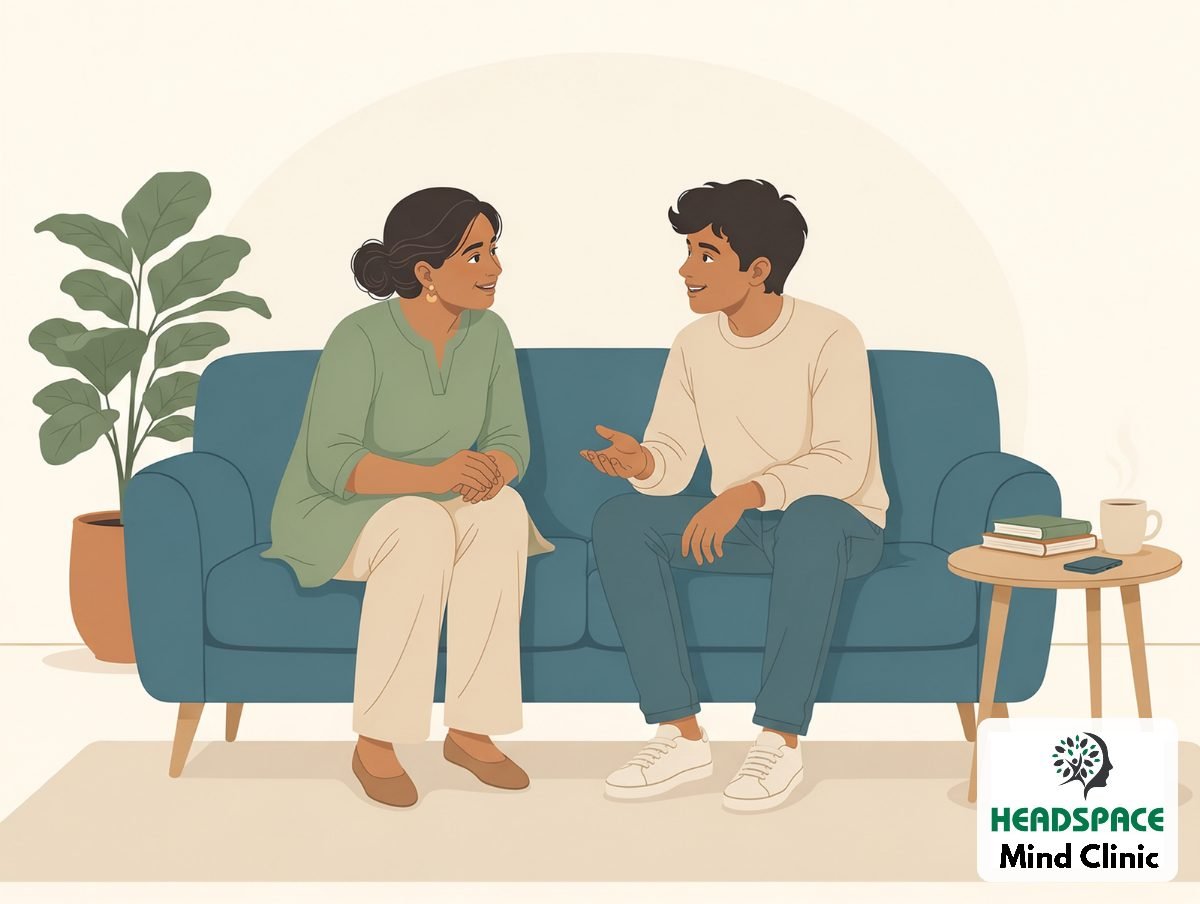
All children have phases of being stubborn, moody, restless or shy. Most of this is a normal part of growing up.
It is worth getting help when a problem is strong, lasts for months, shows up in more than one place (home and school), or is affecting learning, friendships or family life. Early help usually makes a big difference.
When to look closer
Strong, lasting problems seen at home and school
Common concerns
Attention, learning, anxiety, mood, anger, screens
Early help works
Getting help early makes a big difference
Parents are key
Guidance for parents is part of treatment
Common concerns parents bring
- Attention and hyperactivity (ADHD): very restless, impulsive, unable to sit or focus, far more than other children of the same age
- Learning difficulties: trouble with reading, writing or maths despite effort
- Autism: differences in communication, eye contact, play and social interaction, often noticed early
- Anxiety and exam stress: excessive fear, stomach aches before school, panic around exams
- Low mood and withdrawal: sadness, irritability, staying alone, falling grades
- Anger and behaviour problems: frequent tantrums, aggression, defiance
- Screen and phone overuse affecting sleep, studies or mood
Warning signs in teenagers
- Sudden drop in studies or refusing to go to school
- Big changes in sleep, eating or weight
- Pulling away from family and friends
- Using alcohol, cigarettes or other substances
- Self-harm, such as cutting, or talking about death or not wanting to live. Please seek help the same day.
Normal phase or time to get help?
| Usually a normal phase | Worth getting help | |
|---|---|---|
| How long | Days or a few weeks | Several months |
| Where | Only in one place | At home and at school |
| Effect | Learning and friendships are fine | Studies, friendships or family life suffer |
| Intensity | Comes and goes | Strong, frequent or getting worse |
Why does it happen?
Usually a mix of the child’s temperament and development, family history, school and peer pressures, changes at home, and sometimes physical health problems. It is not caused by “bad parenting”, and it is not the child being deliberately difficult.
What an assessment involves
The psychiatrist or psychologist will talk with the parents and the child, and may ask for school reports. Standard tests for attention, learning, development or IQ may be suggested. This helps understand the child’s strengths and needs. Read more about psychological assessments.
What an assessment and plan look like
History, concerns, school reports
Standard tests if needed
Therapy, parent guidance, school support
Review progress together
Getting better
- Therapy and counselling for the child, suited to their age
- Parent guidance on routines, rewards, limits and communication
- Support with school, such as study strategies and, where needed, letters for accommodations
- Medicines for some conditions, such as ADHD, when the psychiatrist advises it, prescribed and reviewed regularly
You can read more on help for children and teenagers and child and adolescent psychiatry.
When to get help
Try self-care
A short phase of moodiness or stubbornness that settles
Book an appointment
Problems lasting months, at home and school, or studies suddenly dropping
Get help today
Self-harm, or talk of death or not wanting to live: get help the same day. Call 112 or Tele-MANAS 14416
Things parents can do now
- Spend a little calm, phone-free time with your child every day
- Keep regular sleep and meal times
- Praise effort and good behaviour more than you criticise
- Set clear, simple rules for screens and stick to them
- Listen without immediately lecturing; ask how they feel
- Talk to the school teacher to understand what they are seeing
The first visit
The first consultation usually takes 20 to 30 minutes, sometimes longer. The doctor or psychologist will ask about the symptoms, health, sleep, family and daily life, and may suggest some tests. Sometimes a clear diagnosis needs more than one visit. Bringing a family member and any old prescriptions or reports helps. Read: Your first visit: what to expect
We have outpatient (OPD) clinics in Paschim Vihar, Rohini and Narela. Our psychologists also see clients online.
Read more
- ADHD: assessment for children and adults
- Exam anxiety in teenagers
- Anger issues · Irritability
- Back to the Knowledge Centre
Reviewed by Dr. Deepak Verma, Consultant Psychiatrist (MBBS, MD Psychiatry). Last reviewed: 25 November 2026.