
Addiction Treatment in Delhi
Trust Signals





Quick Facts
| Quick Fact | Details |
|---|---|
| Condition | Substance Use Disorder (Addiction) |
| Category | Mental Health & Addictive Disorders |
| Common Substances | Alcohol, Nicotine, Cannabis, Opioids, Sedatives, and Stimulants. |
| Treatment | Medication (when appropriate), Psychotherapy, Family Support, and Relapse Prevention. |
| Prognosis | Treatable with comprehensive care. |
| Location | Delhi NCR |
What Is Addiction?
Substance abuse or SUD is a disease that causes a person to have uncontrollable substance usage even though it brings about negative impacts due to changes in their brain's reward, motivation, and self-control. SUD cannot be equated to weakness and poor self-control; it is a health issue that can be treated by proper health and psychological services.

This is untrue.
According to recent scientific researches, SUD is an ailment characterized by numerous complications related to brain functions, behavior, genetics, psychology, and environment. Through the prolonged use of drugs or alcohol, brain responses to such feelings as pleasure, stress, and decisions change over time. When addiction is worsening, a person experiences the following:- Uncontrollable desire to consume.
- Needing to use higher doses to get an effect (tolerance).
- The presence of withdrawal symptoms after stopping the use of a substance.
- Continuing its usage despite problems with health, family, finances, or law.
Addiction is a Medical Disease
Substance Use Disorder is a disease that impacts many aspects of a person’s life, such as:
- Physical health
- Mental health
- Relationships
- Employment
- Academic performance
- Financial stability
- Legal and social functioning
Just like diseases such as diabetes or high blood pressure, addiction is a chronic condition that requires treatment for life.
Addiction Can Be Cured
Recovery is possible.
Through proper treatment, many individuals can:
- Stop using substances
- Return to work or studies
- Rebuild relationships.
- Enhance physical and psychological wellbeing.
- Enhance physical and psychological wellbeing.
- Maintain lifelong recovery.
Addiction vs Occasional Substance Use
| Occasional Use | Addiction (Substance Use Disorder) |
|---|---|
| Able to stop easily | Difficulty controlling use |
| Minimal impact on life | Significant impairment in daily life |
| No withdrawal symptoms | Withdrawal may occur |
| Minimal cravings | Severe cravings |
| No impact on fulfilling responsibilities | Detracts from work, personal life, or physical well-being |
Clinical Pearl
Addiction can be defined by a problematic history of substance use and lack of control—addiction is not measured by frequency of substance use.
“Patient Takeaway
Addiction is an illness—not a moral problem. Receiving help is a courageous choice and the beginning of getting bette.”
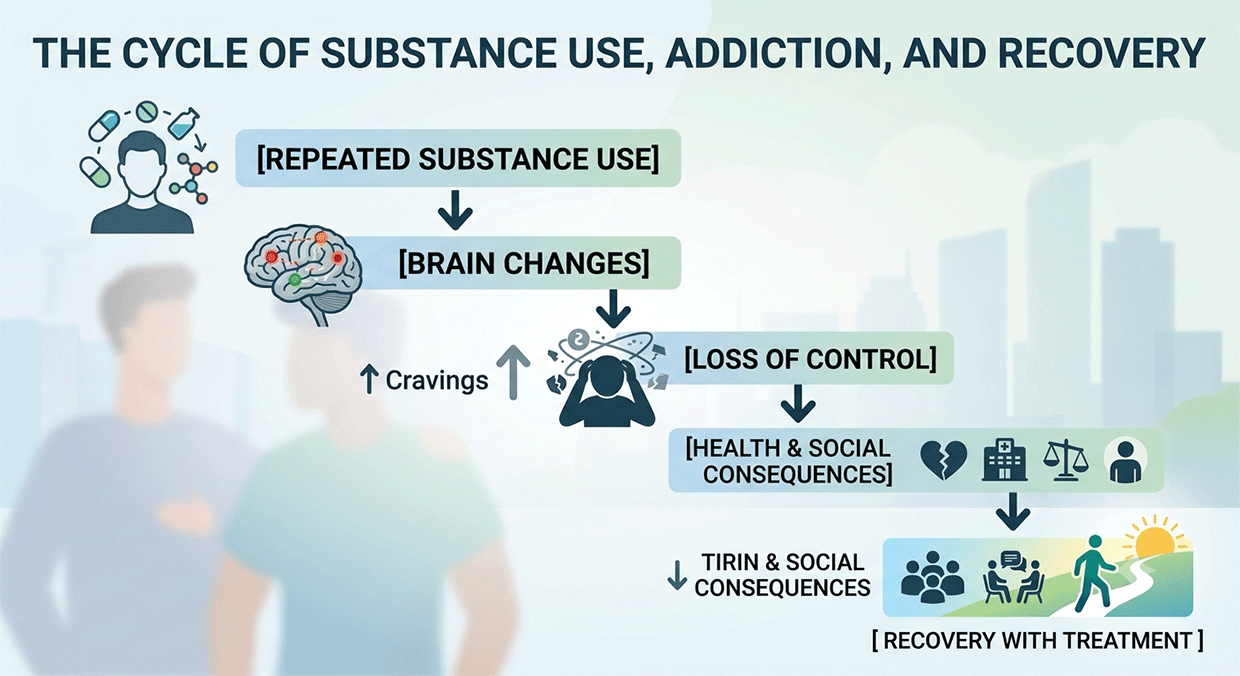
What are the signs and symptoms of Addiction?
Some common indicators of an addiction include: cravings; lack of control over taking the drug; tolerance; withdrawal symptoms; neglecting responsibilities; continuing drug use despite negative consequences; failed attempts to quit; and spending a lot of time acquiring, using, or recovering from the drug.
Behavioural Symptoms
Common behavioural changes include:
- Using larger amounts than intended.
- Repeated unsuccessful attempts to quit.
- Spending excessive time obtaining or using substances.
- Ignoring work, study, or family obligations.
- Loss of interest in hobbies.
- Secretive behaviour.
- Social withdrawal.
- Taking risks when under the influence of the drug.
Physical Signs
Depending on the specific substance being abused, individuals may experience:
- Tolerance
- Withdrawal symptoms
- Sleep disturbances
- Changes in appetite
- Weight changes
- Tremors
- Slurred speech
- Poor coordination
- Frequent illnesses
Emotional and Psychological Symptoms
Addiction may also cause:
- Mood swings
- Anxiety
- Depression
- Irritability
- Poor concentration
- Reduced motivation
- Impulsive behaviour
- Increased stress
Social and Occupational Impact
Addiction is capable of causing diverse impacts on life in general, such as:
- Relationship conflicts
- Financial problems
- Declining work performance
- Academic difficulties
- Legal issues
- Social isolation
Early Warning Signs of Addiction
| Physical | Behavioural | Emotional |
|---|---|---|
| Tolerance | Loss of control | Anxiety |
| Withdrawal | Secretive behaviour | Depression |
| Sleep problems | Neglecting responsibilities | Mood swings |
| Weight changes | Risk-taking | Irritability |
| Frequent illness | Social isolation | Cravings |
When should you be concerned?
One should consult professional help when:
● Substance use is becoming more frequent.
● Attempts to quit have been unsuccessful.
● Cravings interfere with daily life.
● Relationships are affected.
● Work or studies are suffering.
● Withdrawal symptoms occur after stopping.
● Family members express concern.
Seek Emergency Medical Assistance in the Following Situations
● Overdose is suspected.
● The person is unconscious or difficult to wake.
● Seizures occur.
● Severe withdrawal effects from alcohol are experienced (confusion/hallucinations).
● There are suicidal thoughts or behaviour.
● Aggression or violent behaviour creates immediate danger.
In these cases, prompt emergency medical attention is needed.
Clinical Pearl
Many people with addiction continue functioning at work or home during the early stages. High functioning does not rule out a Substance Use Disorder.
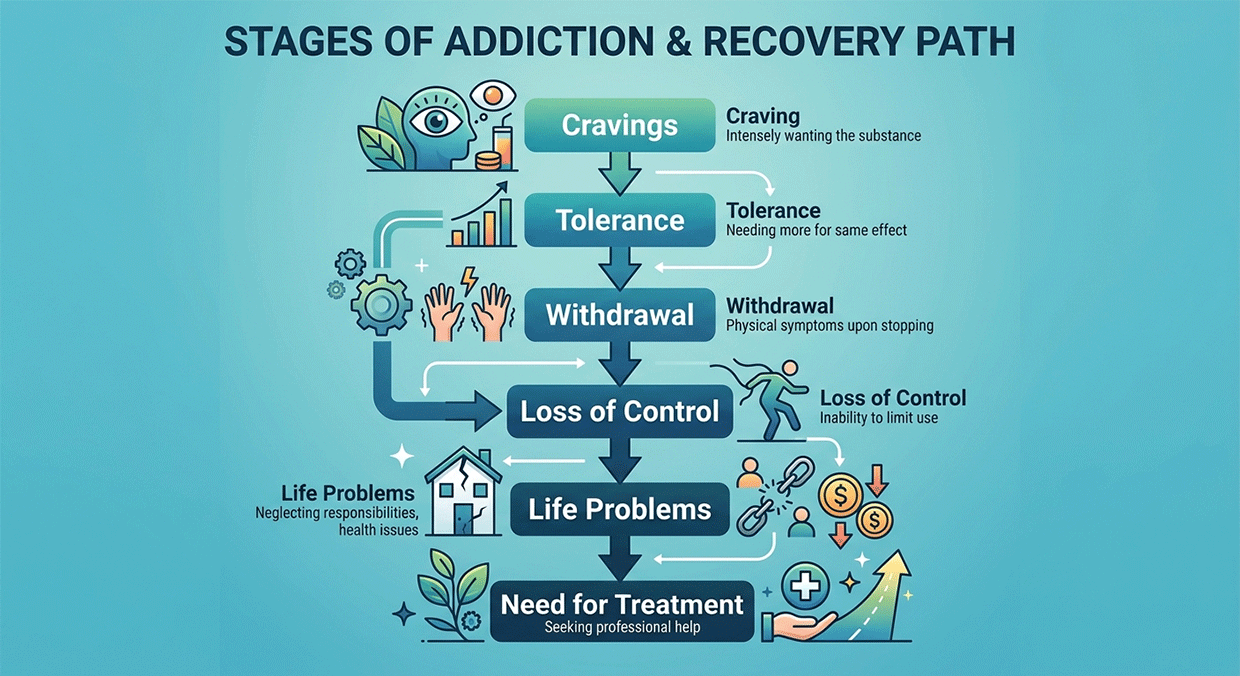
Worried About Addiction?
Whether you or someone close to you has an addiction to alcohol, drugs, nicotine, prescribed medication or any other addiction for that matter, it will increase your chances of succeeding with the treatment.
Here at Headspace Mind Clinic, we offer confidential assessment, proven therapy, proper medication treatment, psychotherapy, relapse prevention counseling, and even family therapy.What causes Addiction?
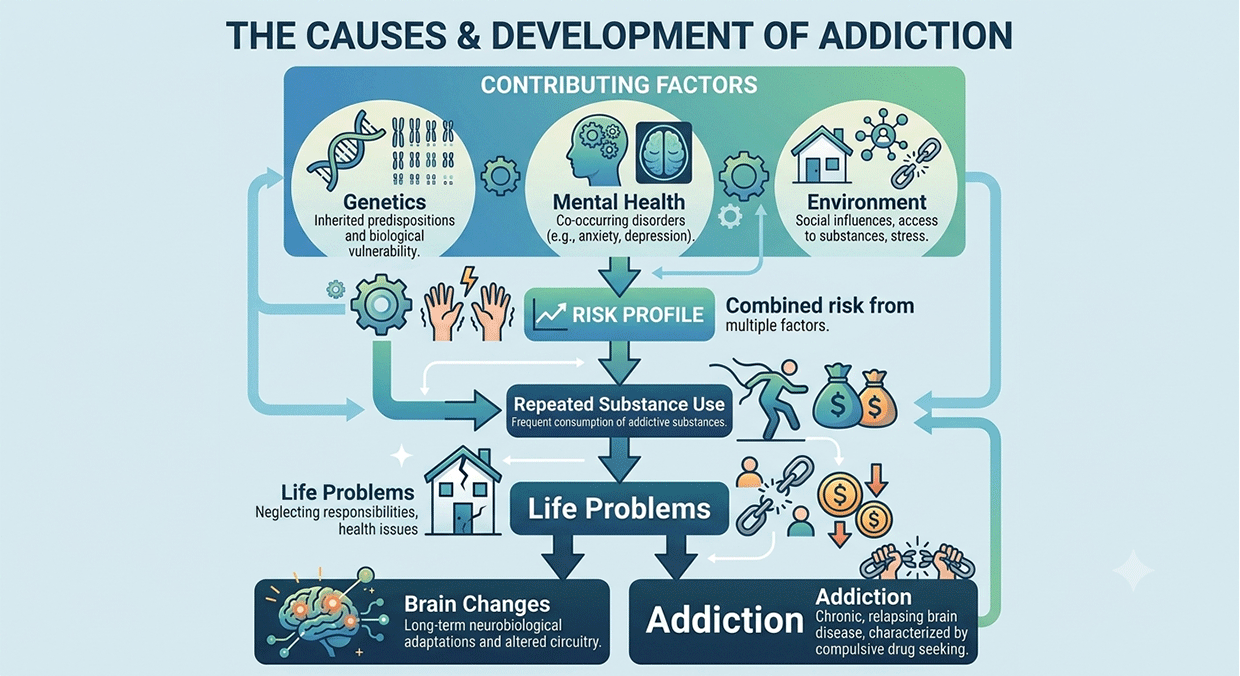
Addiction arises as a result of the interplay of biological, psychological, social and environmental factors. These include genetics, substance use over time, mental health problems, childhood trauma, stress, peer pressure and changes in the way the brain’s reward system functions.
- Genetic vulnerability
- Age of first substance use
- Mental health
- Family environment
- Stress and trauma
- Type of substance
- Frequency of use
Addiction Is a Biopsychosocial Disorder
Modern medicine diagnoses addiction using the biopsychosocial approach.
This allows for a reduction in stigma and effective treatment:
Biological Factors
- Genetics
- Brain chemistry
- Family history
- Age
Psychological Factors
- Depression
- Anxiety
- ADHD
- PTSD
- Poor coping skills
- Impulsivity
Social Factors
- Peer pressure
- Family environment
- Easy access to substances
- Workplace stress
- Financial problems
- Social isolation
Causes of Addiction
| Biological | Psychological | Social |
|---|---|---|
| Genetics | Depression | Peer pressure |
| Brain reward changes | Anxiety | Family conflict |
| Age | ADHD | Easy availability |
| Family history | Trauma | Stressful environment |
Clinical Pearl
The development of addiction rarely happens as a result of one incident. In most cases, there are different factors that come into play.
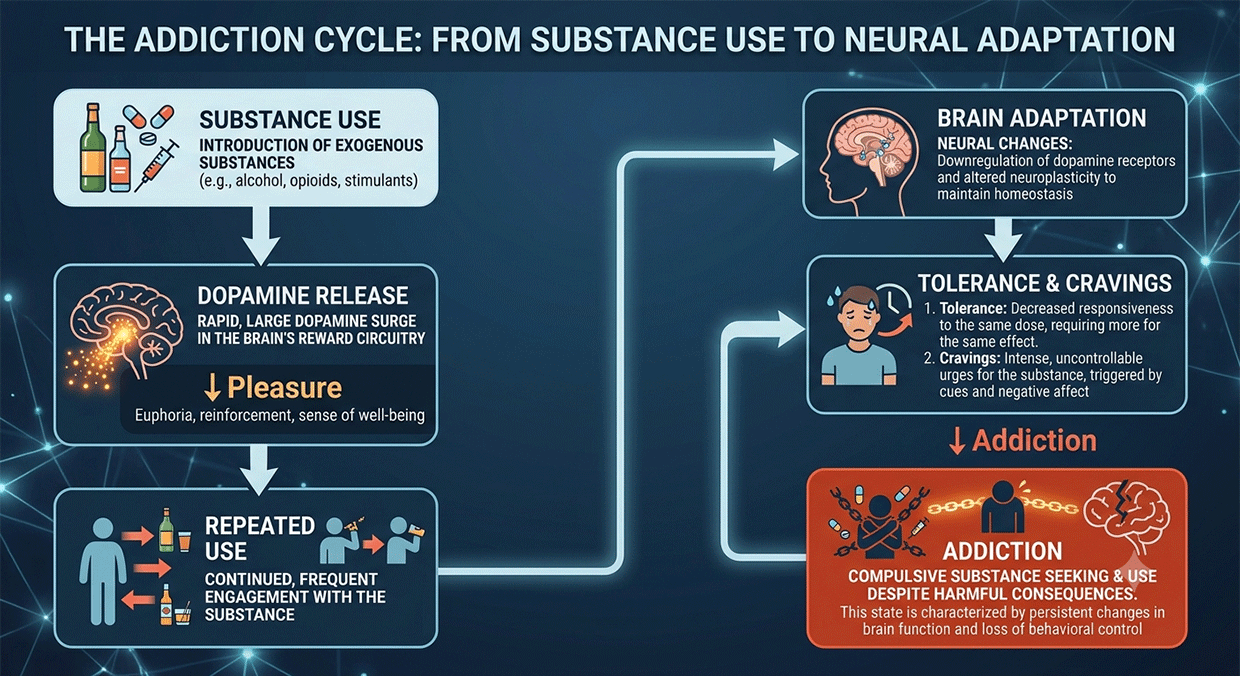
How does Addiction affect the Brain?
The addiction process affects the brain’s reward system through stimulation of the dopamine system in charge of pleasure, motivation, and learning. It results in lack of self-control and craving, thereby making the individual unable to stop using drugs despite the adverse health effects.
- Eating
- Social interaction
- Physical activity
- Achieving goals
The Reward Pathway
Repeated substance use activates areas involved in:
- Reward
- Motivation
- Memory
- Decision-making
- Habit
- formation. Over time:
- Cravings become stronger.
- Natural rewards become less enjoyable.
- More substance is needed to achieve the same effect (tolerance).
- Difficulties with self-control.
Tolerance
Tolerance is characterized by decreased brain sensitivity to the substance. The individual may need:
- Larger amounts
- More frequent use
Withdrawal
Suddenly stopping drug intake causes difficulties for the brain to adjust to this change. Withdrawal symptoms can be varied, including:
- Anxiety
- Tremors
- Sweating
- Nausea
- Sleep disturbance
- Irritability
- Cravings
Brain Changes in Addiction
| Brain Change | Result |
|---|---|
| Increased dopamine release | Temporary pleasure |
| Tolerance | Need for higher doses. |
| Decreased sensitivity to reward | Lesser enjoyment of everyday activities |
| Impaired judgment | Inability to stop using the drug |
| Strong cravings | High relapse risk |
Clinical Pearl
Cravings are a result of changes in brain circuits involved in motivation and reward—not simply a lack of willpower.
Who is at risk of developing Addiction?
Anybody is capable of becoming an addict; however, certain risk factors make someone more vulnerable. These risk factors are a family history of addiction, starting drug or alcohol use at a young age, psychological disorders, traumas, stress, peer pressure, and availability of addictions.
Biological Risk Factors
- Family history of addiction
- Genetic susceptibility
- Male sex (for some substances)
- Adolescents and Young Adults
Risk Factors Psychologically
Individuals who suffer from some psychological disorders are prone to substance abuse, such as:
- Depression
- Anxiety disorders
- ADHD
- Bipolar disorder
- PTSD
- Personality disorders
Risk Factors Environmentally
They are:
- Childhood trauma
- Physical or emotional abuse
- Domestic violence
- Family substance use
- Academic failure
- Social isolation
- High stress occupations
- Easy availability of substances
Risk Factors
| Non-Modifiable | Modifiable |
|---|---|
| Genetics | Smoking or vaping |
| Family history | Peer influence |
| Age | Chronic stress |
| Early brain development | Untreated mental illness |
| Poor coping skills | |
| Easy access to substances |
Clinical Pearl
Proper detection and intervention of depression, anxiety, ADHD, and trauma can reduce the risk of being a victim of Substance Use Disorder.
Types of Addiction
Addiction could be addiction to alcohol, nicotine, prescription drugs, illegal drugs, or even certain behaviors. The addiction to drugs is the most frequent type of addiction and is classified depending on the drug that causes addiction. Almost everyone also suffers from more than one addiction at any one time.
Alcohol Use Disorder
One of the most common addiction problems is that of alcohol use disorder. The symptoms are:
- Tolerance
- Withdrawal
- Cravings
- Continued drinking despite problems
Nicotine Addiction
Nicotine in cigarettes, Bidis, smokeless tobacco and vapes is highly addictive. Some people show:
- Strong cravings
- Irritability after stopping
- Difficulty quitting even after many tries
Opioid Use Disorder
Misuse includes:
- Heroin
- Morphine
- Codeine
- Tramadol
- Prescribed opioid analgesics.
Cannabis Use Disorder
Some individuals develop problematic cannabis use characterized by:
- Reduced motivation
- Memory difficulties
- Cravings
- Continued use despite harm
Sedatives and Sleeping Pills Dependence
Misuse of prescribed medication such as benzodiazepines or sleeping pills in the long term can result in dependence on such drugs.
Use disorder of stimulants
Contains substances like:
- Cocaine
- Methamphetamine
- Amphetamine-like stimulants.
- Anxiety
- Psychosis
- Cardiovascular problems
Common Substance Use Disorders
| Substance | Examples |
|---|---|
| Alcohol | Beer, wine, spirits |
| Nicotine | Cigarettes, bidis, chewing tobacco, vaping products |
| Opioids | Heroin, morphine, tramadol |
| Cannabis | Marijuana, hashish |
| Sedatives | Benzodiazepines, sleeping pills |
| Stimulants | Cocaine, methamphetamine |
Clinical Pearl
Most individuals have multiple Substance Use Disorders, which makes it necessary to conduct a thorough evaluation before developing a treatment plan.
How is Addiction Diagnosed?
An addiction diagnosis entails a thorough assessment. This involves the use pattern, drug craving, withdrawal symptoms, physical well-being, psychological health, social functioning, and effects of the substance use on everyday living. Lab tests can supplement the assessment but do not serve as a substitute for a thorough psychiatric evaluation.
- Identify the substances being used.
- Determine severity.
- Ascertain the risk of withdrawal symptoms.
- Discover accompanying mental health problems.
- Identify medical complications.
- Create a personalized treatment plan.
Clinical Evaluation
The psychiatrist will inquire about:
- Type of substance
- Quantity and frequency of use
- Age at first use
- Previous attempts to quit
- Withdrawal symptoms
- Cravings
- Family history
- Mental health history
- Medical illnesses
Physical Examination
There might be signs of:
- Signs of intoxication
- Withdrawal symptoms
- Liver disease
- Malnutrition
- Neurological problems
- Cardiovascular complications
Laboratory Investigations
Depending upon the drug and its presentation, the tests done are:
- Complete blood count
- Liver function tests
- Kidney function tests
- Blood glucose
- Electrolytes
- Viral screening (when clinically indicated)
- Urine drug screening (in selected situations)
- ECG tests or others according to risk factors of an individual
Addiction vs Dependence vs Misuse
These terms may be mixed up, but they actually mean different things.
Term
- Substance Misuse
- Physical Dependence
- Addiction (Substance Use Disorder)
Meaning
- Taking a substance inappropriately
- The body develops dependence on a substance and experiences withdrawal when it is discontinued.
- Loss of control over substance consumption regardless of negative effects on health
Components of an Addiction Assessment
| Assessment | Purpose |
|---|---|
| Clinical Interview | Understand the pattern of drug abuse. |
| Psychiatric Evaluation | Recognize any other co-occurring disorders. |
| Physical Examination | Detect any medical problems. |
| Laboratory Tests | Evaluate the individual’s physical condition. |
| Risk Assessment | Test for risks of overdose, withdrawal, and suicide. |
| Treatment Planning | Plan treatment based on the individual’s condition. |
Clinical Pearl
Proper diagnoses take into consideration the physical state, mental state, the individual’s environment, and substance abuse history. Treatment for co-existing mental issues like depression or anxiety may be necessary for full recovery.
Stuck With Quitting Alcohol/Drug Use?
If you have issues with minimizing or stopping the use of alcohol and drugs, undergoing an evaluation may help identify the degree of the problem and how it should be managed.
We provide professional evaluation and develop treatment and relapse-prevention plans at Headspace Mind Clinic.
How is Addiction treated?
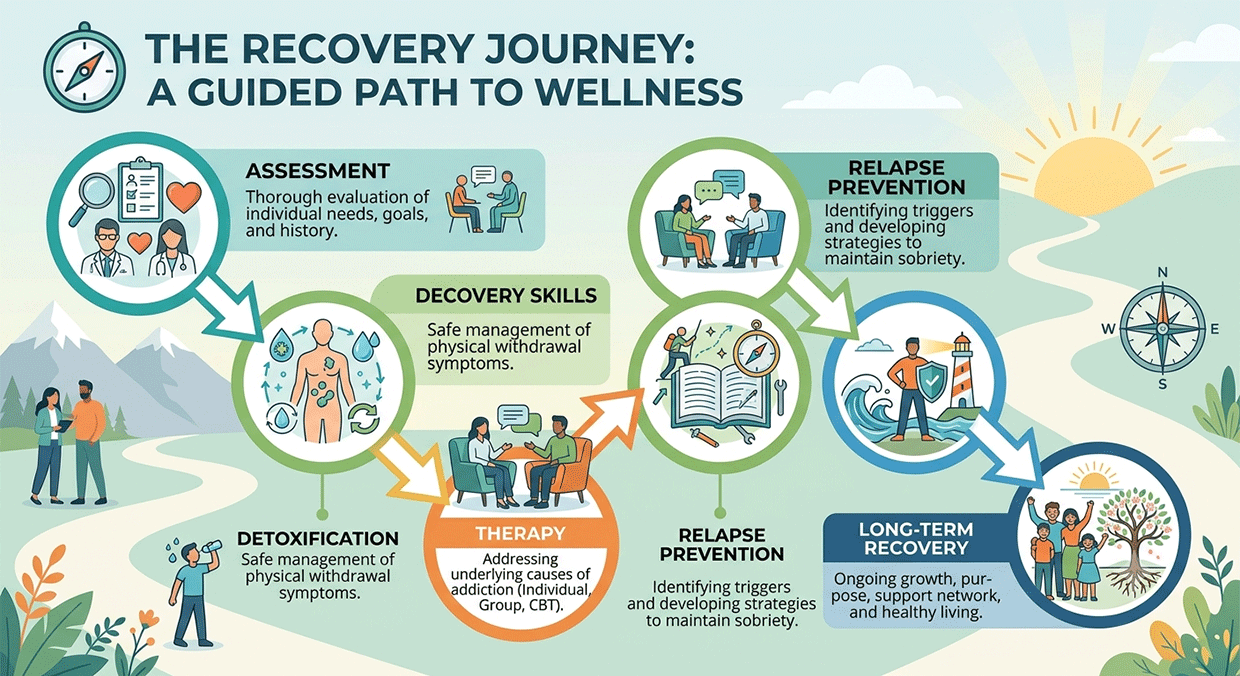
Addiction is a condition that can be treated successfully. Successful treatment of the problem involves medical evaluation, if necessary, detoxification under supervision, drug therapy for some individuals, psychological counseling, family intervention, relapse prevention, and follow-up. The recovery process takes time and is about gaining back control of one’s life, not just quitting drugs.
One of the major misconceptions regarding addiction is:
“People just need to have more willpower.”
It has been discovered through recent studies that addiction brings about alterations in the brain’s reward and decision-making centers.
Given the alterations mentioned above, most people require professional treatment not because they lack willpower but because addiction is a disease.
The type of treatment needed depends on:
- Type of substance
- Severity of addiction
- Duration of use
- Withdrawal risk
- Physical health
- Mental health
- Family support
- Previous treatment history
- Stop harmful substance use safely
- Manage withdrawal symptoms
- Reduce cravings
- Improve physical and mental health
- Restore relationships and functioning
- Prevent relapse
- Support long-term recovery
A Comprehensive Treatment Program
Effective treatment for addictions typically entails:
- Medical evaluation
- Detoxification (when indicated)
- Medication-assisted treatment
- Individual psychotherapy
- Family therapy
- Lifestyle modification
- Rehabilitation
- Relapse prevention
- Long-term follow-up
Components of Addiction Treatment
| Treatment | Purpose |
|---|---|
| Medical Assessment | Identify severity and complications. |
| Detoxification | Manage withdrawal safely. |
| Medication | Reduce cravings and relapse risk in selected patients. |
| Psychotherapy | Change behaviours and coping skills. |
| Family Therapy | Improve support and communication. |
| Rehabilitation | Restore functioning in society and work. |
| Long-Term Follow-Up | Maintain continued recovery. |
Clinical Pearl
"Recovery is about much more than just ceasing to take substances—it is also about recovering physical health, emotional well-being, and function."
What Is Detoxification?
Detox or medically supervised detox is the clinical procedure by which the body's withdrawal from any alcohol or substance use is managed. Detox is the first step for some people, but it does not constitute an addiction treatment on its own. There must be therapy and relapse prevention.
No, it is not.
Detoxification assists the body to manage the transition from the effects of drug use. Following detox, further treatment is necessary for the mental and behavioral issues associated with addiction.Who Should Undergo Medical Detoxification?
Medical supervision may be recommended for individuals withdrawing from:
- Alcohol
- Benzodiazepines
- Opioids
- Depending on the severity and health risks
- Cravings
- Family history
- Mental health history
- Medical illnesses
Withdrawal can be as simple as mild discomfort to complex medical complications.
Withdrawal Symptoms
The withdrawal symptoms vary based on the substance that is being abused and include:
- Tremors
- Sweating
- Anxiety
- Nausea
- Vomiting
- Insomnia
- Restlessness
- Muscle aches
- Increased heart rate
- Seizures
- Hallucinations
- Delirium
- Confusion
Detoxification: What to Expect
| Stage | Goal |
|---|---|
| Assessment | Evaluate withdrawal risk |
| Medical Monitoring | Manage symptoms safely |
| Stabilization | Restore physical health |
| Transition | Begin long-term addiction treatment. |
Clinical Pearl
Detoxification is a process that includes physical withdrawal but not cravings, psychological addiction or even the possibility of a relapse. Further treatment following detox is necessary.
“Patient Takeaway
Detox completion is an important step—but it is only one of many in the journey towards long-term recovery.”
Medications Used in Addiction Treatment
The use of medication can be an important aspect of treatment for a select few people who suffer from addiction. The use of medication will depend upon the substance used and may help with reduction of withdrawal symptoms, decreasing cravings, prevention of relapse, or long-term recovery.
- Substance involved
- Severity
- Medical history
- Mental health conditions
- Previous treatment response
Medication May Help
Depending on the clinical situation, medication may:
- Reduce cravings
- Control withdrawal symptoms
- Prevent relapse
- Improve emotional stability
- Support long-term abstinence
Important Points
Medication:
- Is individualized
- Requires regular review
- Should not be stopped abruptly without medical advice
- Is most effective when combined with counselling and behavioural therapy
Medication Goals
| Goal | Benefit |
|---|---|
| Withdrawal Management | Safer detoxification |
| Craving Reduction | Lower relapse risk |
| Relapse Prevention | Support sustained recovery |
| Mental Health Stabilization | Strengthen overall functionality |
Clinical Pearl
These drugs are simply a way of facilitating recovery; they do not replace the need for therapy, motivation or behavior changes.
Psychotherapy for Addictions
Psychotherapy is one of the strongest elements of addictions treatment. It allows people to identify why they have turned to drugs or alcohol, how they can handle the situation, overcome their cravings, encourage themselves, and restore their social ties.
- Thoughts
- Habits
- Emotional responses
- Coping strategies
- Daily routines
Cognitive Behavioural Therapy
CBT helps individuals:
- Identify triggers
- Challenge unhelpful thoughts
- Develop healthier coping strategies
- Prevent relapse
Motivational Enhancement Therapy
MET helps people:
- Explore ambivalence
- Strengthen motivation
- Set recovery goals
- Increase commitment to change
Relapse Prevention Therapy
This therapy teaches people how to:
- Recognize high-risk situations
- Manage cravings
- Handle stress
- Recover quickly after setbacks
- Maintain long-term sobriety
Contingency Management
For some individuals, structured positive reinforcement programs may be used to encourage healthy behaviours and treatment participation.
Common Psychological Treatments
| Therapy | Main Goal |
|---|---|
| CBT | Change harmful thoughts and behaviours |
| MET | Increase motivation |
| Relapse Prevention | Prevent return to substance use |
| Family Therapy | Improve family support |
| Contingency Management | Reinforce positive behaviour |
Clinical Pearl
Psychotherapy helps individuals learn all these skills that remain valuable even after the end of therapy sessions.
Family Support and Rehabilitation
Addiction is a disease that affects the entire family. Family therapy, counseling, and rehabilitation help improve communication, decrease conflict, recovery, and prevent relapse. Recovery chances usually increase when families become involved in the recovery process.
- Emotional distress
- Financial strain
- Loss of trust
- Caregiver fatigue
- Relationship conflicts
Family Counselling
Family sessions may help:
- Improve communication
- Understand addiction as a medical illness
- Set healthy boundaries
- Reduce enabling behaviours
- Rebuild trust gradually
Rehabilitation
Rehabilitation refers to the procedure where individuals are assisted in getting back into productive living. This may include:
- Returning to work
- Continuing education
- Vocational rehabilitation
- Social skills
- Physical health recovery
- Structured daily routines
Rehabilitation Goals
| Goal | Benefit |
|---|---|
| Employment | Financial stability |
| Education | Personal development |
| Healthy Relationships | Emotional wellbeing |
| Daily Routine | Improved structure |
| Community Participation | Better quality of life |
Clinical Pearl
A positive atmosphere, constructive daily activities, and an organized life can enhance recovery.
Preventing Relapse
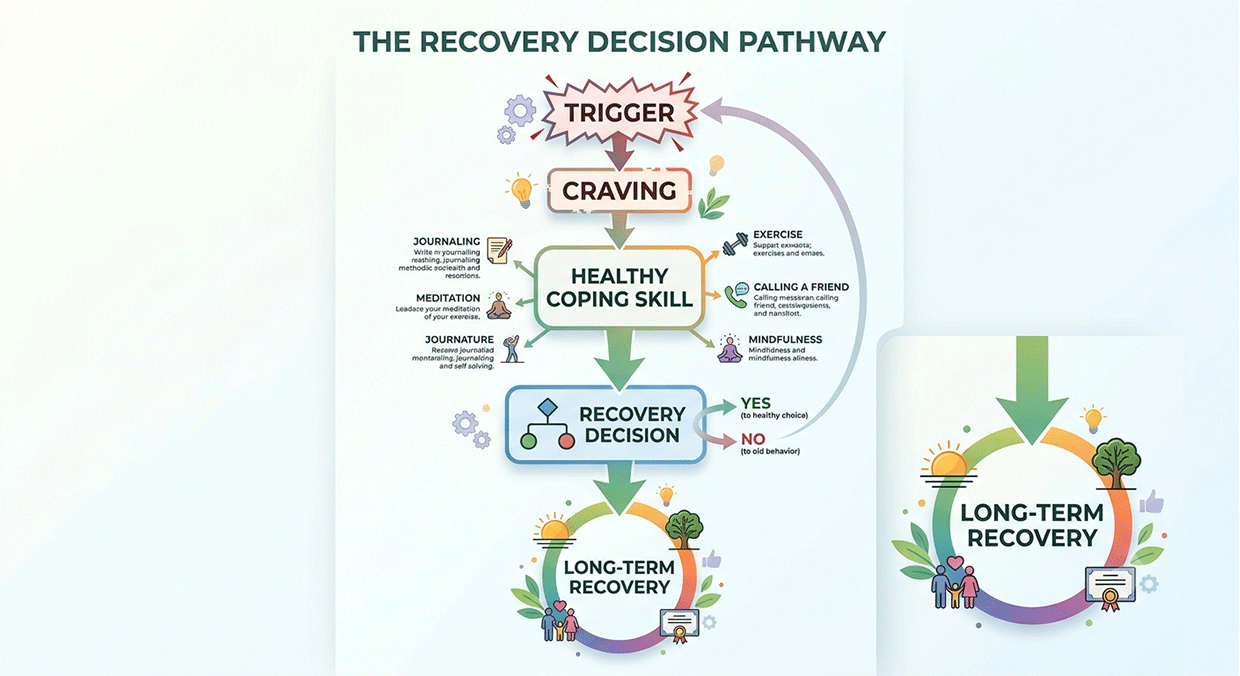
Relapse is an important component in the recovery process for some people, and thus provides a chance to assess treatment alternatives, not personal failures. Some of the ways of dealing with a relapse are through knowing the triggers, coping mechanisms, follow-up, and asking for help during cravings.
Common Triggers
Relapse may be triggered by:
- Stress
- Anxiety
- Depression
- Loneliness
- Conflict
- Social pressure
- Returning to previous environments
- Easy access to substances
Healthy Coping Mechanisms
Some useful techniques to prevent relapse may involve:
- Attending follow-up appointments
- Continuing therapy
- Building healthy routines
- Exercising regularly
- Practicing stress management
- Seeking support early
- Avoiding risk factors
Relapse Prevention Strategy
| Strategy | Benefit |
|---|---|
| Identify triggers | Reduce risk |
| Therapy continuation | Better coping |
| Family support | Encourage recovery |
| Healthy routine | Improve resilience |
| Early intervention | Prevent full relapse |
Clinical Pearl
Recovery entails advancement and not being perfect. If warning signs are noticed early, a slip can be stopped before it becomes a full-blown relapse.
Recovery Is Possible
Regardless of whether the person has an addiction that is due to alcohol, prescriptions, tobacco, marijuana, opioids, or anything else, there is always a way of getting someone’s life back on track using evidence-based treatments.
There is the Headspace Mind Clinic, which provides addiction treatment, medical support when required, psychotherapy, family therapy, relapse prevention, and recovery for all individuals on an individualized level.
Can Addiction be treated successfully?
Yes. Addiction is a disease that can be treated. Many individuals have been able to overcome their addiction through effective treatment and therapy. Addiction recovery is an ongoing process and not an event and at times there may be set-backs without it implying failure of treatment.
- Restoring physical health
- Improving mental wellbeing
- Repairing relationships
- Returning to work or education
- Regaining confidence
- Leading a productive life
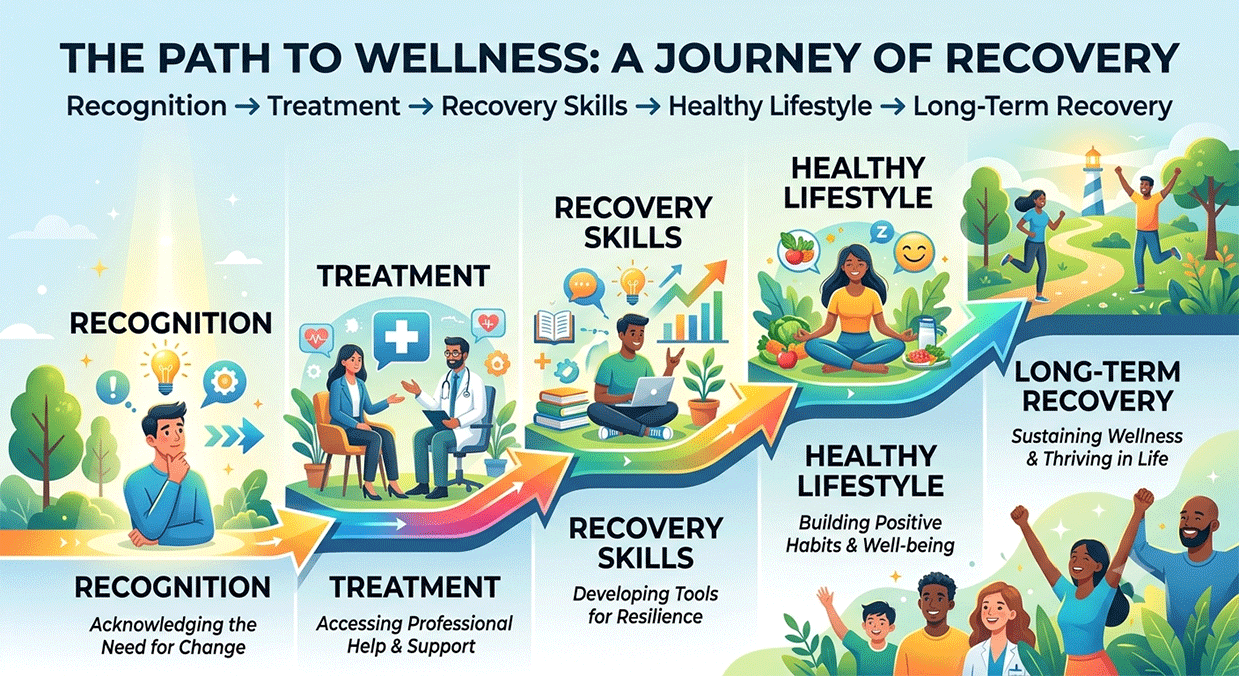
What is Recovery?
Recovery typically involves:
- No longer feeling controlled by cravings
- Better emotional regulation
- Improved sleep
- Better physical health
- Healthy relationships
- Stable employment or education
- Financial stability
- Increased self-confidence
Stages of Recovery
| Stage | Focus |
|---|---|
| Recognition | Accepting there is a problem |
| Treatment | Detoxification, therapy, medication when appropriate |
| Early Recovery | Learning new coping skills |
| Maintenance | Avoidance of relapse and maintenance of positive habits |
| Long-Term Recovery | Benefits of well-being and personal development |
Clinical Pearl
Recovery does not depend on the lack of any substances abuse, but on changes in the person's well-being, functioning, and relationships.
Addiction and Mental Health (Dual Diagnosis)
People who struggle with addiction have more chances of suffering from mental problems like depression, anxiety, bipolar disorder, ADHD, PTSD, etc. This situation is called a dual diagnosis. In most cases, the joint treatment of such conditions results in better recovery than treating them separately.
- Mental illness increases the risk of addiction.
- Addiction worsens mental health.
- Both conditions influence each other over time.
Common Co-Occurring Conditions
Individuals with addiction may also experience:
- Depression
- Generalized Anxiety Disorder
- Panic Disorder
- Bipolar Disorder
- ADHD
- PTSD
- Insomnia
- Personality Disorders
Why Integrated Treatment is Crucial
Just concentrating on the patient’s addiction problem without taking into account other disorders, such as depression, anxiety, ADHD, or trauma, may result in relapse.
Integrated approach aims to:
- Enhance emotional well-being
- Reduce substance use
- Improve treatment adherence
- Prevent future relapse
- Improve quality of life
Common Dual Diagnoses
| Addiction With | Why It Matters |
|---|---|
| Depression | Risk for relapse increases if untreated. |
| Anxiety Disorders | Substance abuse can provide temporary relief from anxiety, but ultimately make the problem worse. |
| ADHD | Impulsive actions and substance abuse |
| Bipolar Disorder | Mood swings can affect recovery. |
| PTSD | Specialized treatment focusing on trauma is required. |
Clinical Pearl
In many cases, successful recovery involves the simultaneous management of addiction and other mental disorders.
Reducing Harm and Preventing Relapse
Prevention of relapses through having healthy habits, follow-up, getting support from one’s family, stress management, and noticing warning signs are what recovery entails. If someone relapses, an assessment and treatment can assist him or her to get back into the recovery process.
Common Relapse Triggers
People may be vulnerable during periods of:
- Emotional stress
- Loneliness
- Conflict
- Financial pressure
- Social gatherings involving substances
- Poor sleep
- Untreated mental health symptoms
- Returning to previous substance-using environments
Strategies That Support Recovery
Helpful habits include:
- Attending regular follow-up appointments
- Continuing psychotherapy
- Building a structured daily routine
- Exercising regularly
- Getting adequate sleep
- Maintaining healthy relationships
- Avoiding high-risk situations
- Seeking help promptly if cravings increase
Relapse Prevention Checklist
| Strategy | Benefit |
|---|---|
| Continue treatment | Maintain recovery |
| Recognize triggers | Reduce relapse risk |
| Healthy routine | Improve resilience |
| Family support | Encourage accountability |
| Early intervention | Prevent escalation |
Clinical Pearl
An early intervention after a lapse may usually ensure that a small problem does not become a major problem.
When should you consult a Psychiatrist?
When you have trouble managing your use of drugs and alcohol, exhibit withdrawal symptoms, are unsuccessful in your attempts to quit, are mentally ill in addition to being an addict, and your addiction is affecting your work and relations, you should see a psychiatrist.
Get Help From Professionals In Case
- You fail to quit despite many tries.
- Cravings become disruptive to everyday activities.
- You suffer from withdrawal when you stop.
- The consumption of the substance becomes an issue at work, study, and home.
- Along with substance consumption, depression, anxiety, hallucinations, and mood swings arise.
- You are using increasing amounts to achieve the same effect.
- Your family members are concerned about your substance use.
You Should See A Doctor Right Away When
- Overdose is suspected.
- The person is unconscious or difficult to wake.
- Breathing becomes slow or stops.
- Seizures occur.
- Severe alcohol withdrawal symptoms such as hallucinations or confusion appear.
- There are suicidal thoughts or behaviour.
- There is violent or aggressive behaviour posing immediate danger.
Clinical Pearl
Good results can be achieved if the treatment process starts at an early stage.
Why Choose Headspace Mind Clinic for Addiction Treatment in Delhi?
Our clinic offers you highly personalized addiction treatment that is confidential and scientifically backed. Our treatment program includes a psychiatric evaluation, a medically supervised treatment plan, psychotherapy, relapse prevention, counseling for your family, and post-treatment follow-up.
Our Approach
- Confidential Consultations
- Consultant Psychiatrist
- Comprehensive Addiction Assessment
- Individualized Treatment Plans
- Medication Management (When Appropriate)
- CBT & Motivational Therapy
- Family Counselling
- Relapse Prevention Planning
- Long-Term Follow-up
Services Offered
| Service | Available |
|---|---|
| Addiction Assessment | ✓ |
| Psychiatric Consultation | ✓ |
| Medication Management | ✓ |
| Psychotherapy | ✓ |
| Family Counselling | ✓ |
| Relapse Prevention | ✓ |
| Long-Term Follow-up | ✓ |
Recovery Begins With the First Step
Phone:
Website:
Frequently Asked Questions (FAQ)
Medically Reviewed By
Dr. Deepak Verma
Consultant Psychiatrist & Neuropsychiatrist, Founder & Medical Director, Headspace Mind Clinic
ABOUT THE MEDICAL REVIEWER
PUBLICATION INFORMATION
| Item | Details |
|---|---|
| Author | Headspace Mind Clinic Editorial Team |
| Medical Reviewer | Dr. Deepak Verma |
| Last Medical Review | July 2026 |
| Next Scheduled Review | January 2027 |
| Content Version | 1.0 |
| Content Type | Evidence-Based Patient Education |
EDITORIAL POLICY
- Based on current scientific evidence and internationally accepted clinical guidelines.
- Medically reviewed by a qualified psychiatrist.
- Written in respectful, stigma-free, and person-centred language.
- Updated regularly as new evidence becomes available.
- Intended for educational purposes and not as a substitute for individualized medical advice.
REFERENCES
- World Health Organization (WHO) – Substance Use and Mental Health Resources
- American Society of Addiction Medicine (ASAM) Clinical Practice Guidelines
- National Institute on Drug Abuse (NIDA)
- National Institute on Alcohol Abuse and Alcoholism (NIAAA)
- National Institute for Health and Care Excellence (NICE) – Alcohol-Use Disorders and Drug Misuse Guidelines
- Indian Psychiatric Society (IPS) Clinical Practice Guidelines for Substance Use Disorders
- PubMed-indexed systematic reviews on addiction treatment, relapse prevention, and co-occurring mental disorders