
Home › School Mental Health › Sleep problems
Sleep problems: the hidden reason behind many school troubles
Tired children find it hard to focus, stay calm and remember lessons. In Delhi, early school buses, tuition, homework and phones squeeze sleep from both ends. Better sleep is one of the simplest ways to help mood, behaviour and marks.
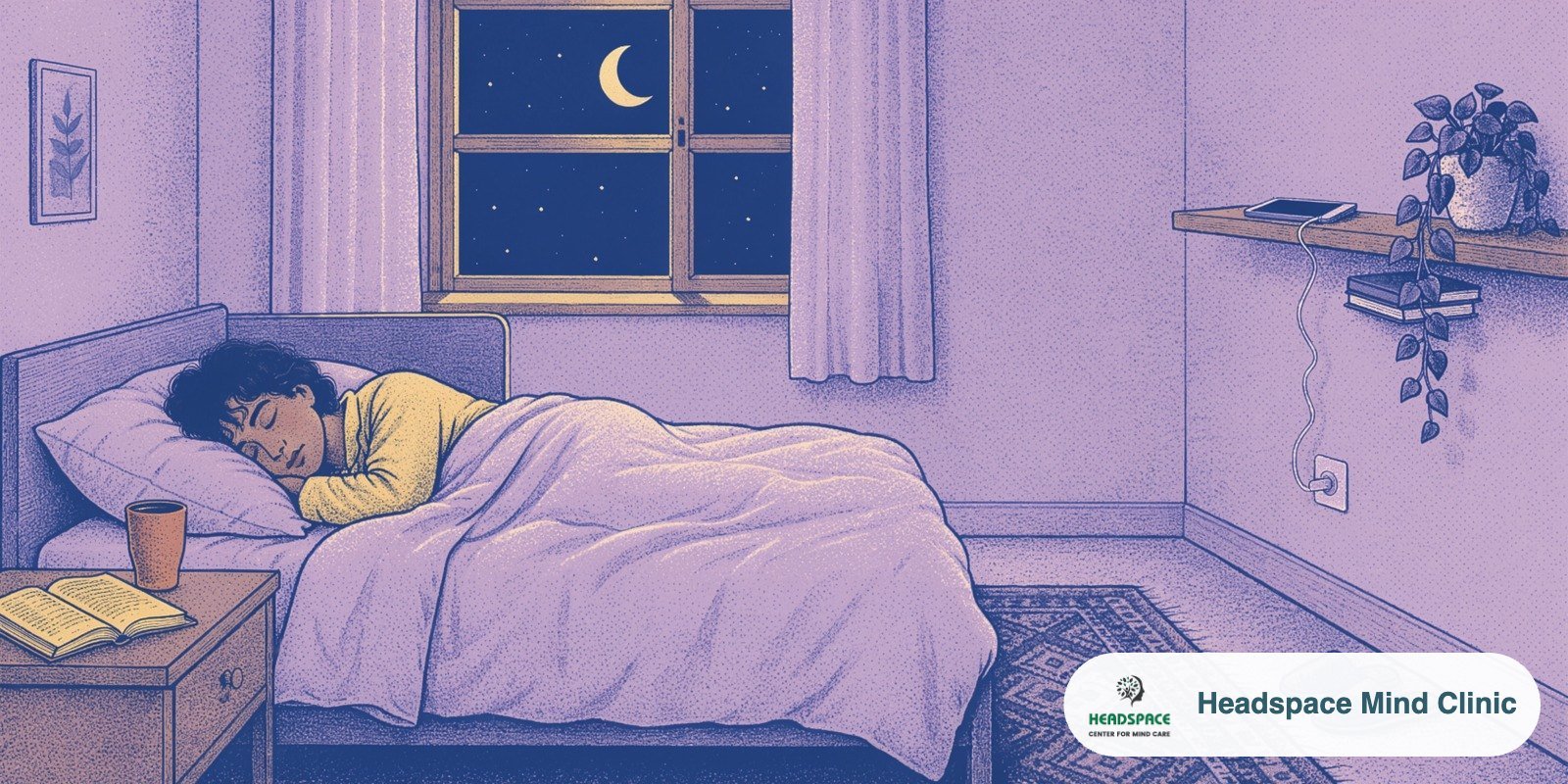
Does this sound familiar?
Real worries we hear from Delhi families and schools.
The school bus comes at 6:15. Tuition ends at 8 pm. When does he sleep?
In the first period, many heads are on the desk.
When I ask about sleep, students laugh. Five hours is “normal” for them.
I lie in bed but my mind keeps running. Then I pick up the phone.
In India: the numbers
Small references show where each number comes from.
Signs to notice
One sign alone is not a diagnosis. Look for a pattern that lasts.
Hard to wake up
Needs many alarms, very grumpy in the morning.Sleepy in class
Yawning, head on desk, dozing in the first periods.Irritable and moody
Short temper, tears, more fights when tired.Focus and memory
Forgets lessons, careless mistakes, slow work.Late-night screens
Phone or gaming after lights out.Snoring or breathing pauses
Loud snoring, gasping, or restless sleep: needs a doctor.Usual, or a sign to look closer?
| Usually part of growing up | Worth a closer look | |
|---|---|---|
| Bedtime | Later on weekends | Very late most nights; body clock shifted |
| Waking | Some grumbling | Can’t wake up; misses school or first periods |
| Daytime | Tired after a late event | Sleepy most days; dozes in class |
| Mood | Cranky when tired | Persistent irritability or low mood |
| Night | Occasional bad dream | Frequent night waking, snoring, sleepwalking, night terrors |
What helps, step by step
Pick your role. Each tab has practical steps you can start today.
Teachers can spot sleepy students and help the whole class learn about sleep.
At home, a few steady habits protect sleep.
Counsellors can link sleep to mood, attention and learning.
What to say, what to avoid
Try saying
- “Sleep helps your brain store what you studied today.”
- “Let’s put all phones in the hall at 10.”
- “What helps you feel calm before bed?”
- “You don’t have to finish everything tonight. Sleep first.”
Better to avoid
- “You are just lazy in the morning.”
- “Stay up and finish it, sleep doesn’t matter.”
- “Take a cup of coffee and study.”
- “Sleep on Sunday to make up for the week.”
When to get help
Use this as a rough guide, not a test.
- Mostly sleeps enough
- Wakes up with an alarm
- Alert most of the school day
- Under 7 hours on most school nights
- Sleepy in class, irritable
- Screens late at night
- Loud snoring or breathing pauses
- Falls asleep in class every day
- Sleep problem with low mood, panic or self-harm talk
From worry to a plan
Myths and facts
Questions parents and teachers ask
How much sleep does my child need?
Ages 6–12: about 9–12 hours. Ages 13–18: about 8–10 hours, every night.
My teen can’t fall asleep before 1 am. What can we do?
Fix the wake-up time, get morning daylight, remove screens at night and move bedtime earlier in small steps. If it continues, see a professional.
Are sleep problems linked to mental health?
Yes. Poor sleep worsens mood, anxiety and attention, and these problems also disturb sleep.
Should we use sleeping pills?
Do not give any sleep medicine without a doctor’s advice. Most children improve with routine changes.
When should we see a doctor?
Loud snoring, breathing pauses, extreme daytime sleepiness, or sleep problems with low mood or anxiety.
Where to get help in Delhi
Start with the person closest to the child. Help is available, and asking early is normal.
Headspace Mind Clinic (outpatient) in West and North Delhi:
- Paschim Vihar: GH-14/49, near Bosco Public School, Paschim Vihar, Delhi 110087 · +91 99711 66040
- Rohini: C-8/273, near Gurudwara, Sector 8, Rohini, Delhi 110085 (near Rohini East Metro) · +91 90990 97381
- Narela: 48/1 Singhu Border Road, Krishna Colony, Narela, Delhi 110040 · +91 74530 00444
Easy to reach from Paschim Vihar, Rohini, Narela, Pitampura, Punjabi Bagh, Shalimar Bagh, Nangloi, Bawana and nearby areas. All clinic details
More school mental health guides
Guides by role: Parents · Teachers · Counsellors · हिंदी में पढ़ें
Sources
- Sleep pattern of adolescents in a school in Delhi, India: impact on their mood and academic performance. Indian Journal of Pediatrics, 2018
- Mathew G, Varghese AD et al. A comparative study assessing sleep duration among adolescents in different types of schools in Kerala. Indian Journal of Community Medicine, 2019
- Paruthi S et al. Recommended amount of sleep for pediatric populations: consensus statement of the American Academy of Sleep Medicine. J Clin Sleep Med, 2016
Reviewed by Dr. Deepak Verma, Consultant Psychiatrist (MBBS, MD Psychiatry), 26 November 2026. Headspace Mind Clinic, Delhi.